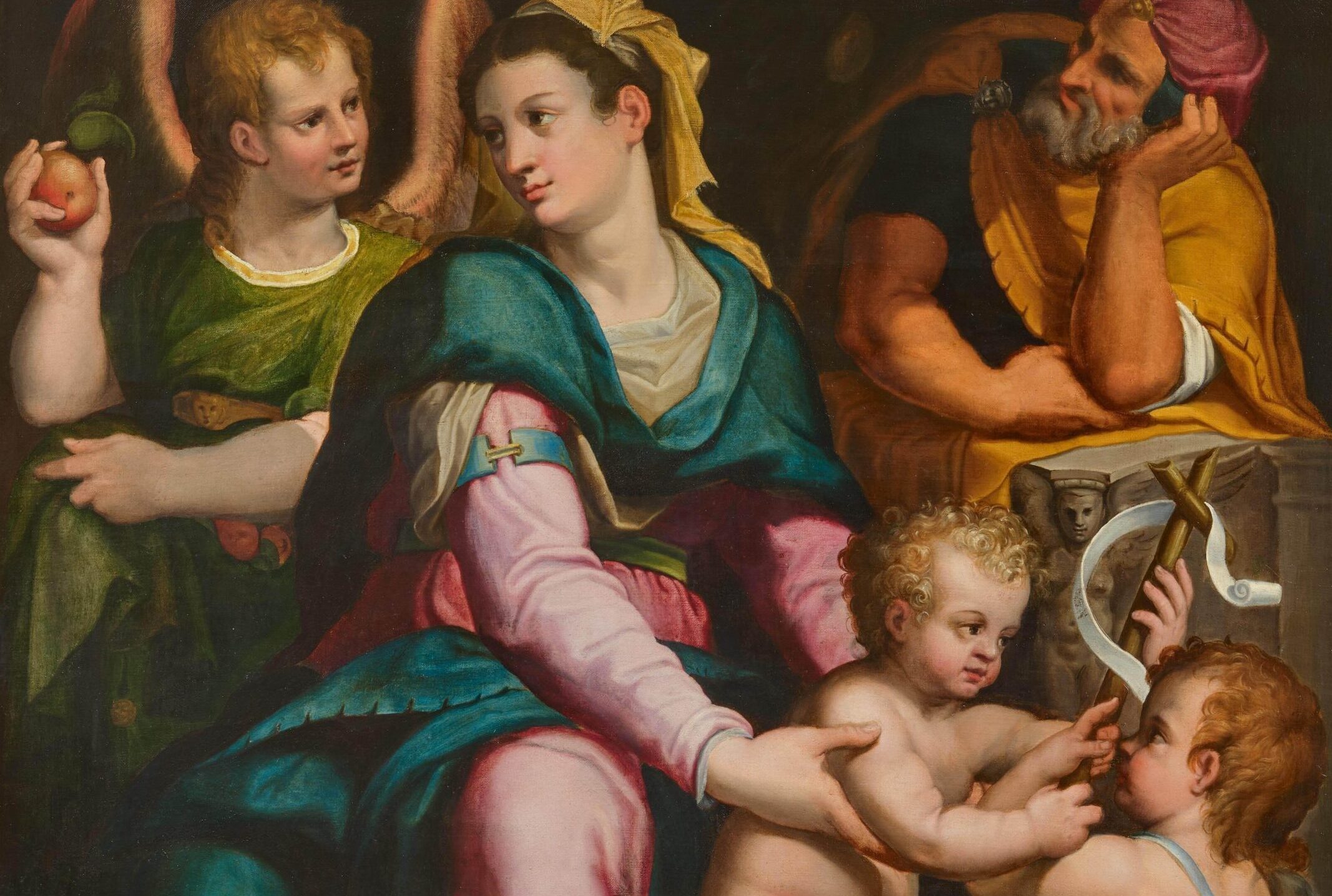
New Baroques: form and scar
Curated by Lilia Schwarcz, the exhibition New Baroques takes Brazilian Baroque as its starting point, considering it as a language of faith, power, and invention that developed between the 17th and 18th centuries in the context of Portuguese colonization, slavery, and the expansion of Catholicism.
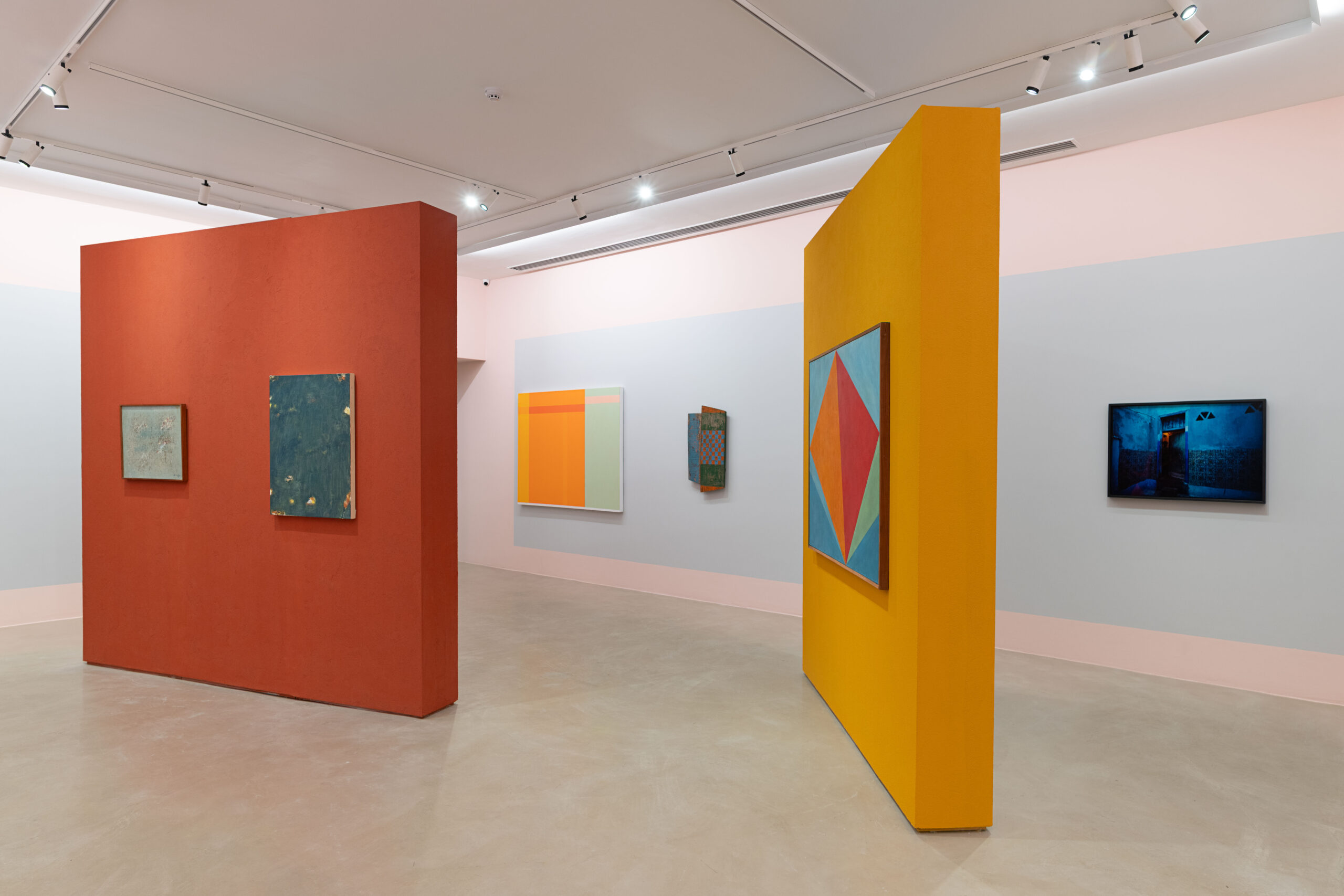
To Inhabit Color
Curated by Luisa Duarte and Daniela Avellar, To Inhabit Color proposes thinking about color as a vital experience.
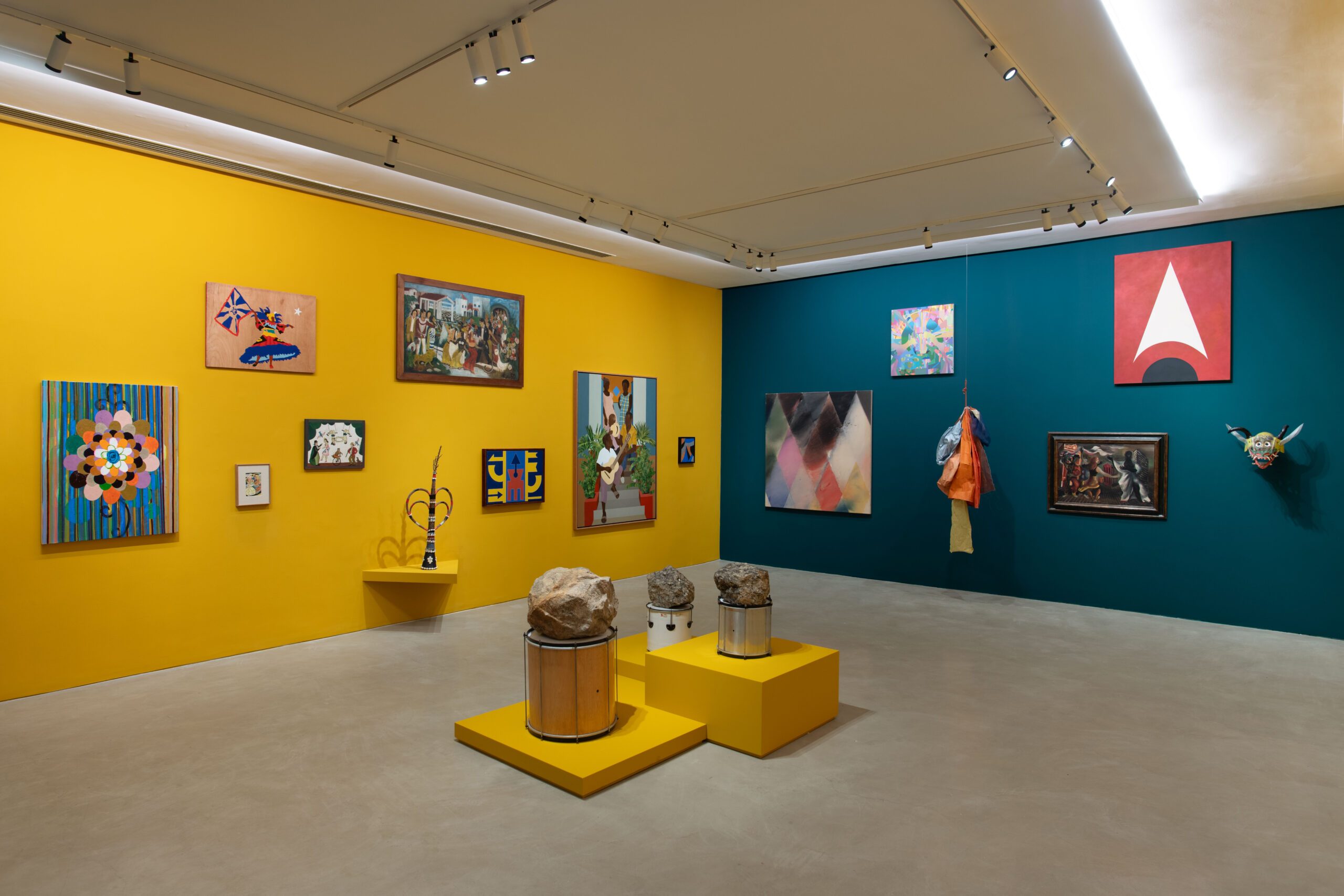
Carnavalizar: Method and Invention
Carnavalizar: Method and Invention a group exhibition curated by Daniela Avellar, explores carnival as a verb.
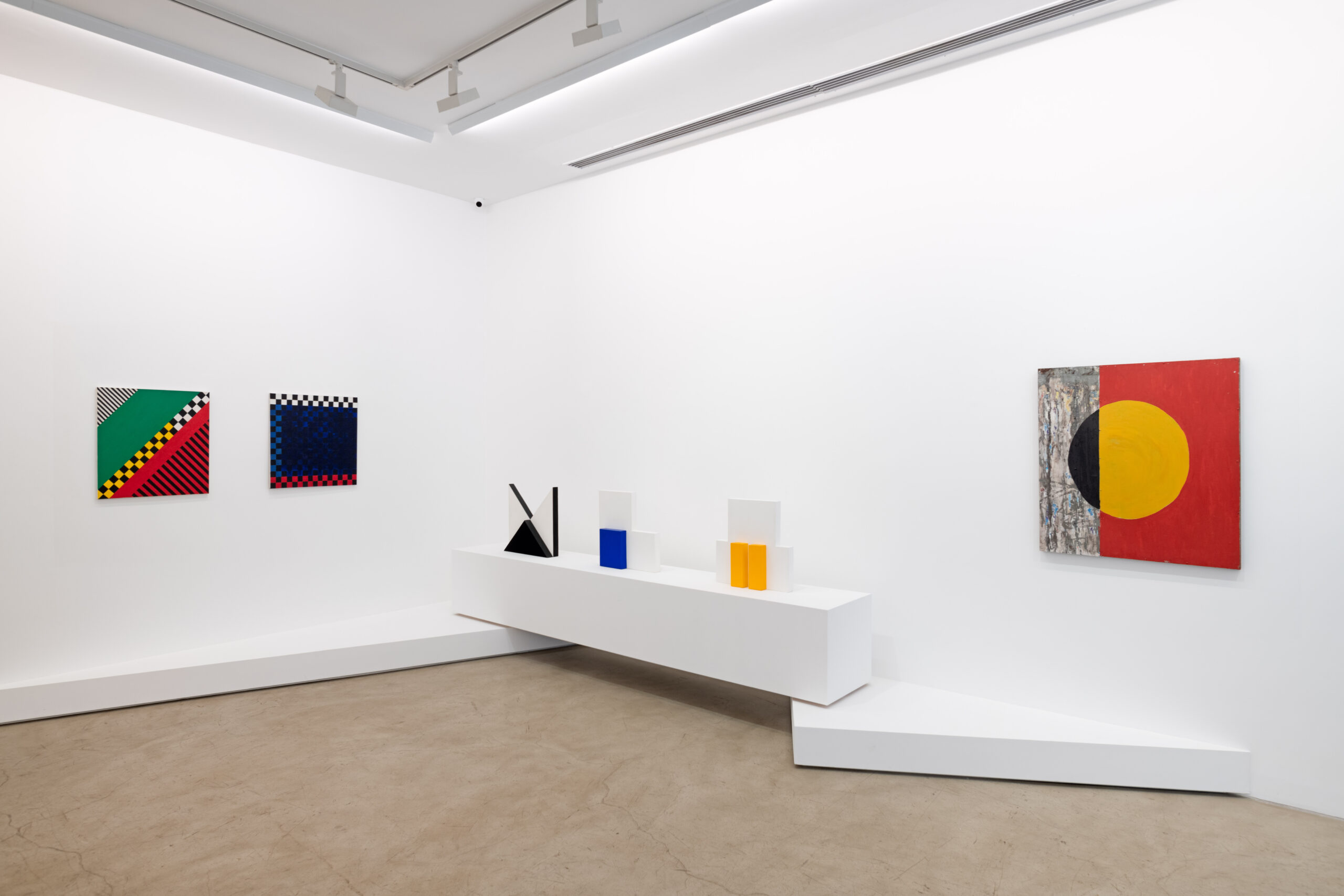
Here and There: Constructive Displacements
The group exhibition that concludes FLEXA's 2025 program proposes a dialogue between different generations of Brazilian art, bringing together works by Hélio Oiticica, Lygia Pape, José Damasceno, and Emmanuel Nassar.
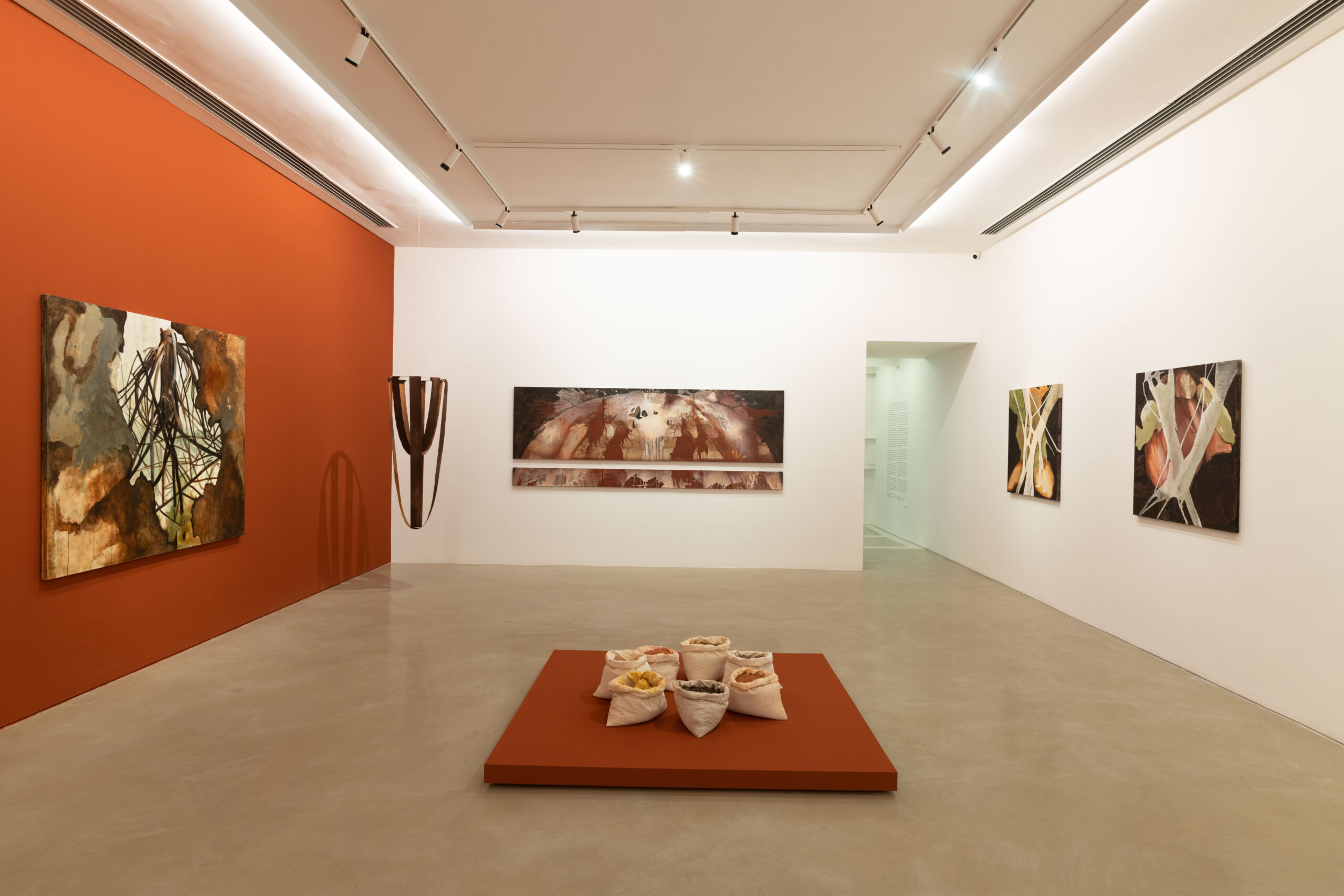
Marlene Almeida: veins of the soil
Marlene Almeida: Veins of the Soil is a solo exhibition by artist Marlene Almeida, whose career, which began in the 1970s, lies at the intersection of art, science, and ecology.
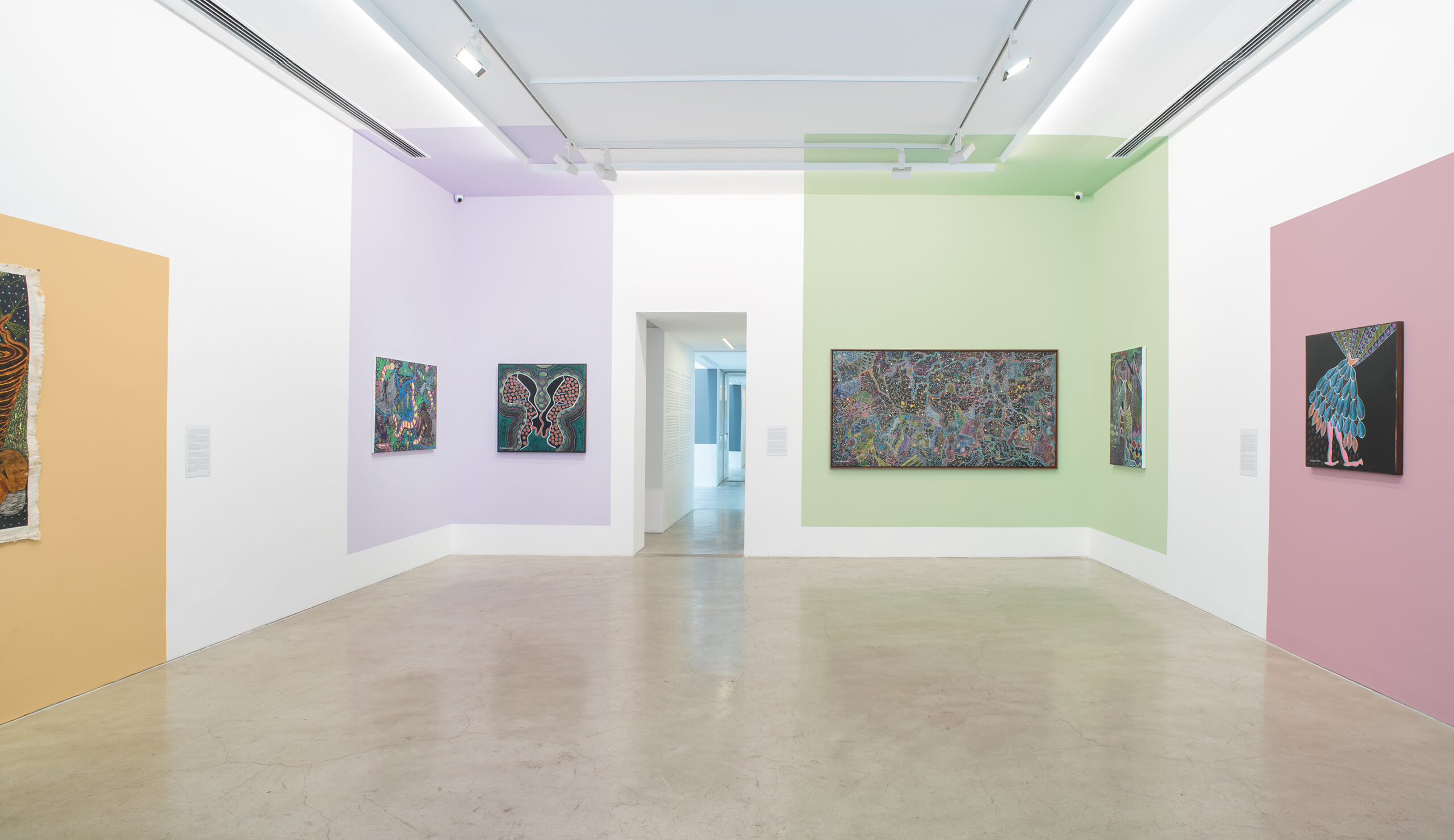
Everything Sounds: Shared Meanings Between Humans and Non-Humans
The exhibition brings together works by four of the most significant names in contemporary Indigenous Amazonian art, all of whom recently participated in the Venice Biennale: Jaider Esbell, Santiago Yahuarcani, Rember Yahuacani, and Sheroanawe Hakihiiwe.
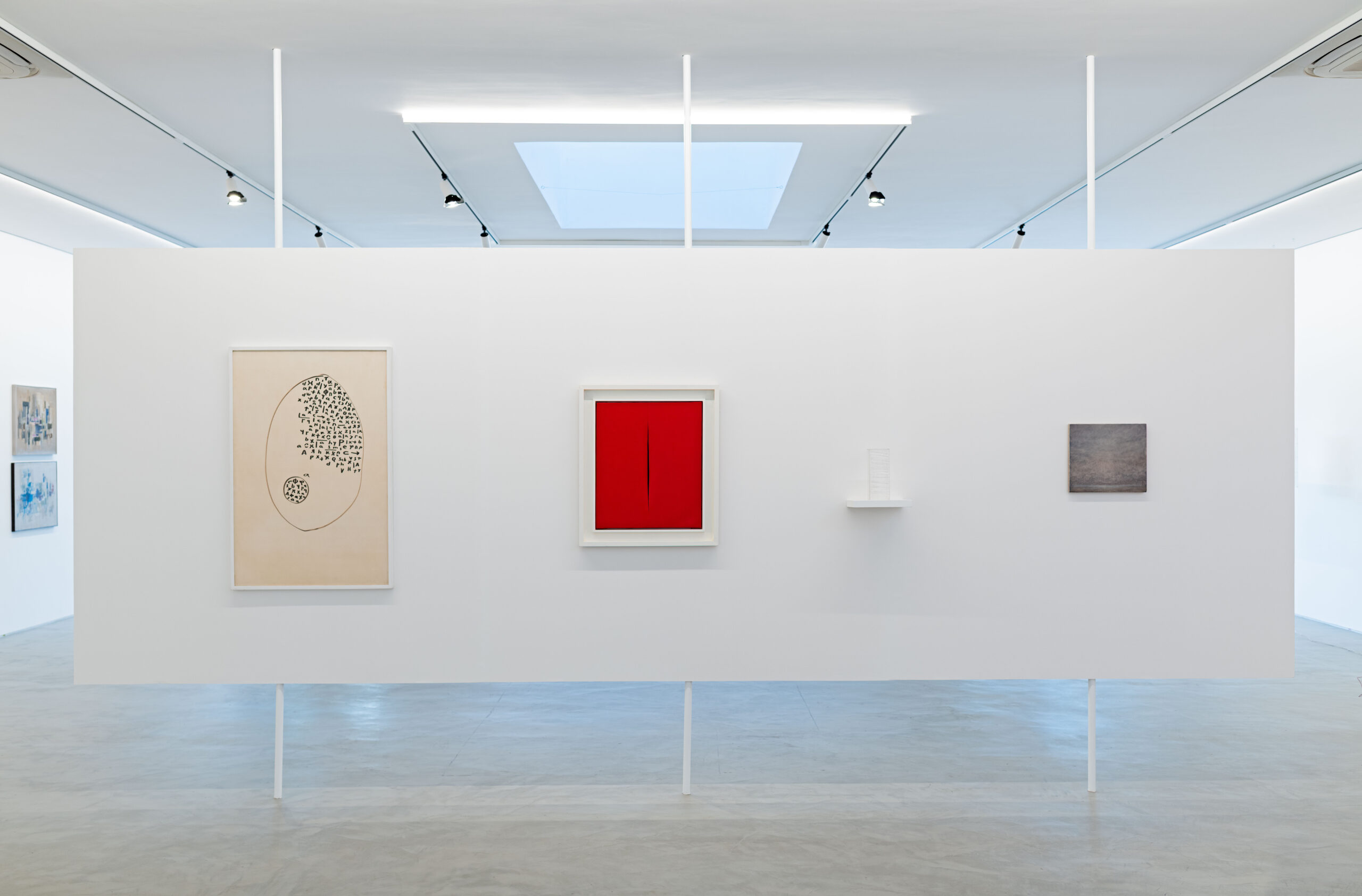
CONSTRUCTION IN THE WIND
In partnership with Claraboia, FLEXA opens its first exhibition in São Paulo, entitled Construction in the Wind. Curated by Luisa Duarte, with exhibition design by Daniela Thomas and text by Julia de Souza, the show takes place at Claraboia.
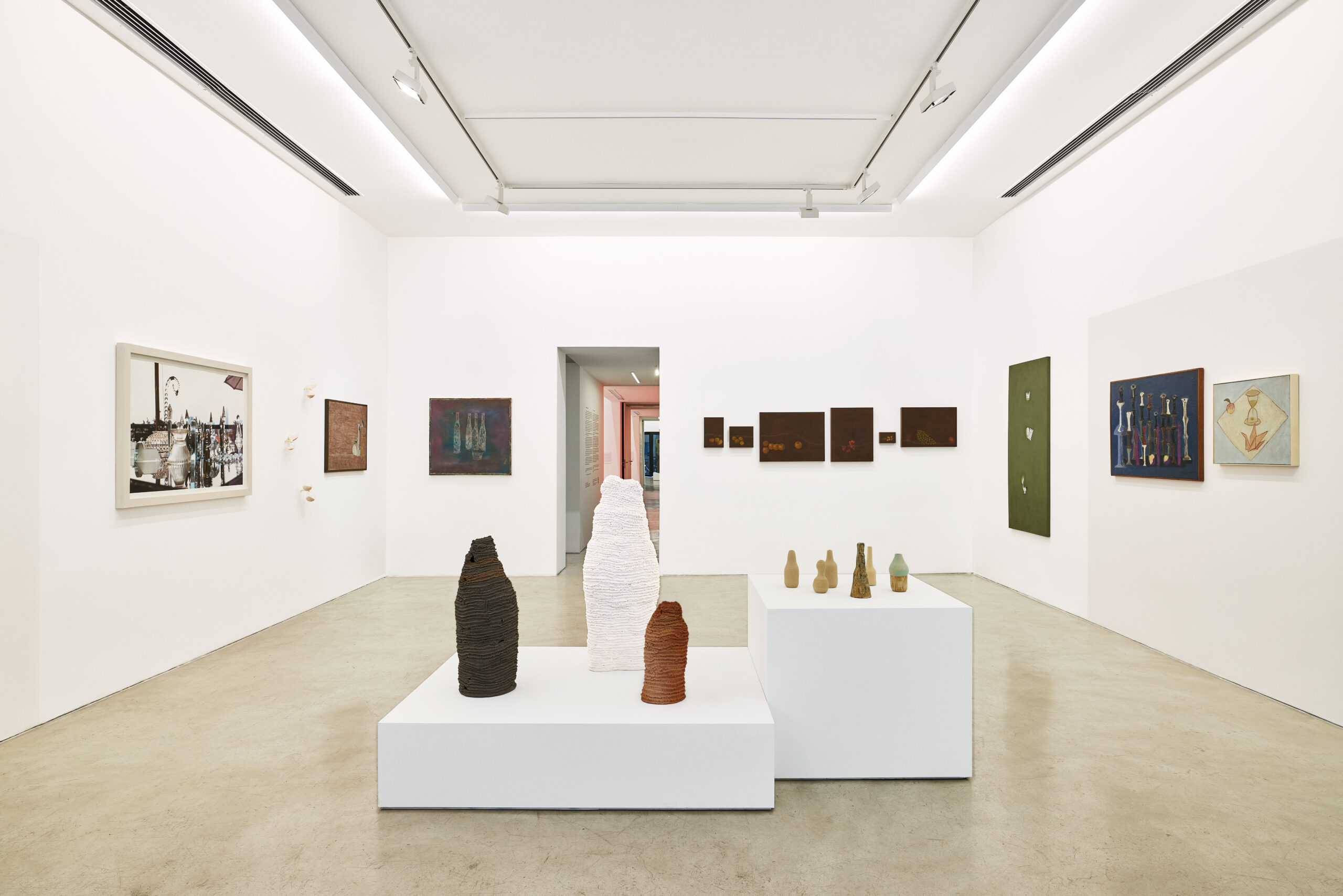
IN SEARCH OF STOLEN TIME
Curated by Luisa Duarte, In Search of Stolen Time, quarta exposição realizada pela Flexa, se dedica a abordar distintas formas de temporalidade em contraposição ao mundo 24/7.
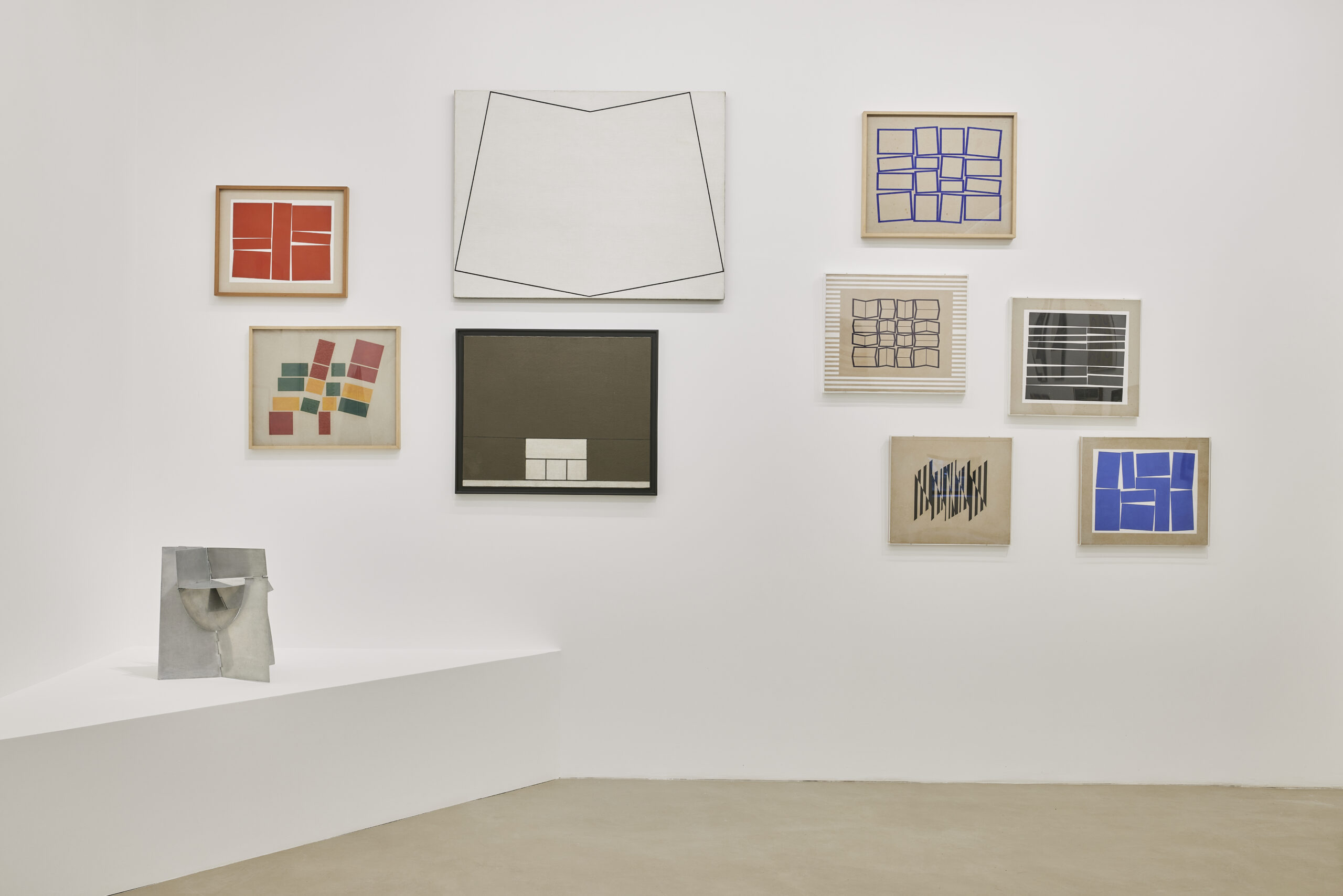
AN AFFECTIVE TAKE ON BRAZILIAN ART: Luiz Buarque de Hollanda
Curated by Felipe Scovino and exhibition design by Daniela Thomas, An Affective Take on Brazilian Art: Luiz Buarque de Hollanda, examines the figure of Luiz Buarque de Hollanda (1939-1999), lawyer and collector who, together with his partner Paulo Bittencourt (1944-1996), founded Galeria Luiz Buarque de Hollanda & Paulo Bittencourt, which operated from 1973 to 1978 in Rio de Janeiro.
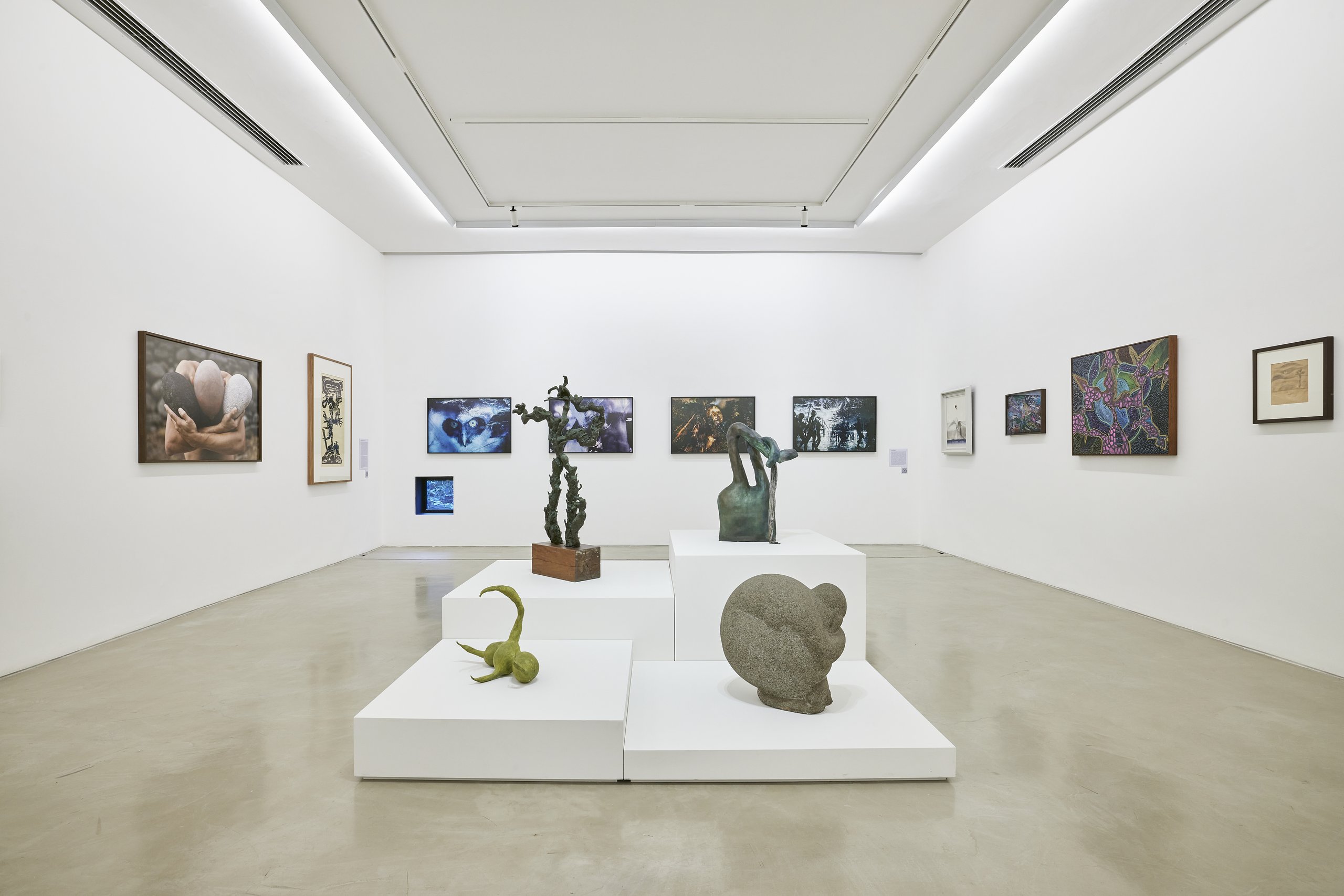
THE LIGHTNING-FILLED NIGHT: echoes of surrealism and other cosmologies
Why visit the echoes of surrealism today? Why approach alternative cosmologies to the Western paradigm now—in other words, different ways of organizing shared reality? Various recent diagnoses remind us that we live in a time marked by the dulling of imagination, the dilution of the corporeal dimension in our dealings with the world, the undermining of the realm of dreams, and the resistance to dialogue with differences.
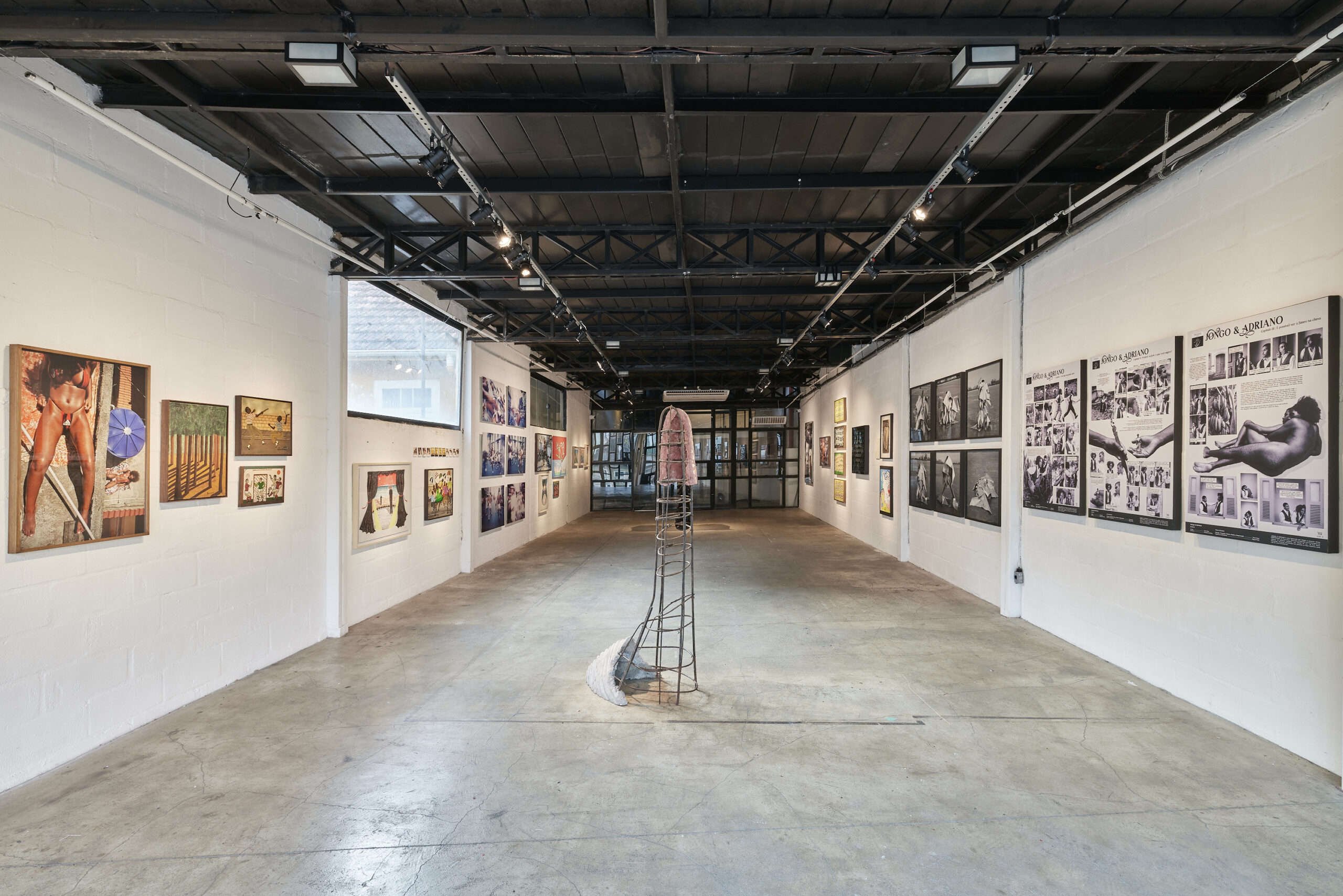
The Kiss on the Asphalt
FLEXA and the space Tropigalpão are inaugurating a short-term exhibition, The Kiss on the Asphalt, curated by Ulisses Carrilho.
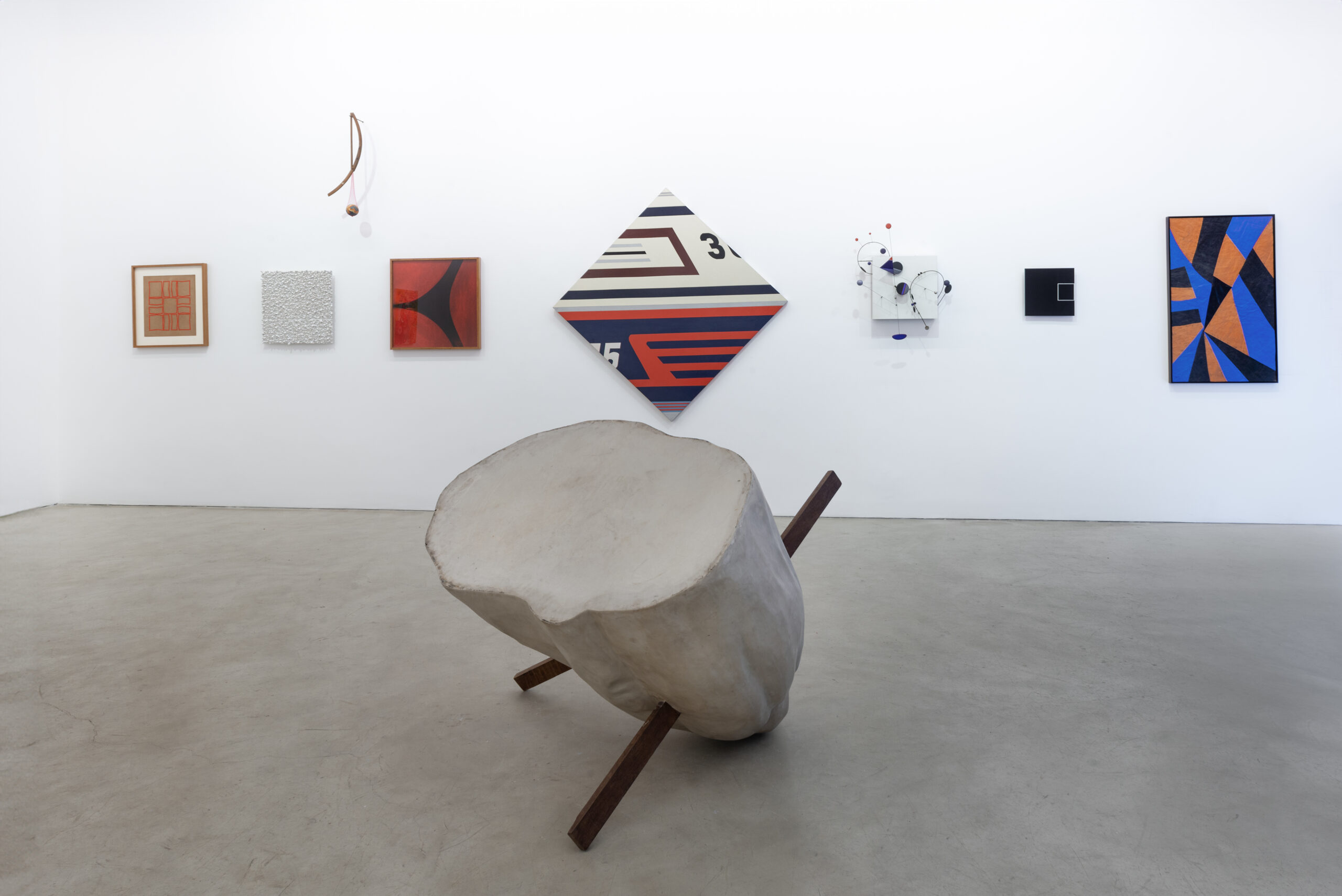
RIO: THE MEASURE OF LAND
In the exhibition Rio: The Measure of Land, which marks the inauguration of FLEXA, we delve into Rio de Janeiro, guided by the diverse approaches mentioned earlier. The group show brings together forty-six artists spanning from the early 19th century to the present. It presents both historical and contemporary cityscapes, as well as works representative of neo-concretism – a pivotal moment in Rio de Janeiro’s art history – alongside later works, and a selection of pieces addressing political and social issues, such as urban violence and cultural resistance, manifested through parties and carnival.