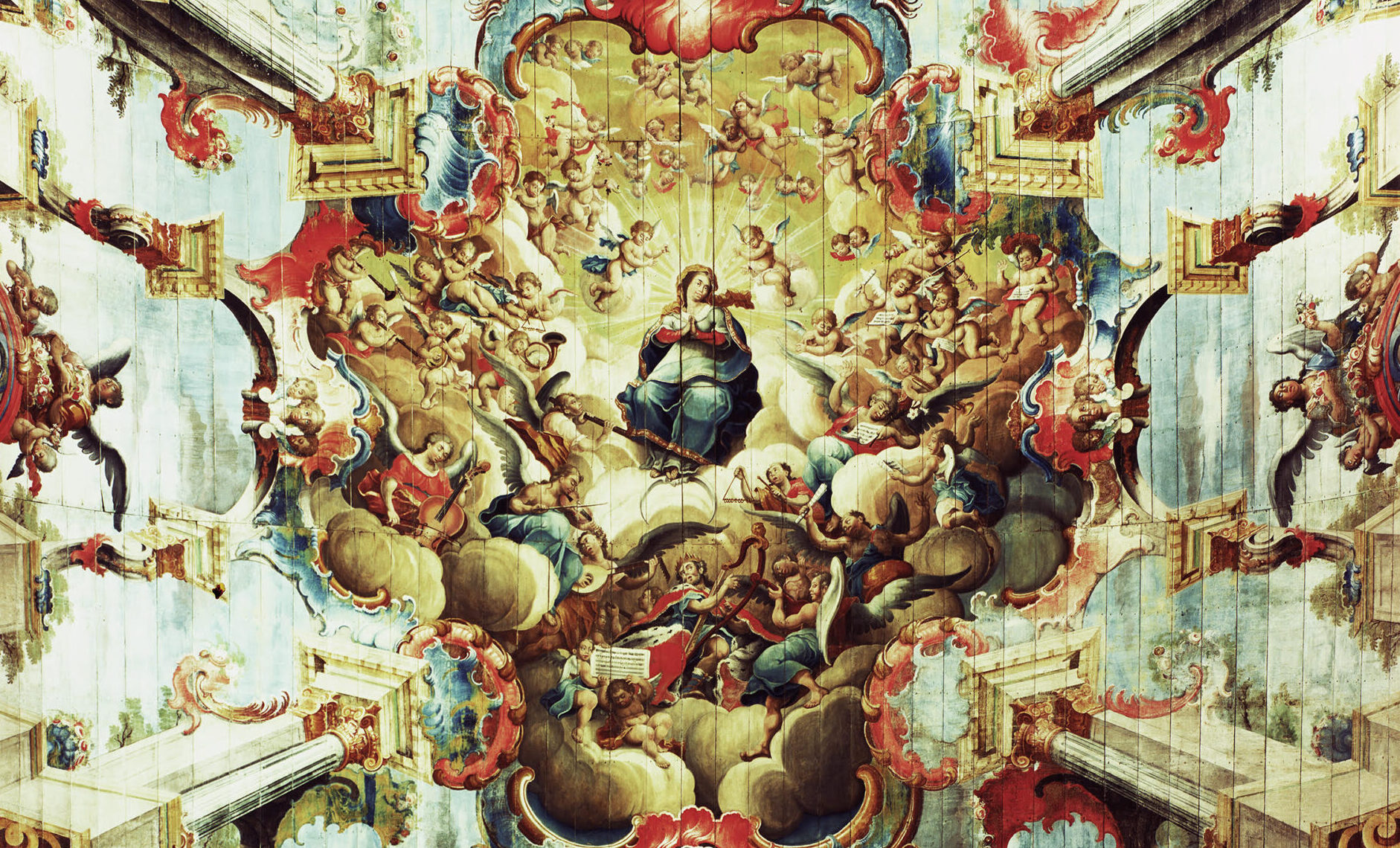
New Baroques: form and scar
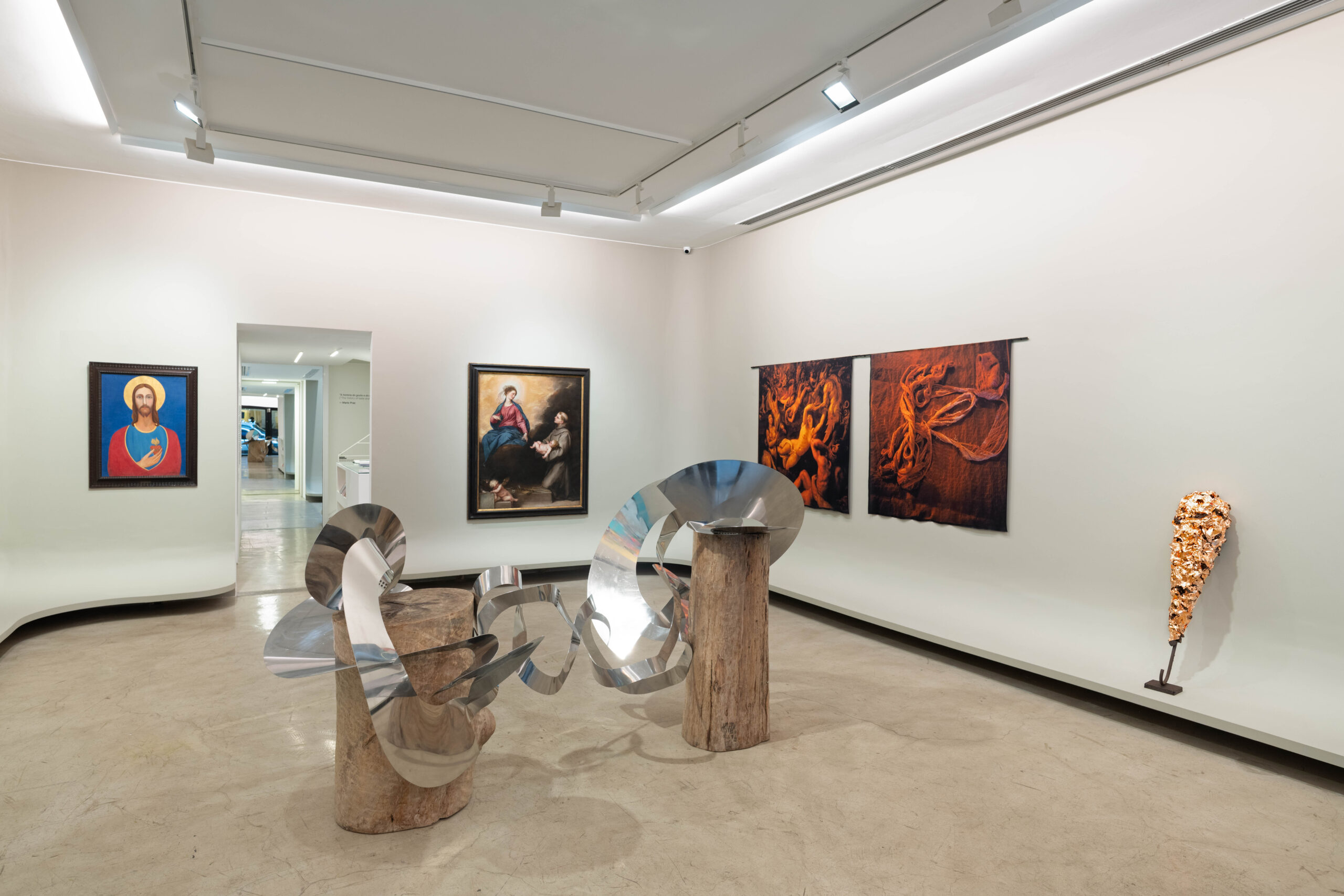
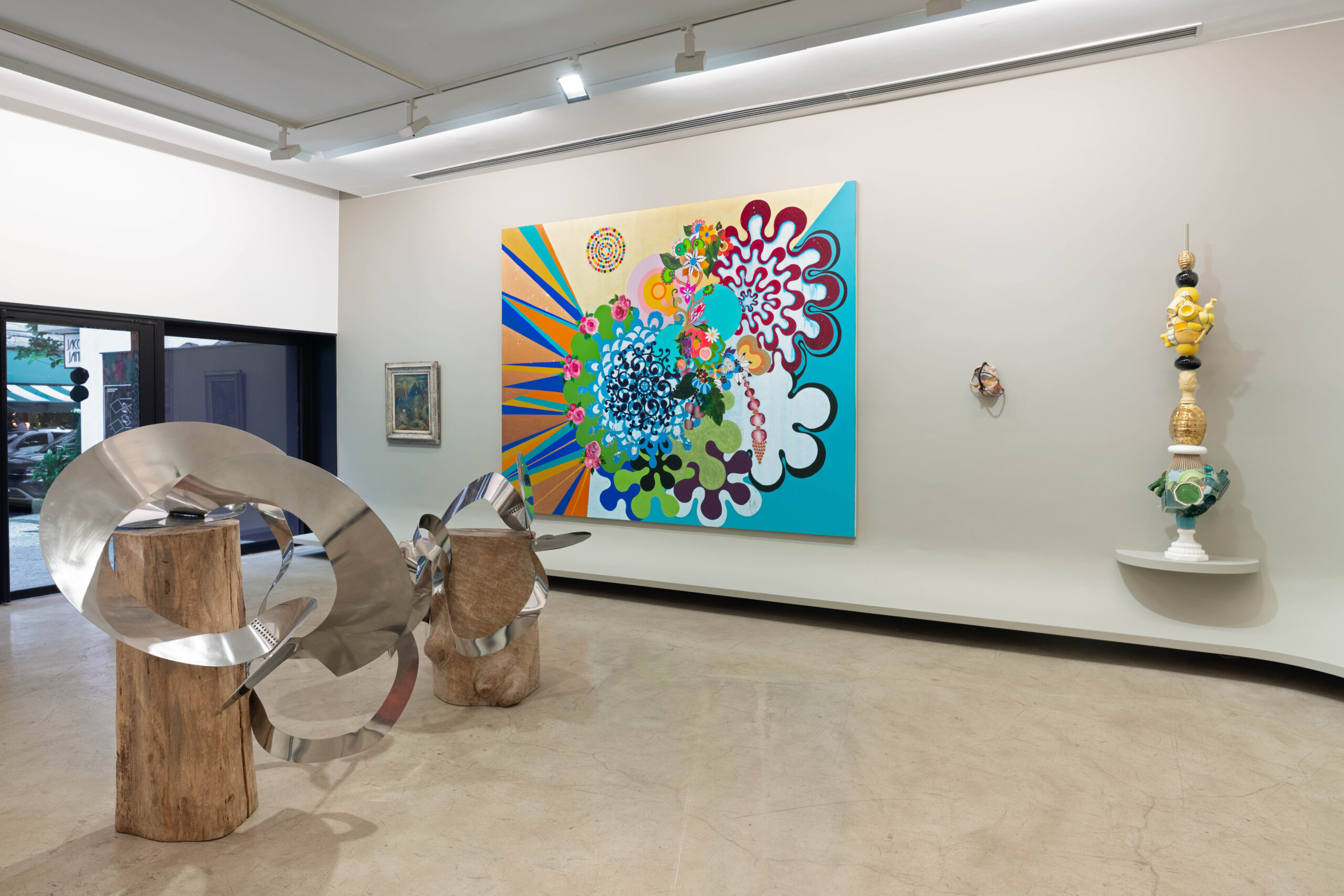
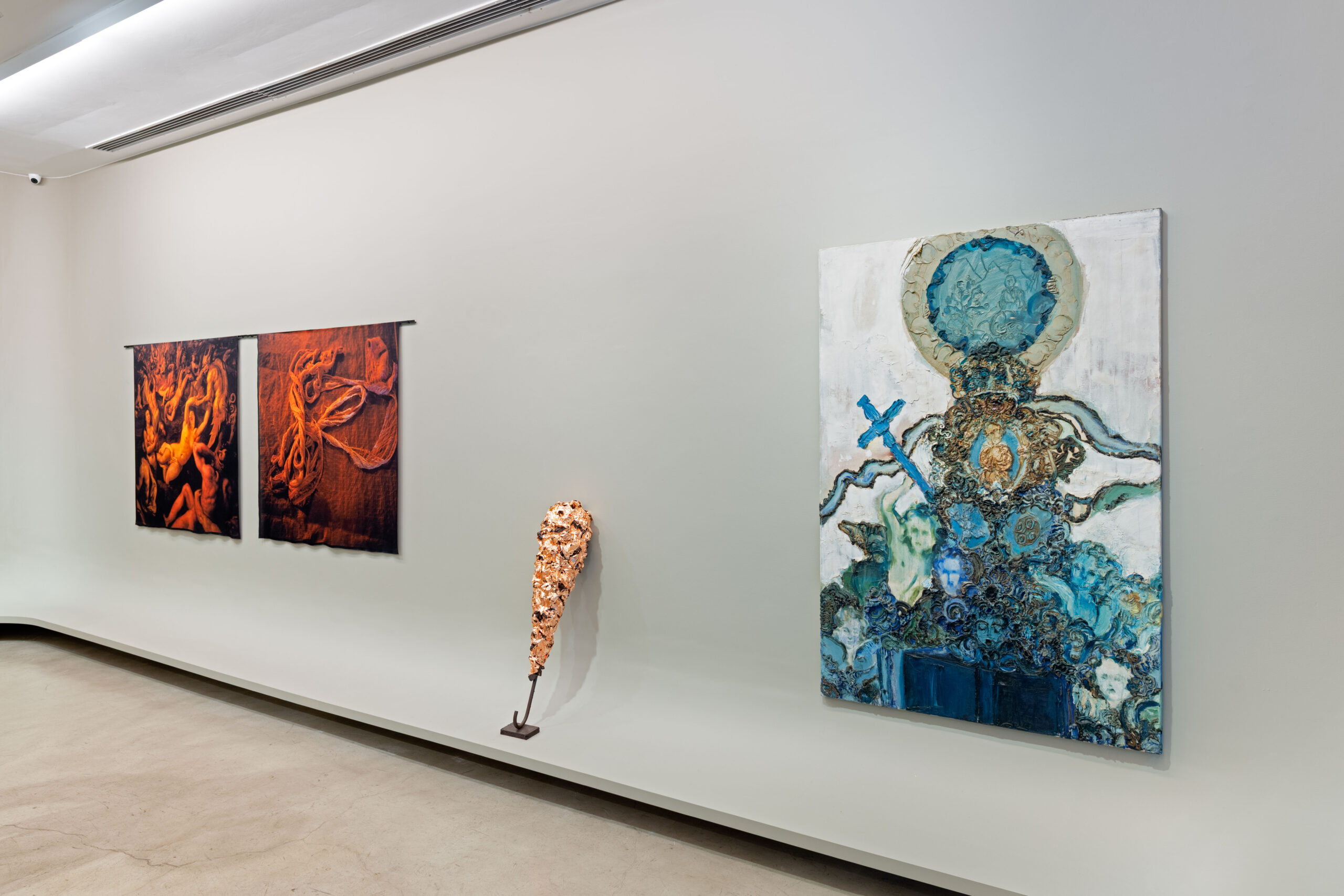
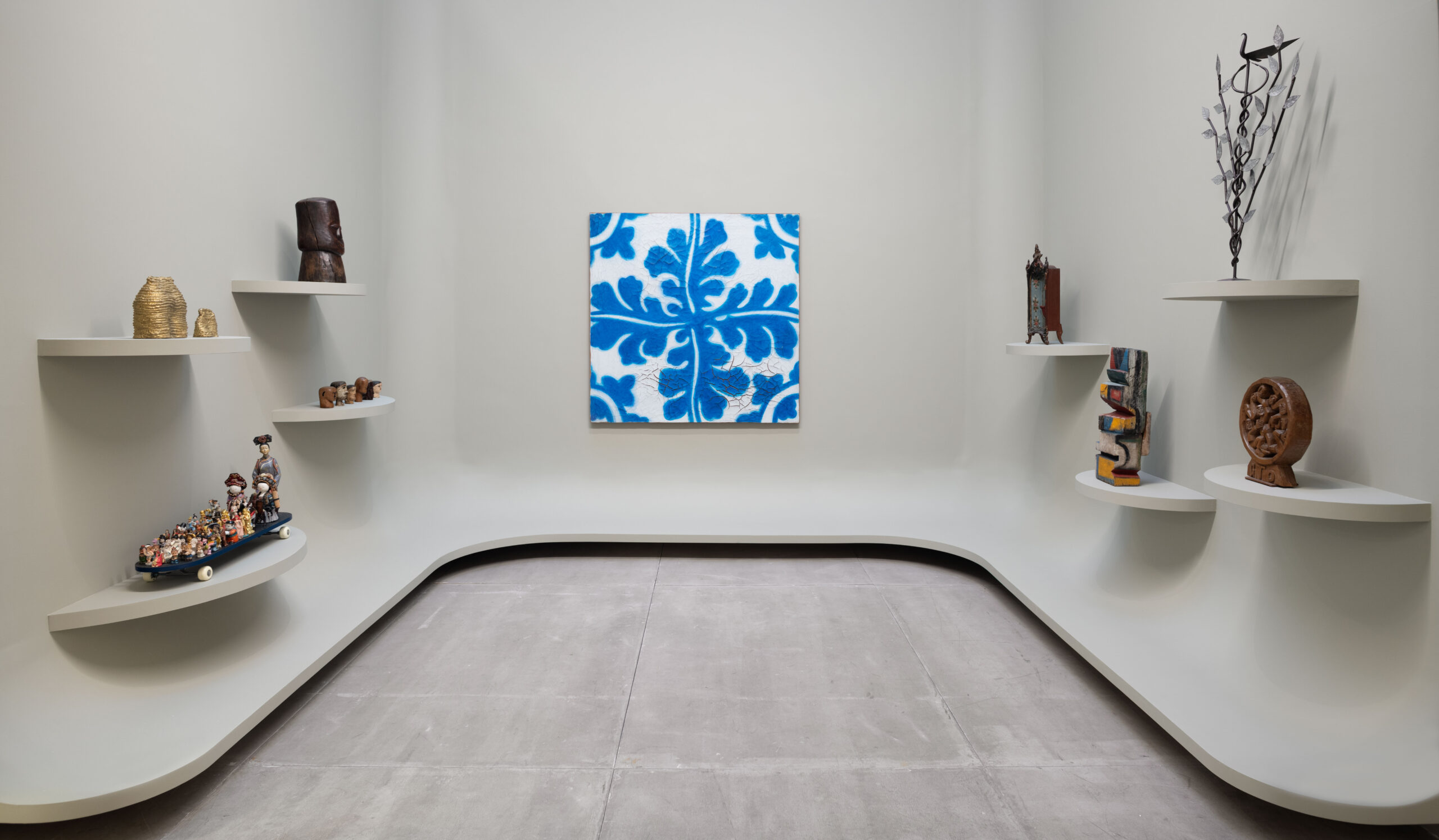
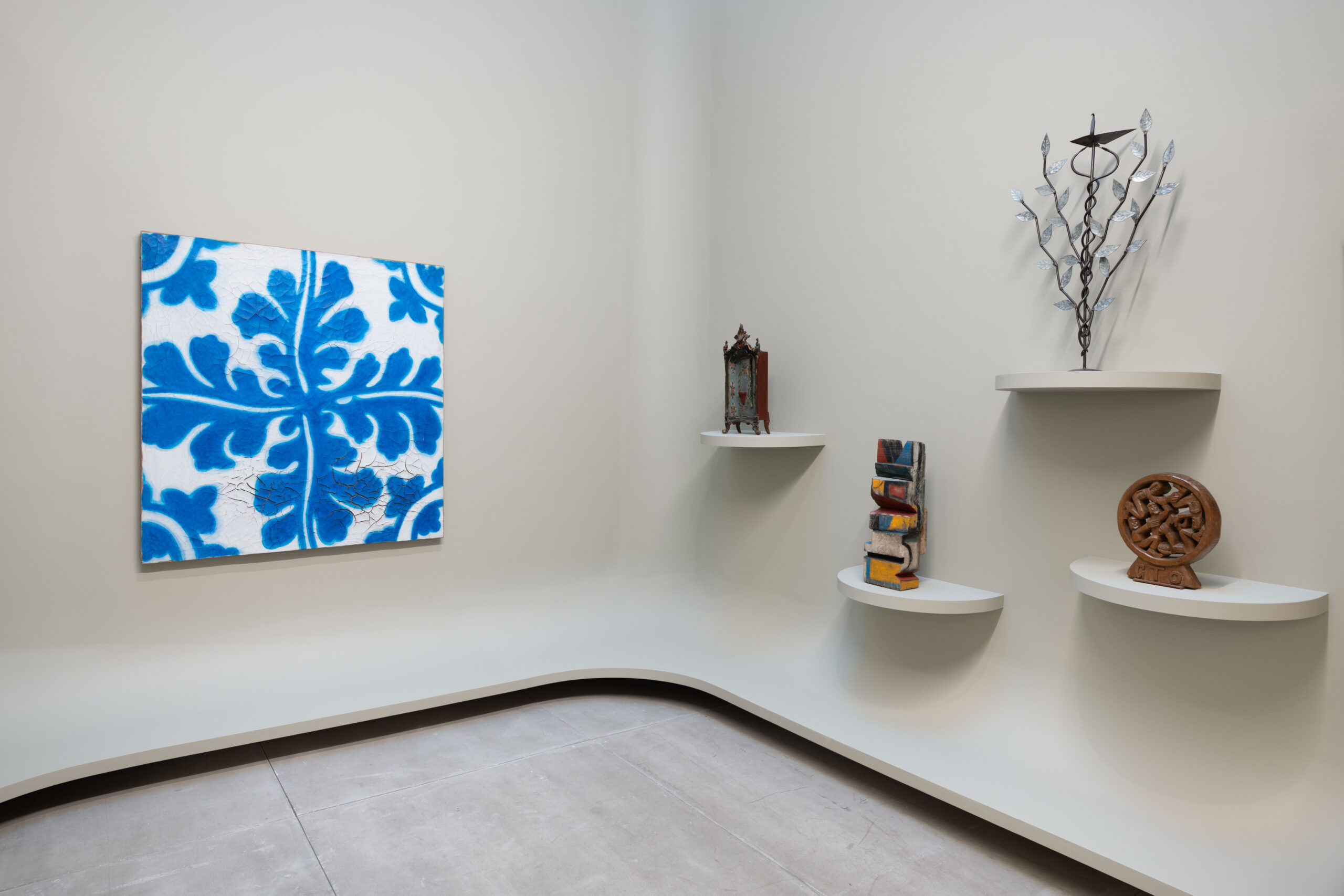
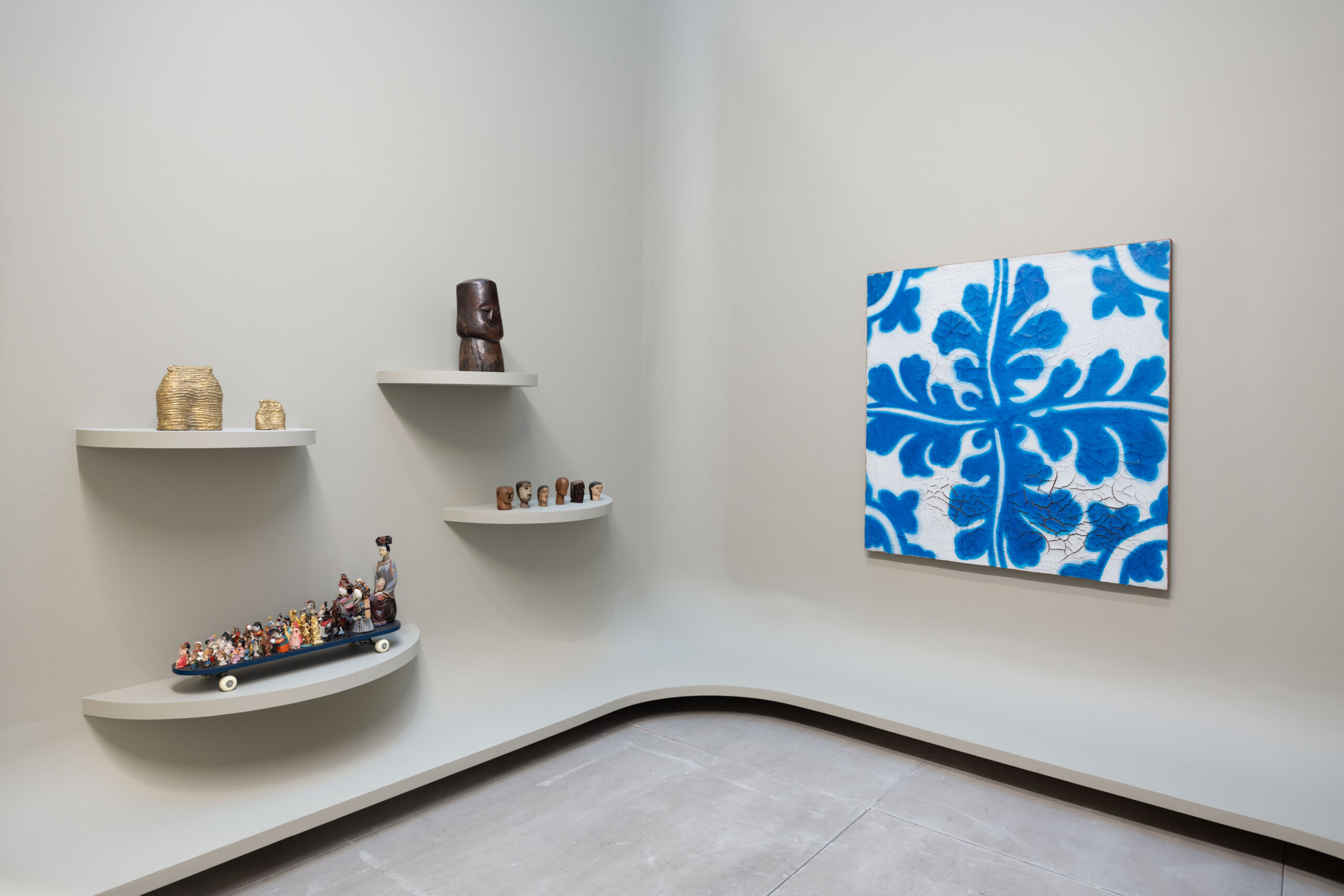
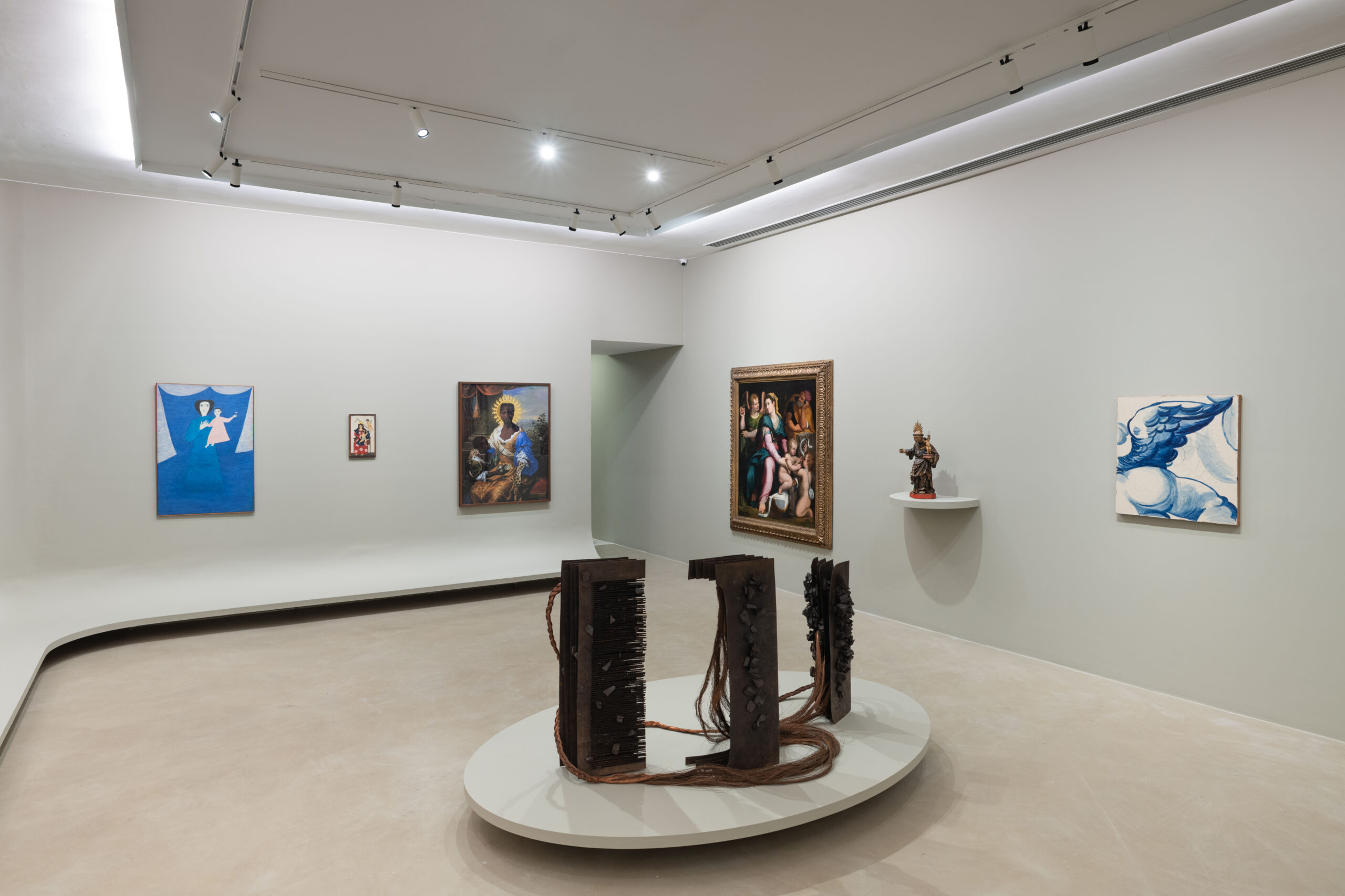
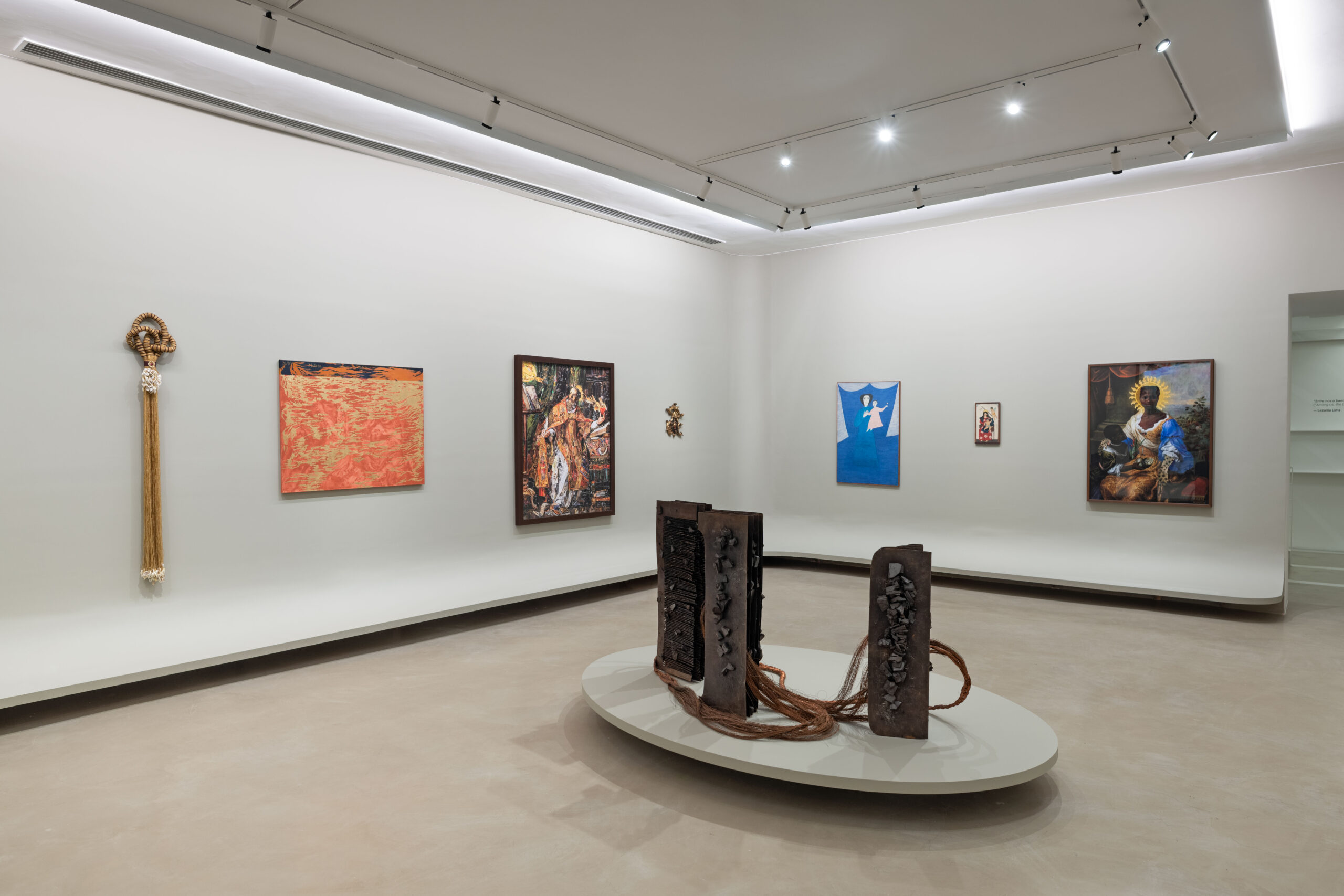
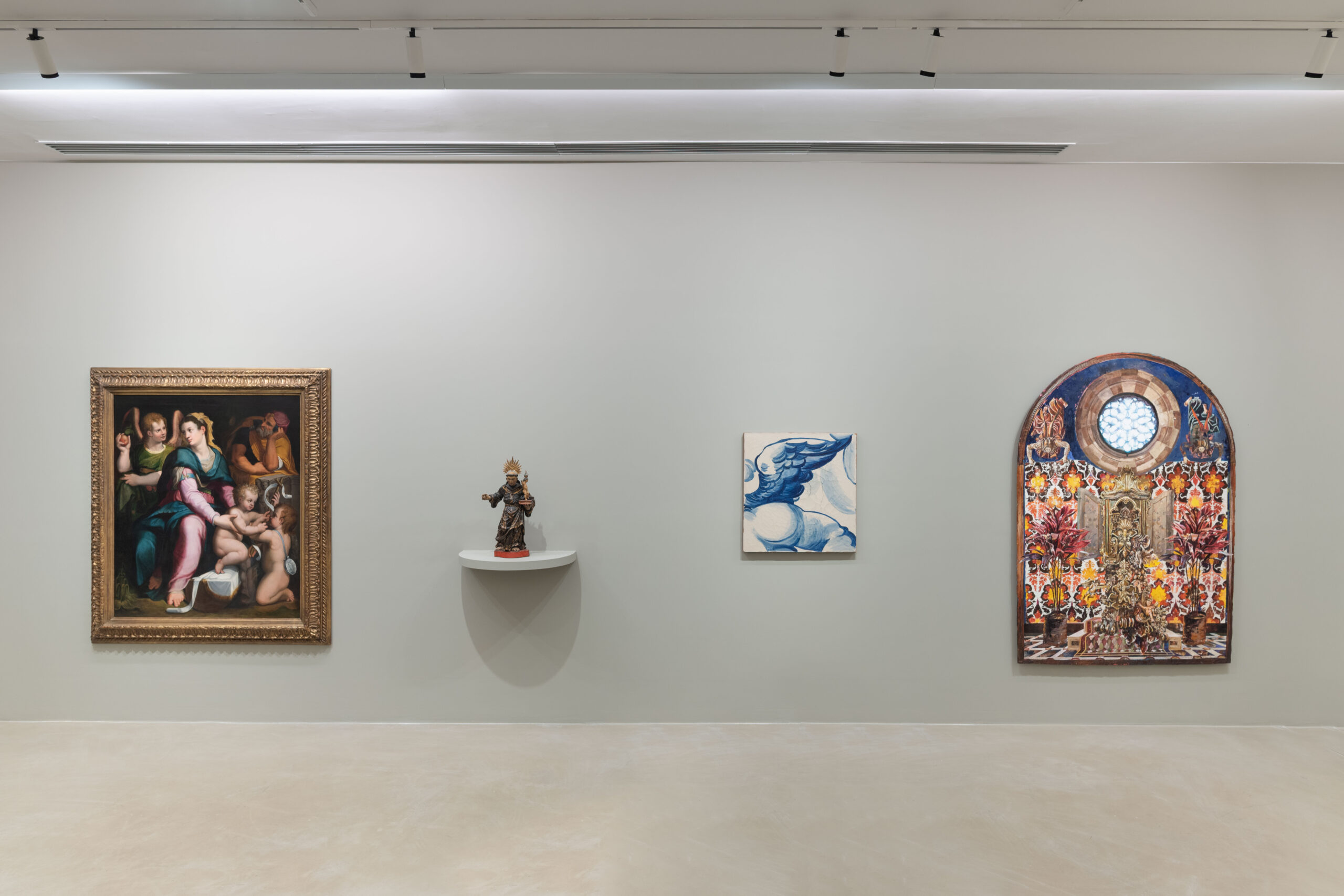
Curated by Lilia Schwarcz and with exhibition design by Daniela Thomas, the exhibition entitled New Baroques takes Brazilian Baroque as its starting point, considering it as a language of faith, power, and invention that developed between the 17th and 18th centuries in the context of Portuguese colonization, slavery, and the expansion of Catholicism. In the tropics, Baroque took on distinctive forms through the presence of African traditions in the working of gold, plaster, stucco, and devotional imagery, becoming a local creation marked by ornamental exuberance, theatricality, and the tension between splendor and violence. More than an artistic style, Baroque constituted a way of organizing the world and experiencing time, deeply embedded in the Brazilian landscape, religiosity, and visual culture. Throughout the exhibition, it will be possible to identify currents that bring different temporalities, geographies, and media into dialogue, bringing historical and contemporary practices into proximity.
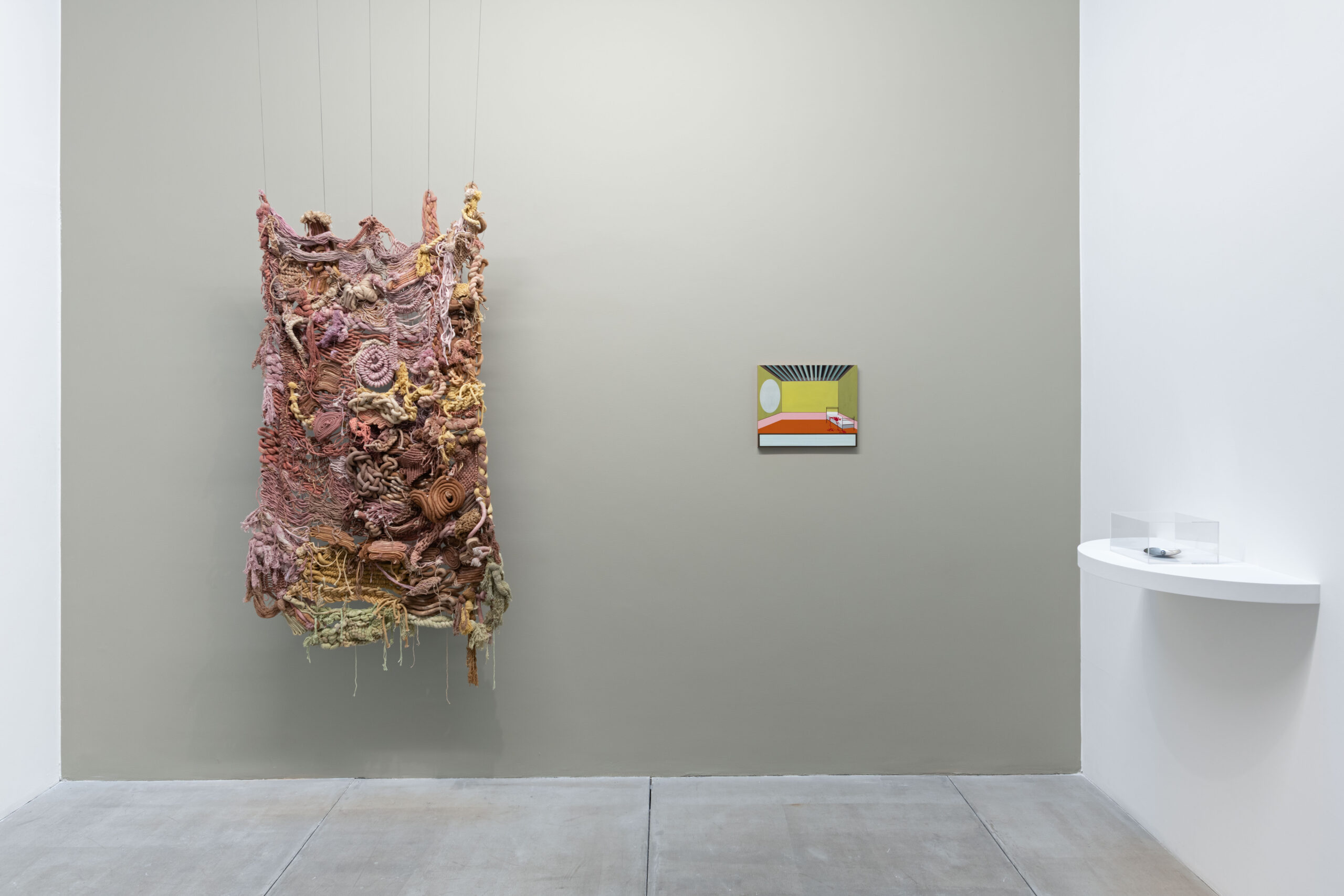
In the course of the exhibition, different elements approach the Baroque from multiple perspectives. Among them is a Baroque landscape that evokes curves, folds, luminous contrasts, and dramatic perspectives. Devotional saints, meanwhile, draw upon religious imagery rooted in the Portuguese Catholic tradition. Ex-votos also emerge as important elements, offering a glimpse into the votive objects that have been part of Brazilian visual culture since the colonial period, serving as forms of promise, healing, gratitude, and survival. This is complemented by the presence of Baroque altarpieces and domestic oratories. There is also a wide range of works that engage with the Baroque dimension less directly, yet in equally meaningful ways. Fabrics, folds, stitches, materials, and ornaments establish oblique connections with Baroque visuality.
By bringing historical and contemporary works into dialogue, New Baroques proposes thinking of the Baroque not as a crystallized legacy, but as a language that remains alive in Brazil. Present in cities, bodies, religiosity, and art, the Baroque persists as a way of experiencing time and organizing affect, simultaneously encompassing exuberance and inequality, ornament and violence. Contemporary practices revisit this tradition, reinscribing it through new scales, readings, and materialities.
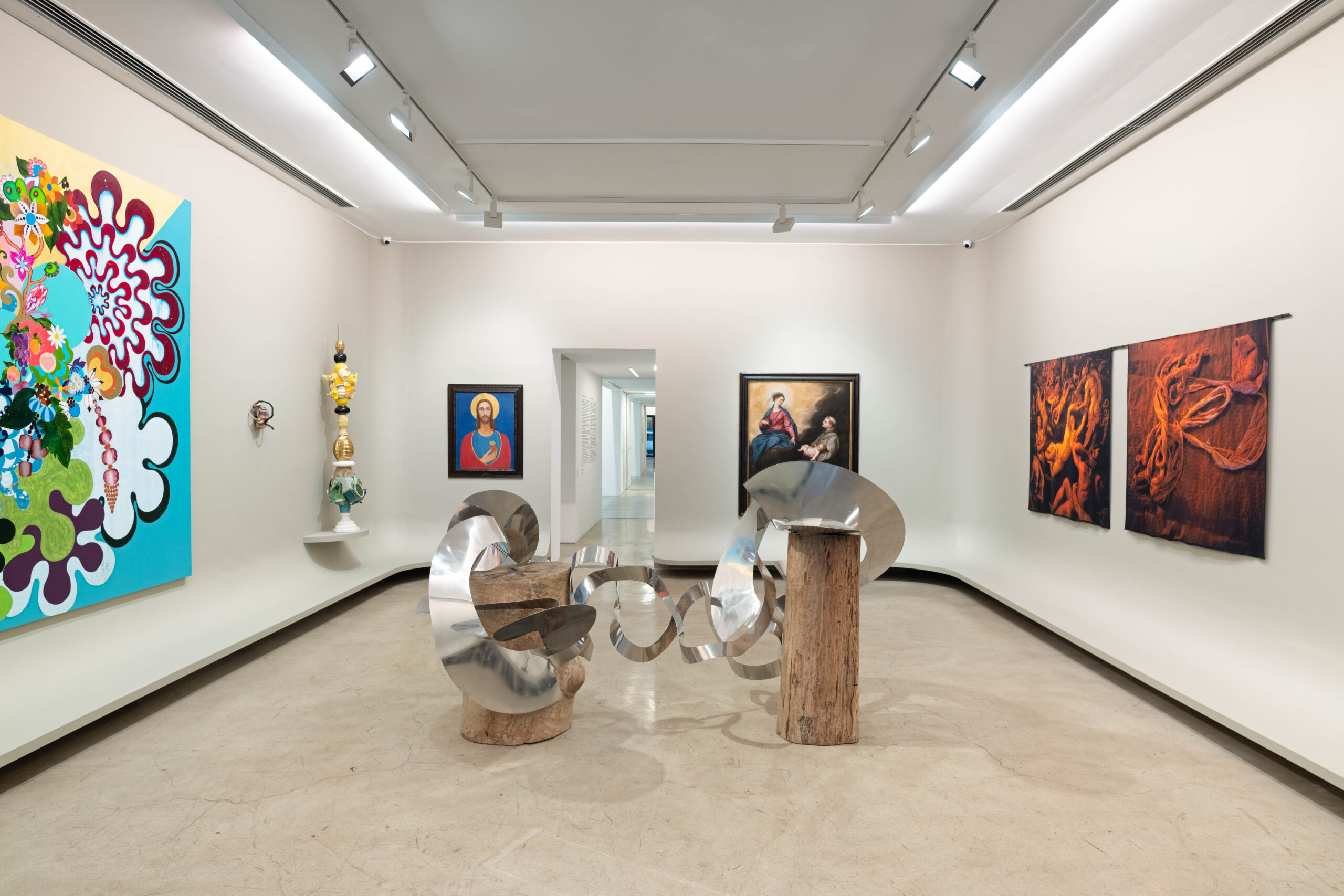
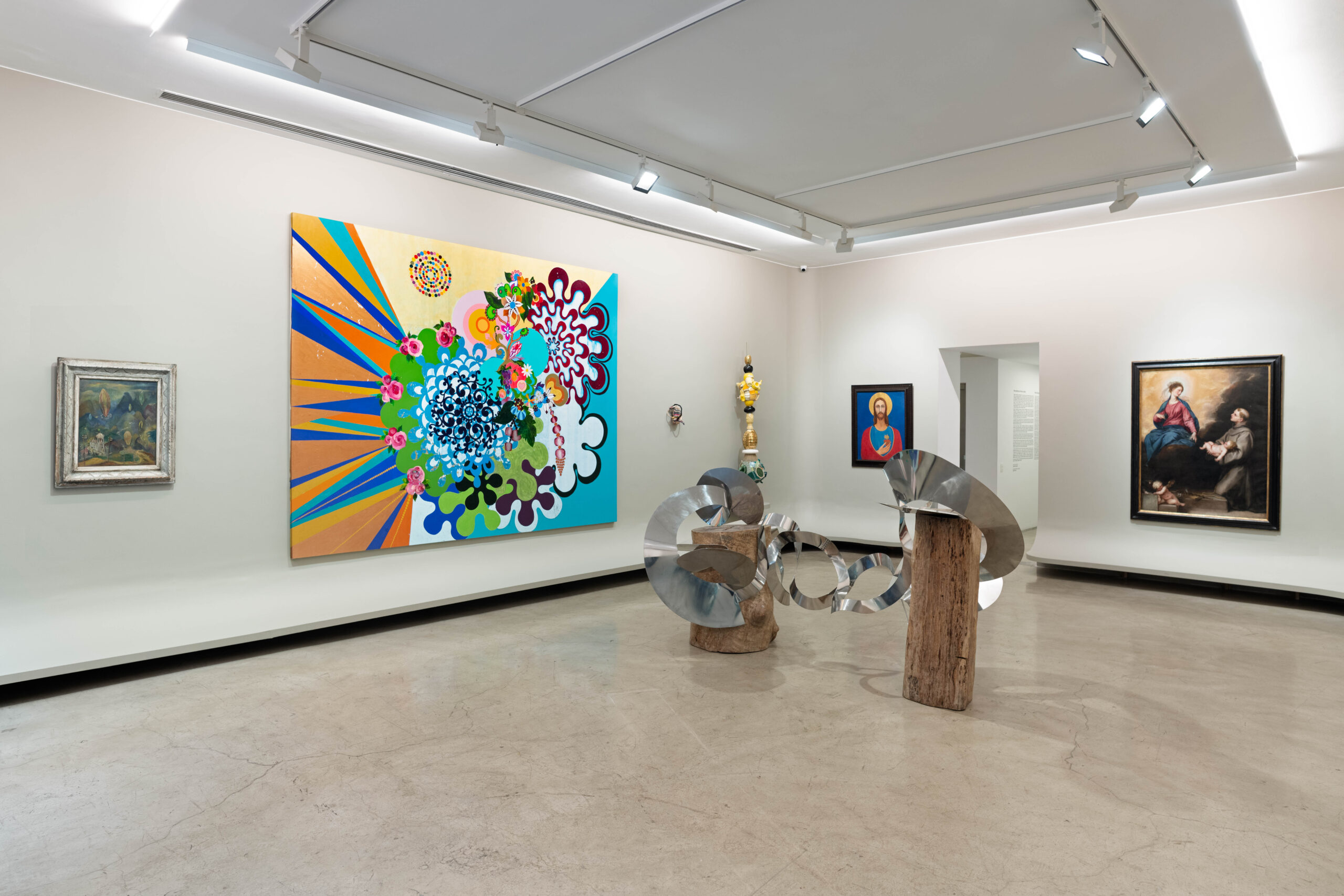
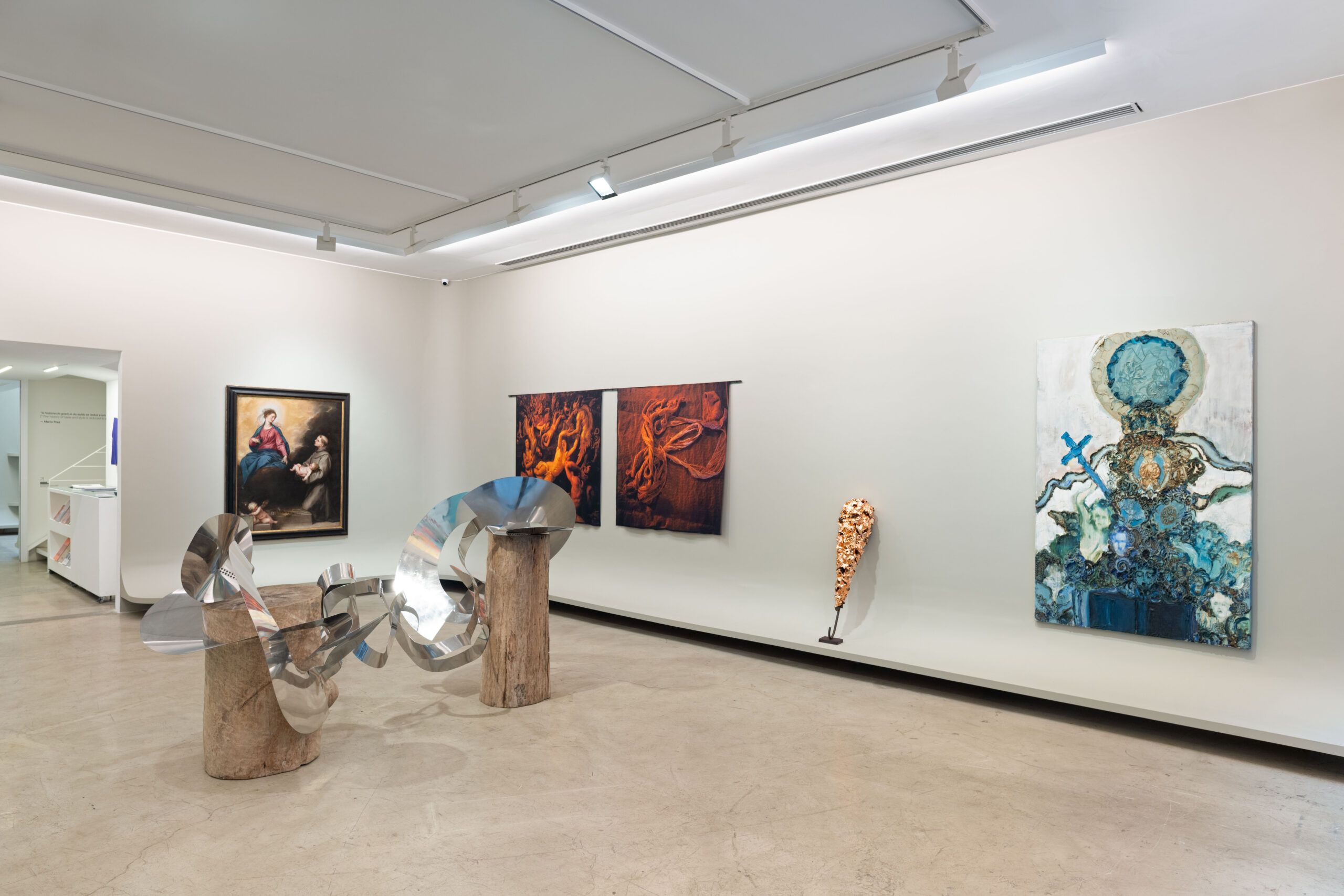
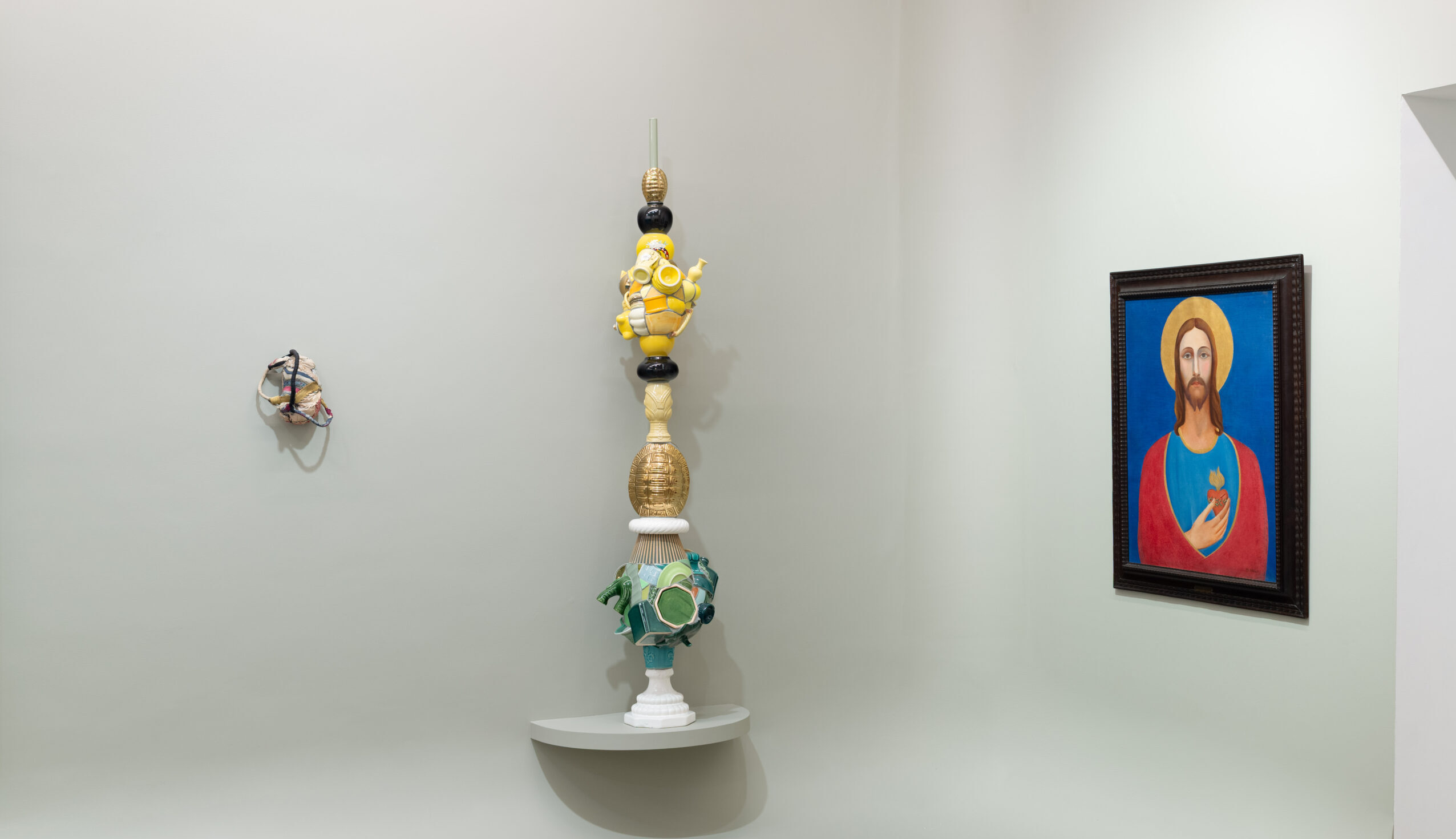
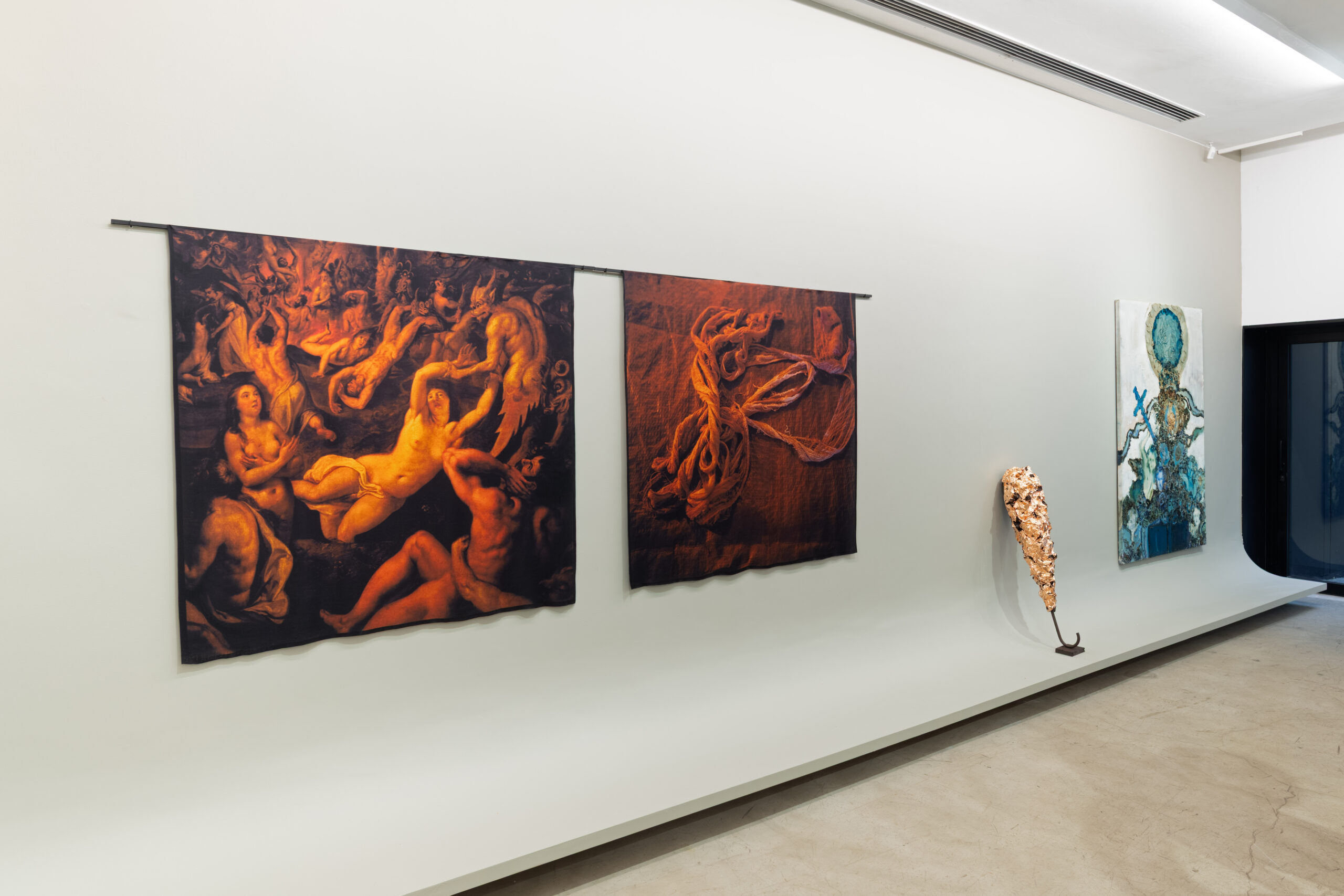
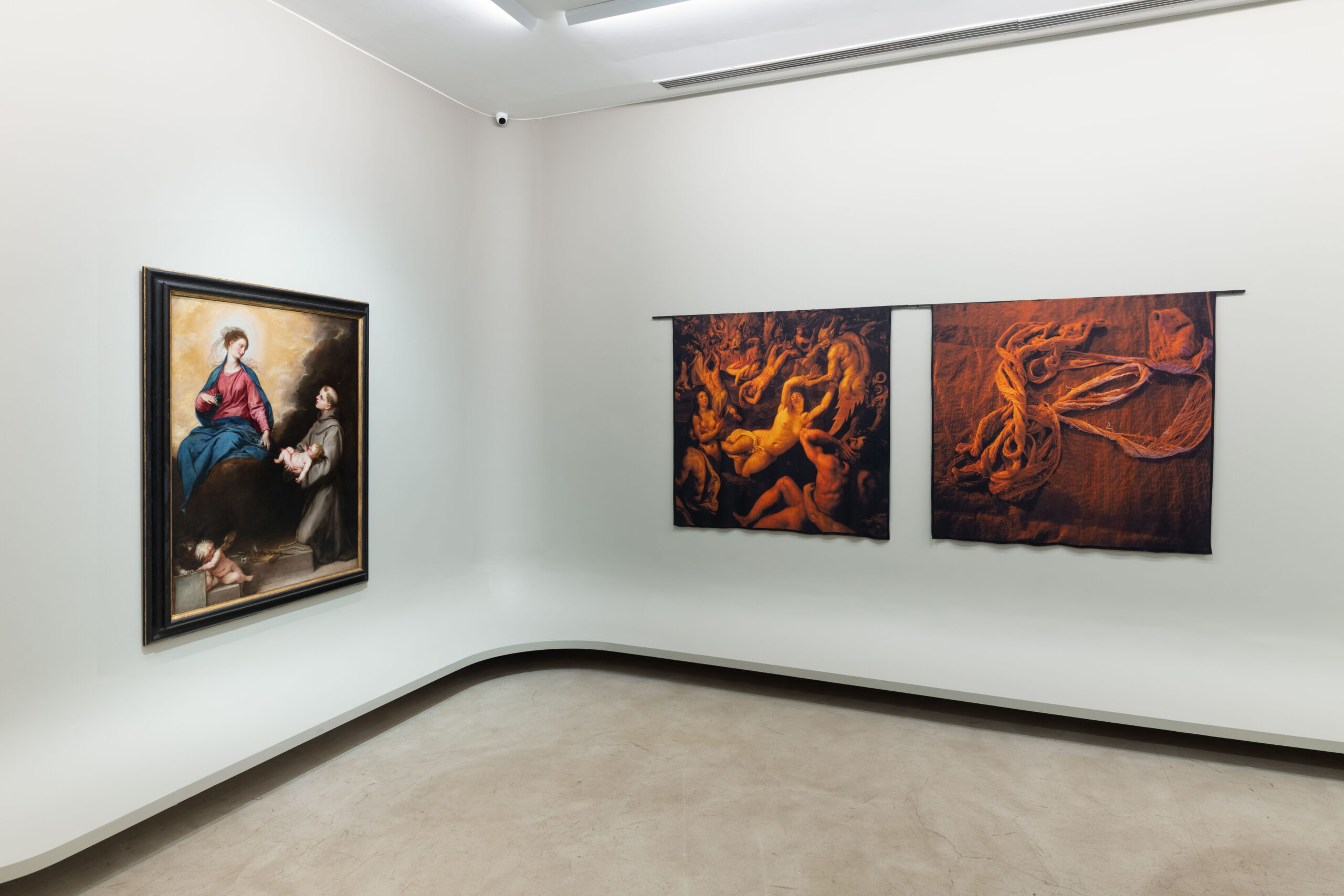
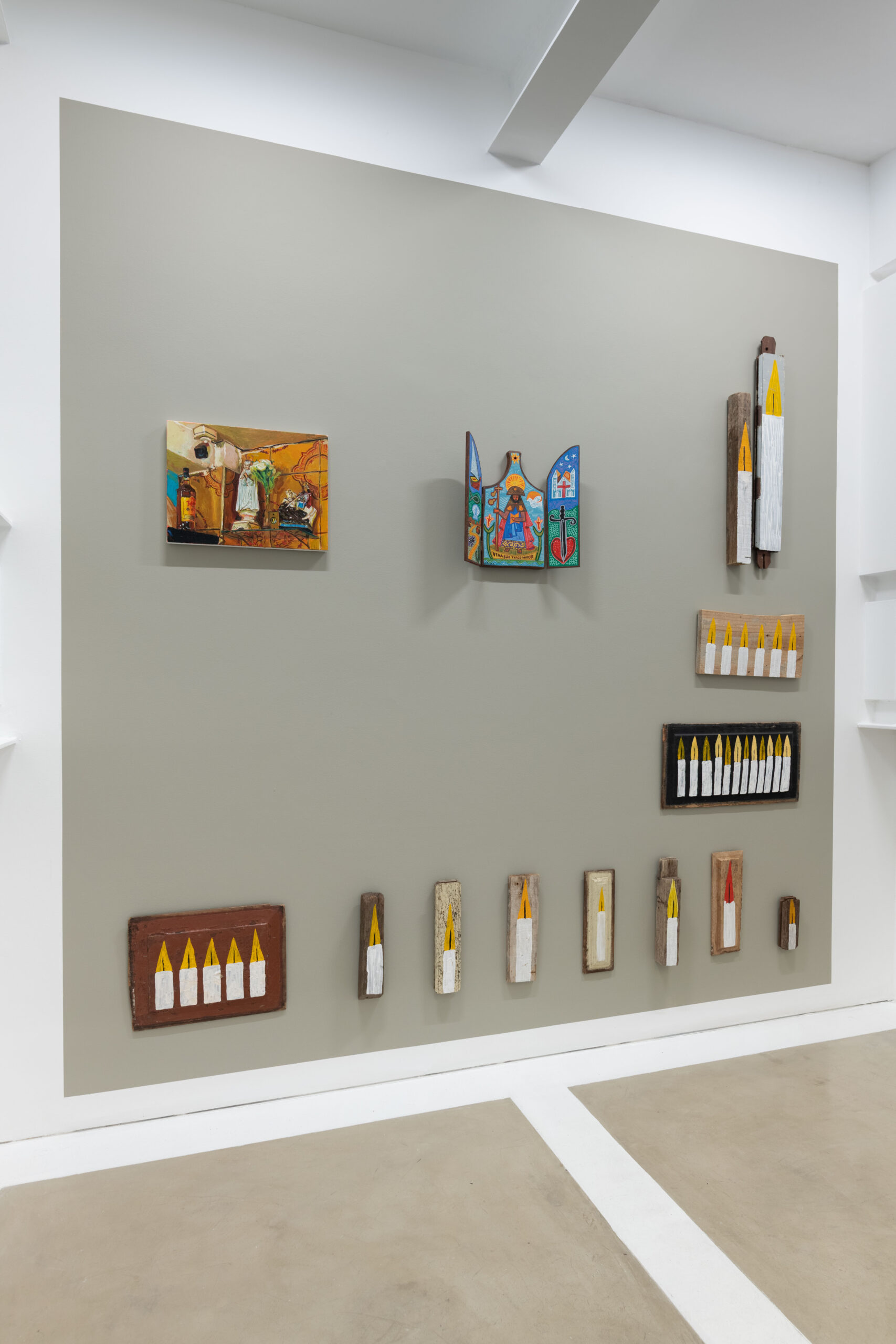
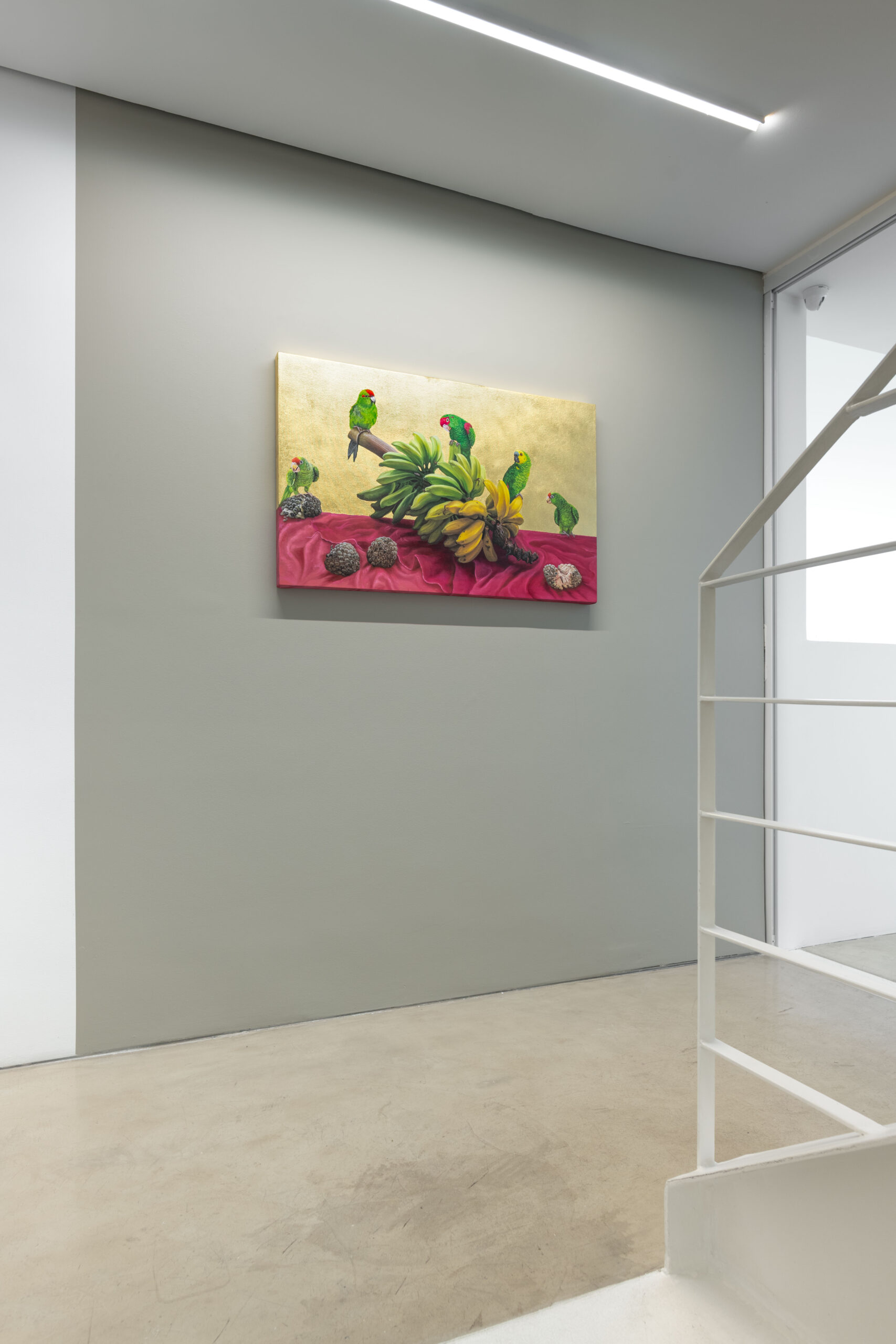
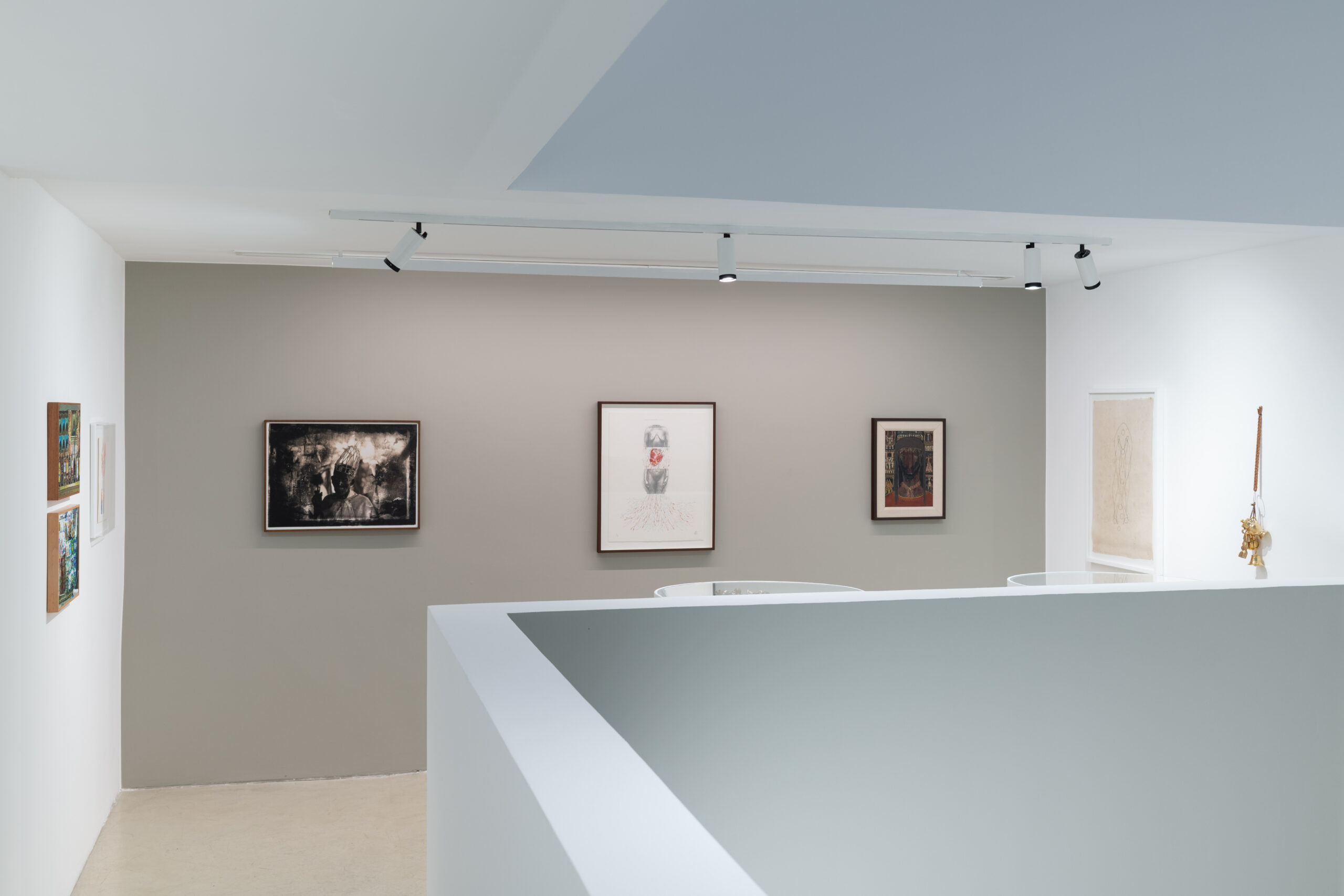
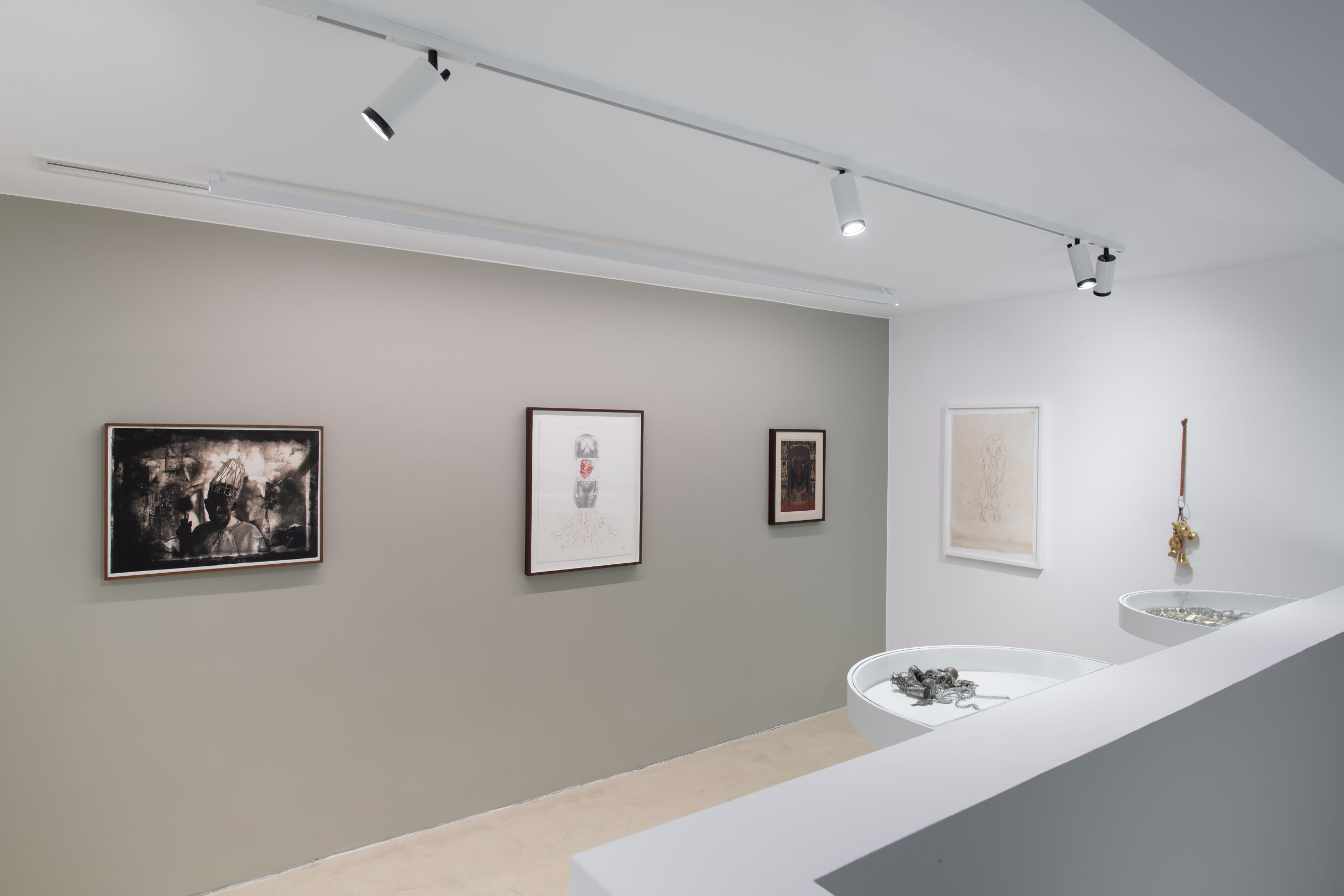
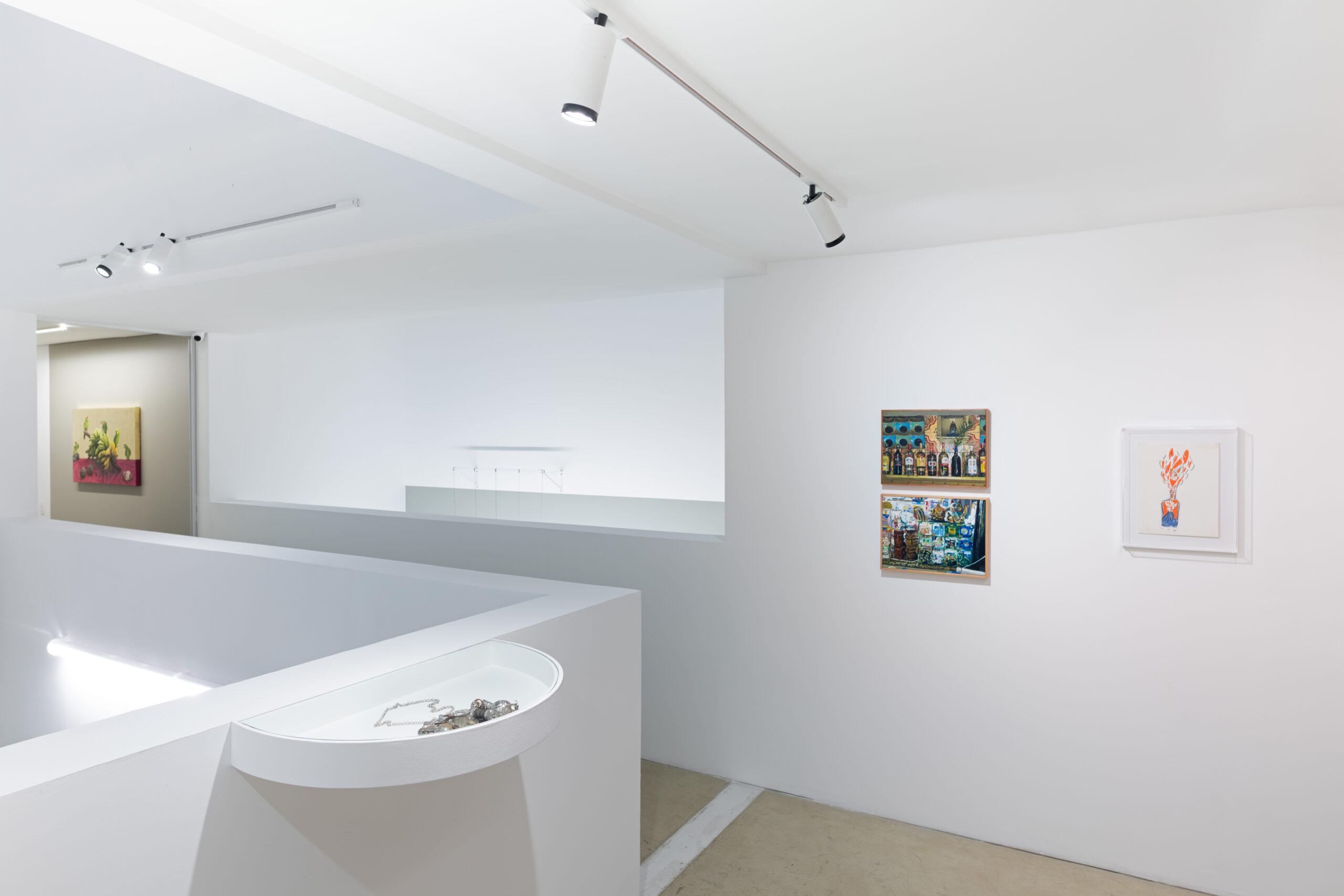
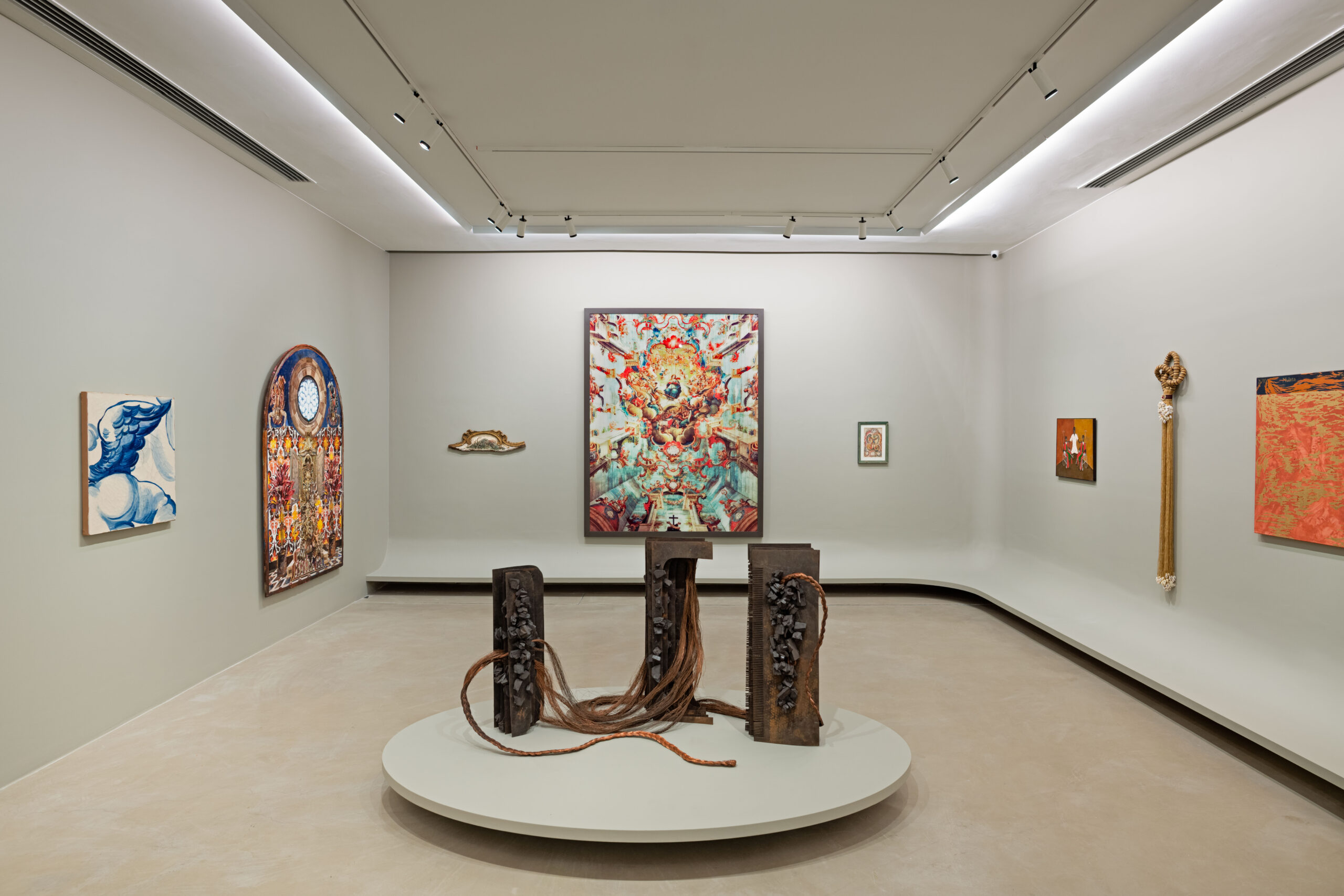
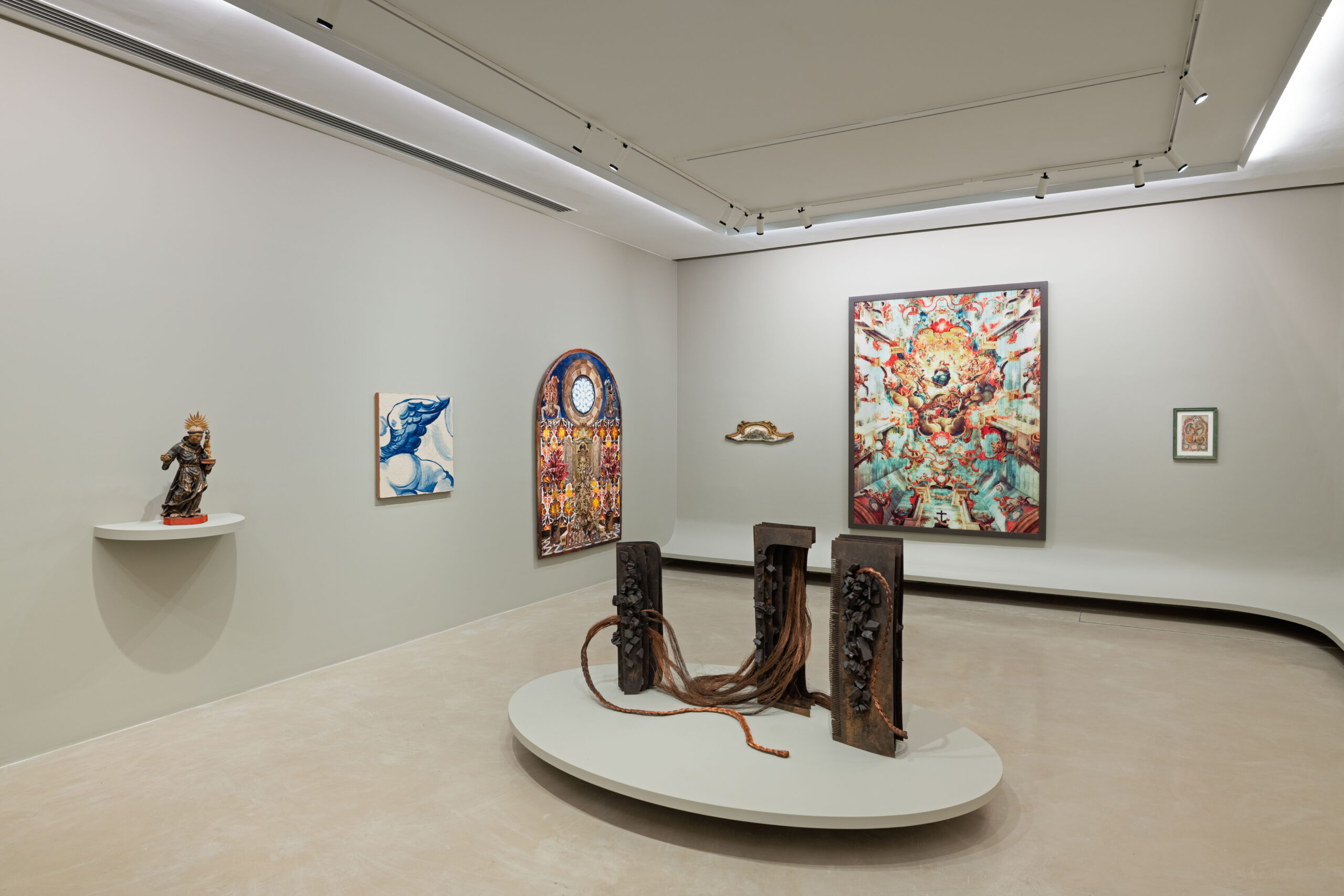
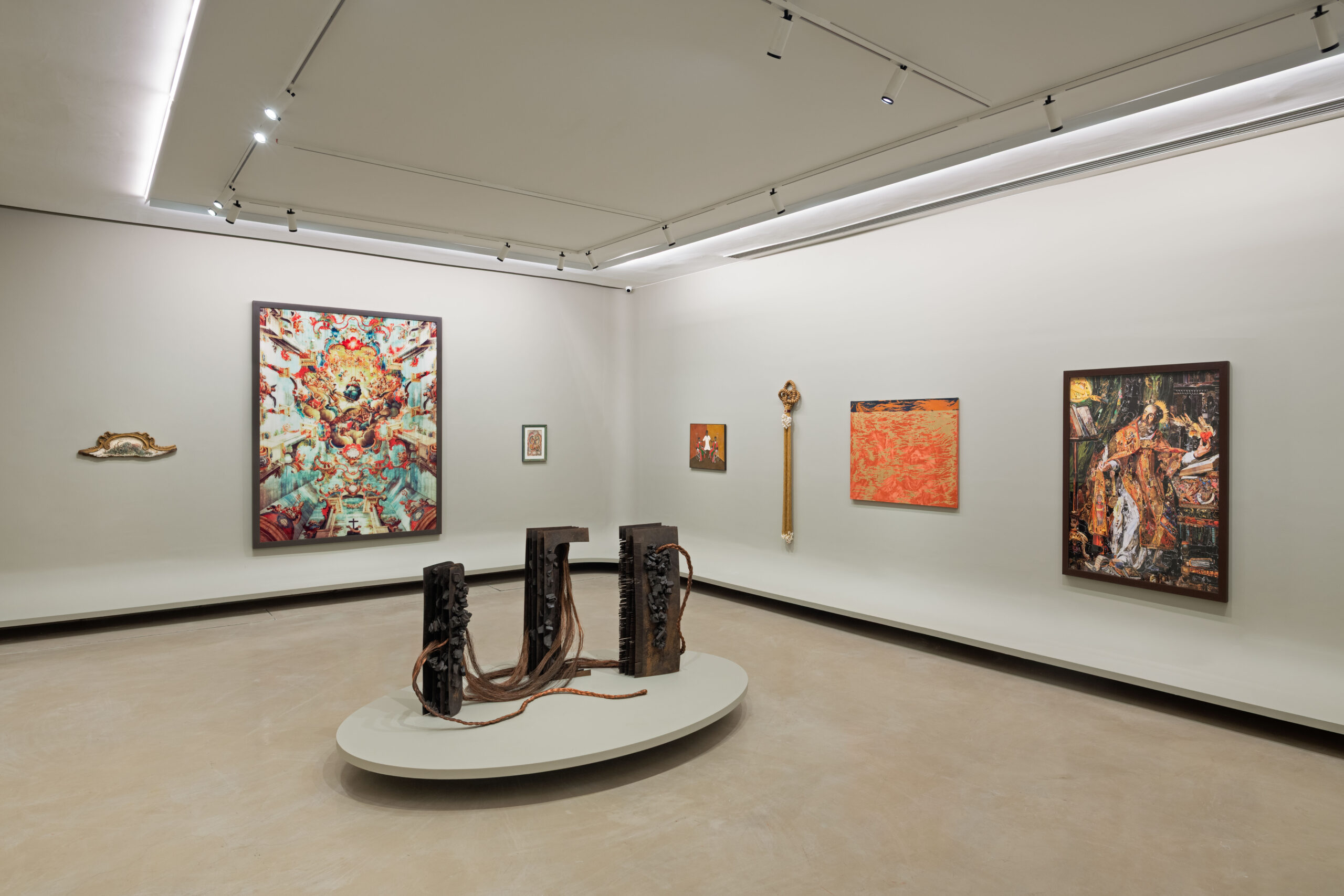
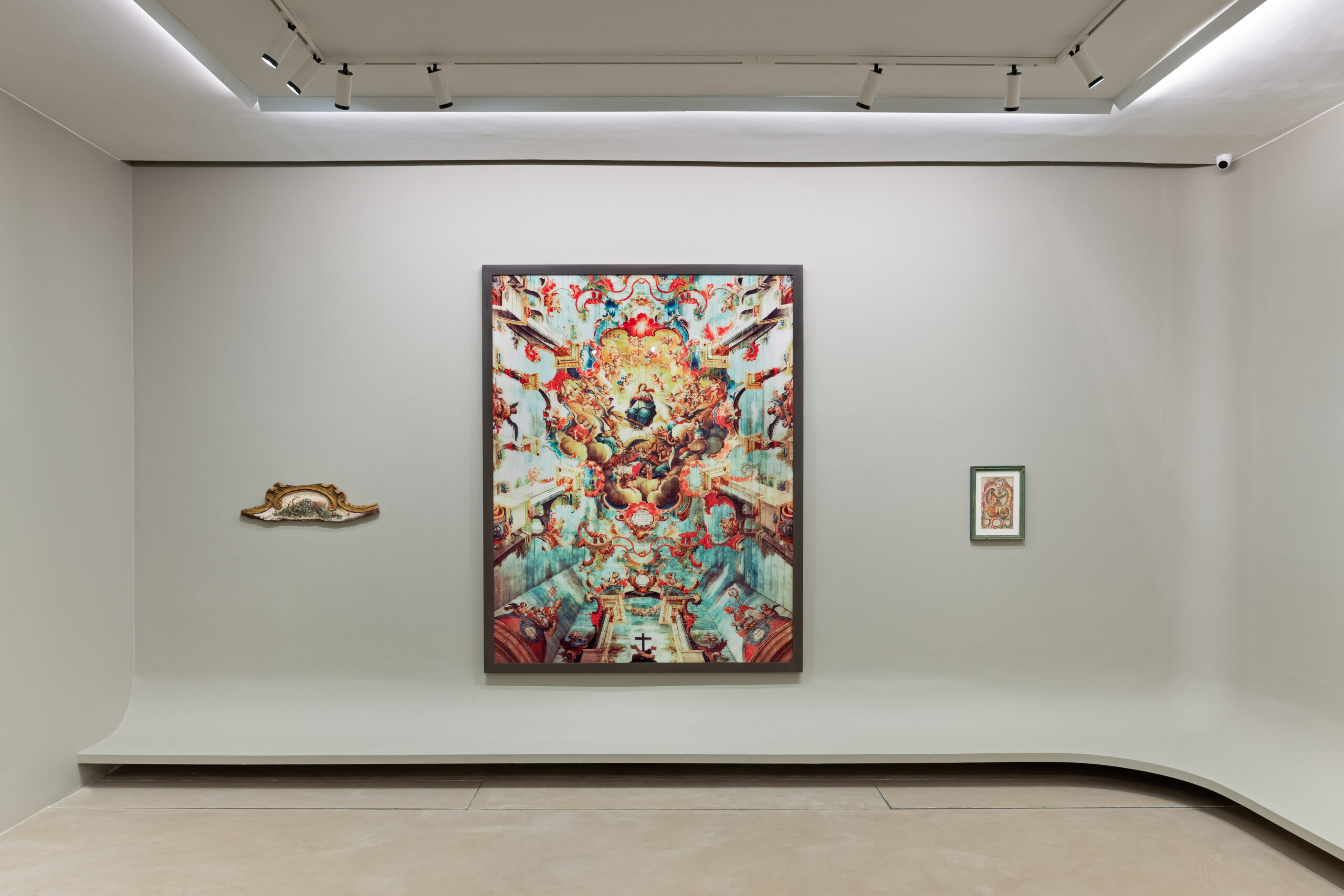
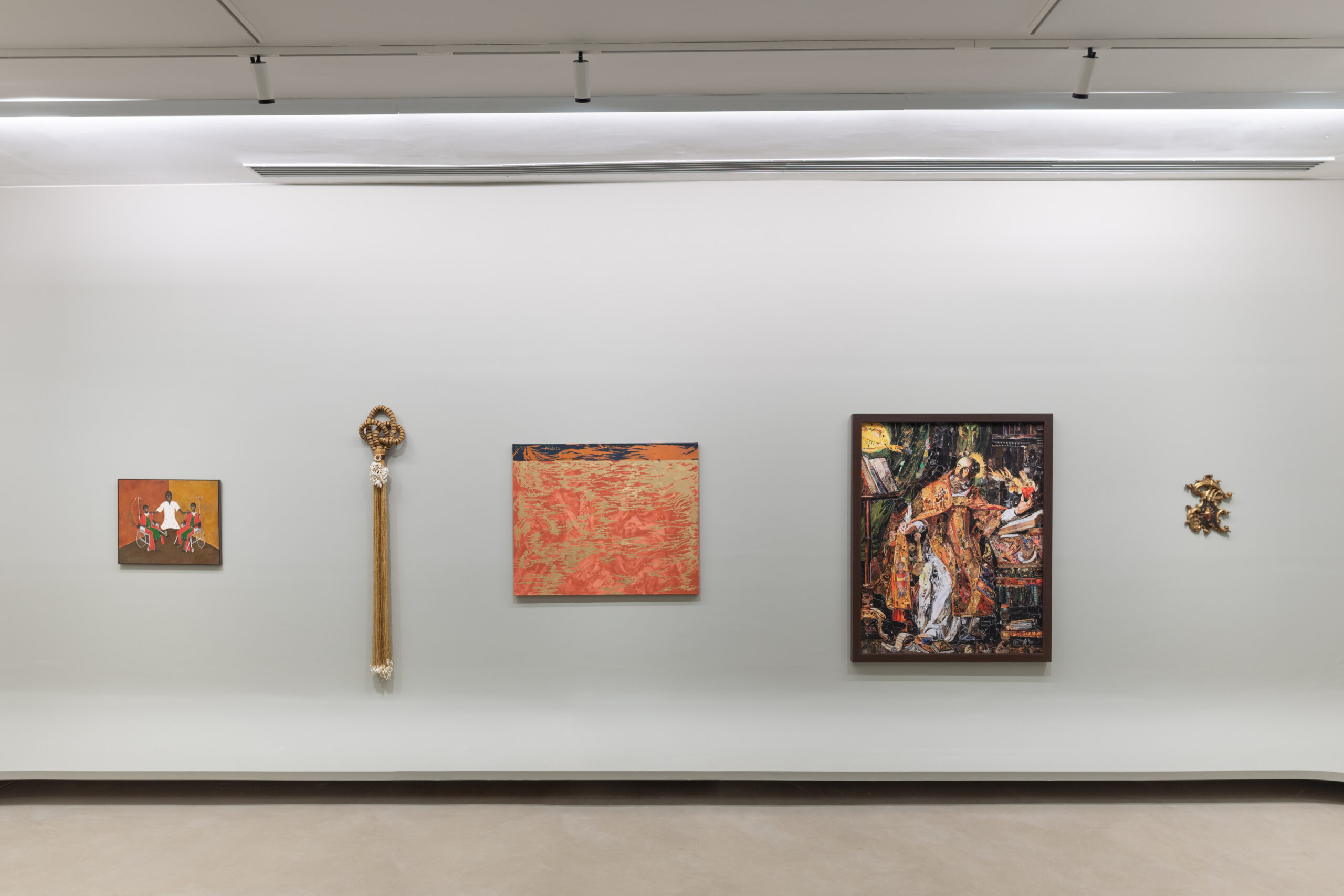
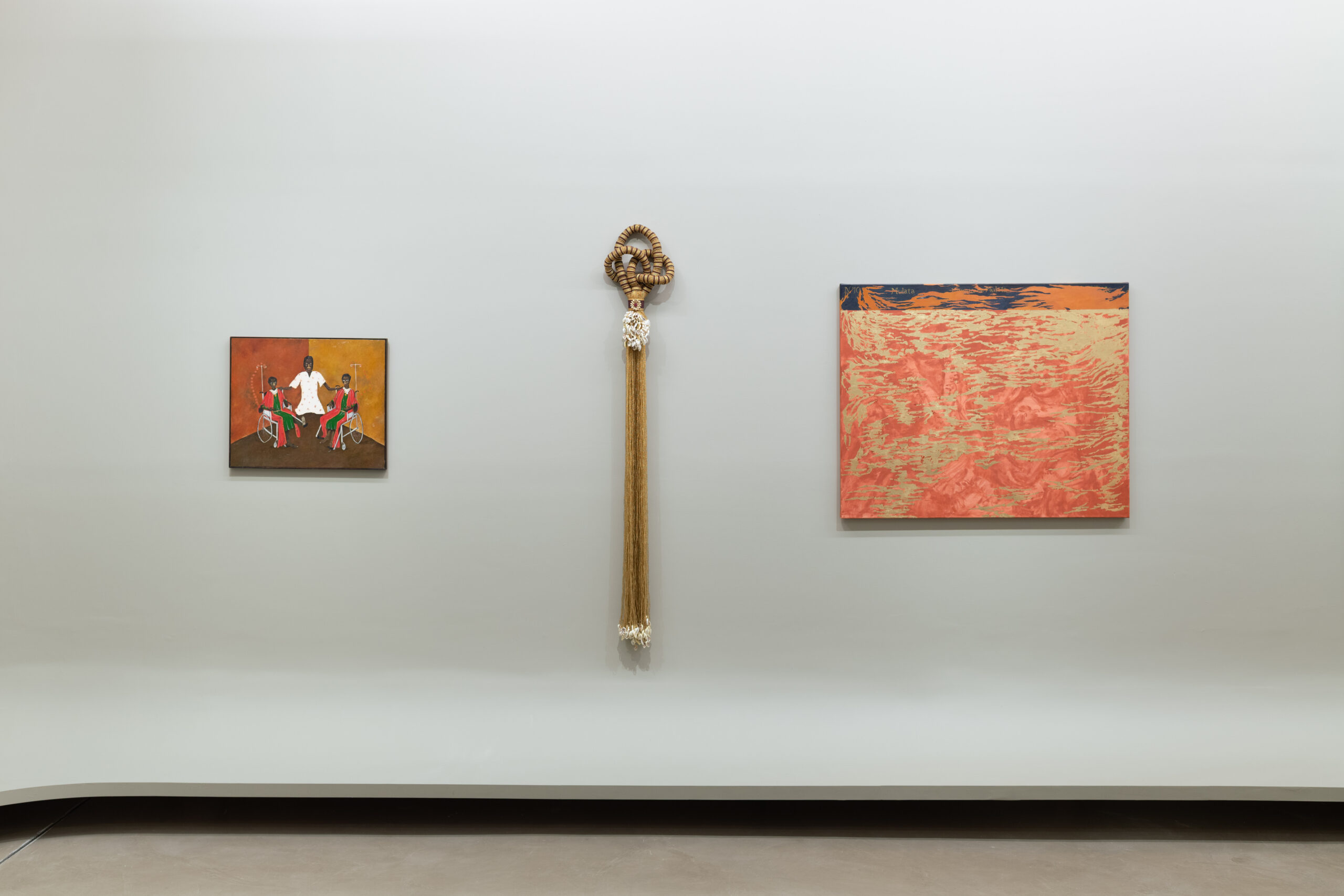
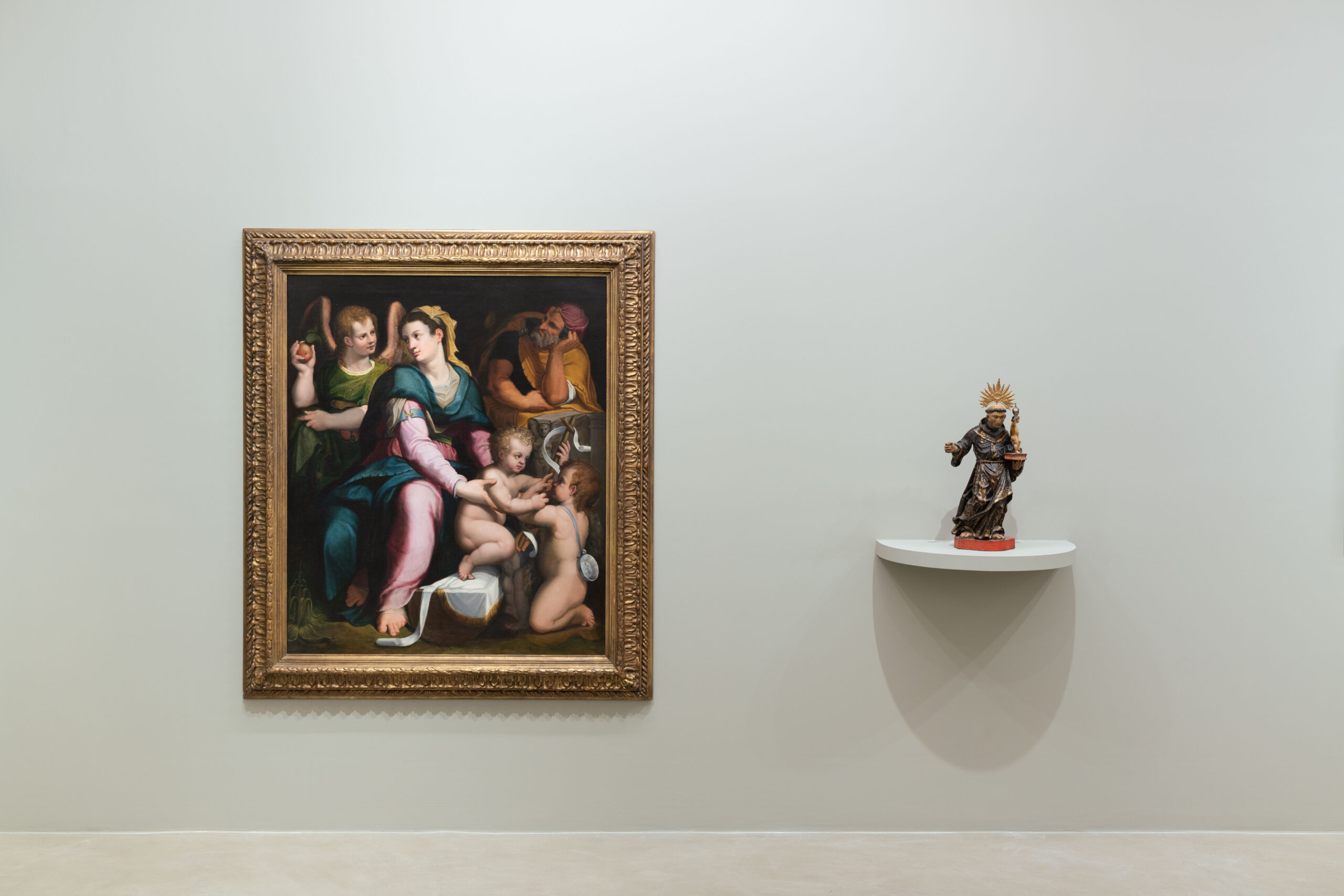
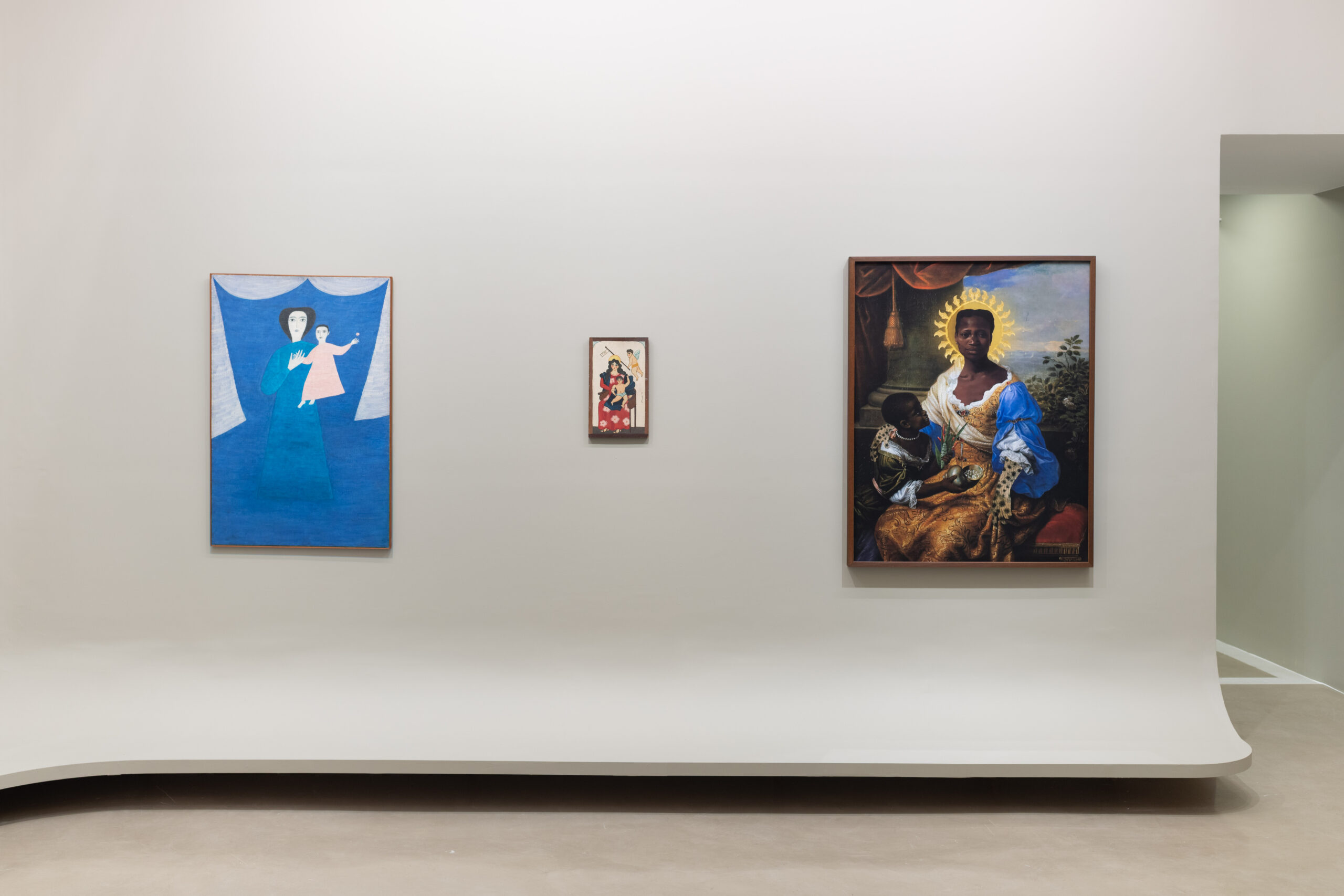
WORKS
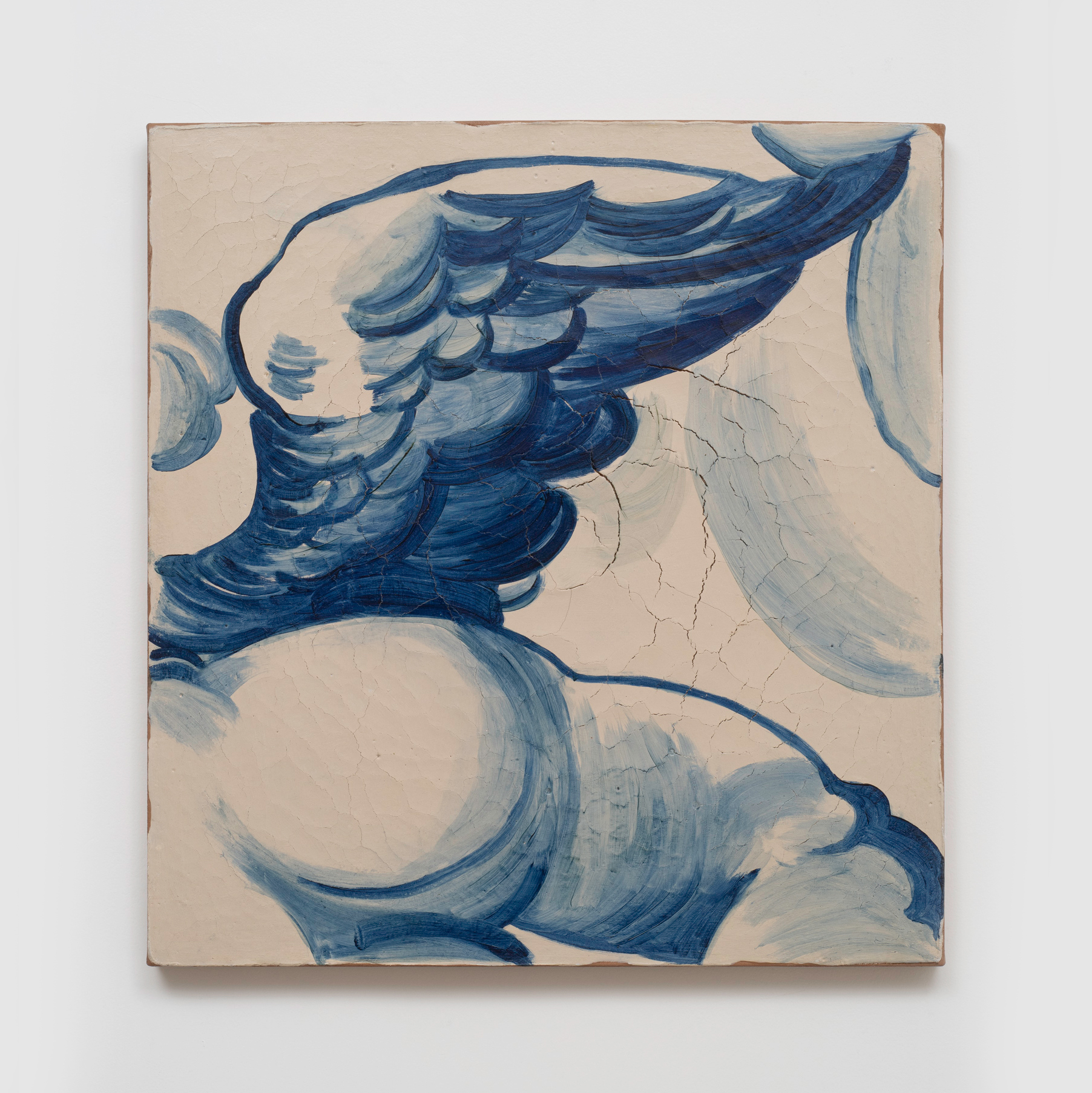
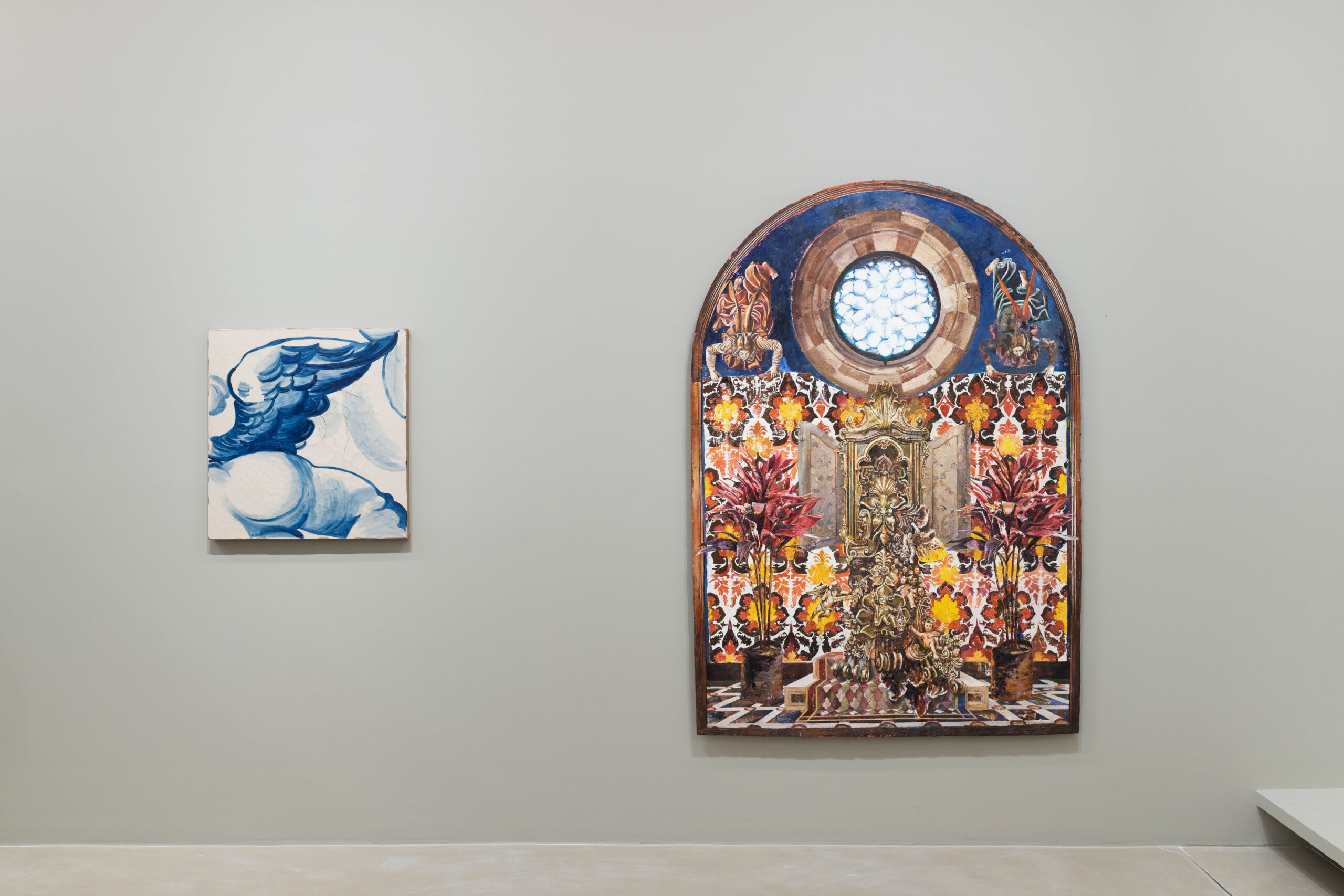
Adriana Varejão
Fragmento de anjo, 2000
oil and plaster on canvas
29 1/8 x 27 1/2 in
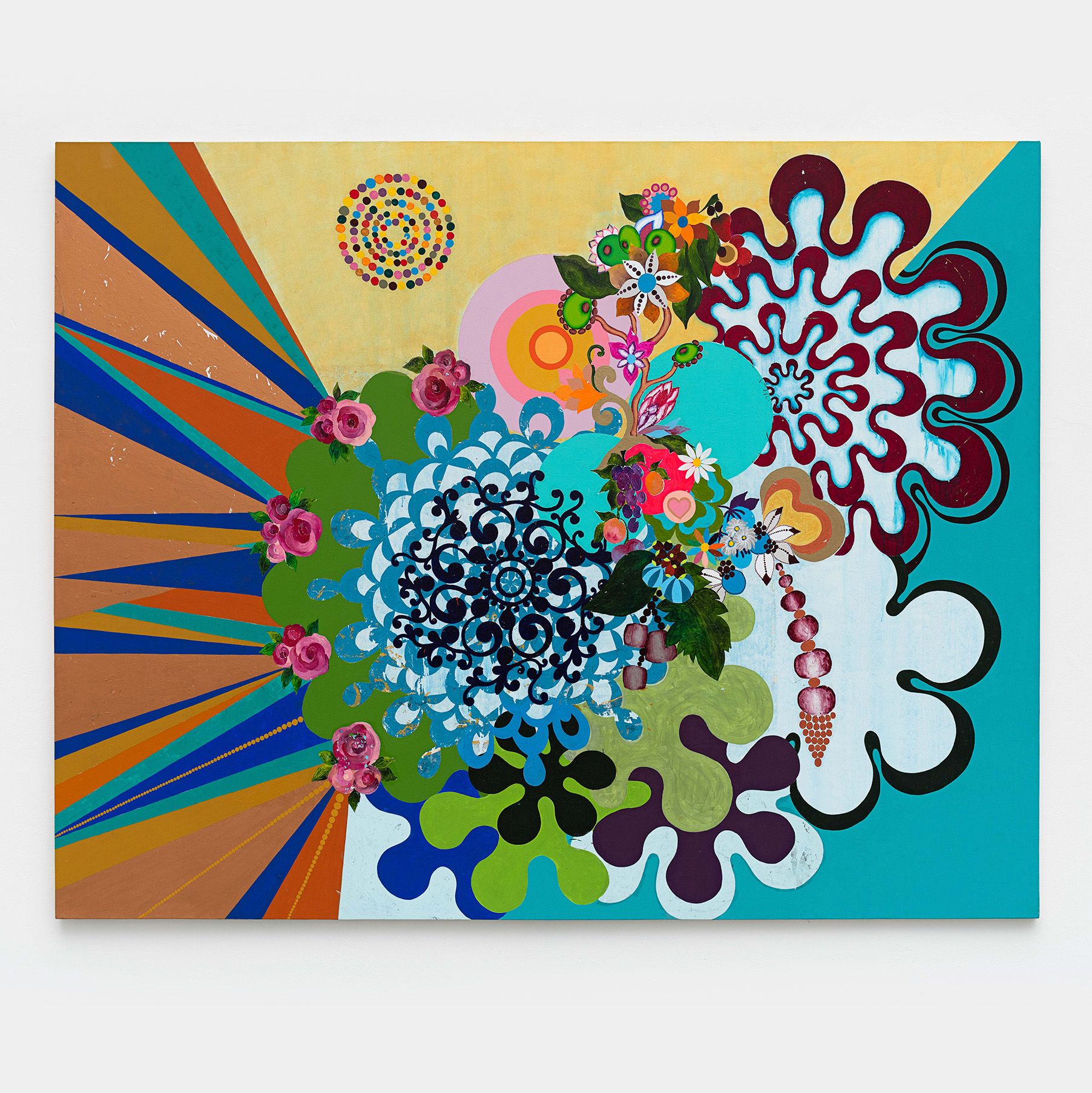
Beatriz Milhazes
Os pares, 1999
acrylic on canvas
97 3/4 x 124 1/8 in
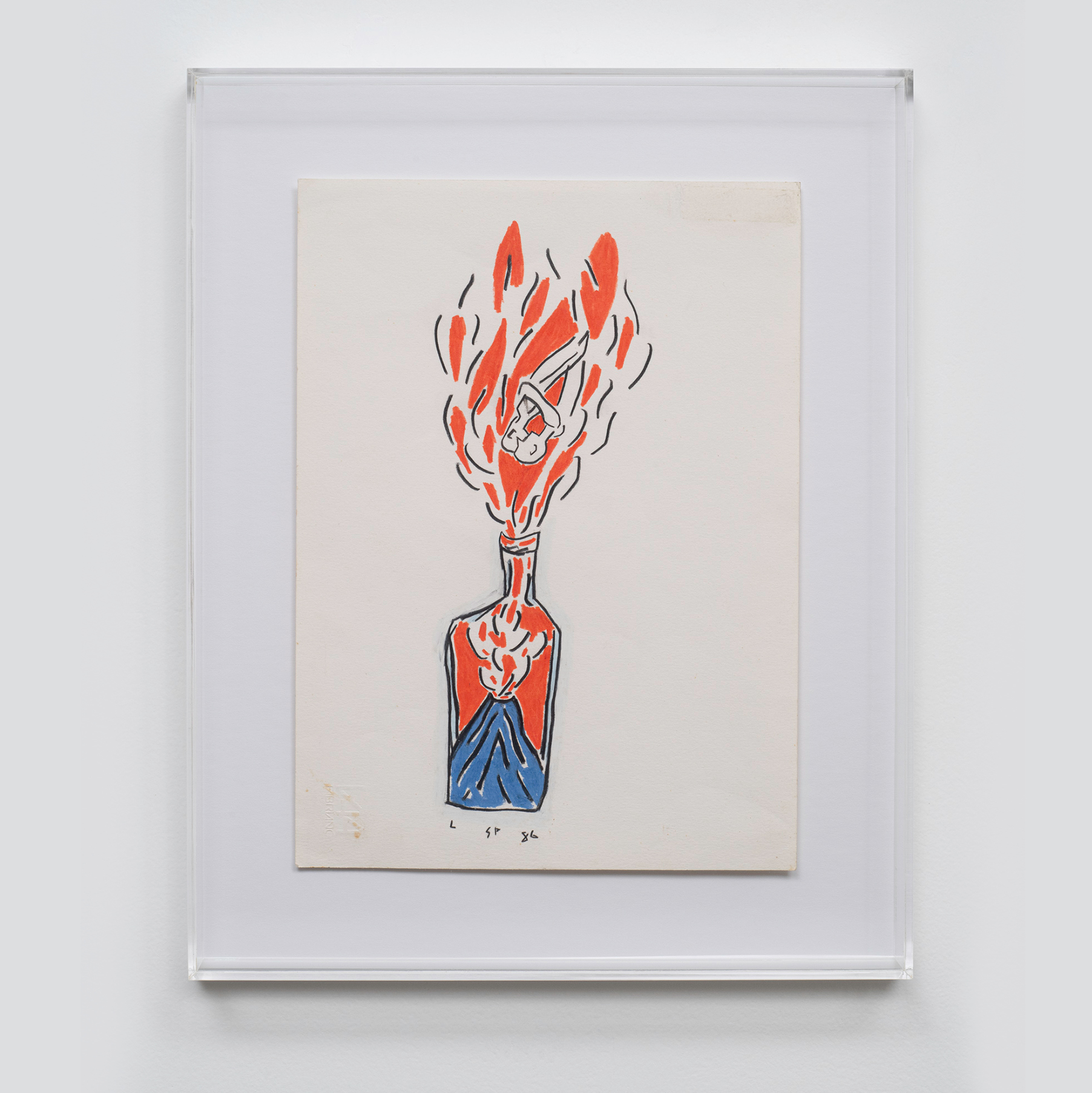
Leonilson
Untitled, 1986
colored pencil on paper
13 x 9 1/2 in
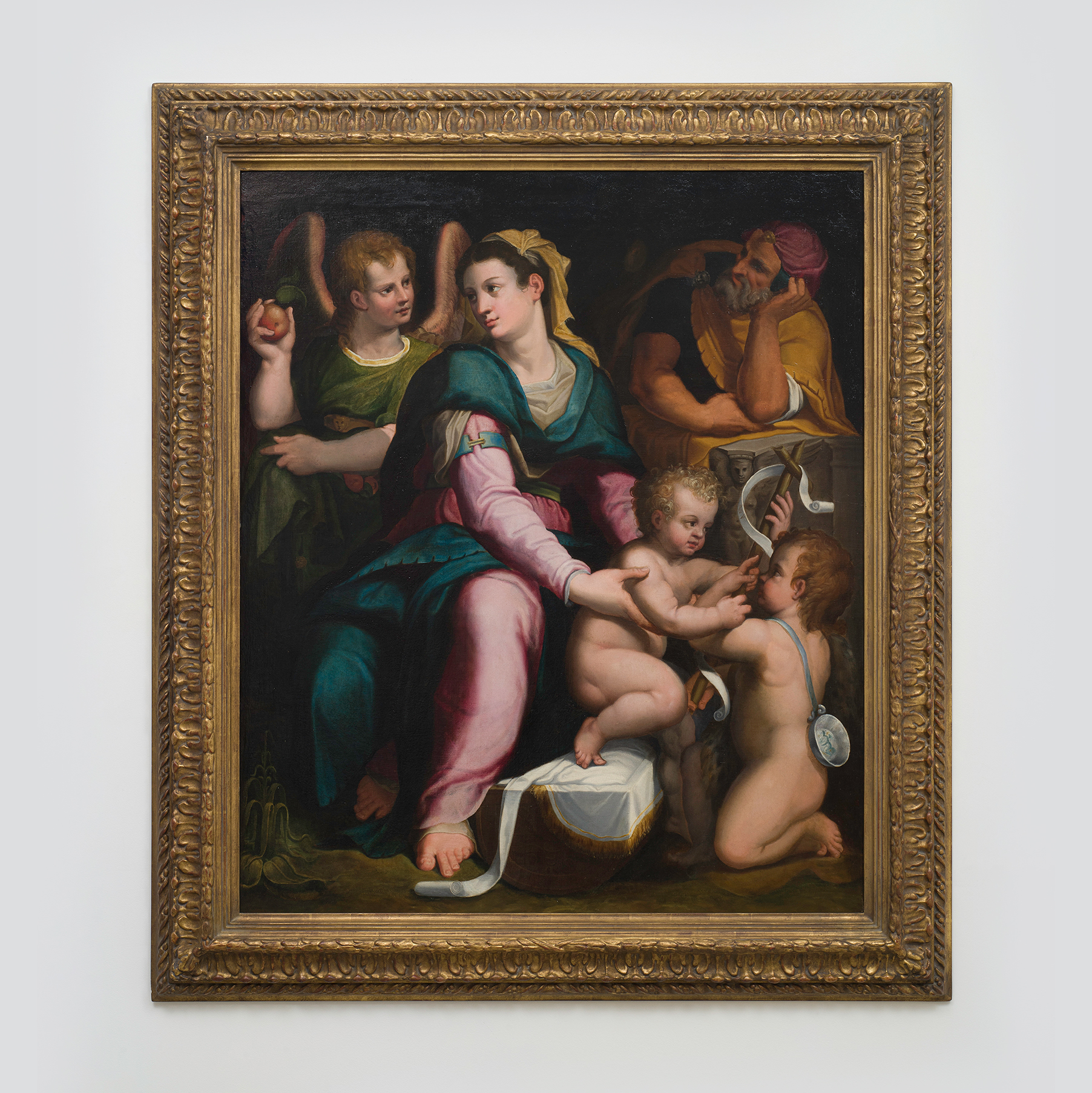
Lorenzo Sabatini
The Holy Family with John the Baptist and an angel, n.d.
oil on canvas
56 1/4 x 46 7/8 in
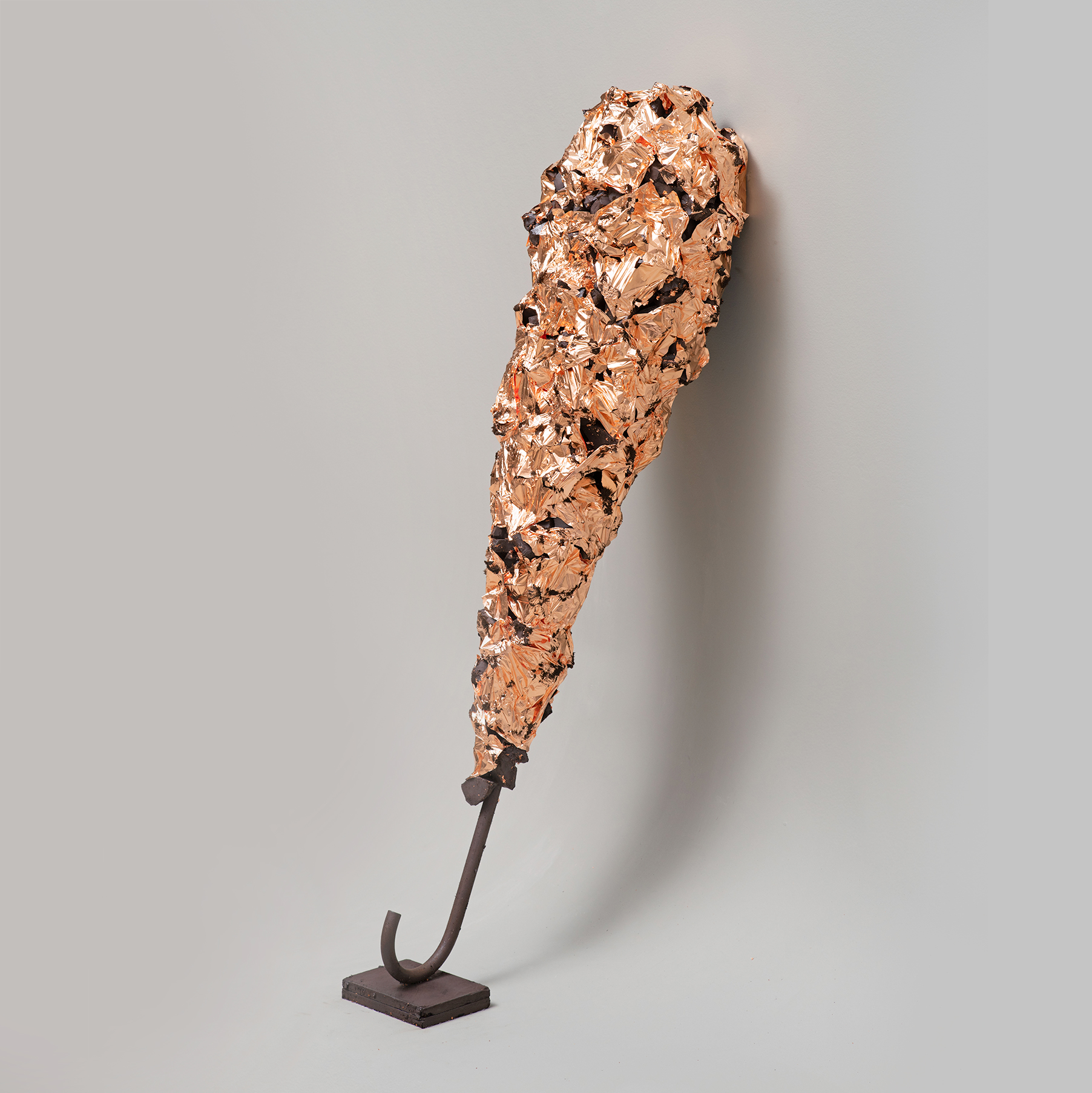
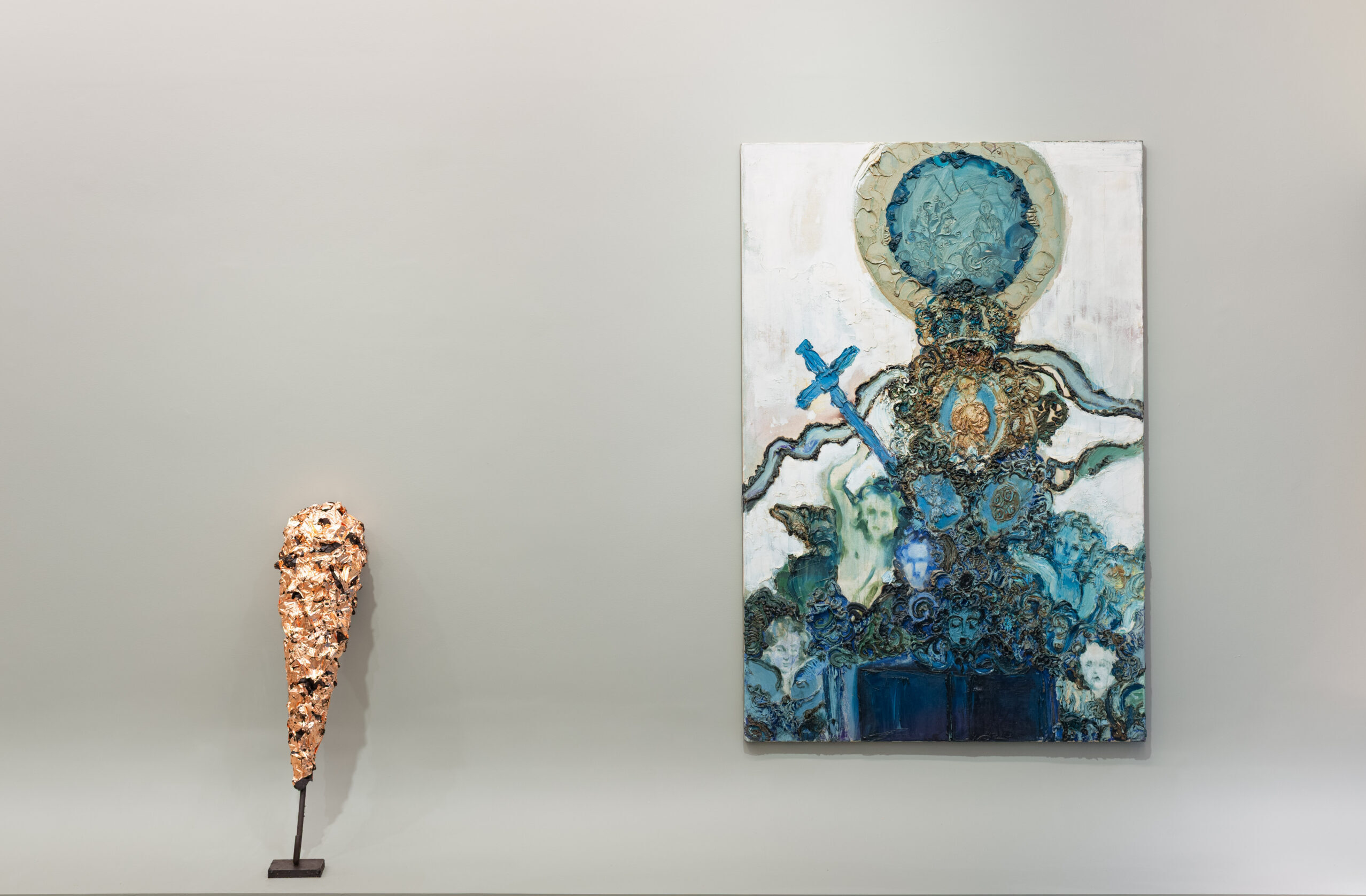
Tunga
Tacape, 1990's
iron, magnet, iron filings and copper sheet
41 3/8 x 11 3/4 x 15 3/4 in
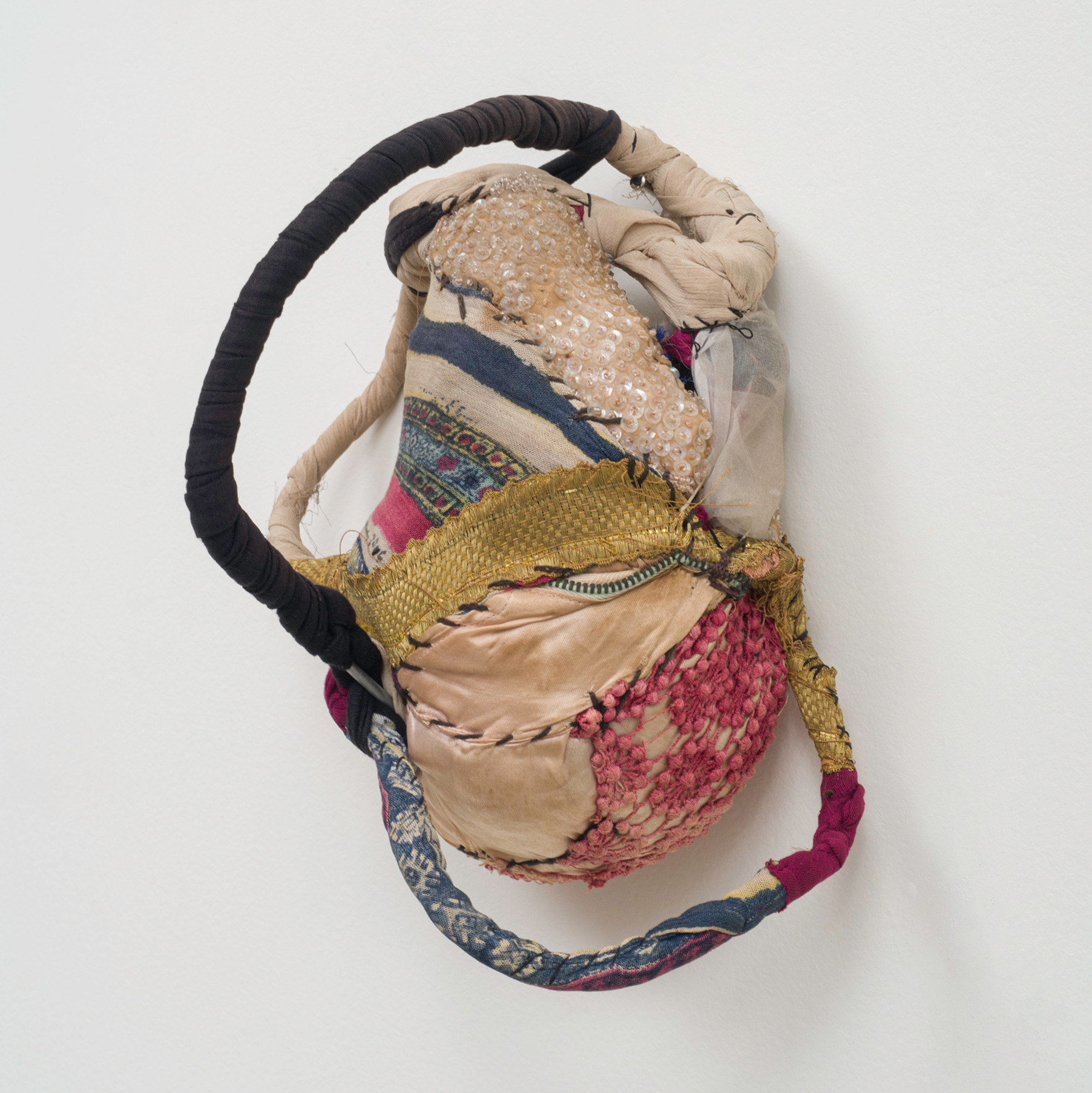
Sonia Gomes
Untitled, n.d.
sewing, tying and various fabrics on aluminum
9 1/2 x 7 7/8 x 6 1/4 in
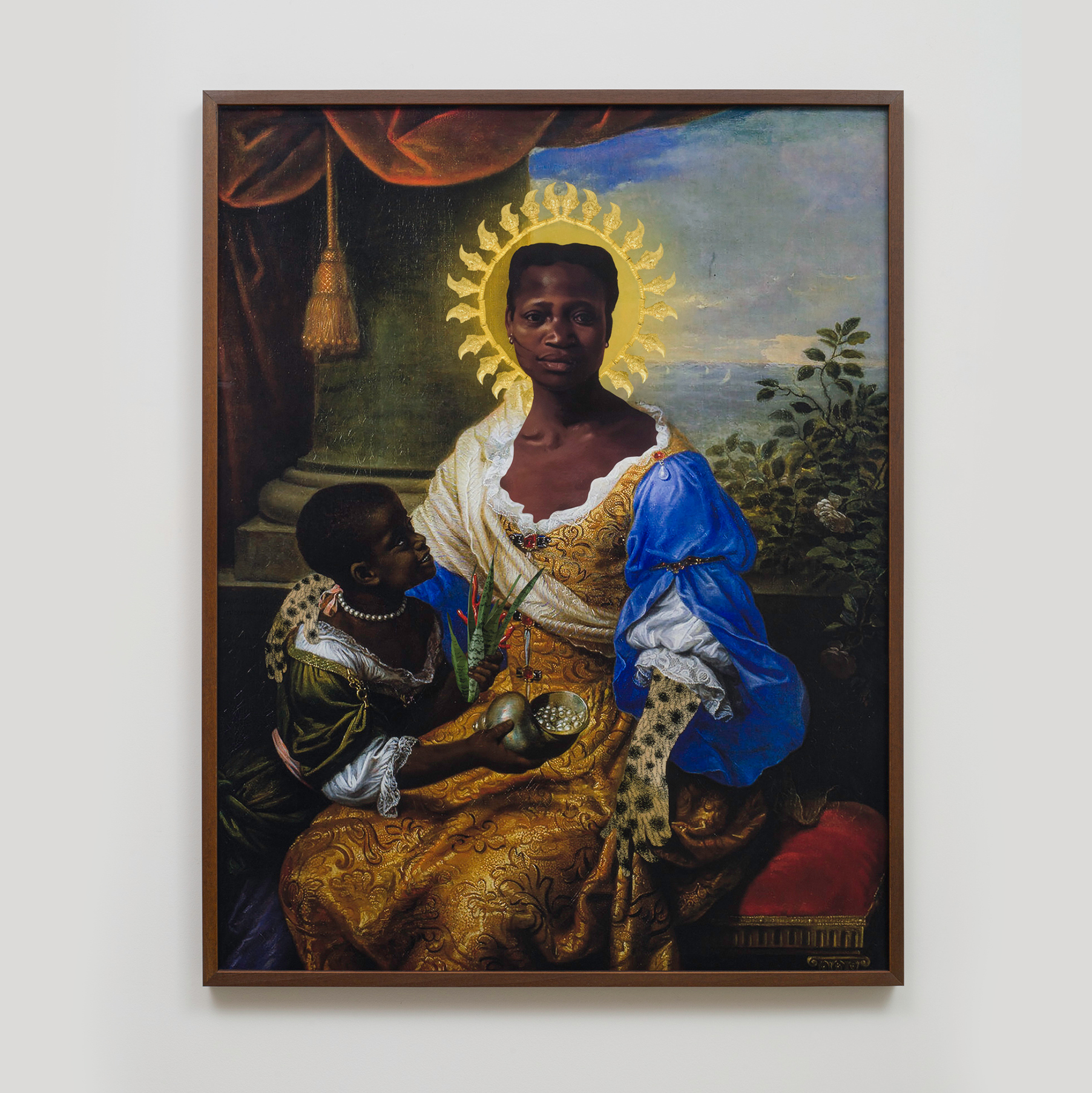
Silvana Mendes
Afetocolagens: reconstruindo narrativas visuais de pessoas negras na fotografia colonial, from the series Frestas III, 2024
digital collage printed on Hahnemühle Photo Rag paper
47 1/4 x 37 in
Ed.: 3
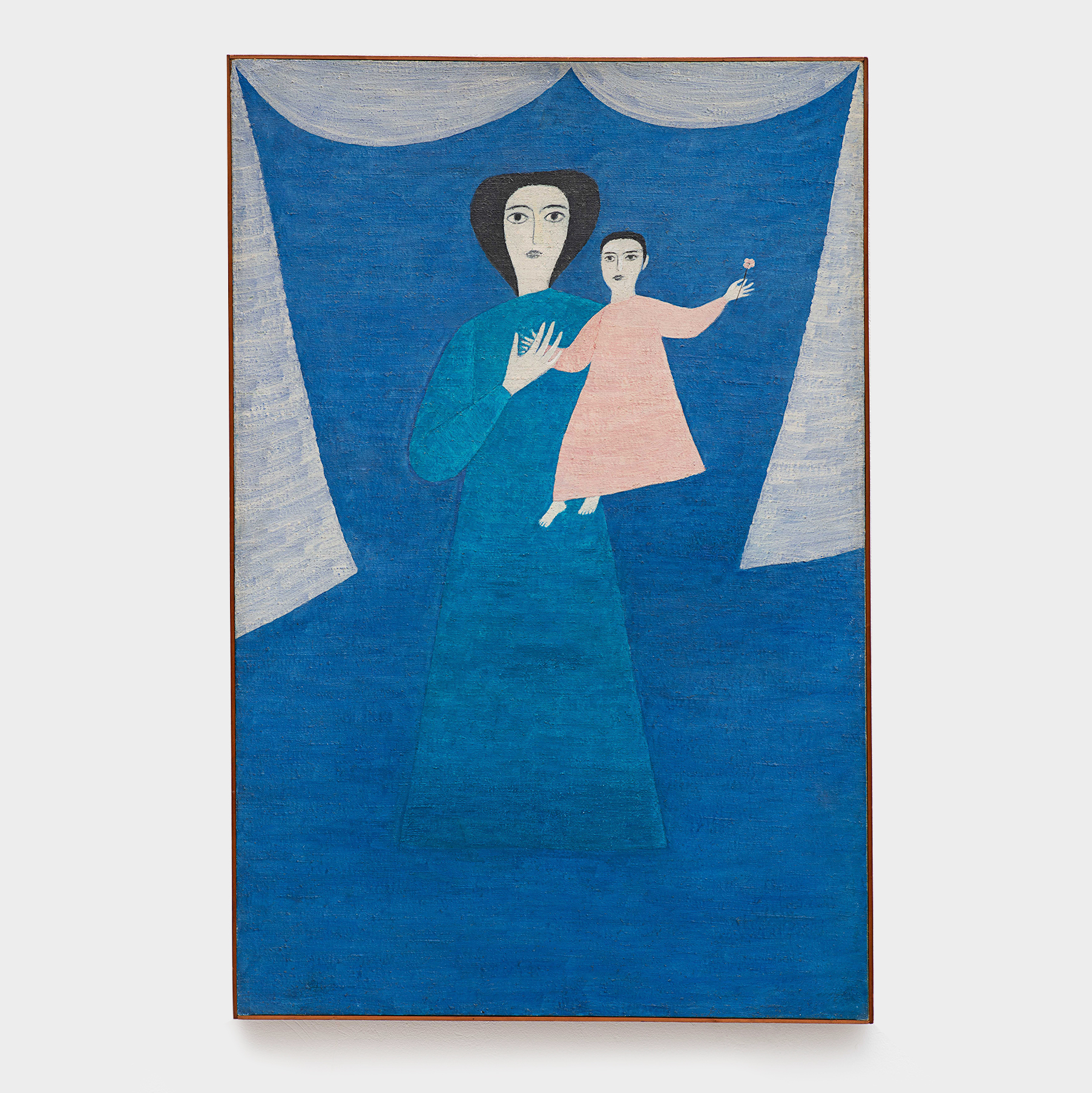
Alfredo Volpi
Madona, 1960's
tempera on canvas
42 1/2 x 28 3/8 in
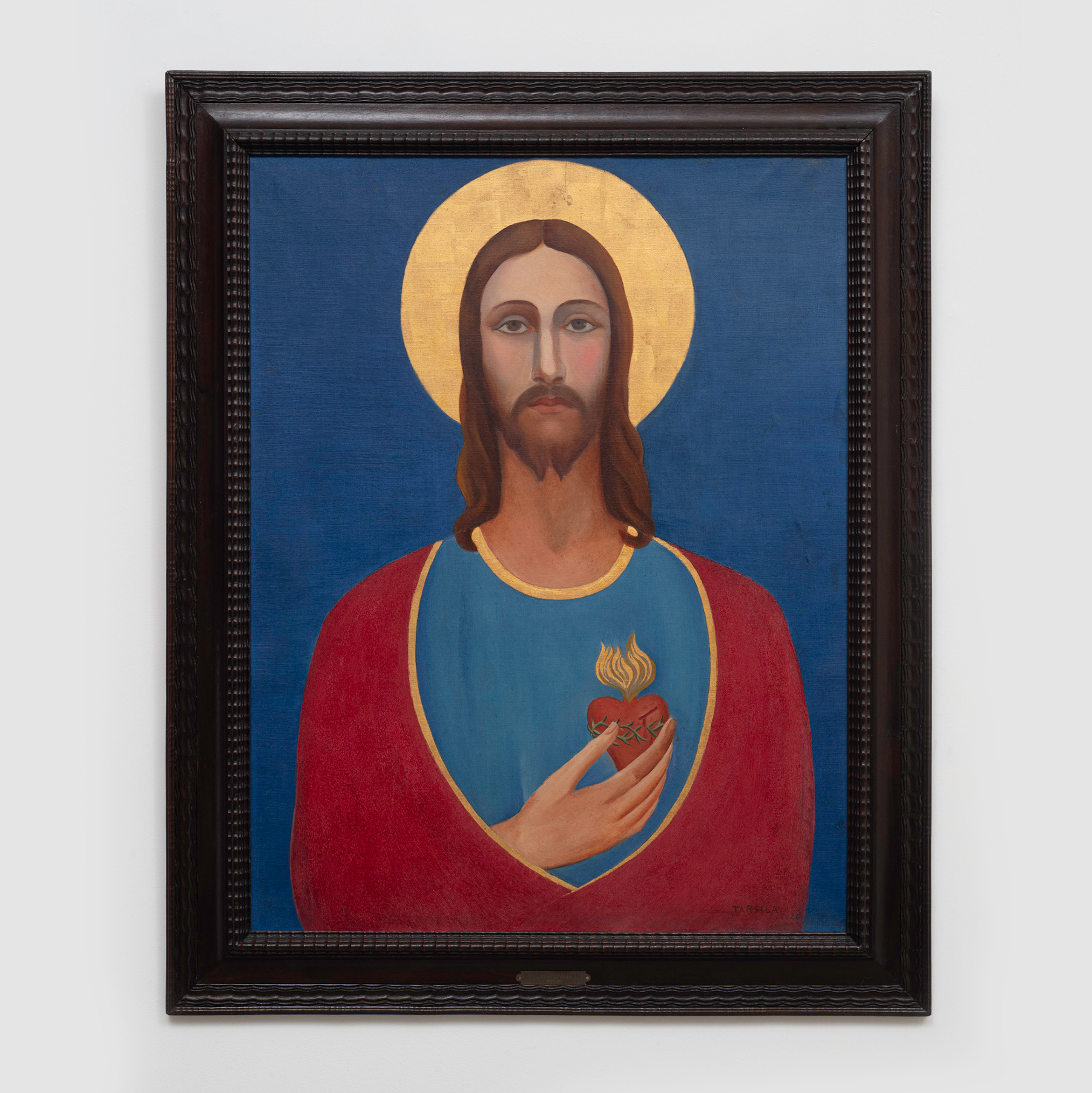
Tarsila do Amaral
Sagrado coração de Jesus I, 1926
oil on canvas
33 1/2 x 25 5/8 in
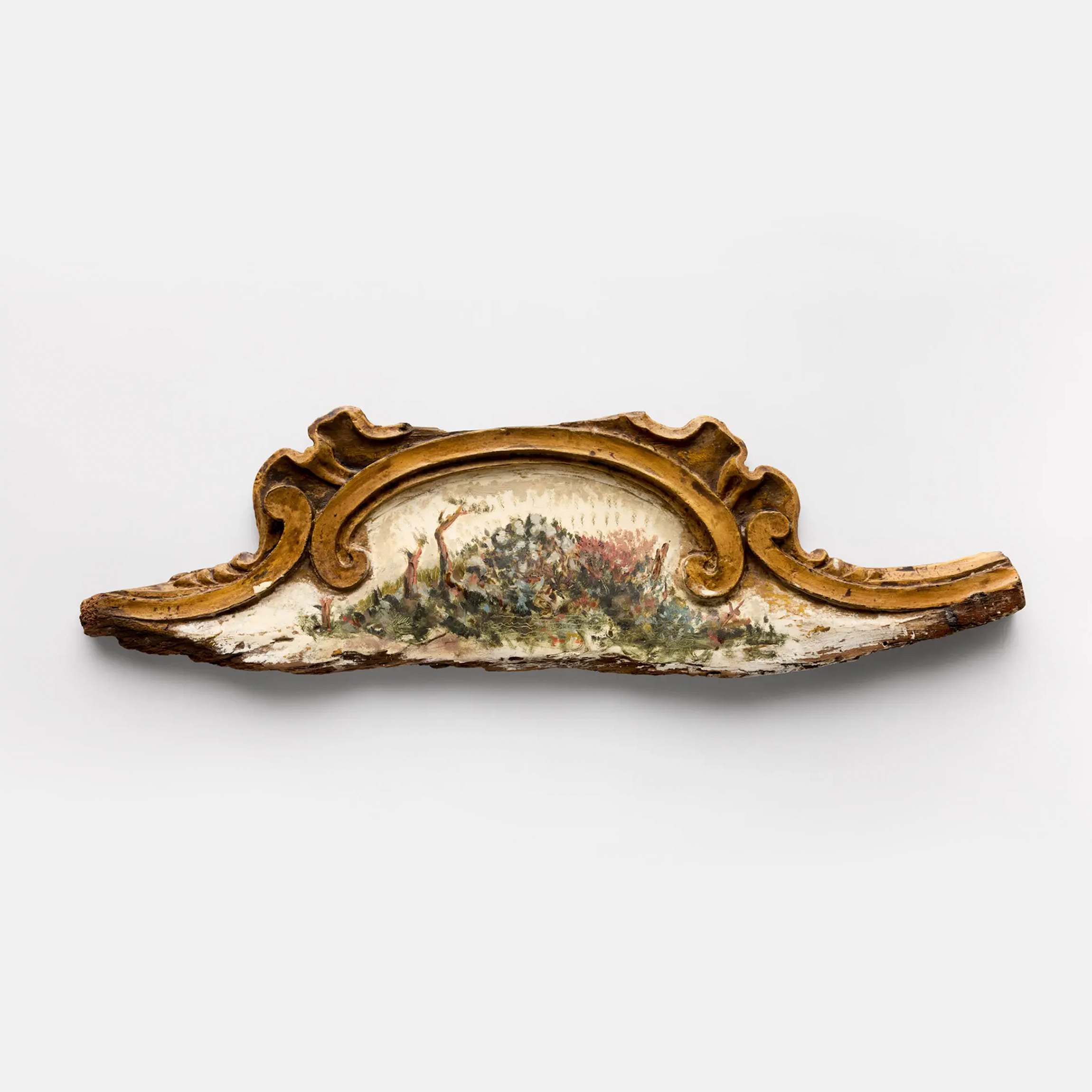
David Almeida
Retábulo florido, 2026
oil on wooden ornament
9 1/4 x 32 1/2 x 1 5/8 in
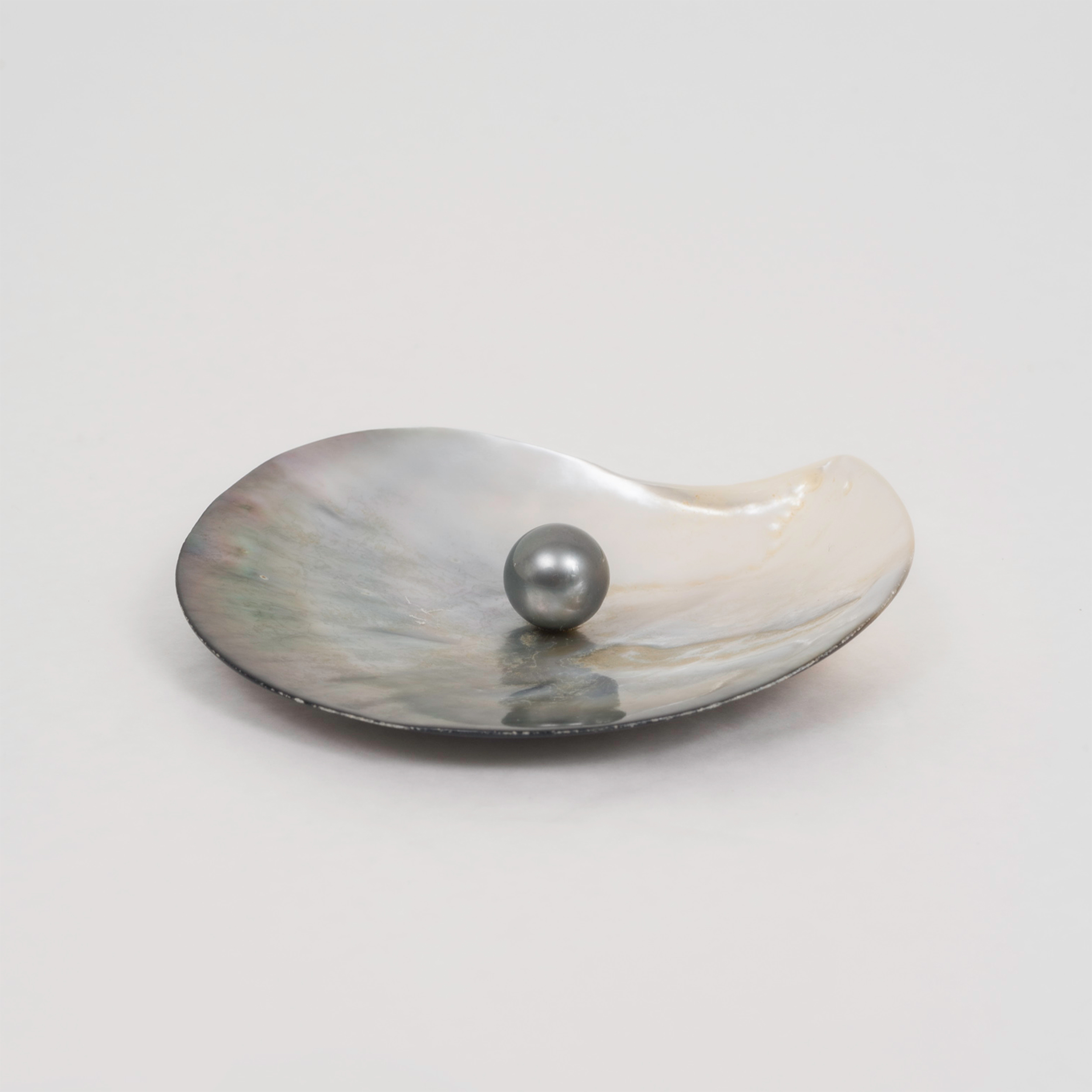
Ayrson Heráclito
Pérola Negra, 2016
Tahitian black pearl and Polynesian shell
3/4 x 4 x 3 3/4 in
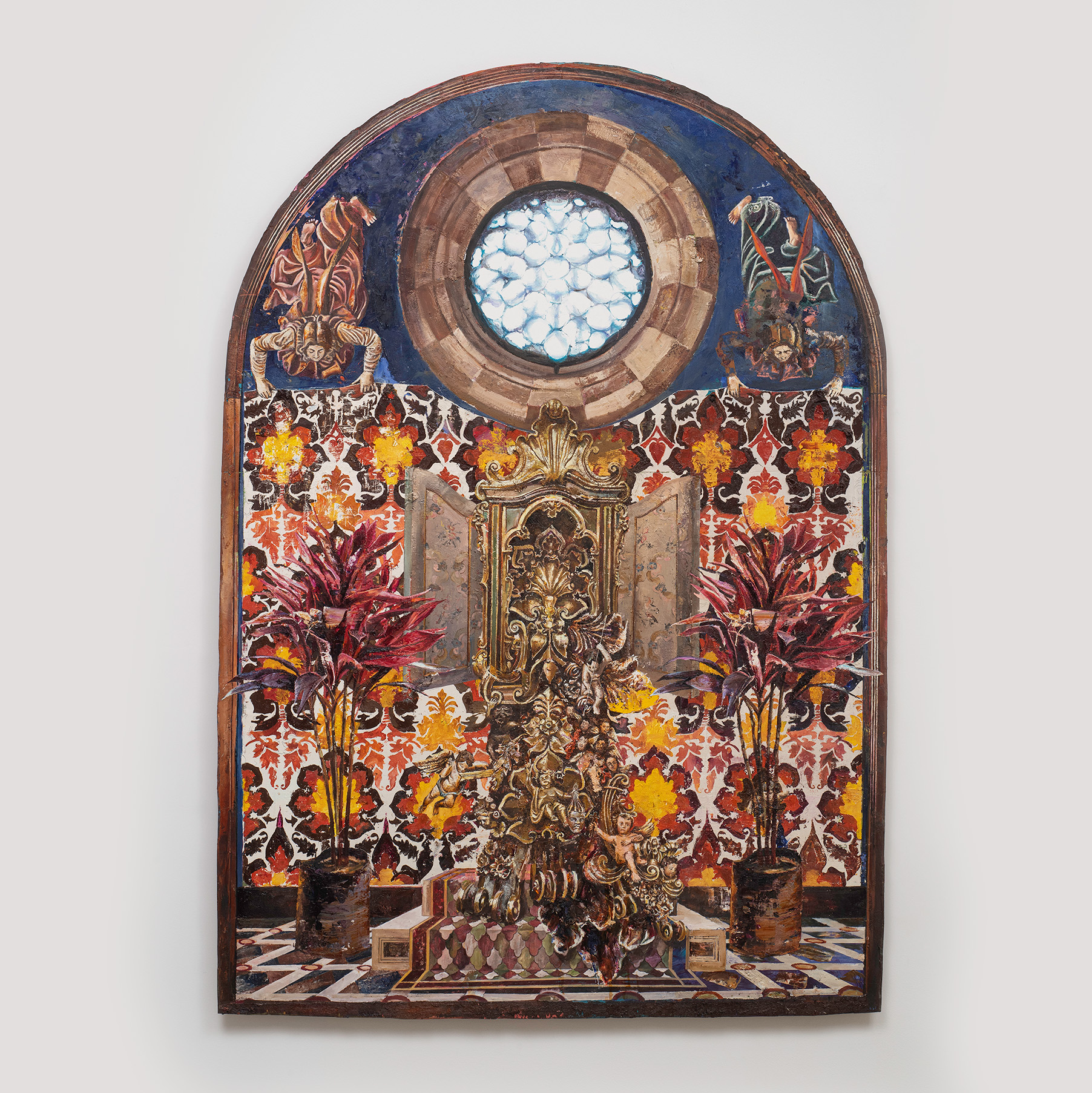
André Griffo
A supressão do santo pelo ornamento # 05, 2025
oil and acrylic on shipbuilding plywood
76 3/8 x 53 3/8 in
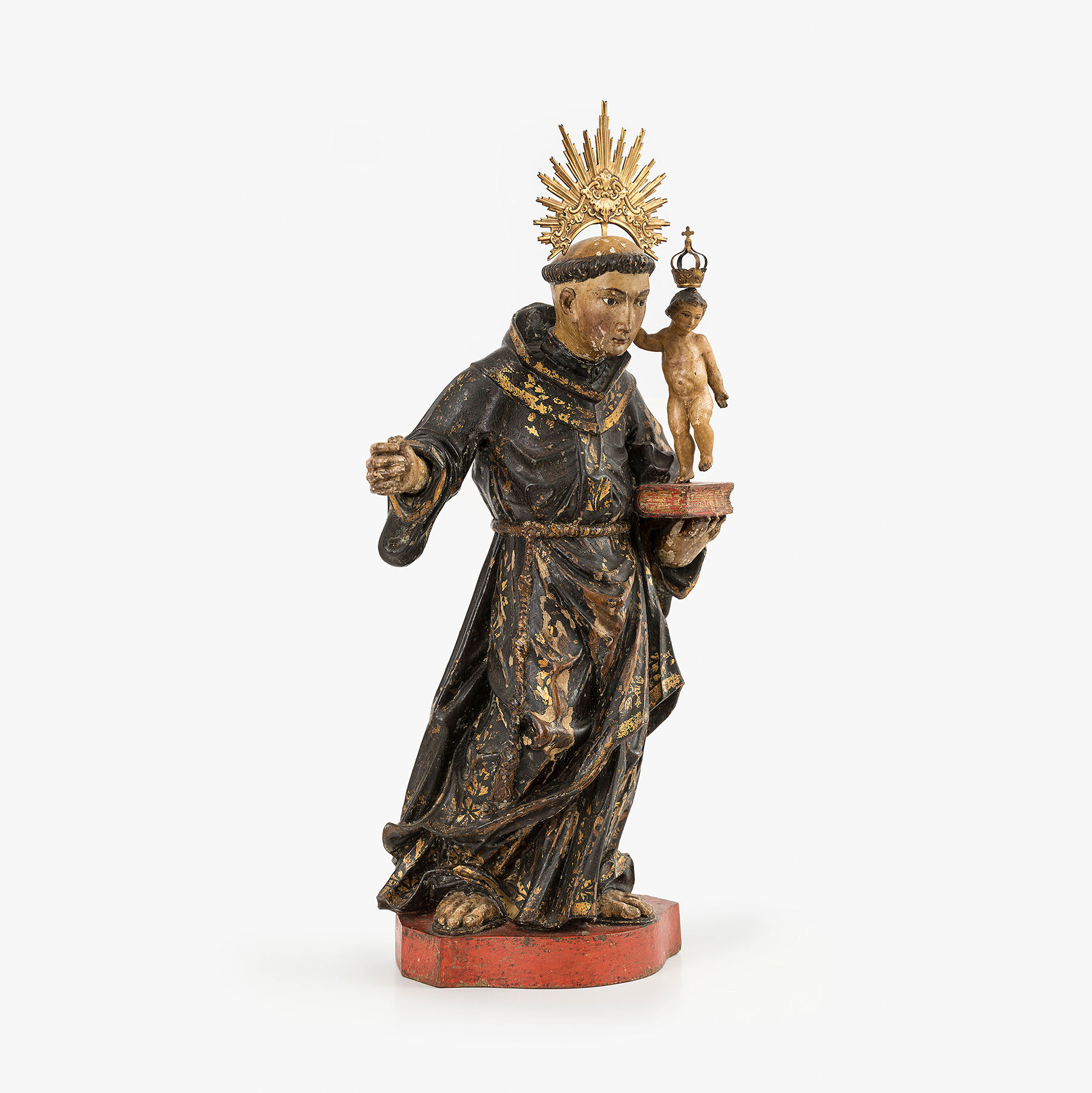
Antonio Francisco Lisbôa
Santo Antônio, 18th century
polychrome wood and polychrome metal
23 5/8 x 11 3/4 x 7 1/8 in
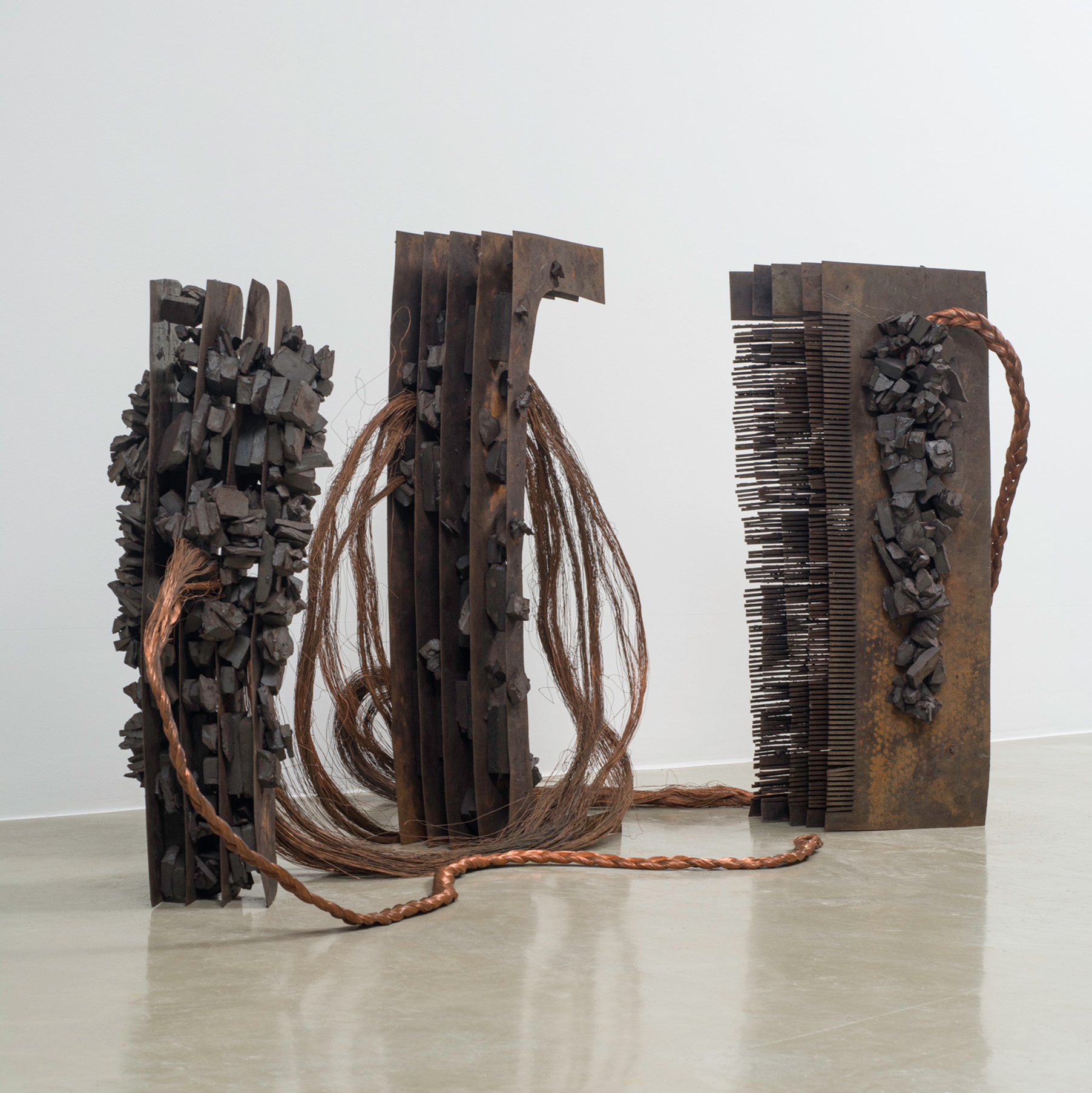
Tunga
Lezart, 1990's
copper, steel, magnets and iron
35 3/8 x 72 7/8 x 44 1/8 in
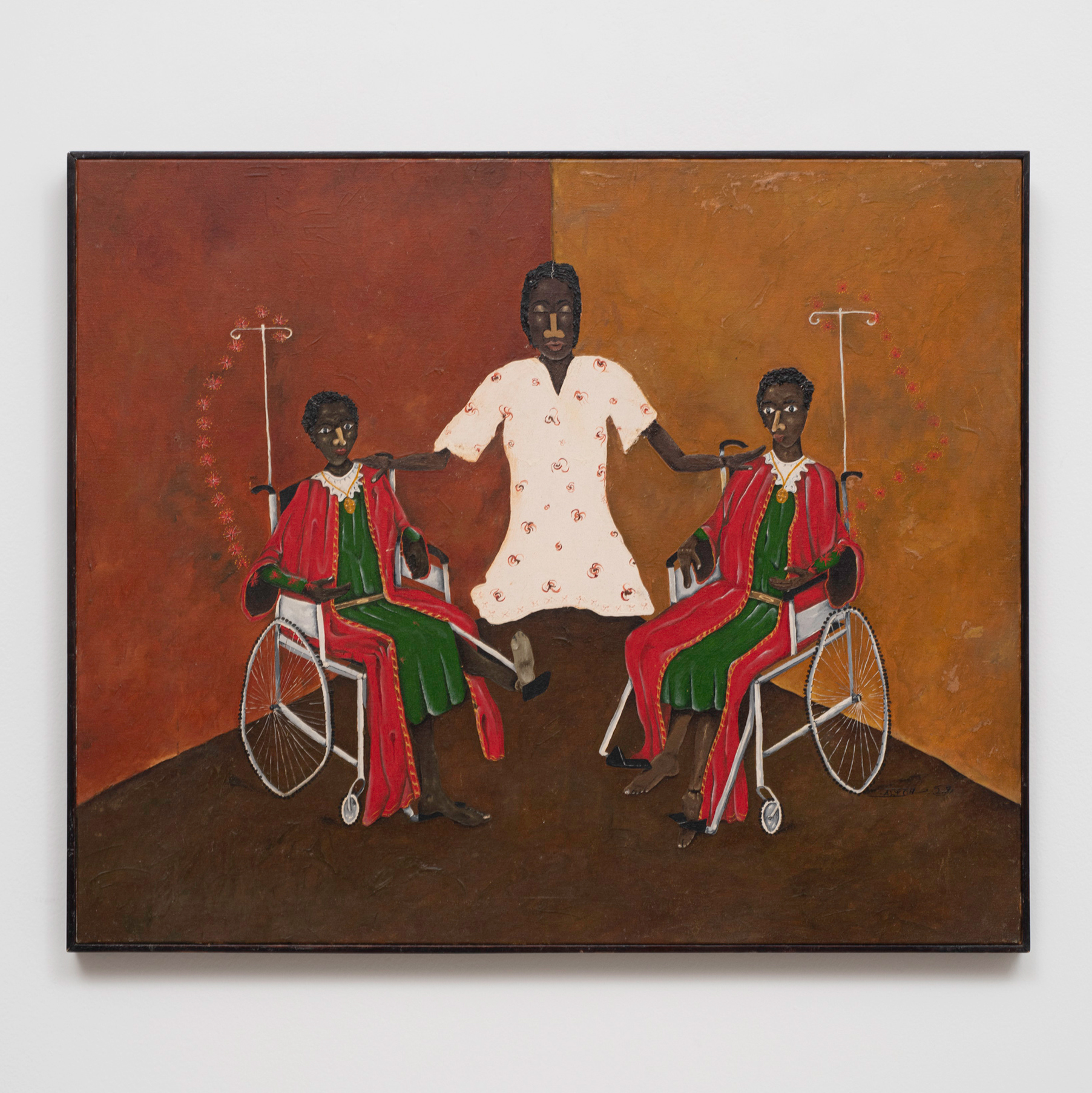
Dalton Paula
1a Gemelar, 2018
oil on canvas
19 3/4 x 23 5/8 in
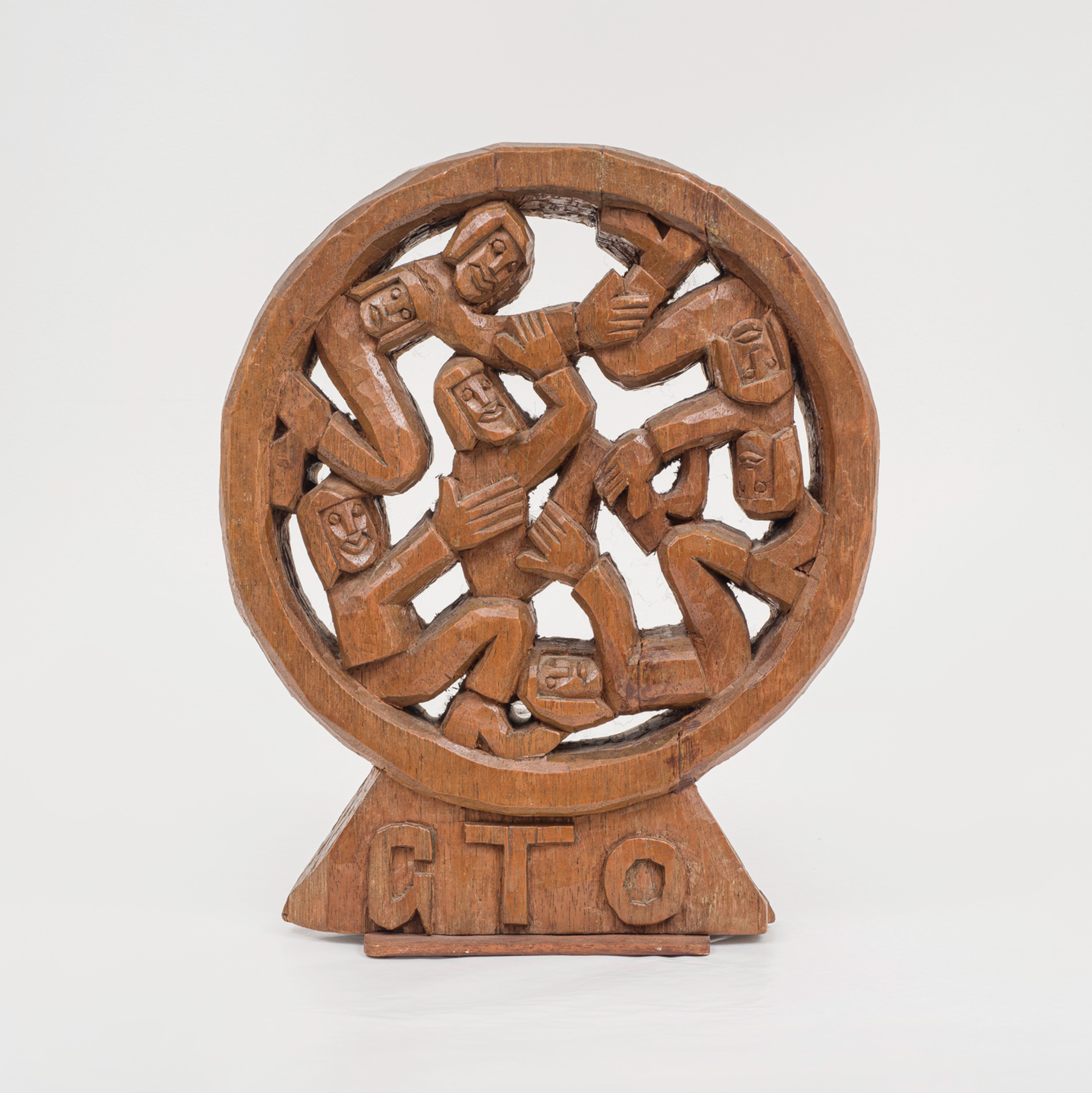
GTO
Untitled, n.d.
wood
13 5/8 x 11 x 2 3/4 in