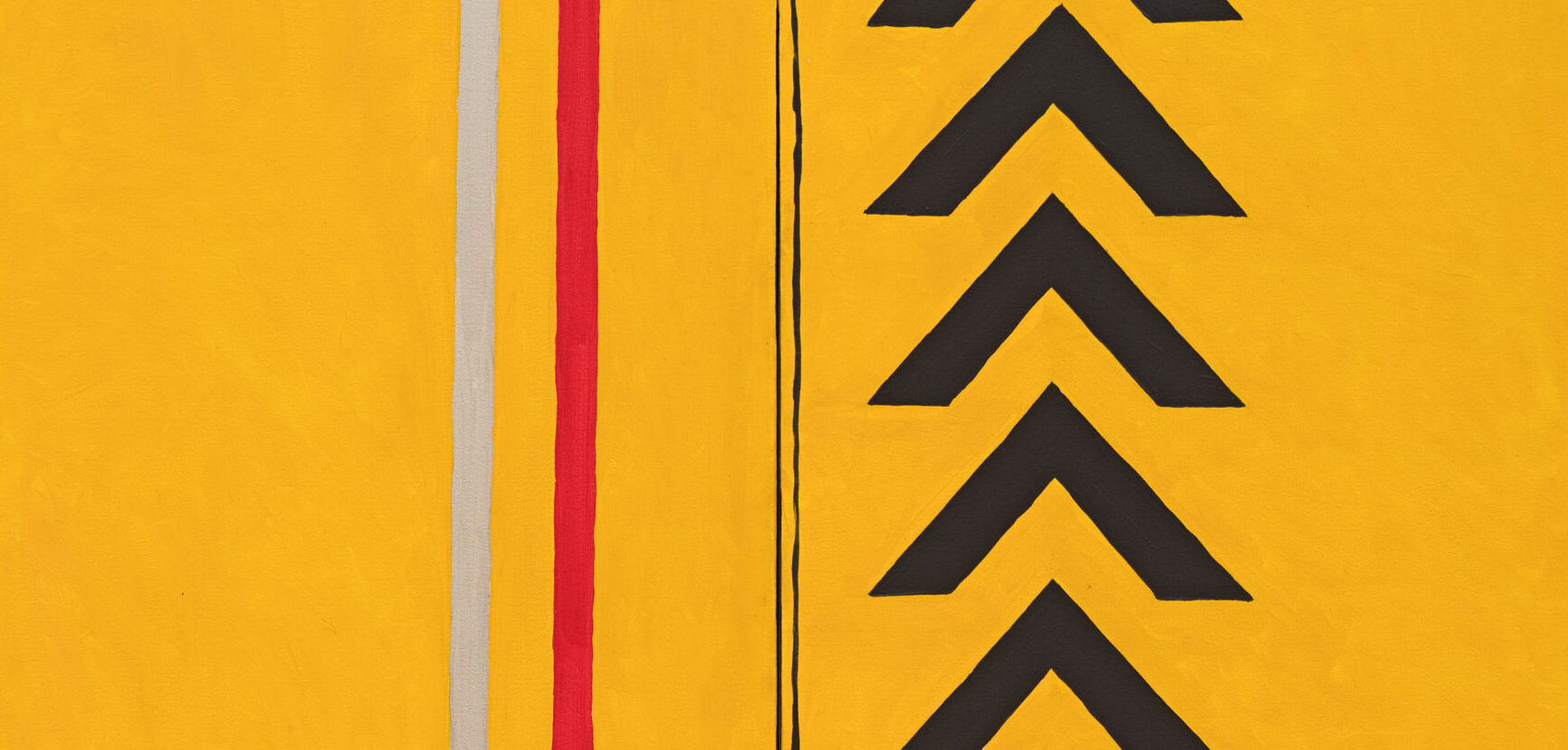
Here and There: Constructive Displacements
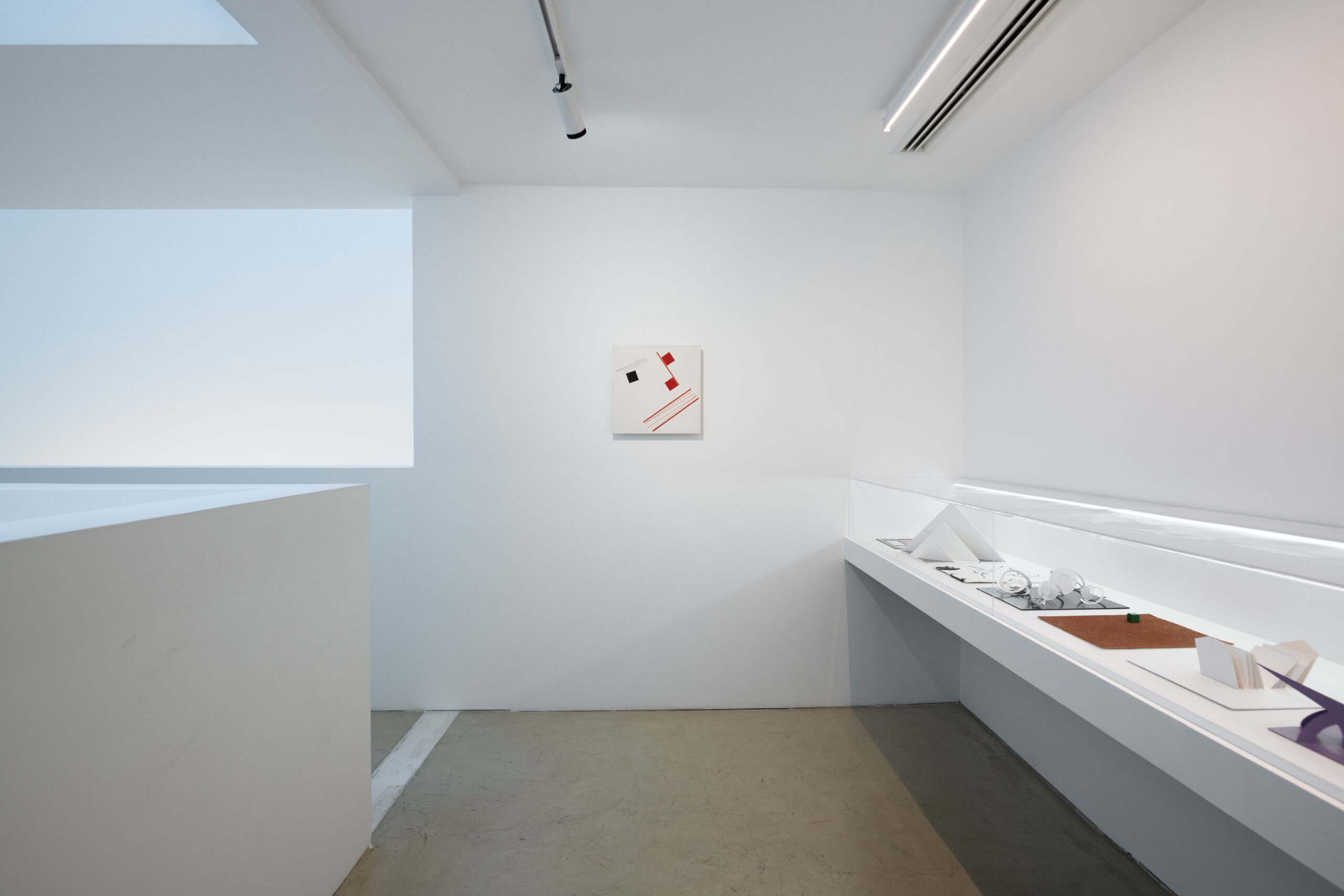
The group exhibition that closes FLEXA’s 2025 program, under the artistic direction of Luisa Duarte, proposes a dialogue between different generations of Brazilian art, bringing together works by Hélio Oiticica (1937–1980), Lygia Pape (1927–2004), José Damasceno (1968) and Emmanuel Nassar (1949). A critical text by Moacir dos Anjos accompanies the show, whose central focus is the way these artists transform the constructive and concrete legacy into a living language, infused with color, inventiveness, the presence of the body, and sensory dimension.
A exposição constrói uma paisagem intergeracional na qual se revela a capacidade da arte brasileira de se relacionar com o passado em uma chave de invenção e de desvio. Como escreveu o crítico cubano Gerardo Mosquera: “ (…) é significativo que os dois clichês que tendem a ser impingidos à arte brasileira pareçam antitéticos: construtivismo e sensualidade, grid e corpo. No entanto, eles coexistem em interlocução, dialogando e transformando-se mutuamente.” Essa coexistência, entre o que se estrutura e o que vibra, entre o que é da ordem do cálculo e o que é da ordem do afeto, é algo que atravessa o diálogo entre os quatro artistas aqui construído.
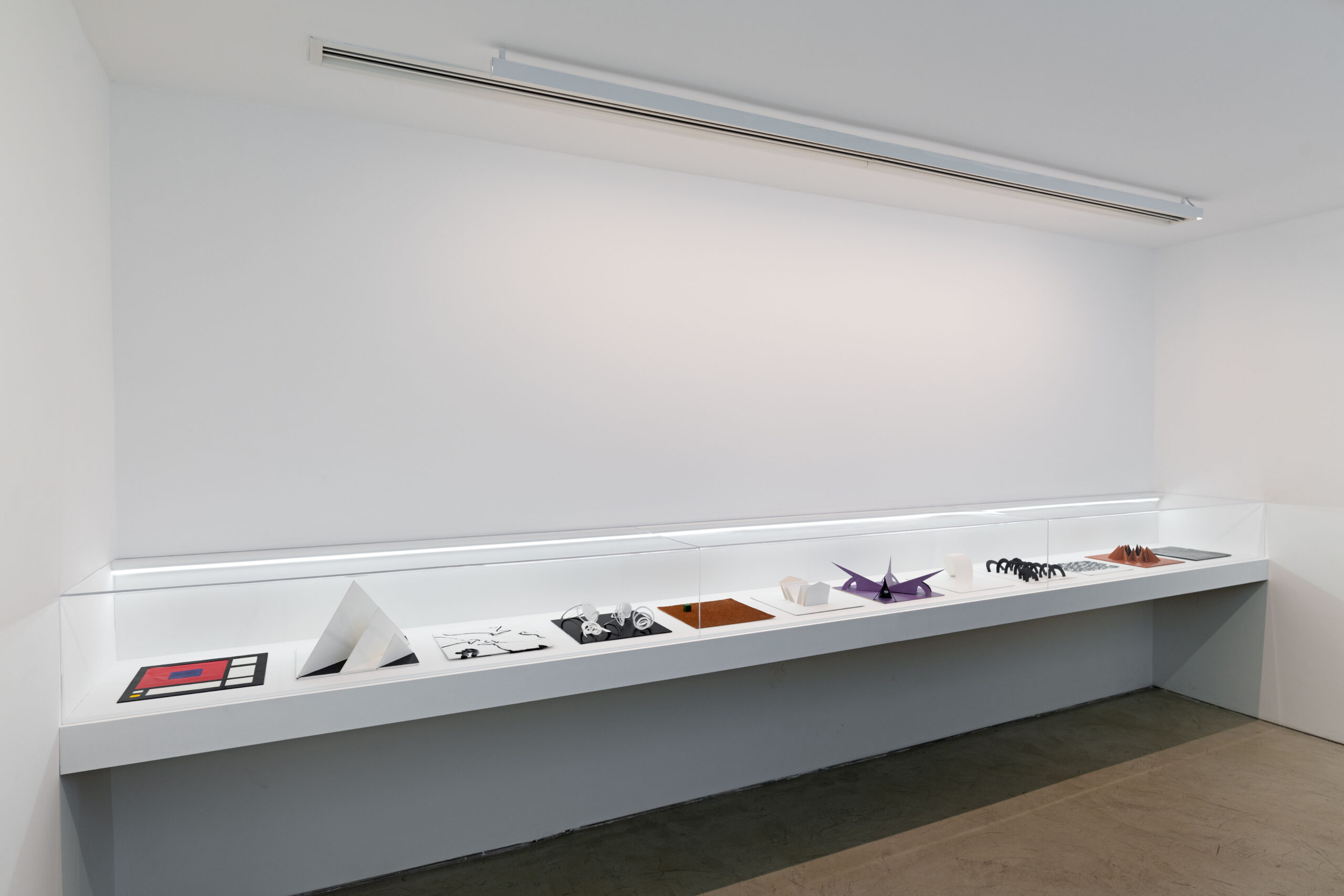
Lygia Pape proposes an investigation of form that surpasses constructive rationality. In her work, geometric rigor is traversed by intervals and sensibilities. Her structures, especially those titled “books,” evoke time and the body, encouraging a perceptual openness. Within them, color and rhythm operate as elements of a poetics that dissolves the boundaries between calculation and intuition.
In Hélio Oiticica, the passage between order and deviation also becomes evident. Beginning with serial structures such as the Metaesquemas, the artist progressively shifts painting into space, freeing it from the plane and from constructive rigidity, as seen in the Relevos espaciais. Oiticica’s gesture does not negate the concrete; it pierces through it. It is in movement that the work finds vitality. Here, form becomes a field of experience—a way of thinking about color as living matter.
In the works of Damasceno and Nassar, this legacy is taken up through other pathways. Both artists displace objects and signs from ordinary life, establishing new perceptual logics that oscillate between the familiar and the strange, between rigor and improvisation. In this way, the works brought together for this exhibition constantly mobilize a state of surprise and paradox, in which color, line, and the everyday become agents of a sensitive gaze. Geometry—the guiding thread of the exhibition—is understood as a dynamic field, permeable to experience and gesture.
The exhibition thus reaffirms the vitality of Brazilian art in its singular way of metabolizing influences, expanding them toward life. In Mosquera’s words: “Nonetheless, this unique case of concrete art’s influence on one of today’s richest art scenes has manifested itself more in the way Brazilians contested it—disorganizing it with great inventiveness—than in the way they followed it.”
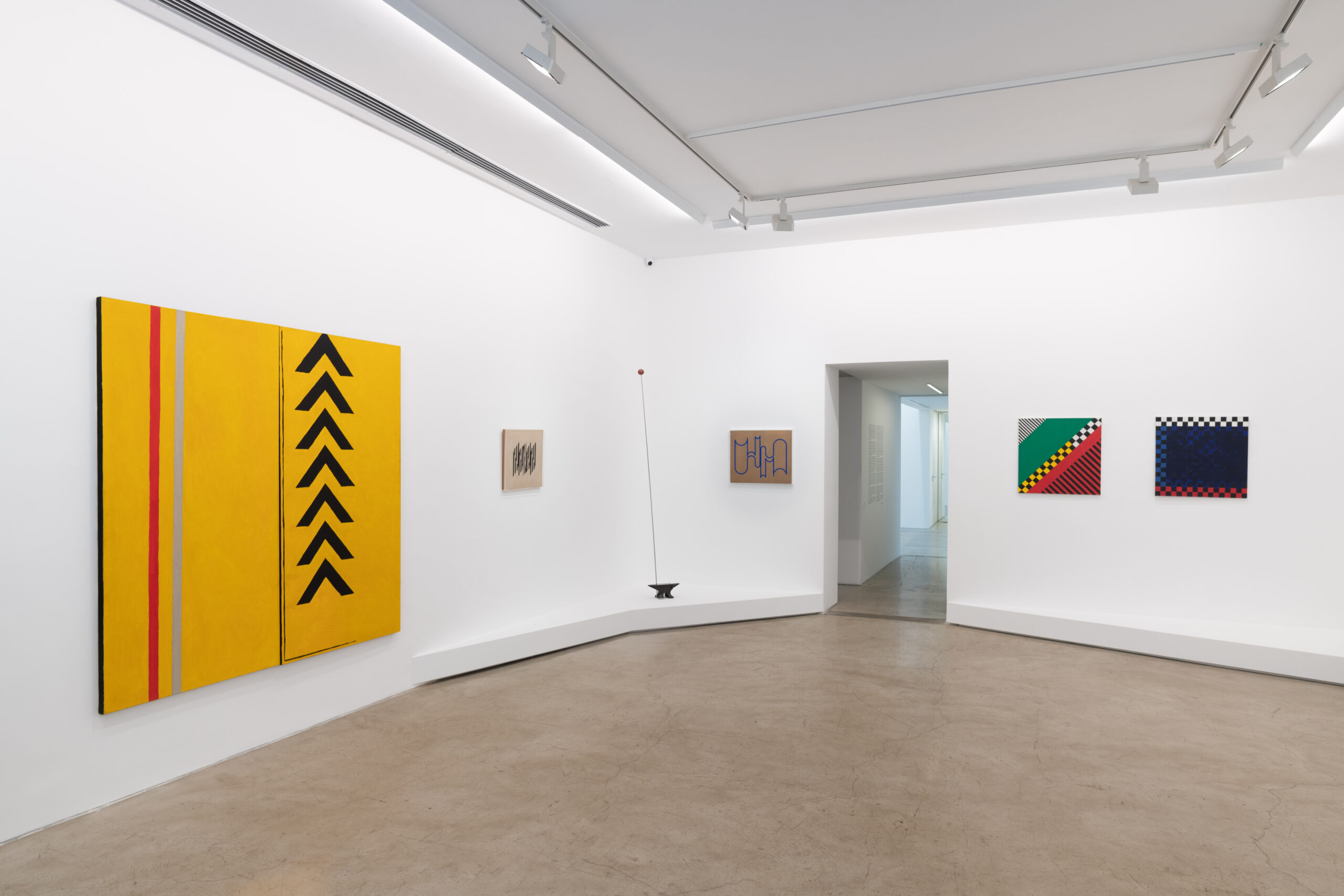
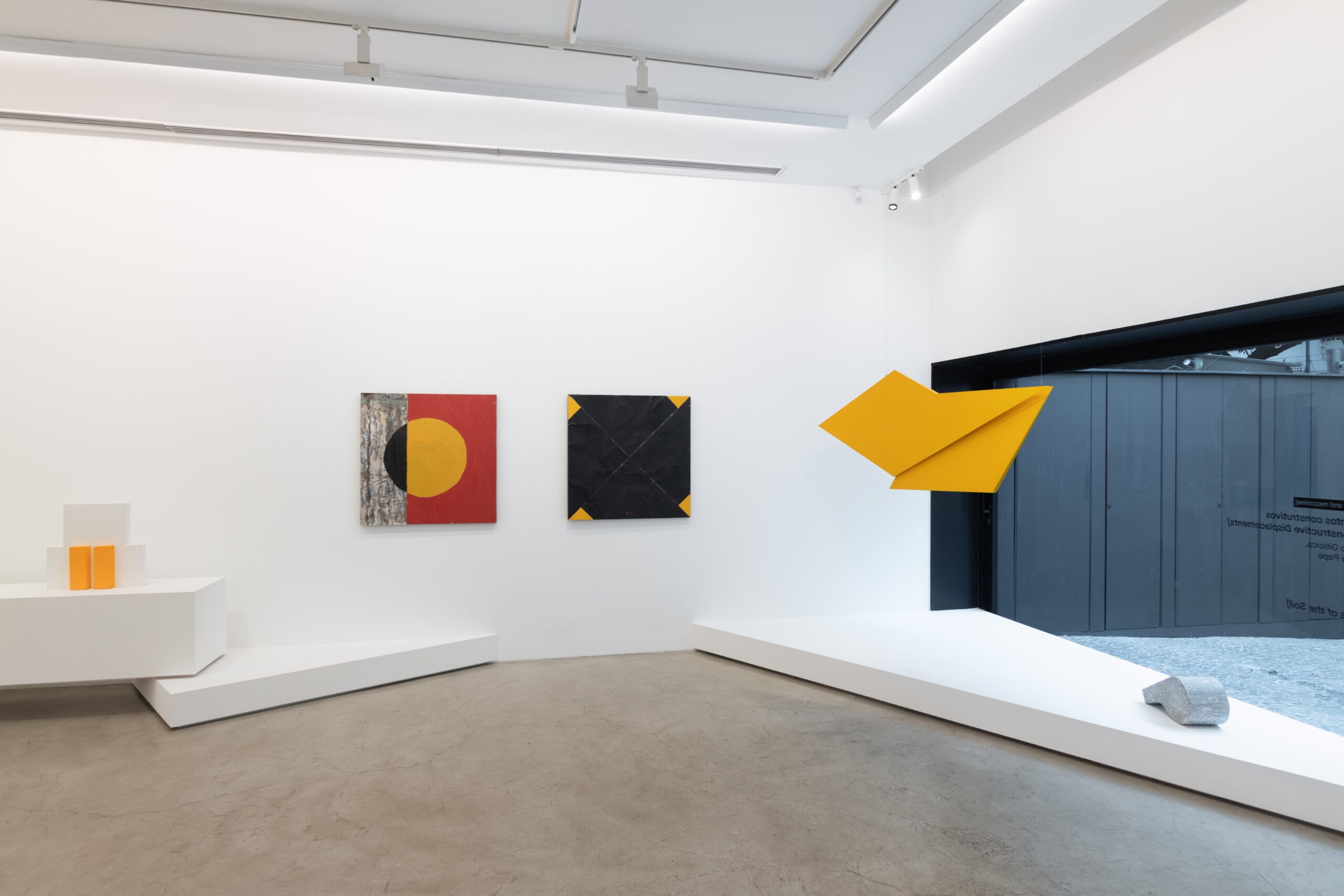
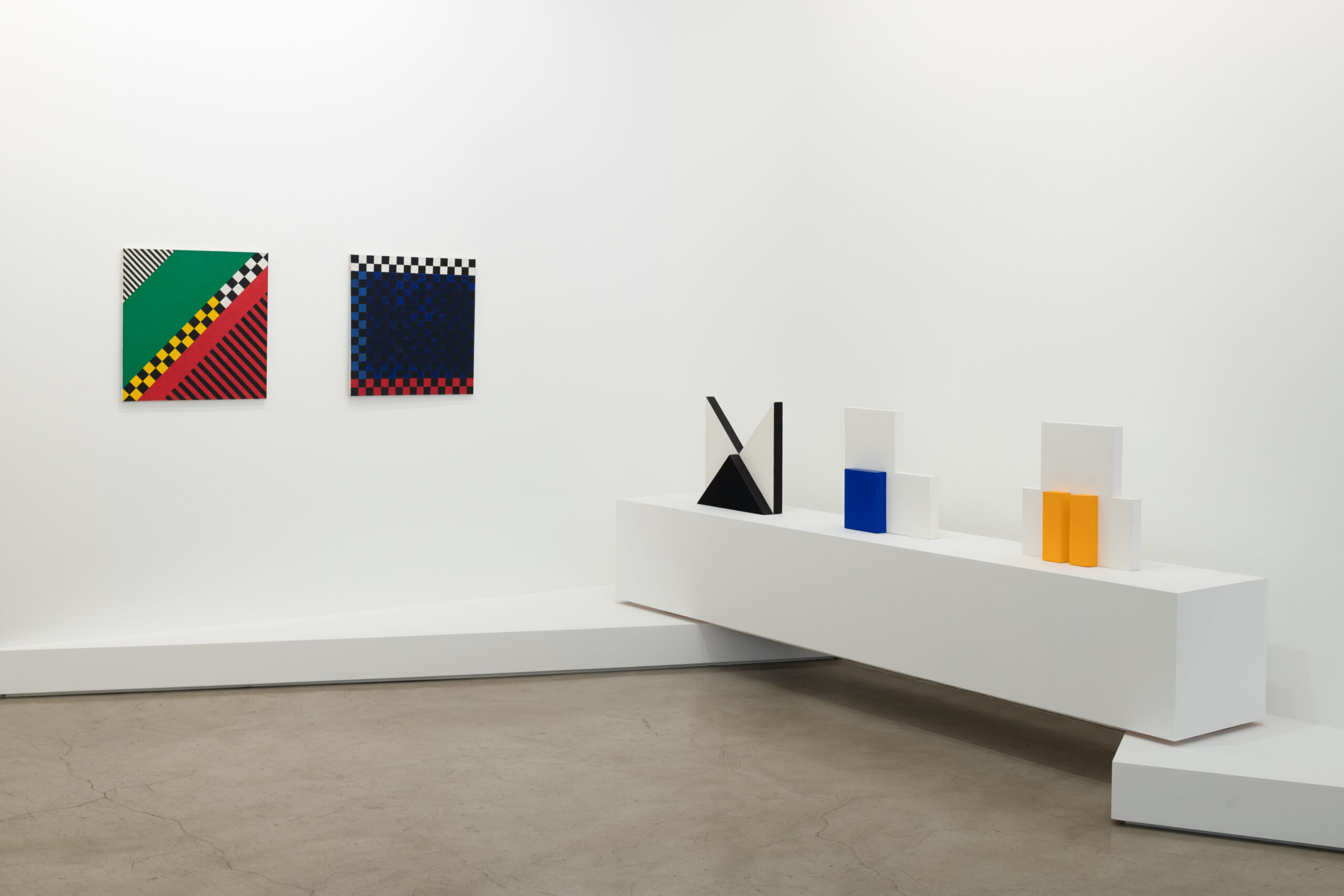
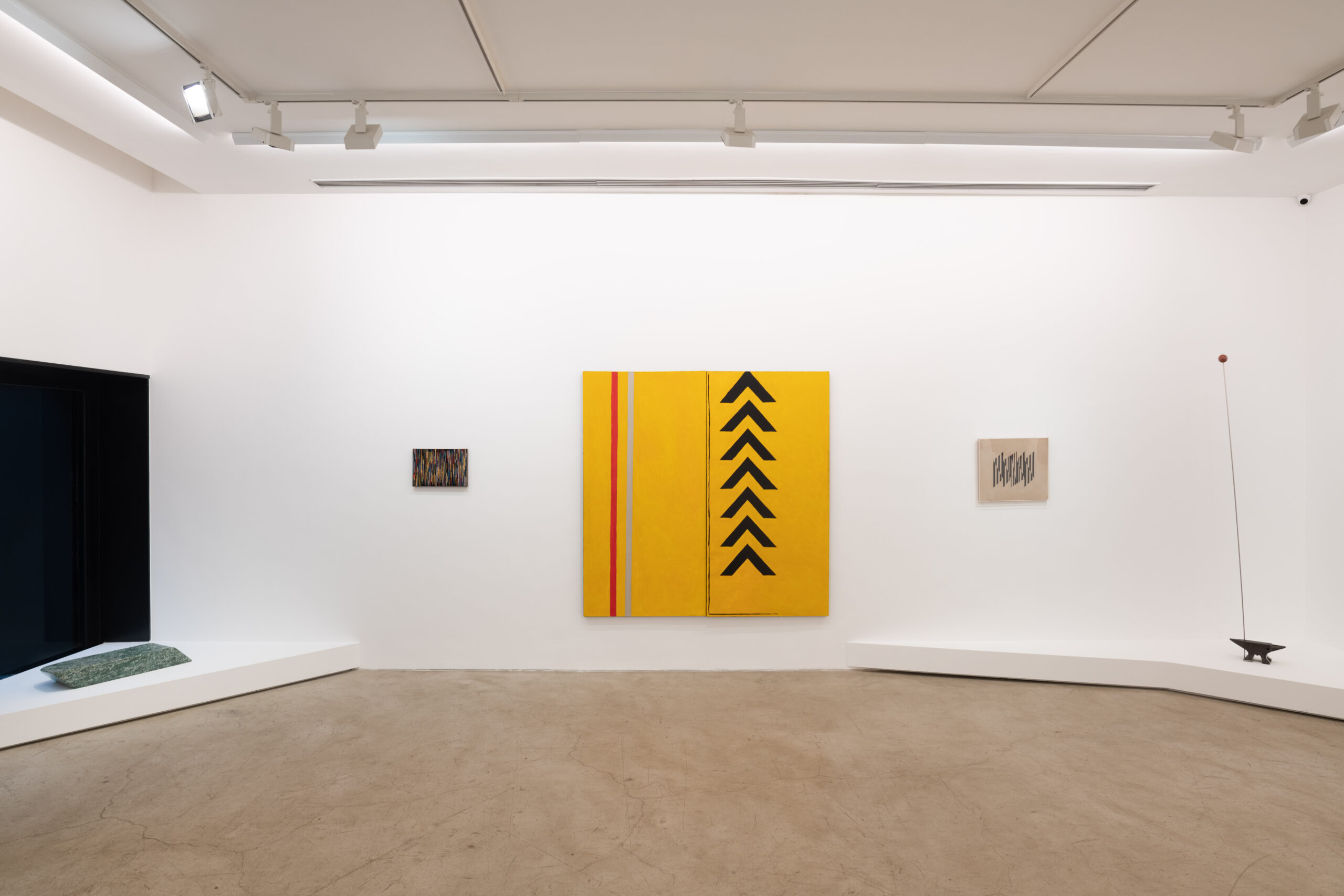
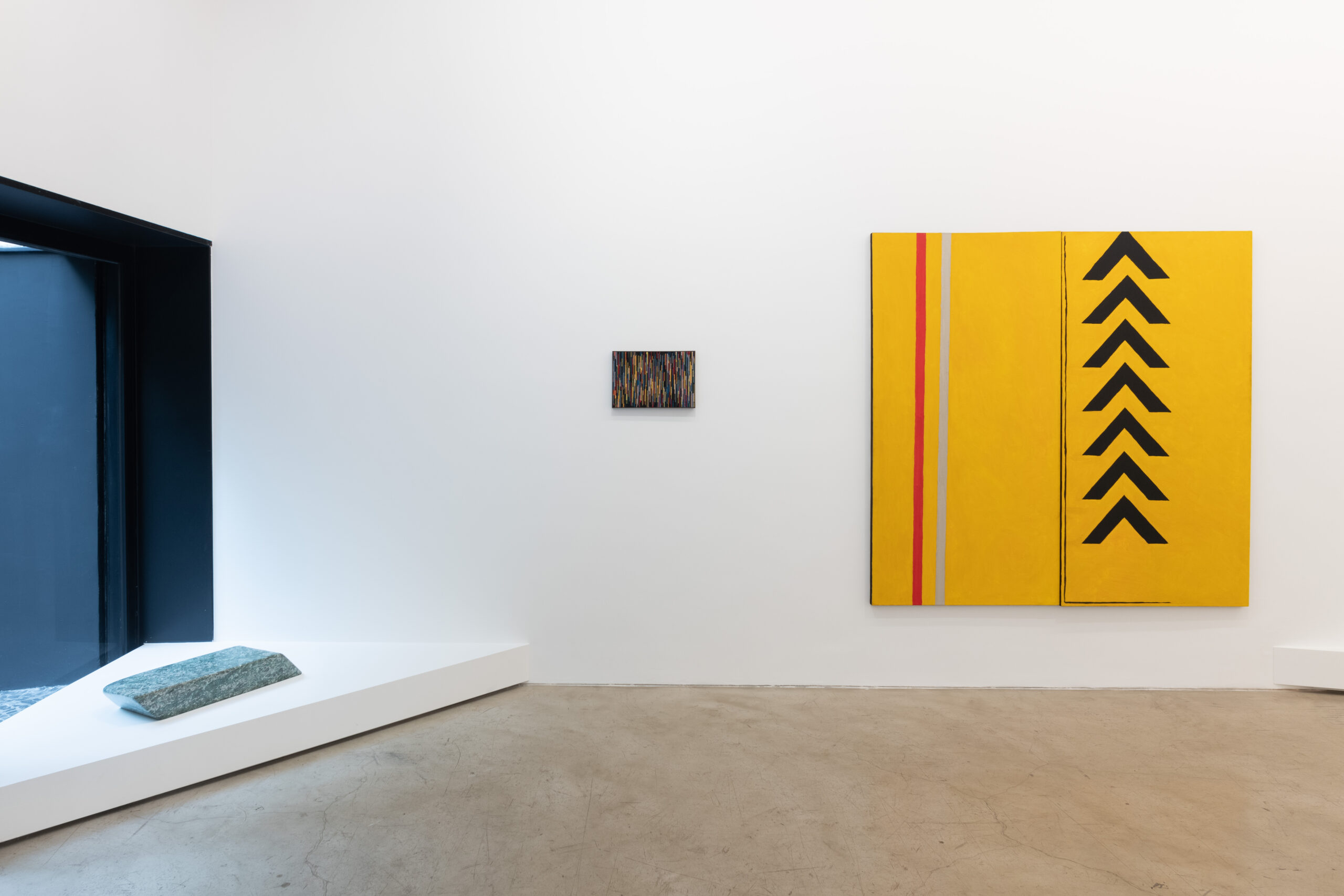
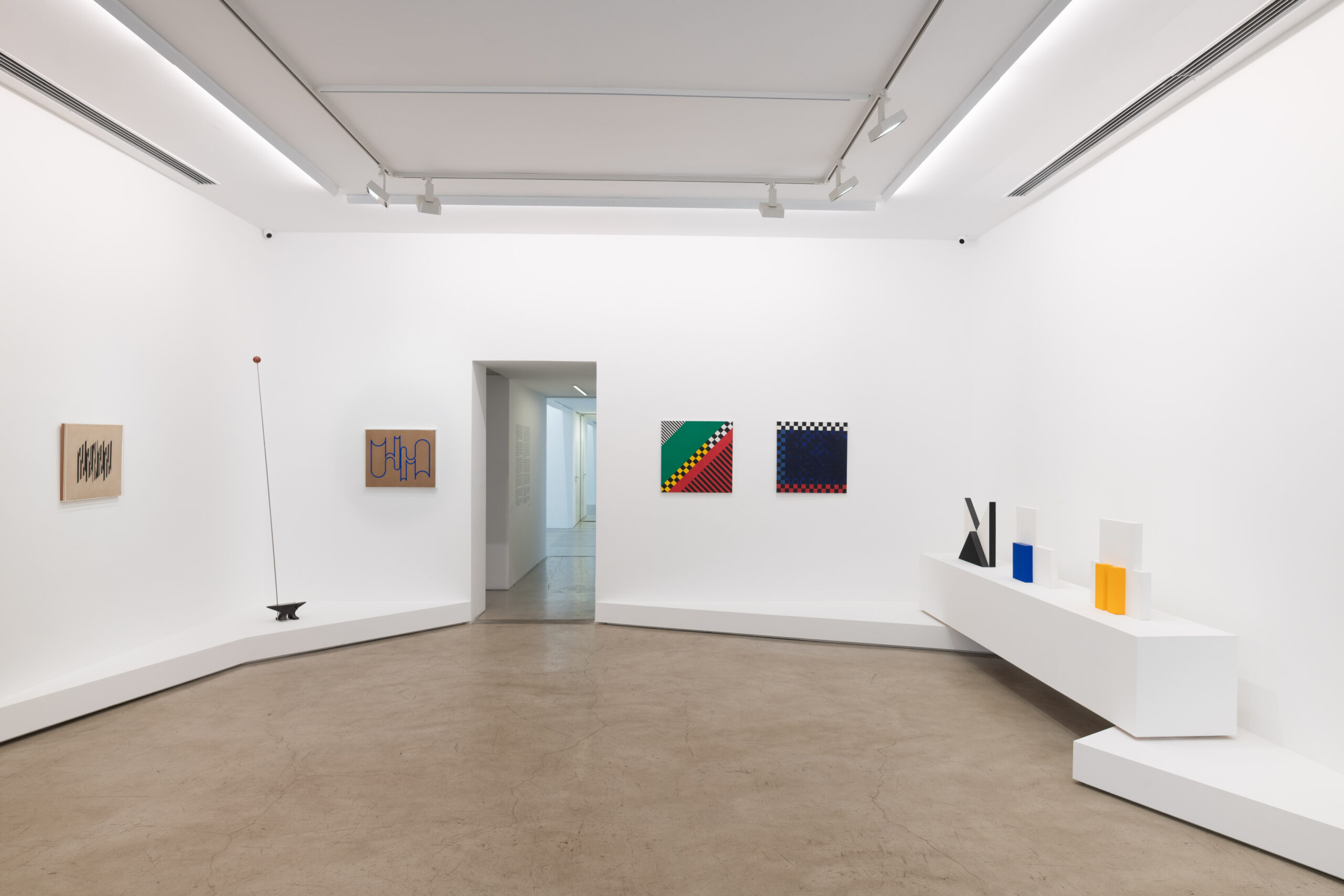
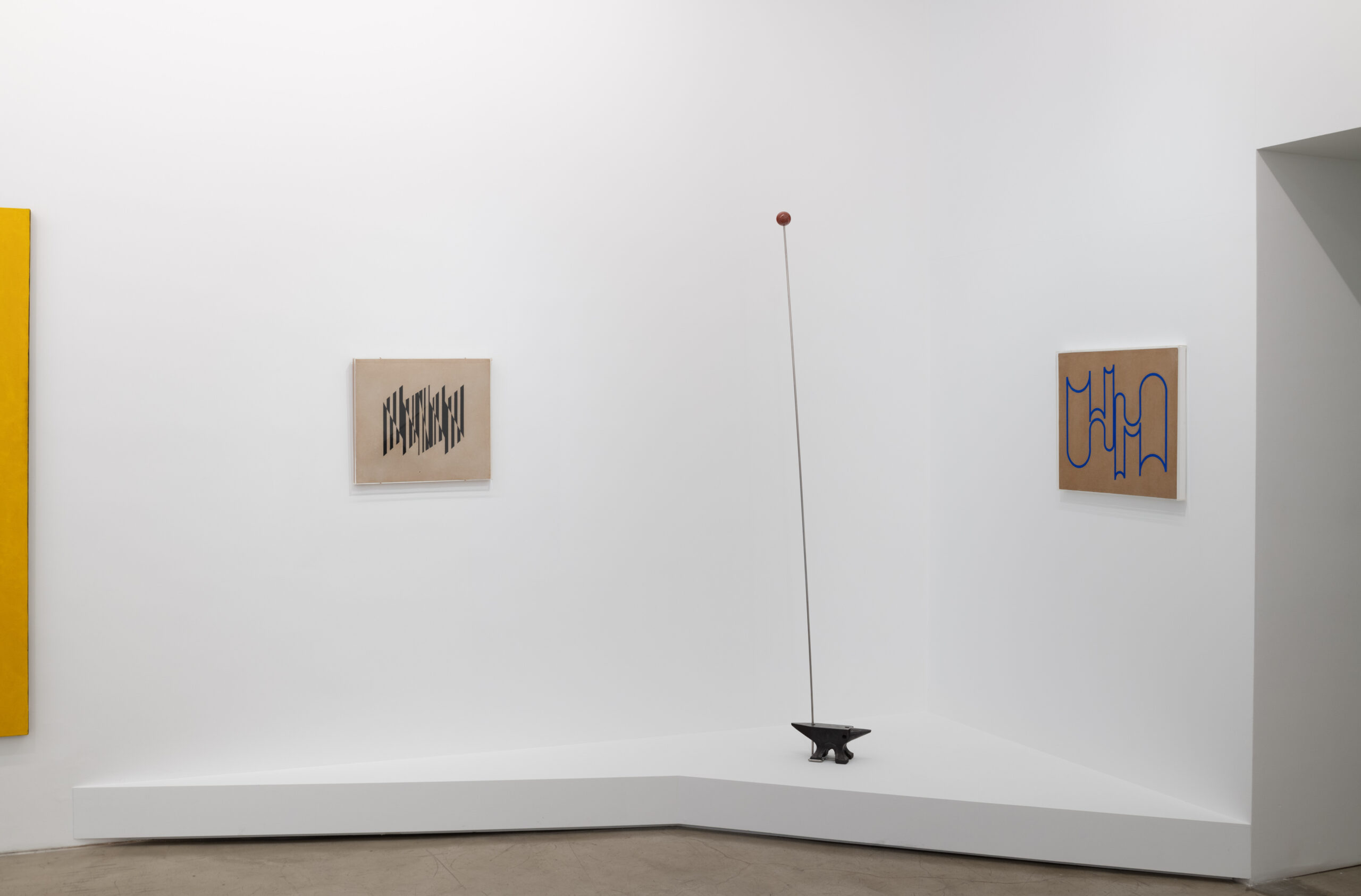
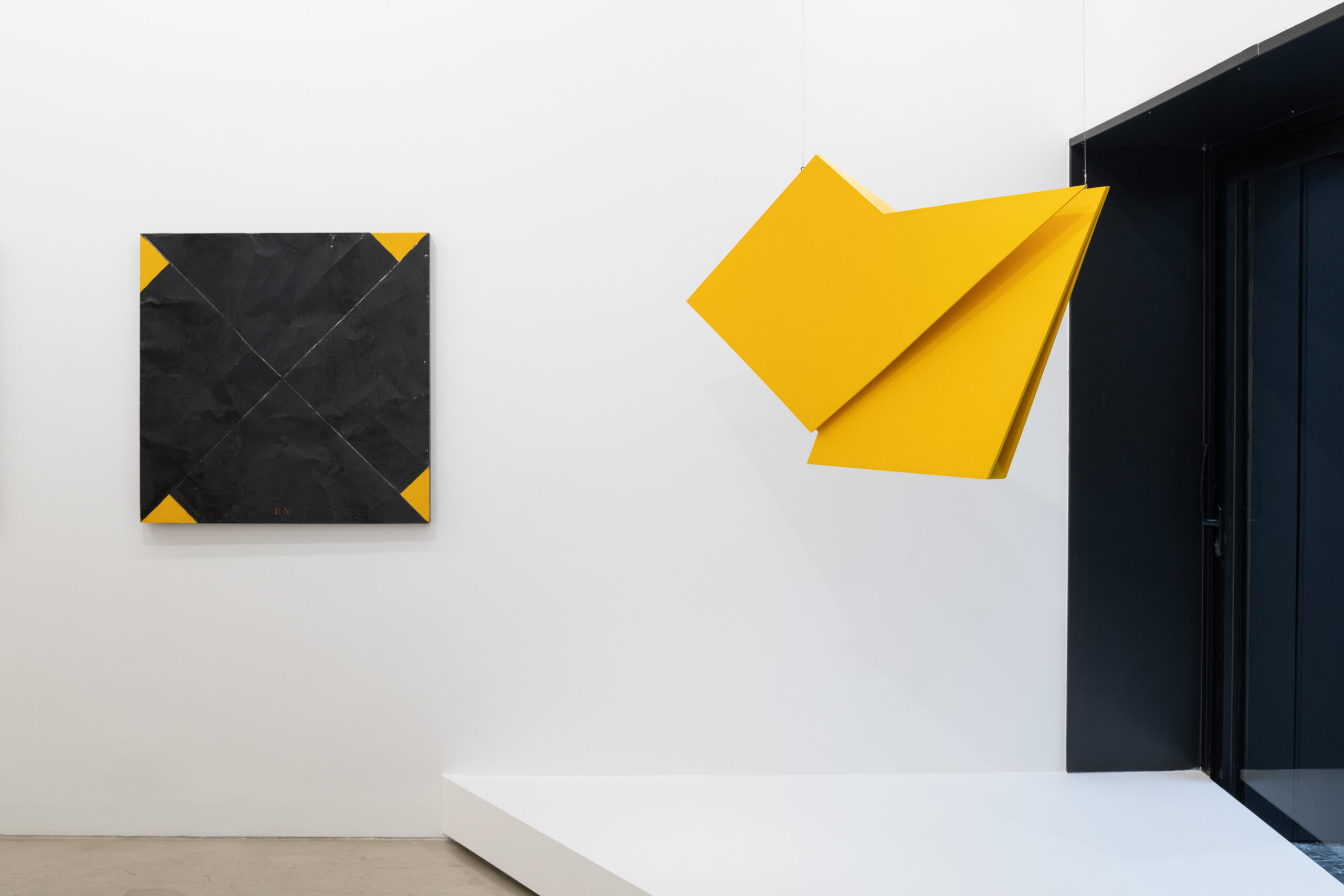
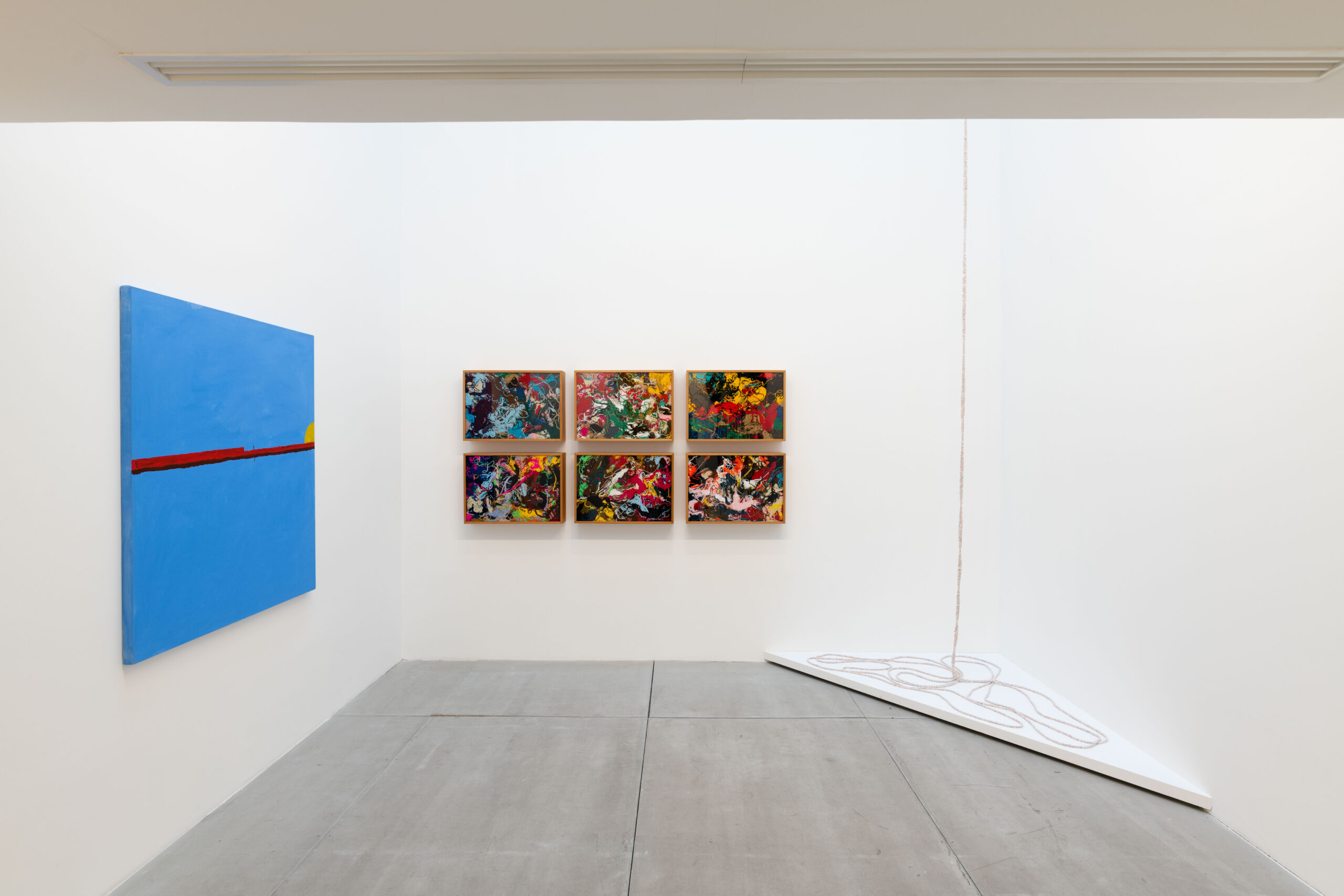
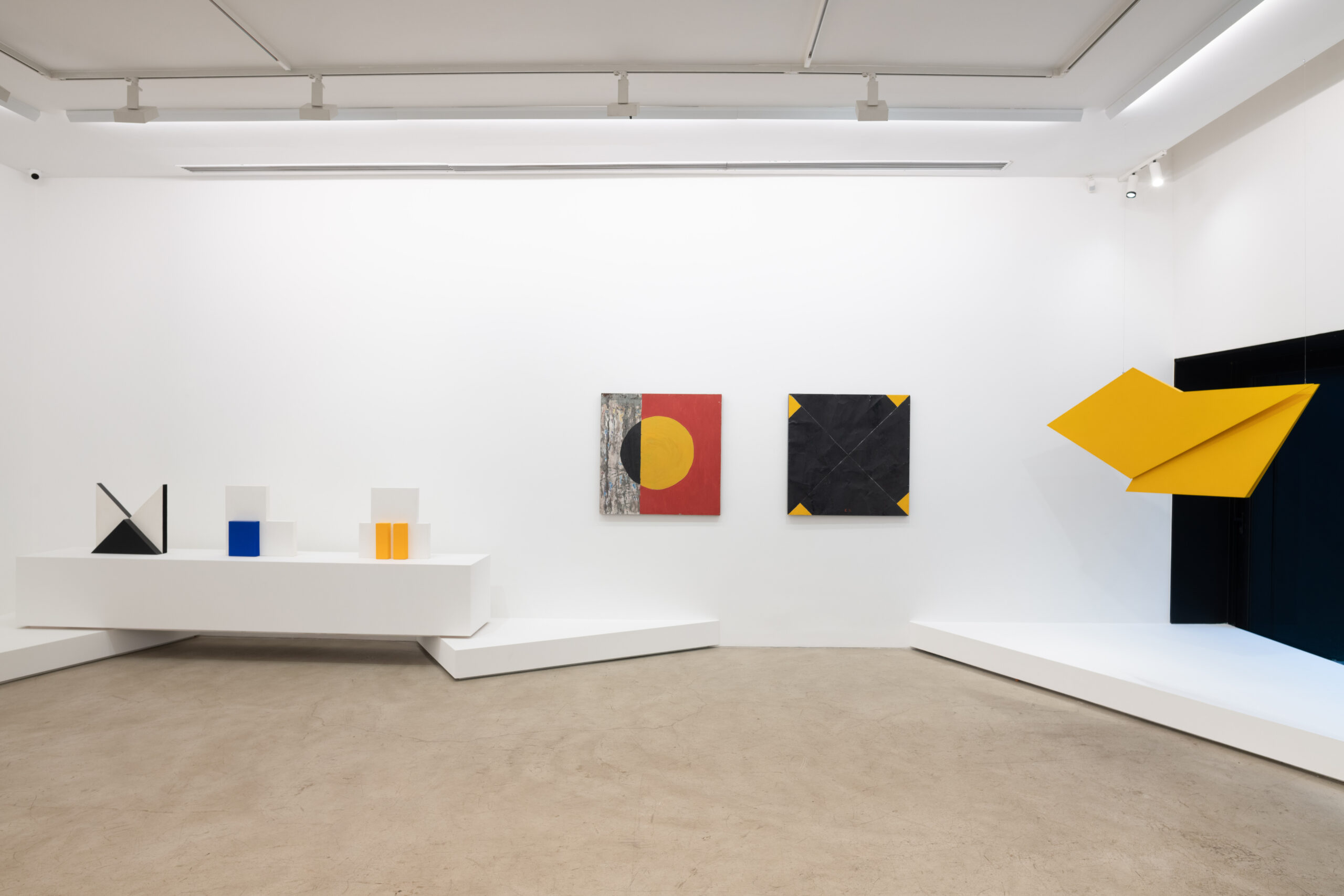
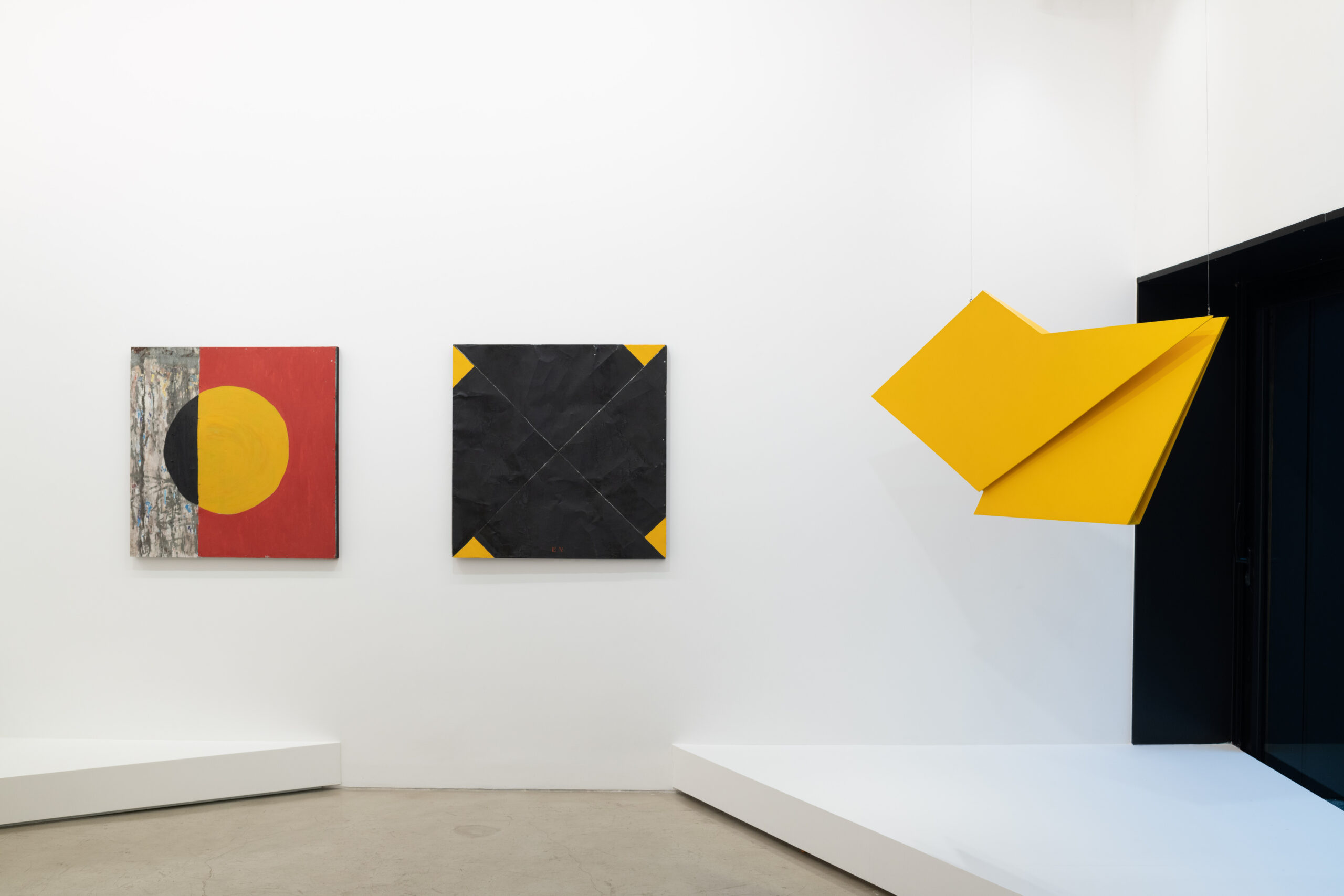
WORKS
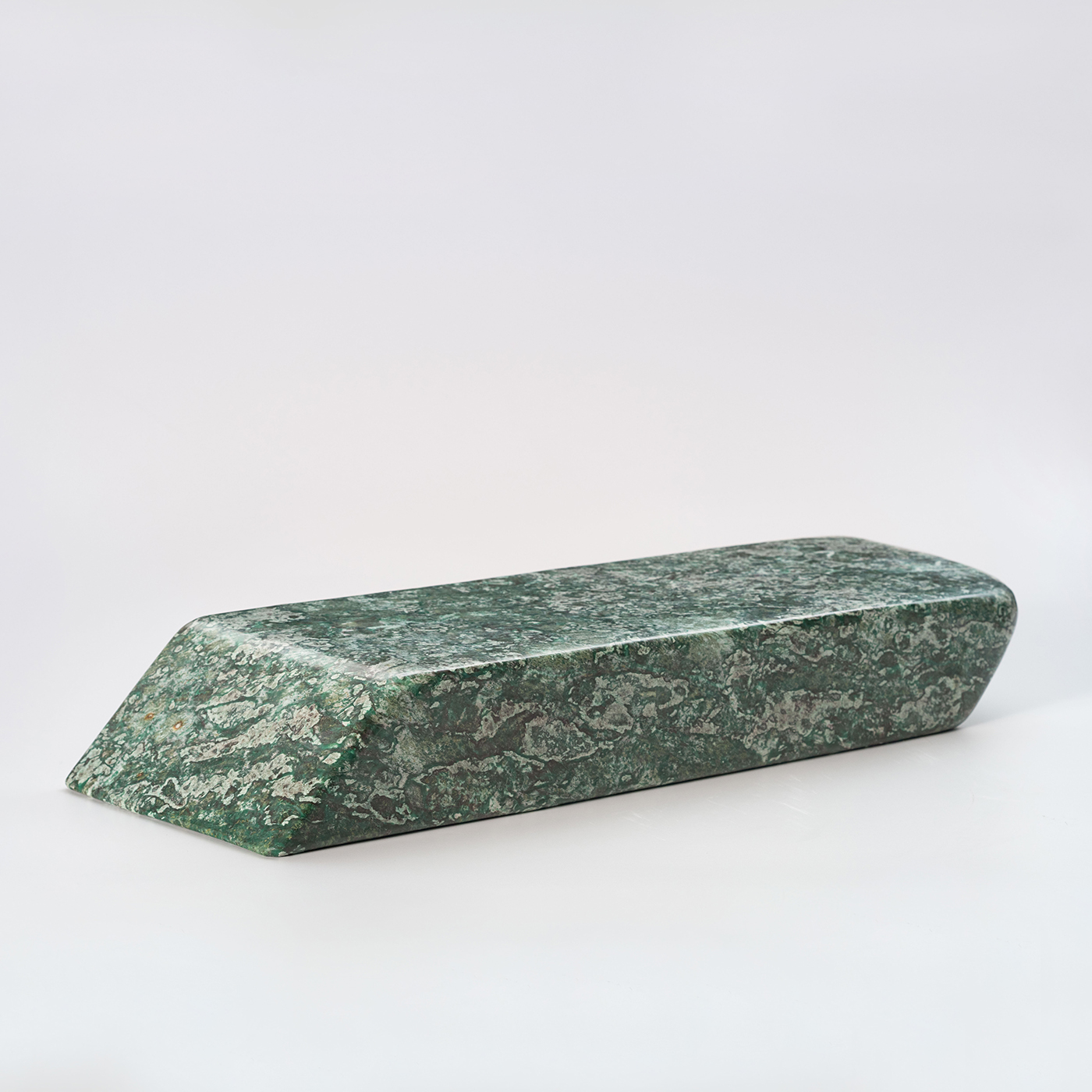
José Damasceno
Escultura Borracha, 2013
serpentinite
5 1/8 x 32 1/4 x 11 1/8 in
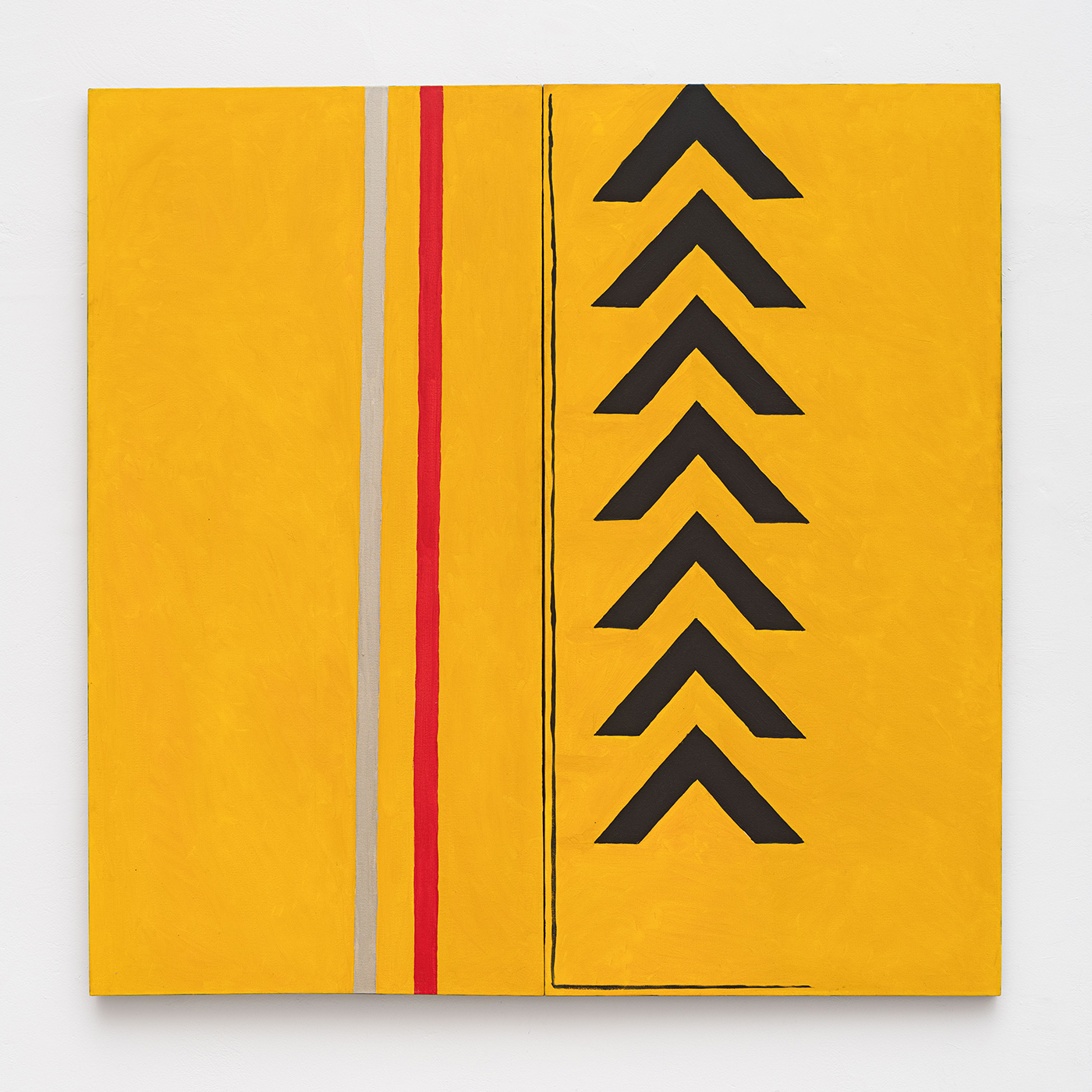
Emmanuel Nassar
Tapume, 2009
oil on canvas
diptych
70 7/8 x 70 7/8 in
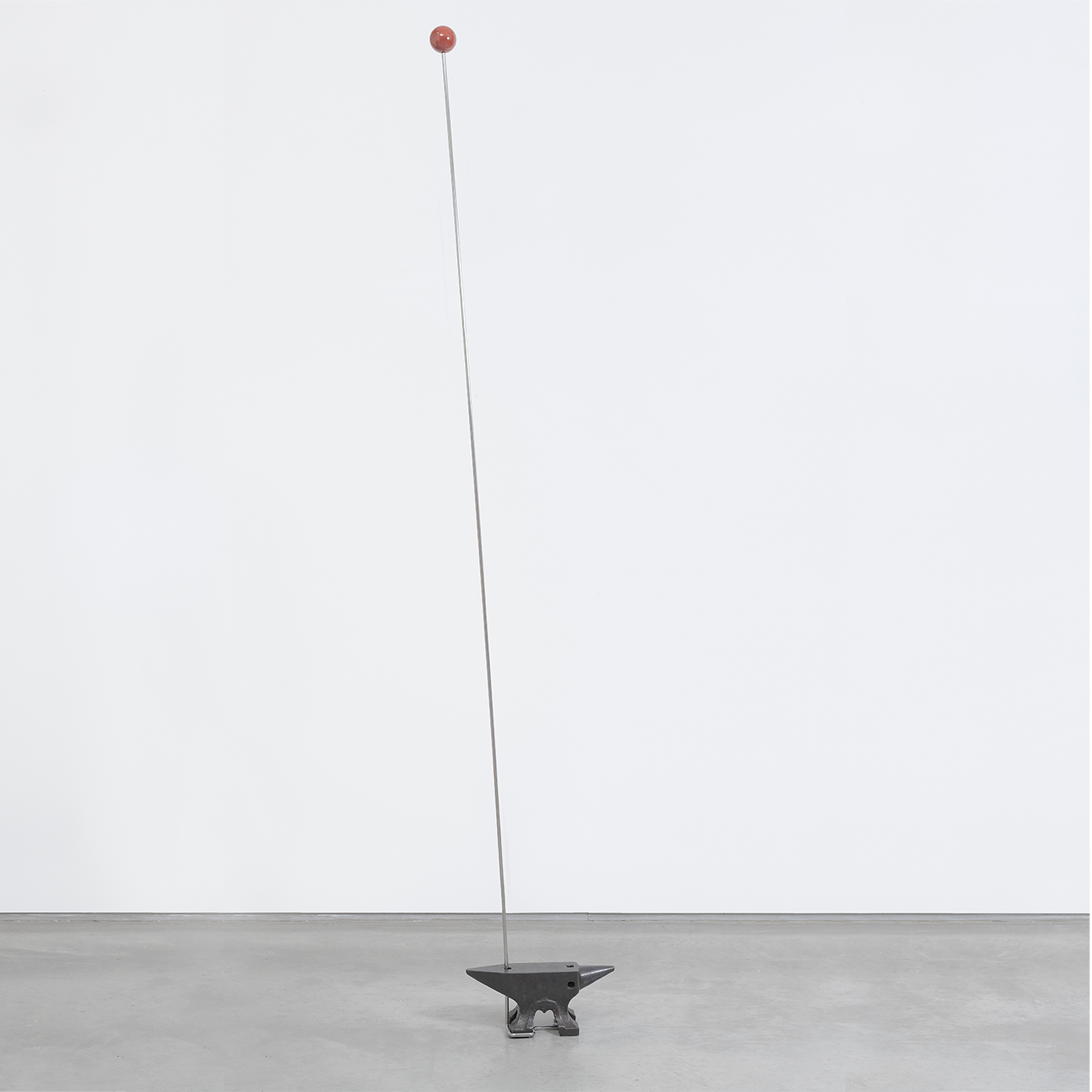
José Damasceno
Nexo, 2024
steel, iron, and jasper
84 5/8 x 12 5/8 x 4 3/4 in
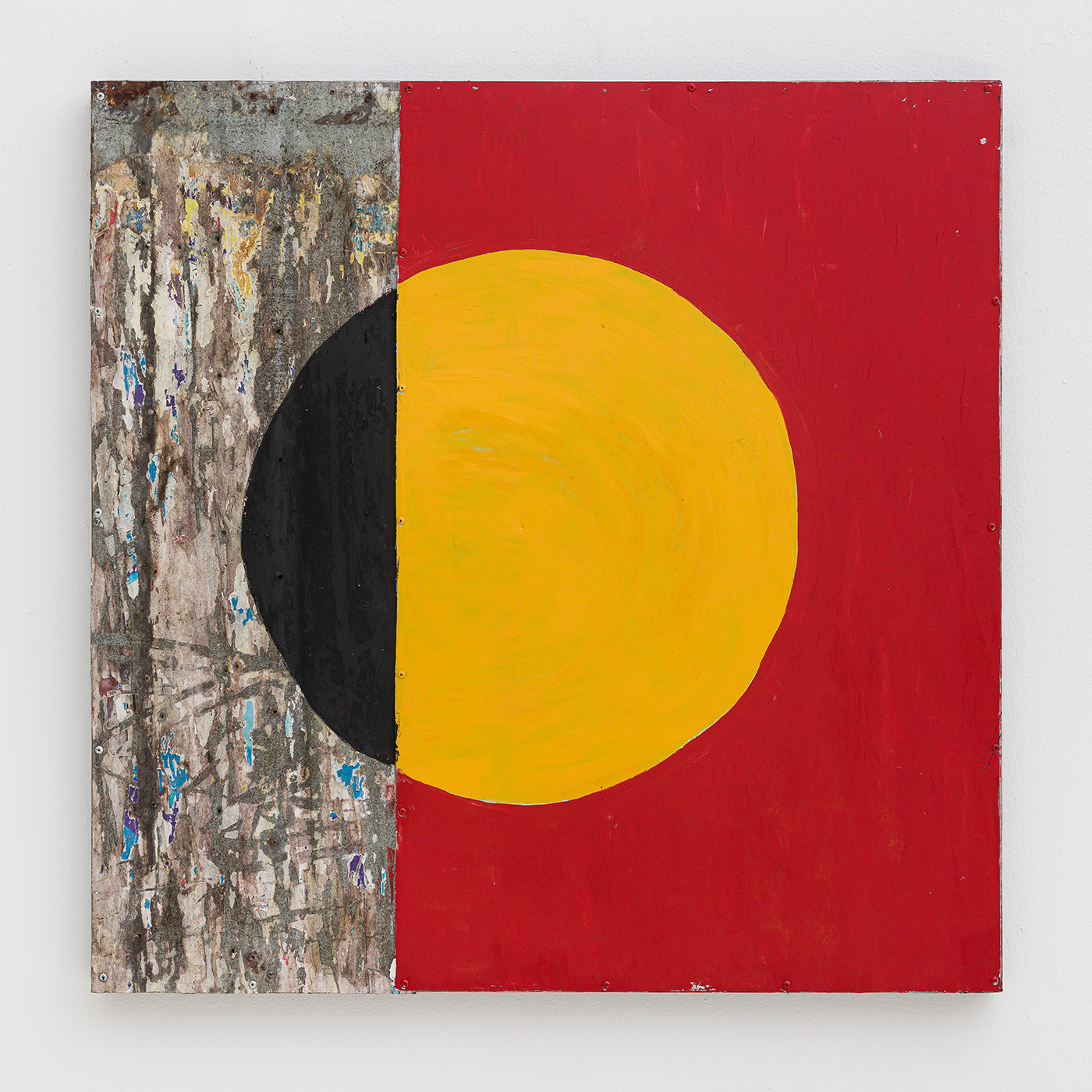
Emmanuel Nassar
Chapa2314, 2023
synthetic enamel on sheet metal
35 3/8 x 35 3/8 in

Hélio Oiticica
Metaesquema, n.d.
gouache on paper
20 1/4 x 24 5/8 in
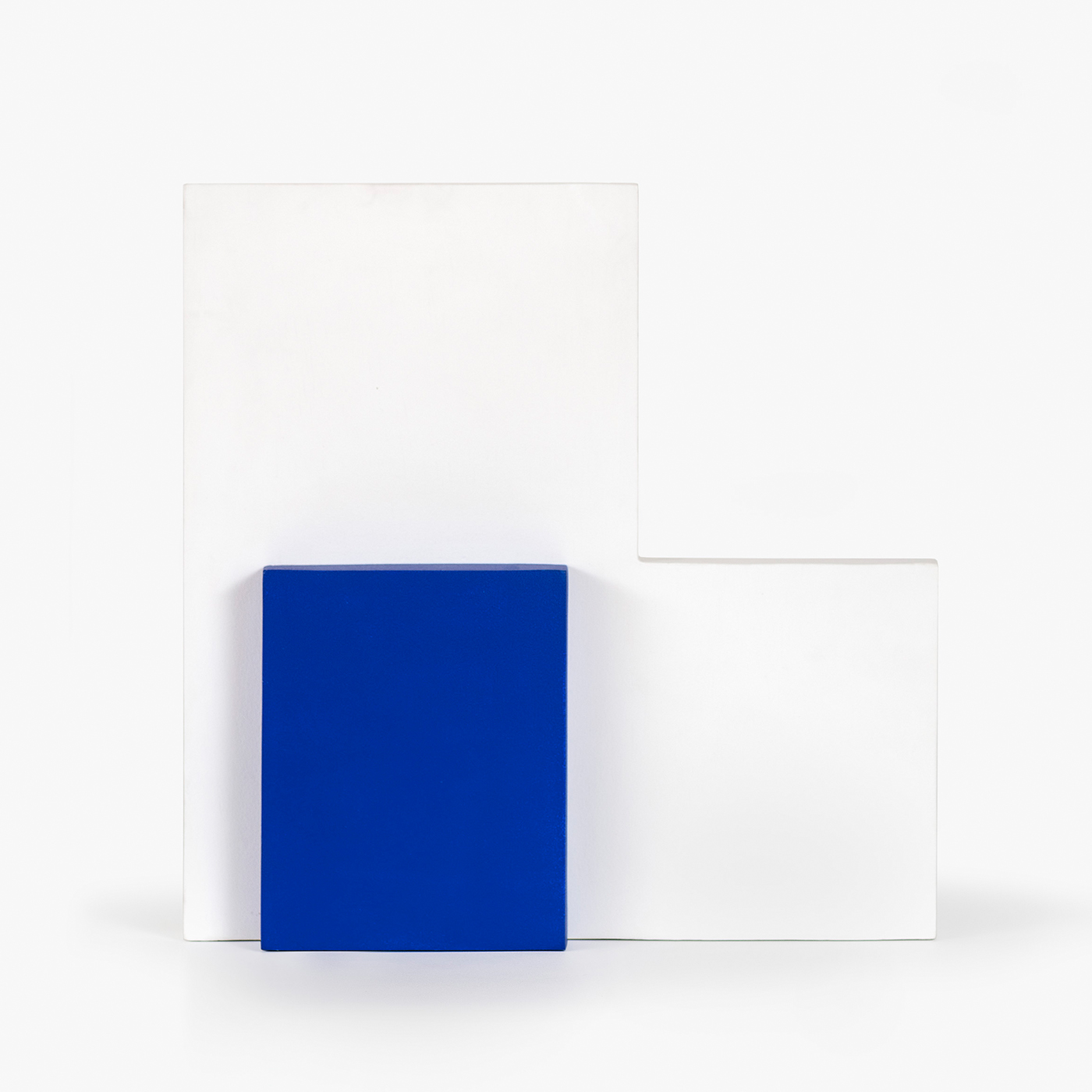
Privado: Lygia Pape
Untitled, from the series Livro do Tempo, 1965
automotive paint and tempera on wood
19 3/4 x 19 3/4 x 4 1/8 in

Privado: Hélio Oiticica
Relevo espacial A17, 1959/1991
acrylic on wood
29 7/8 x 61 3/8 x 3 1/8 in
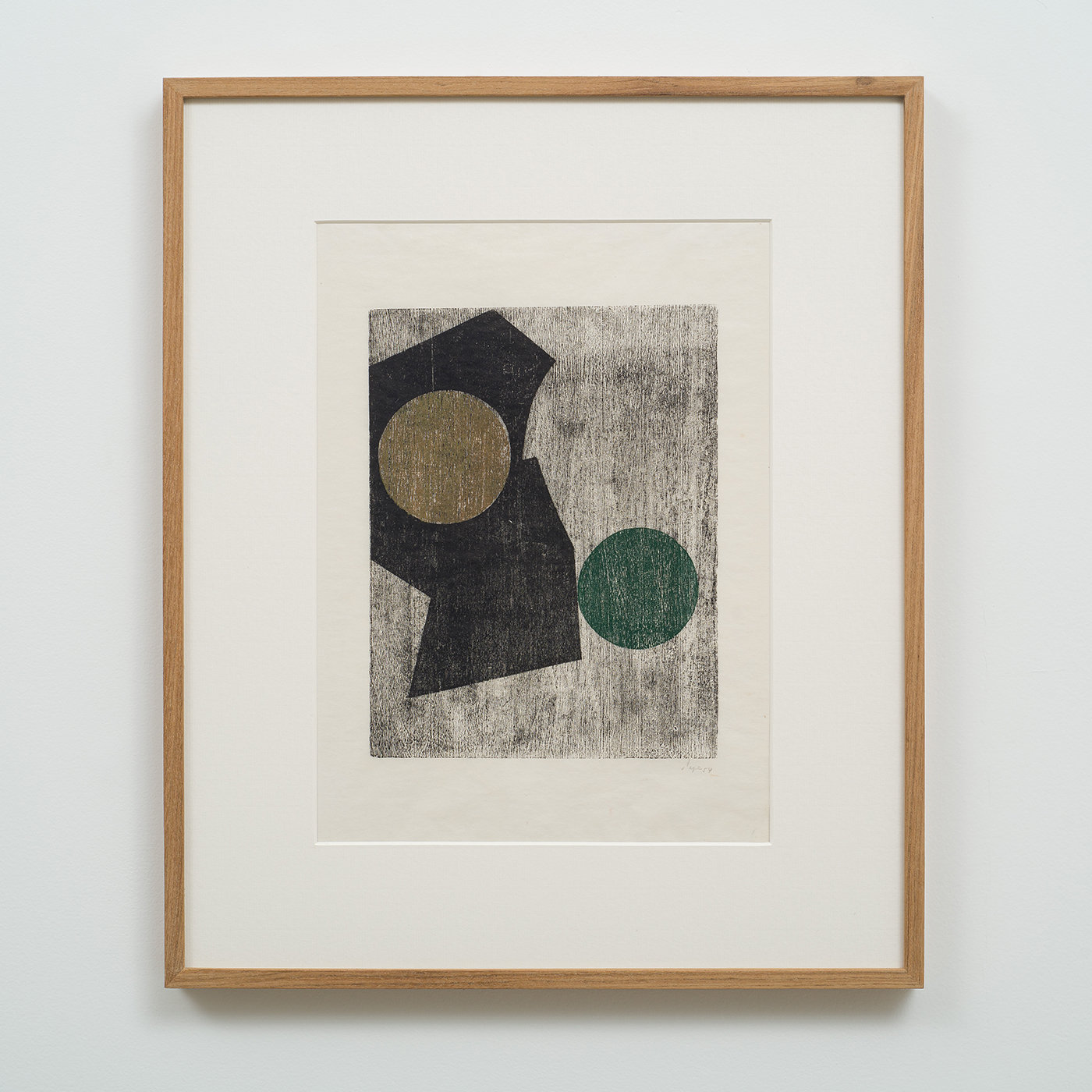
Lygia Pape
Untitled, from the series Tecelares, 1954
woodcut on Japanese paper
17 1/2 x 12 3/4 in
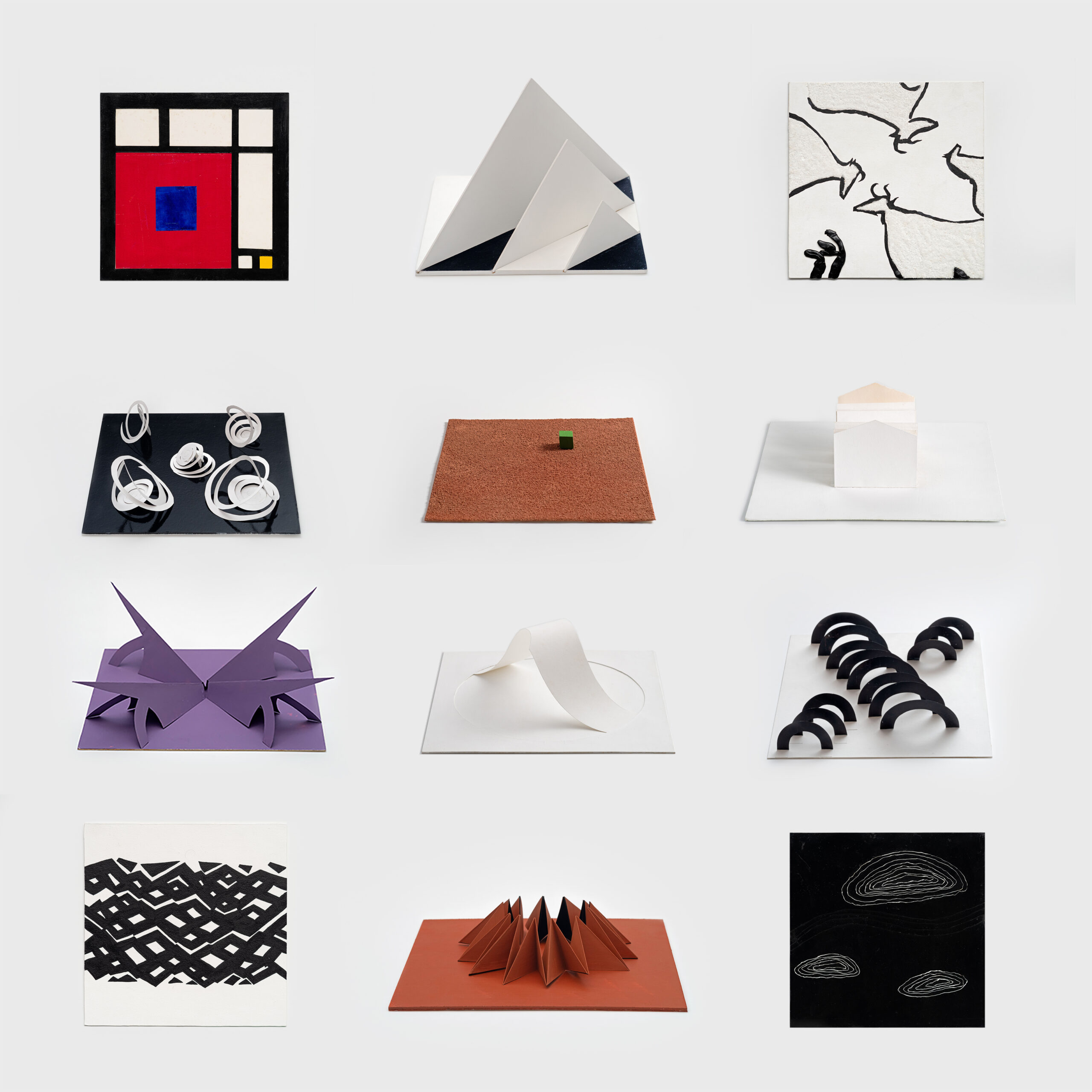
Lygia Pape
Livro da Arquitetura nº II, 1959/1960
cardboard and various materials
11 3/4 x 11 3/4 x 8 1/4 in (each)
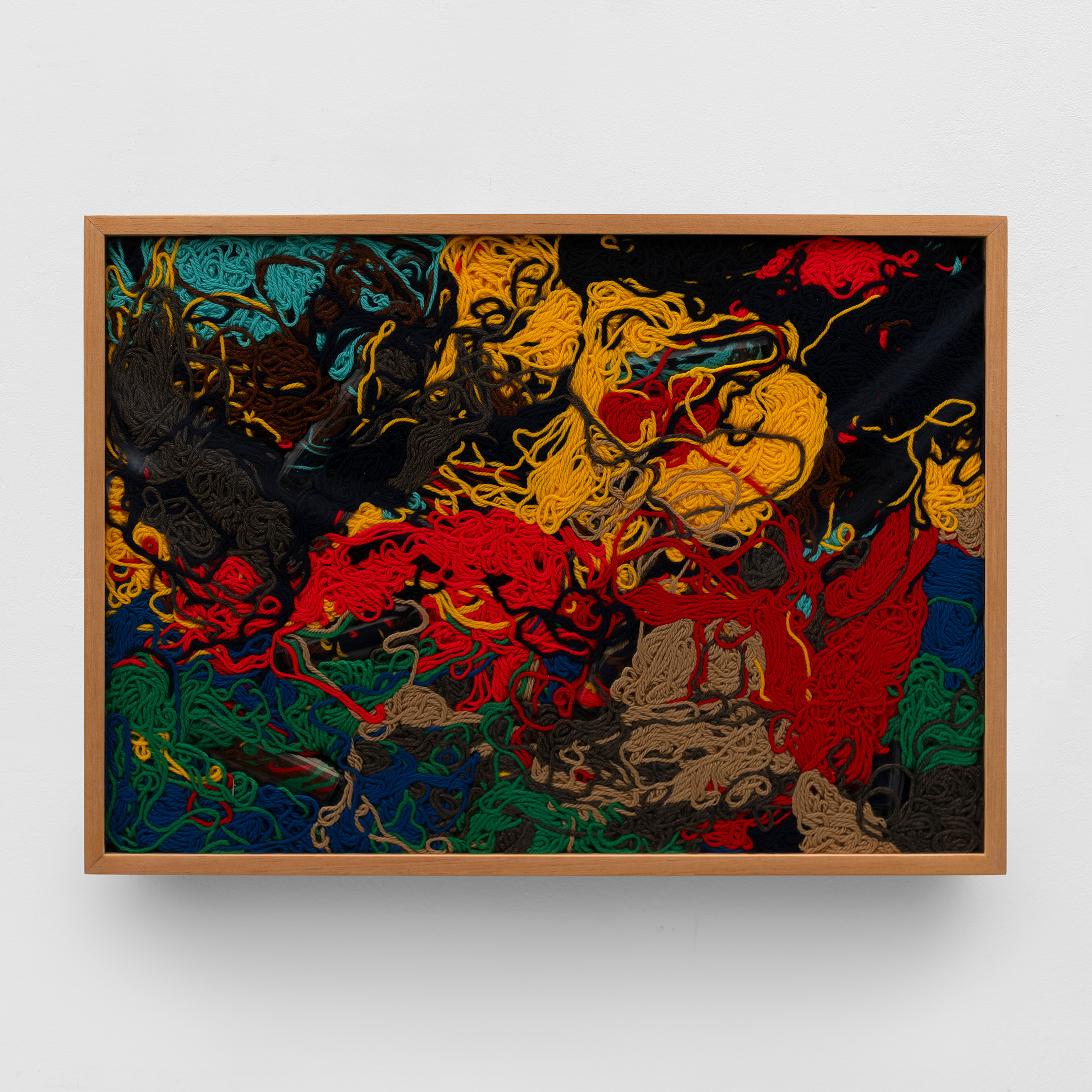
José Damasceno
Condensador cromático, 2025
wool, glass, and wooden frame
18 1/2 x 26 x 6 1/4 in
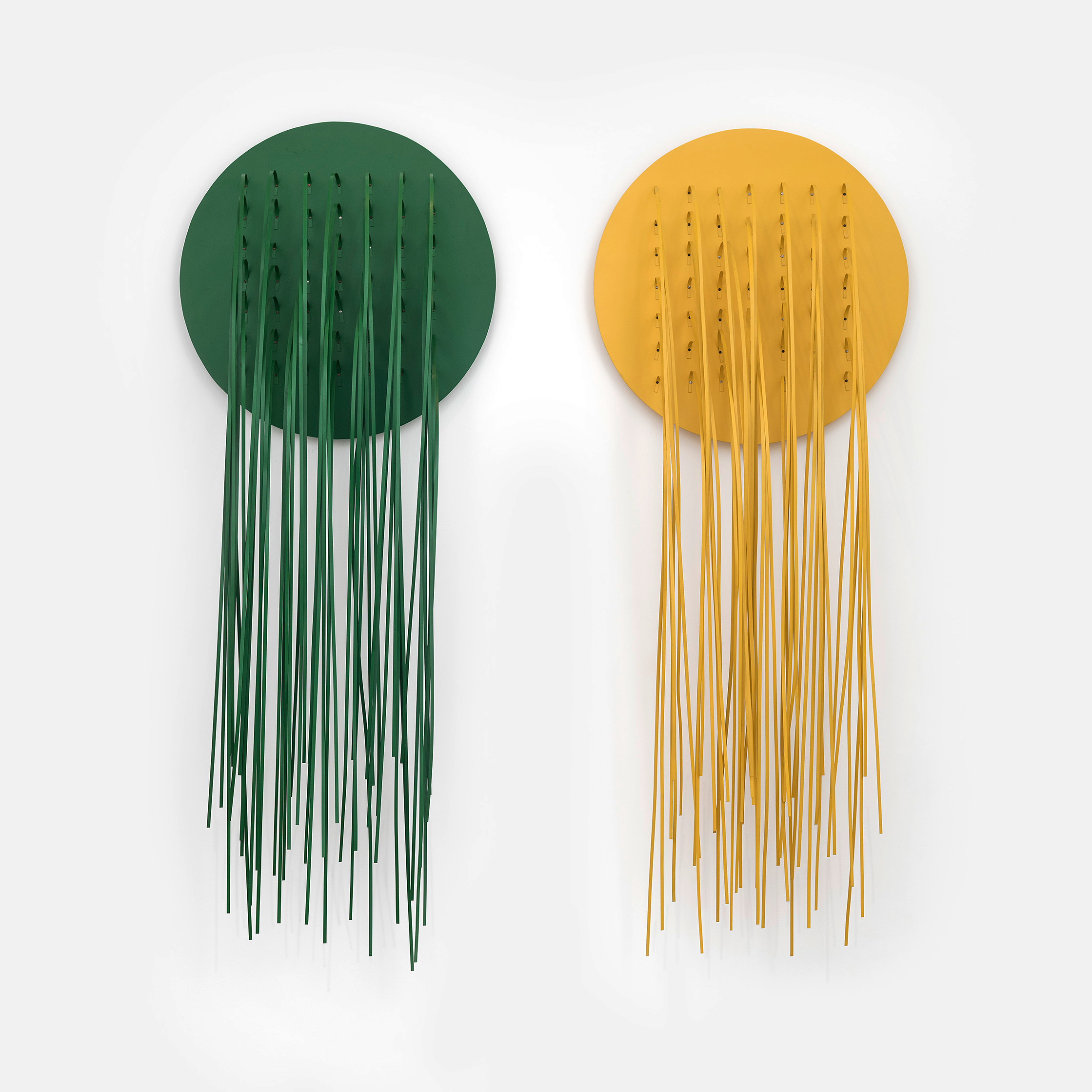
Lygia Pape
Amazonino, 1992
automotive paint on iron
78 3/4 x Ø 39 3/8 in (each)
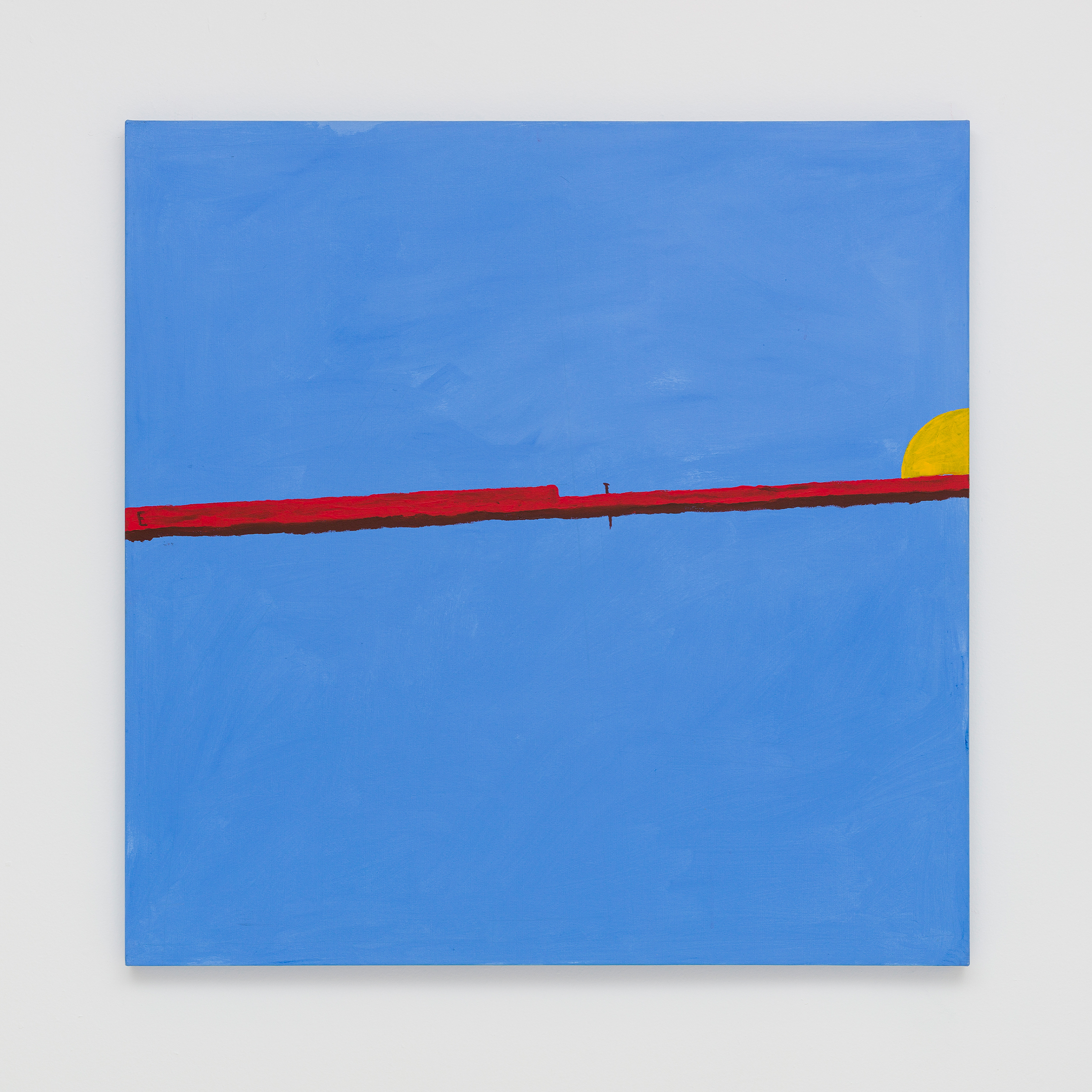
Emmanuel Nassar
Azul, 2020
acrylic on canvas
51 1/8 x 51 1/8 in