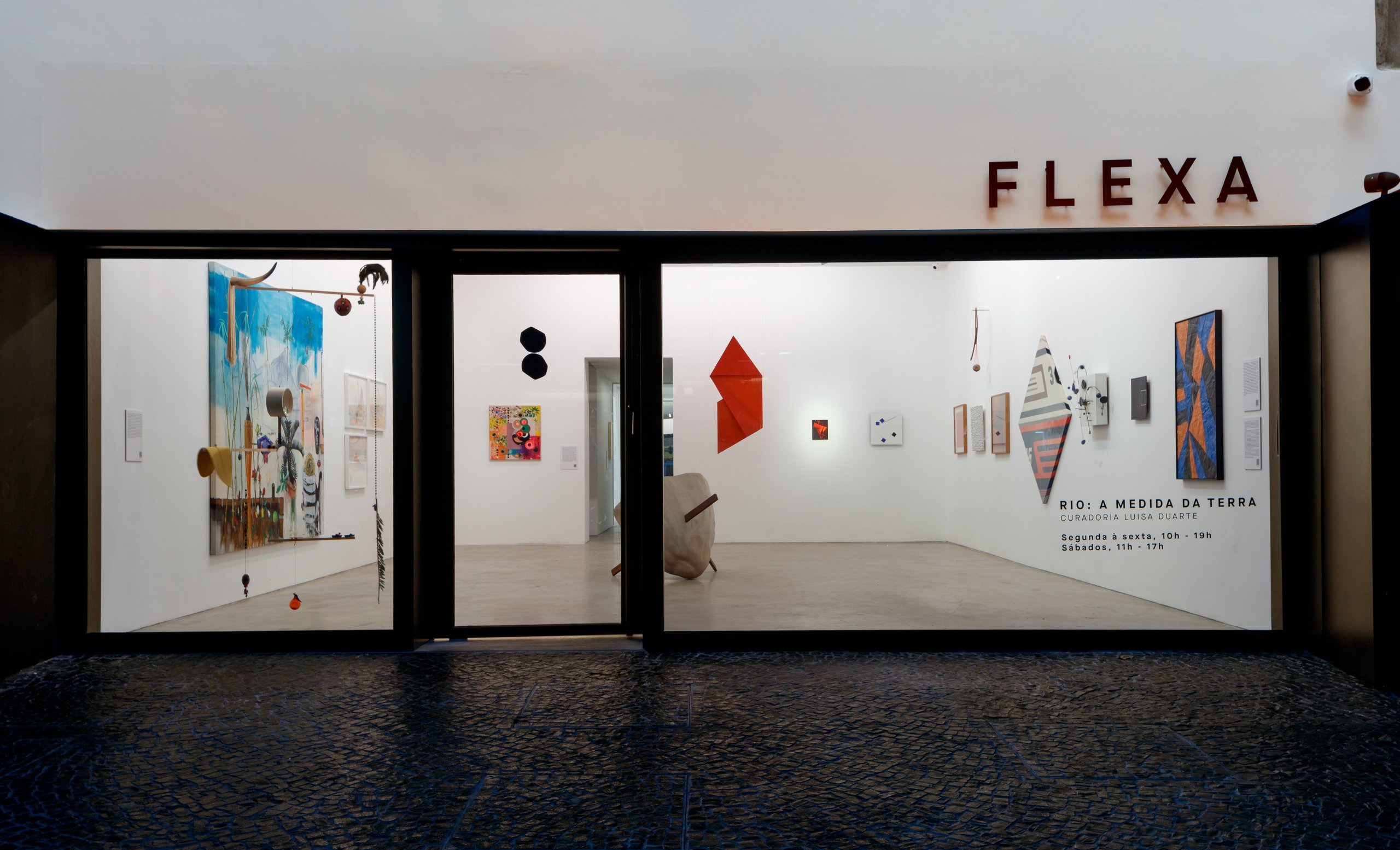
RIO: THE MEASURE OF LAND
There are different ways to approach a city through art. One of them involves the iconography of its landscapes—whether natural or urban—created across different epochs. Another entails revisiting chapters of local art history and capturing, through them, something unique about the city. A third path seeks to write a sort of poetic chronicle of the different aspects of the social fabric within the studied territory.
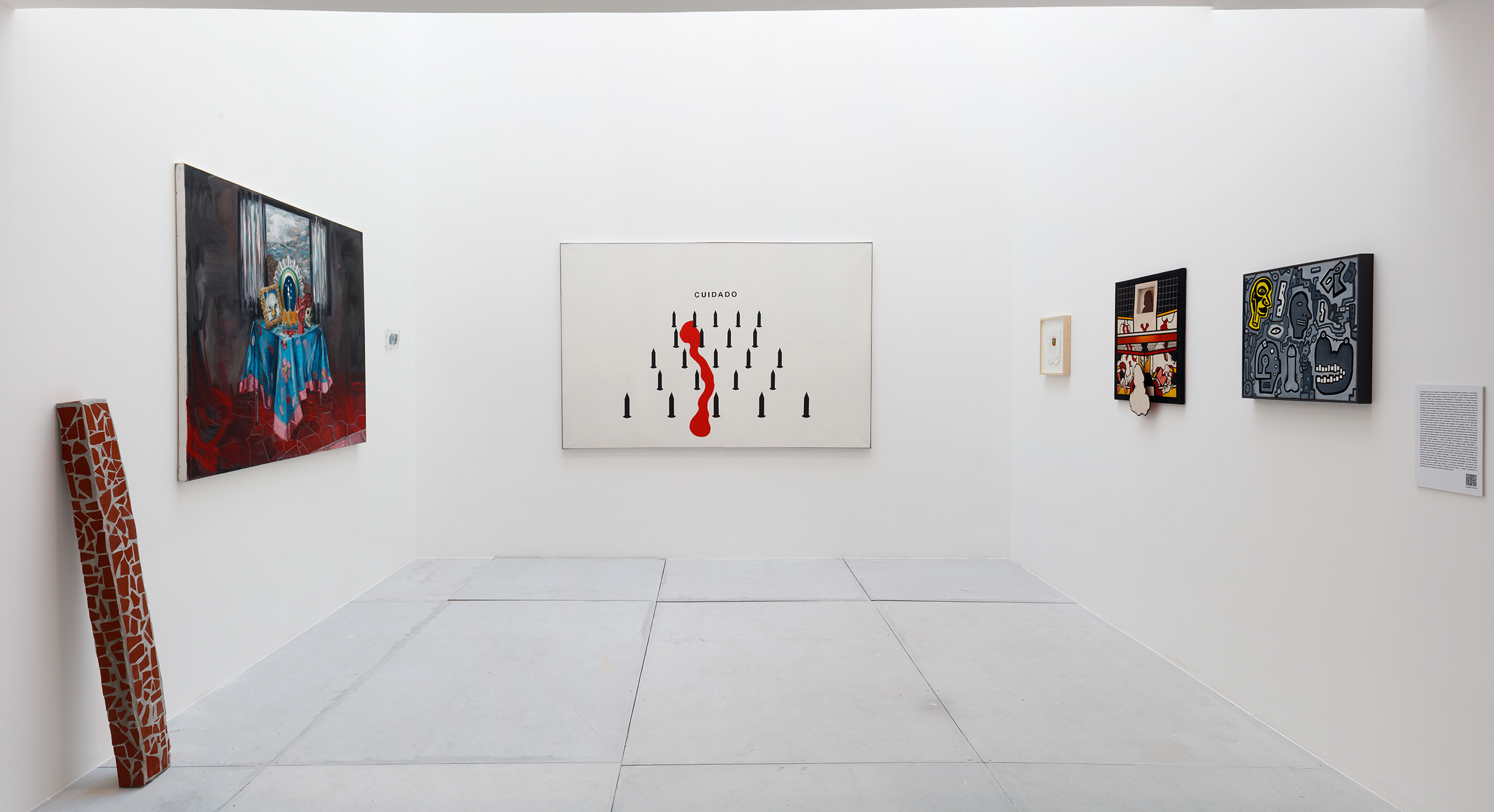
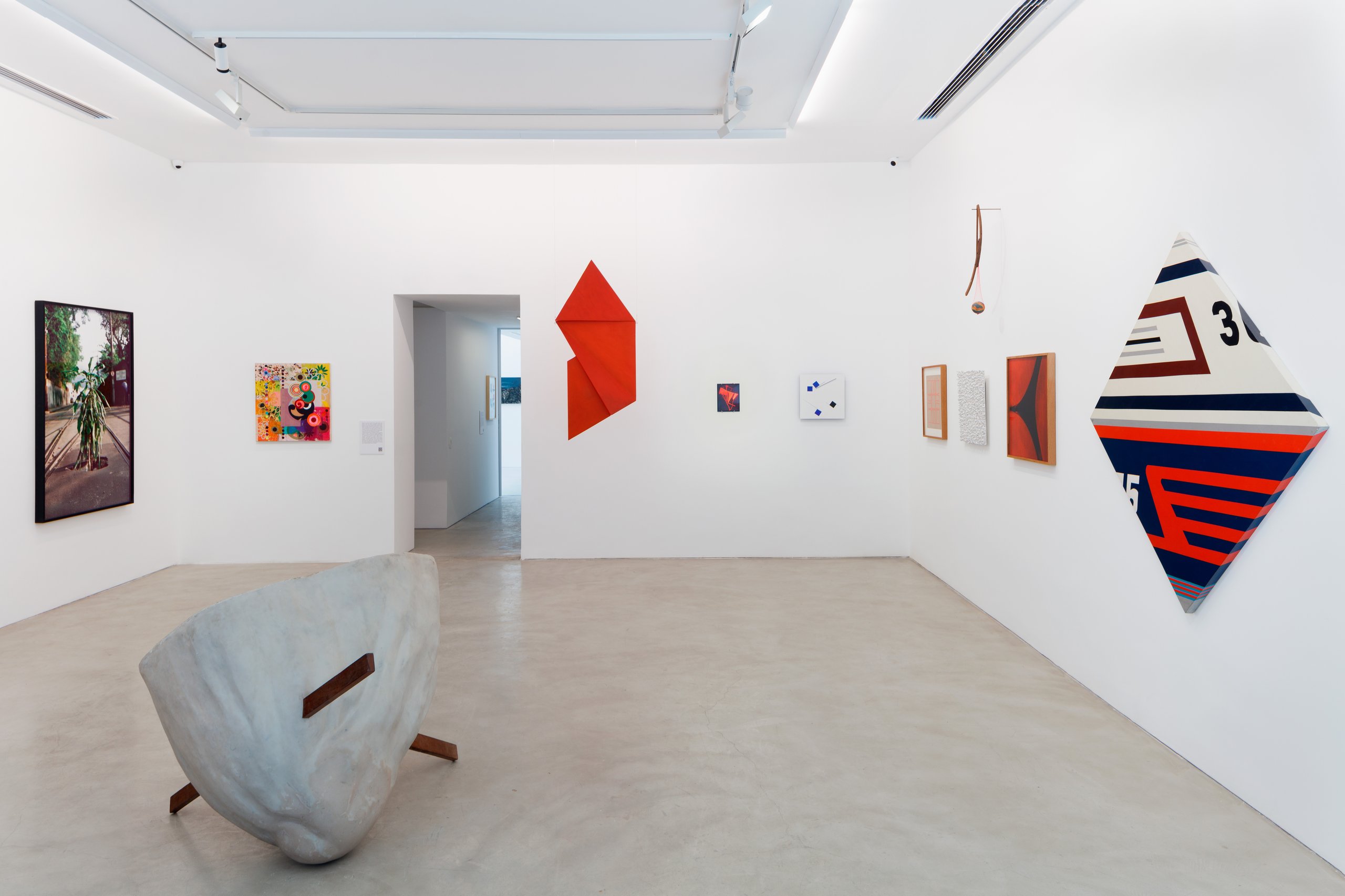
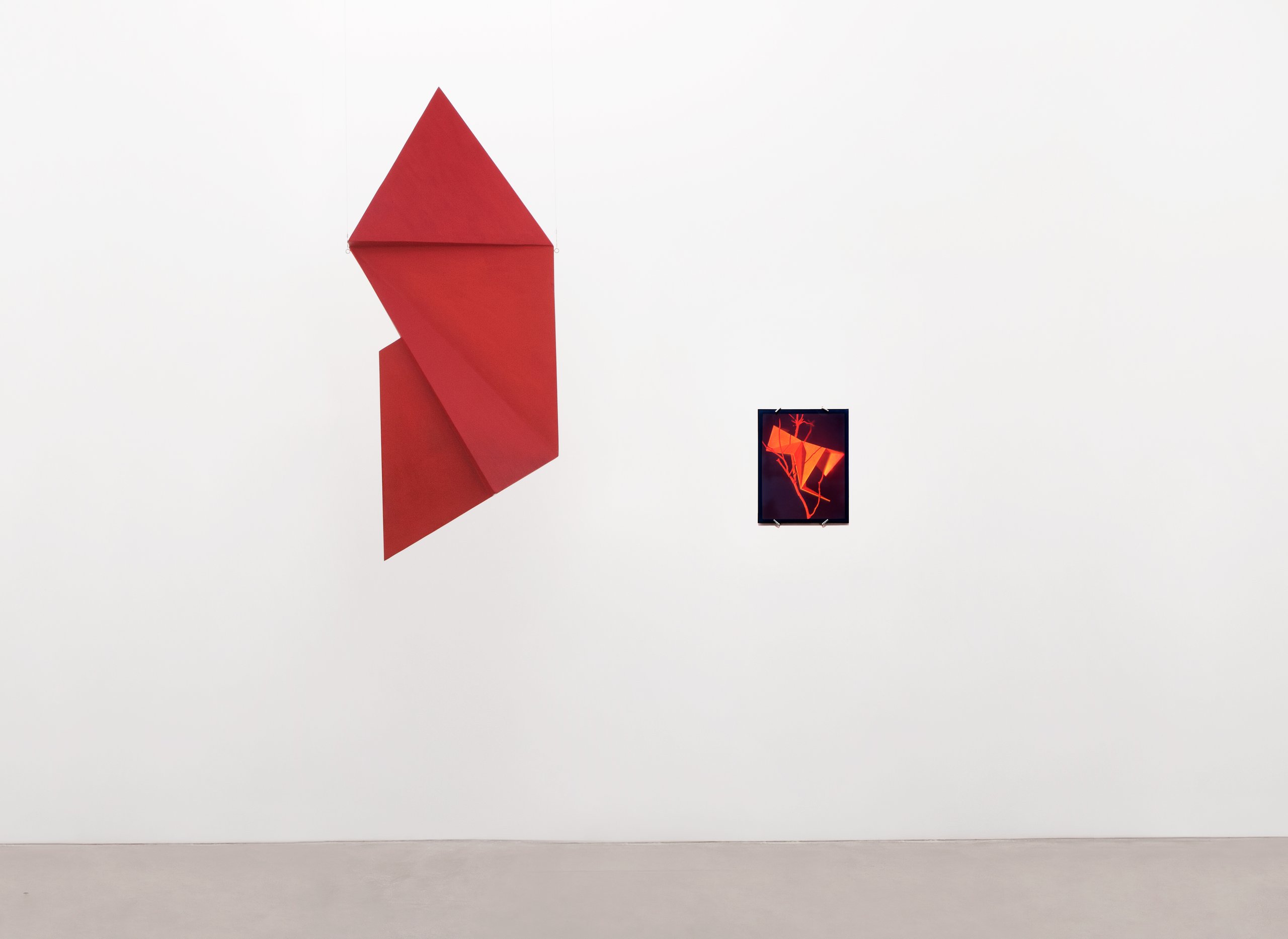
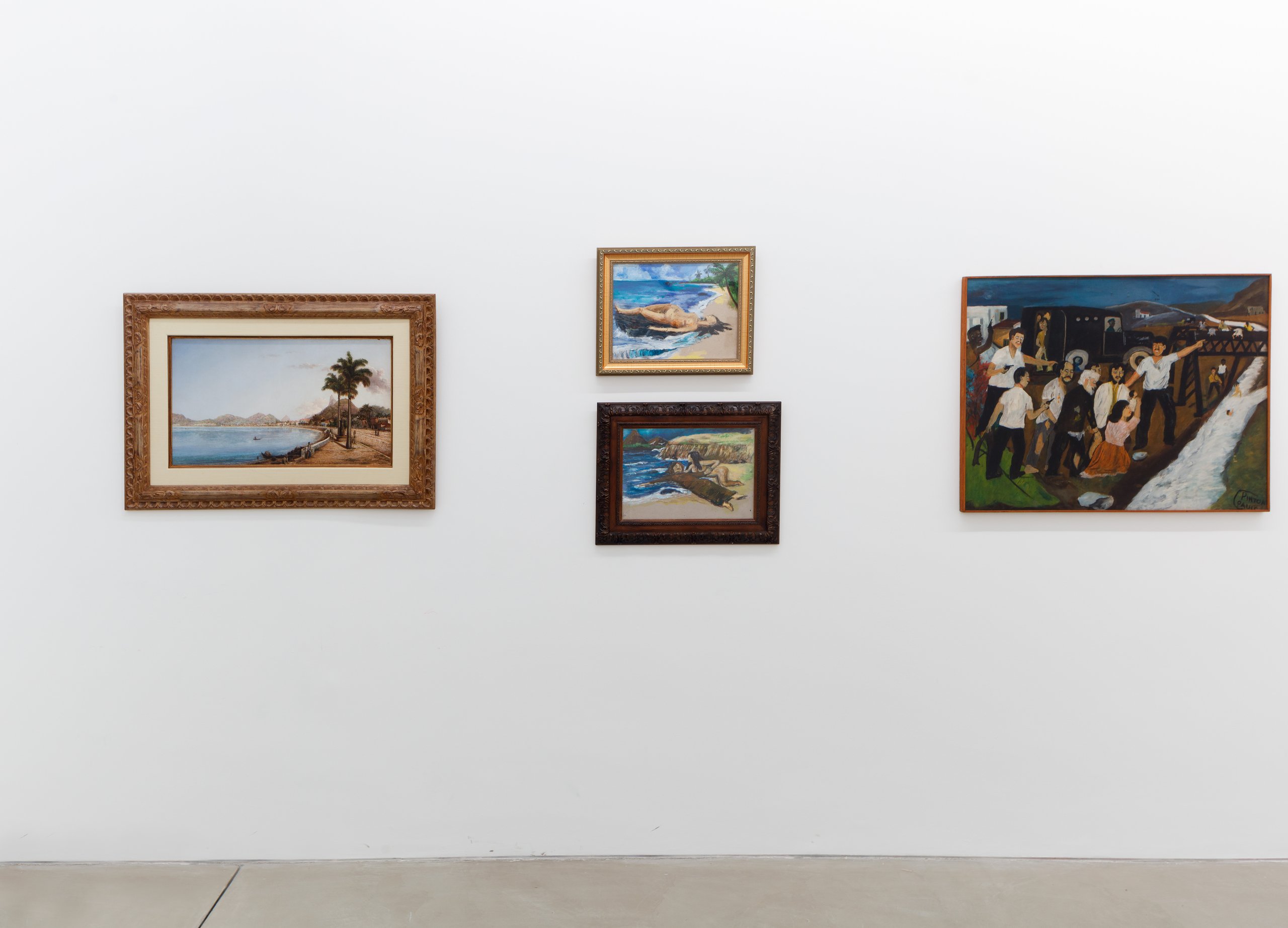
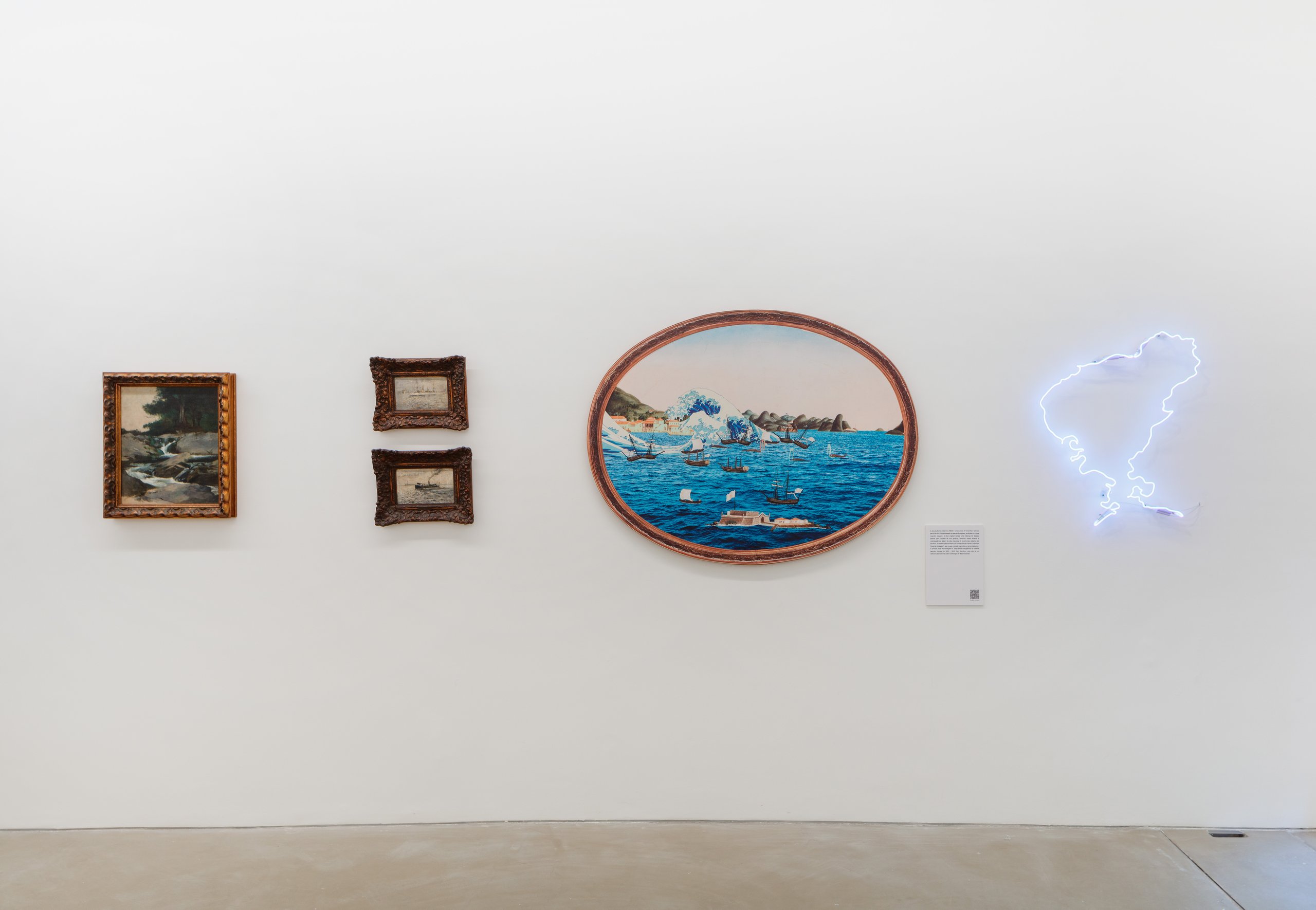
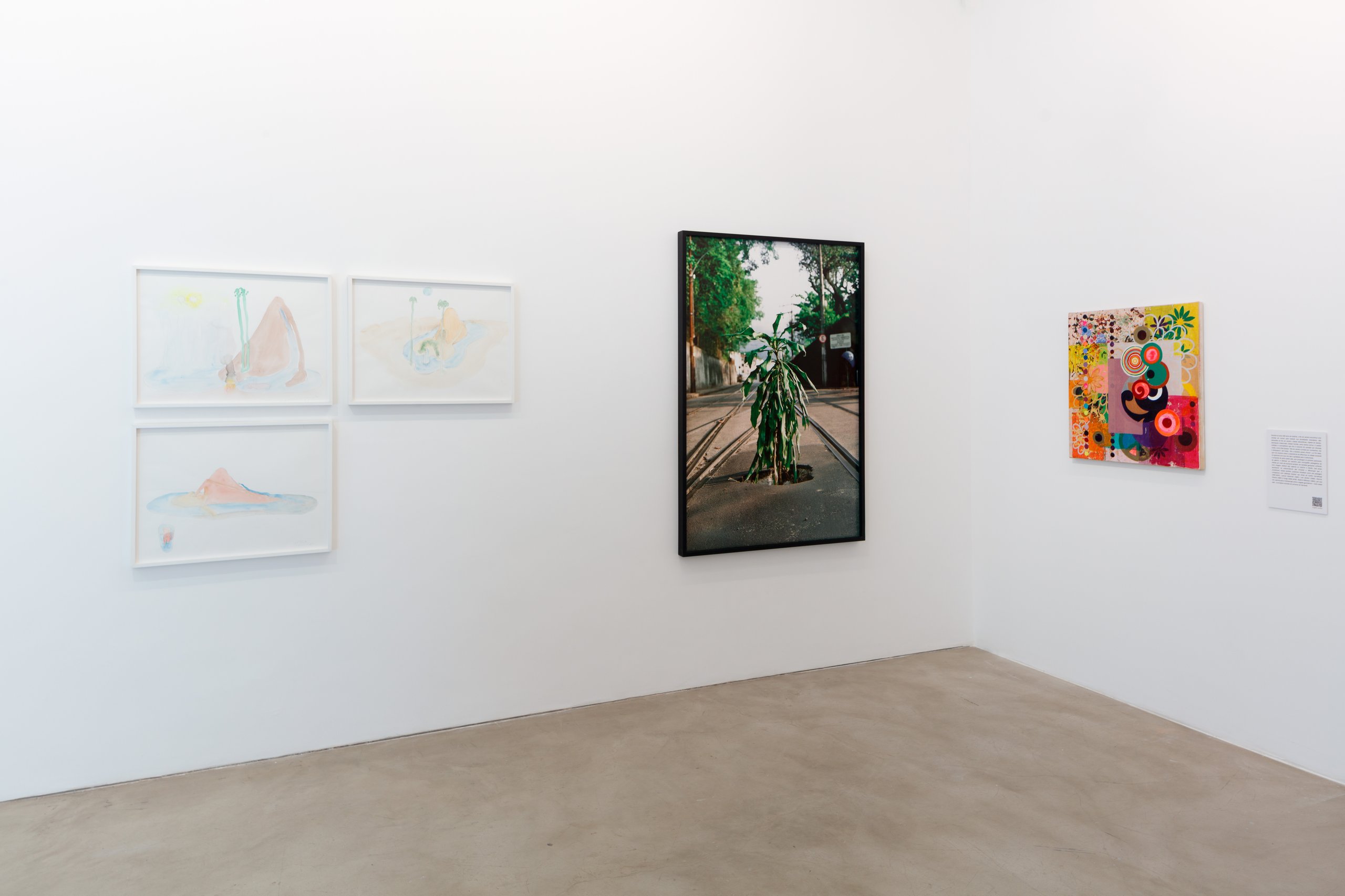
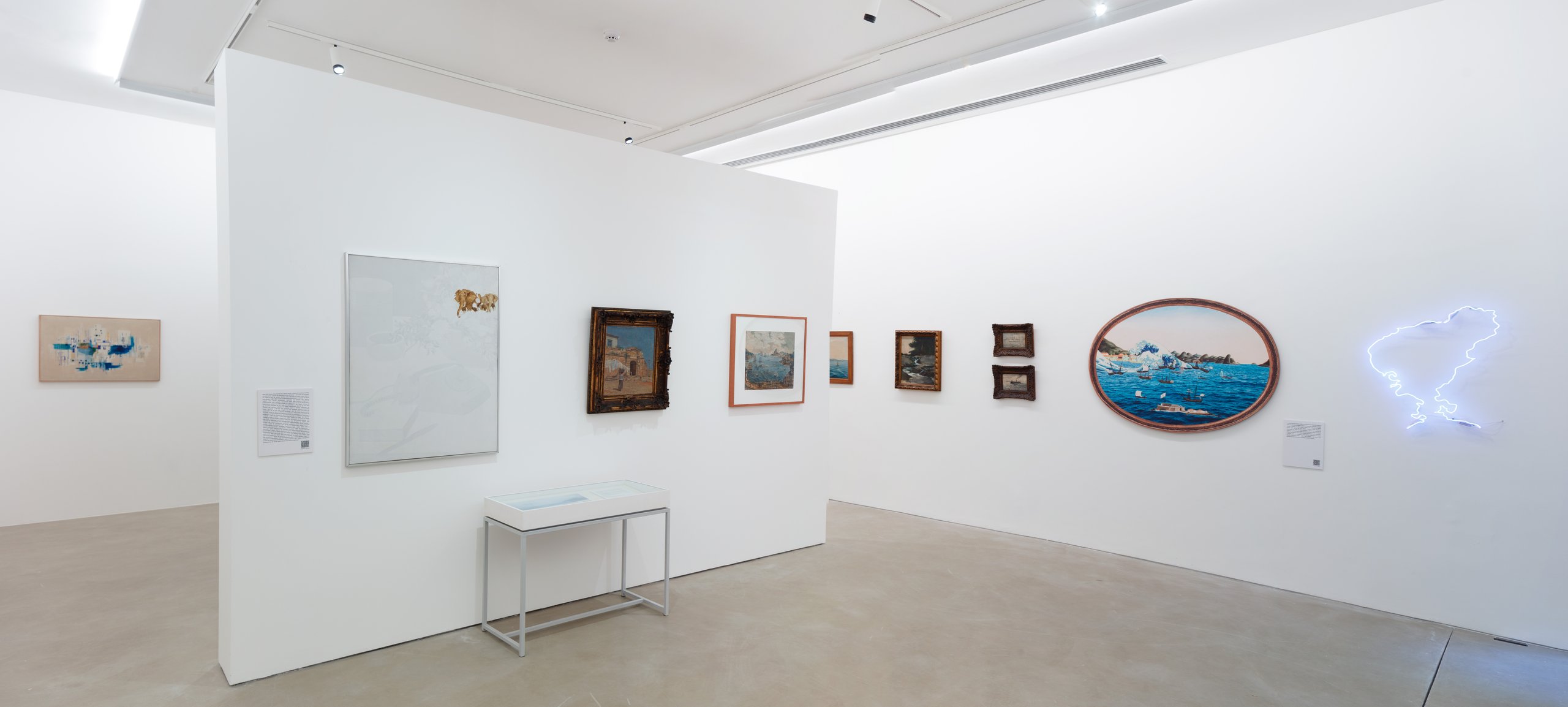
In the exhibition Rio: The Measure of Land, which marks the inauguration of FLEXA, we delve into Rio de Janeiro, guided by the diverse approaches mentioned earlier. The group show brings together forty-six artists spanning from the early 19th century to the present. It presents both historical and contemporary cityscapes, as well as works representative of neo-concretism – a pivotal moment in Rio de Janeiro’s art history – alongside later works, and a selection of pieces addressing political and social issues, such as urban violence and cultural resistance, manifested through parties and carnival.
A common thread running throughout the exhibition is the juxtaposition of works created in different periods, creating friction between the past and the present. This curatorial approach suggests various paths, one of which reflects Flexa’s mission to foster meaningful dialogues within art history by curating a collection spanning a wide timescale.
The diverse range of artists featured here does justice to a Rio de Janeiro characterized by multiple facets that do not coalesce into a uniform image. Hence, multiple viewpoints and contexts are essential to delineate a comprehensive perspective on the city, resonating with its inherently diverse and unequal history. Lastly, the decision to arrange works non-chronologically, by bringing together pieces from distant dates, evokes Walter Benjamin’s (1892-1940) concept of the temporality of artworks. According to Benjamin, artworks possess an intensive rather than extensive temporality, implying that a contemporary artwork may have closer ties to a piece from a century ago than to its contemporaries.
— Luisa Duarte, Lucas Alberto



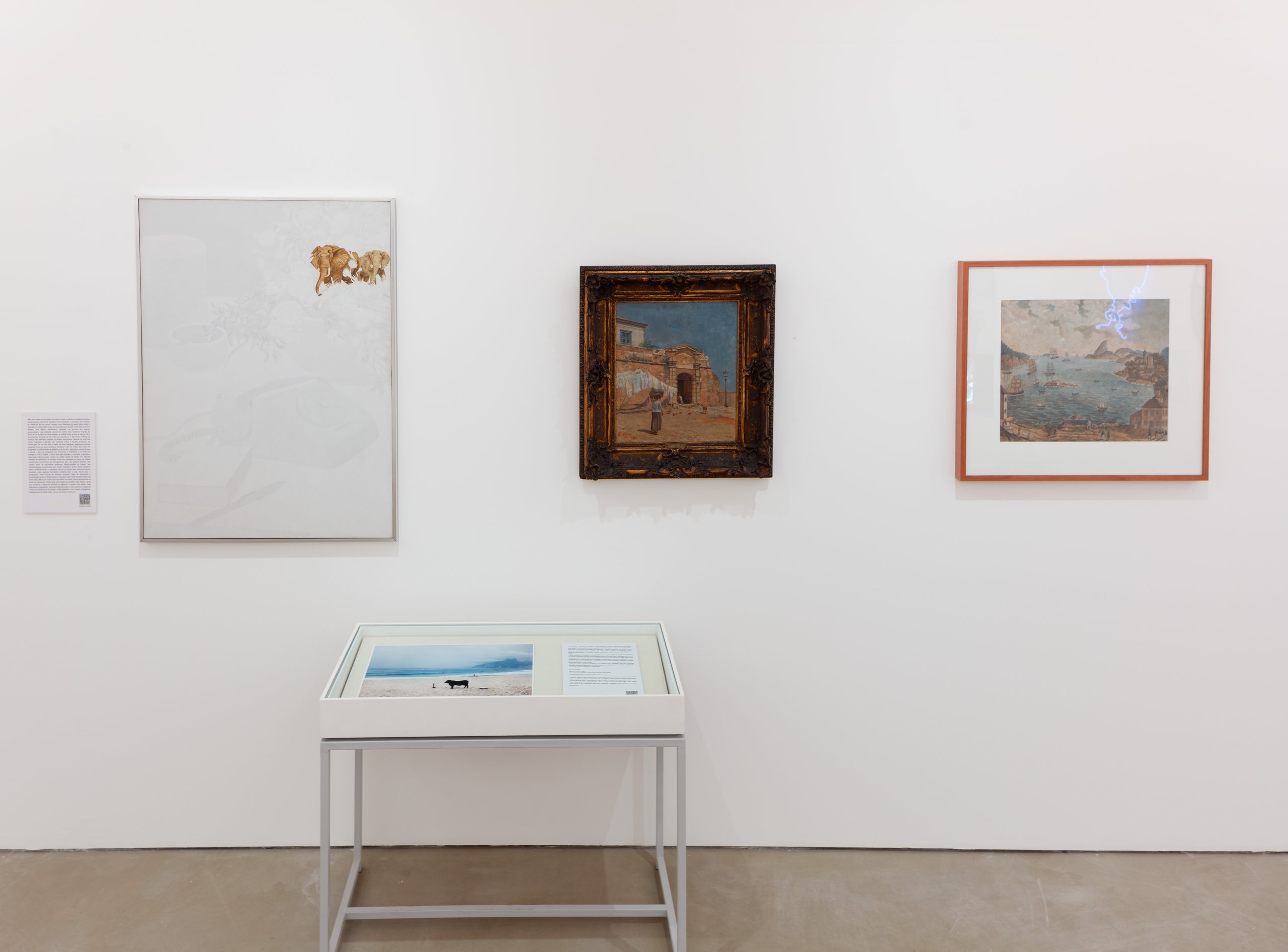
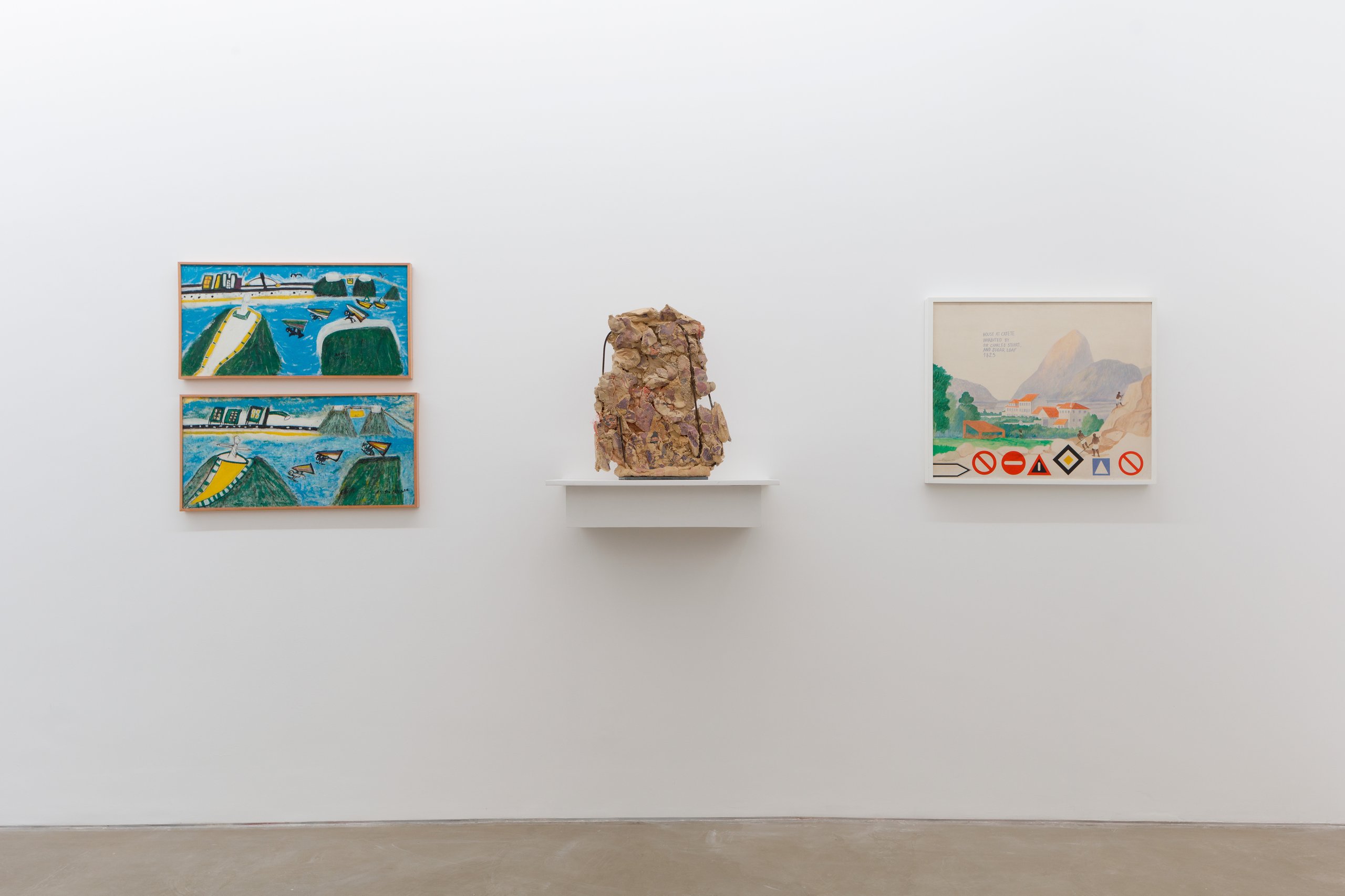
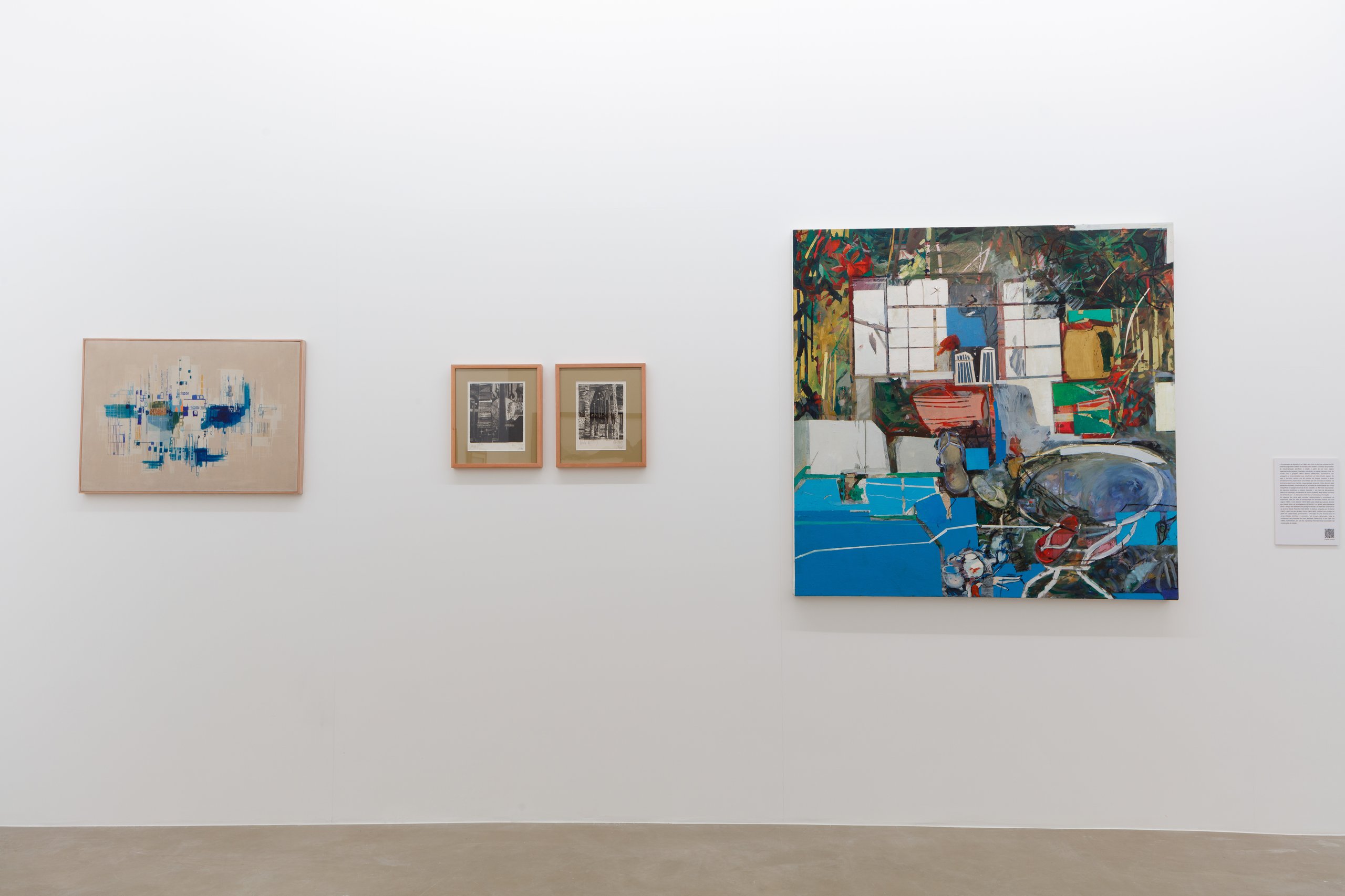


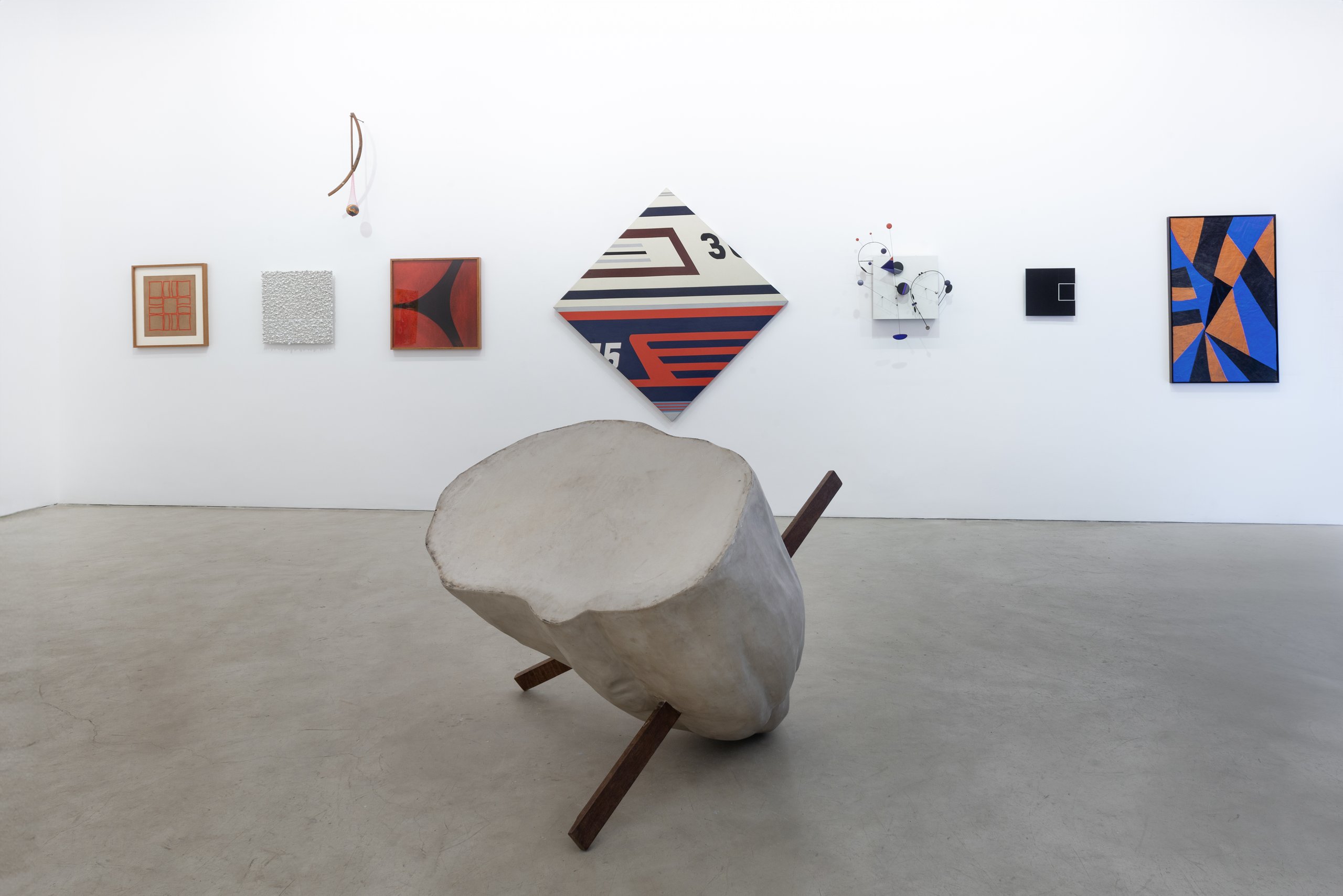

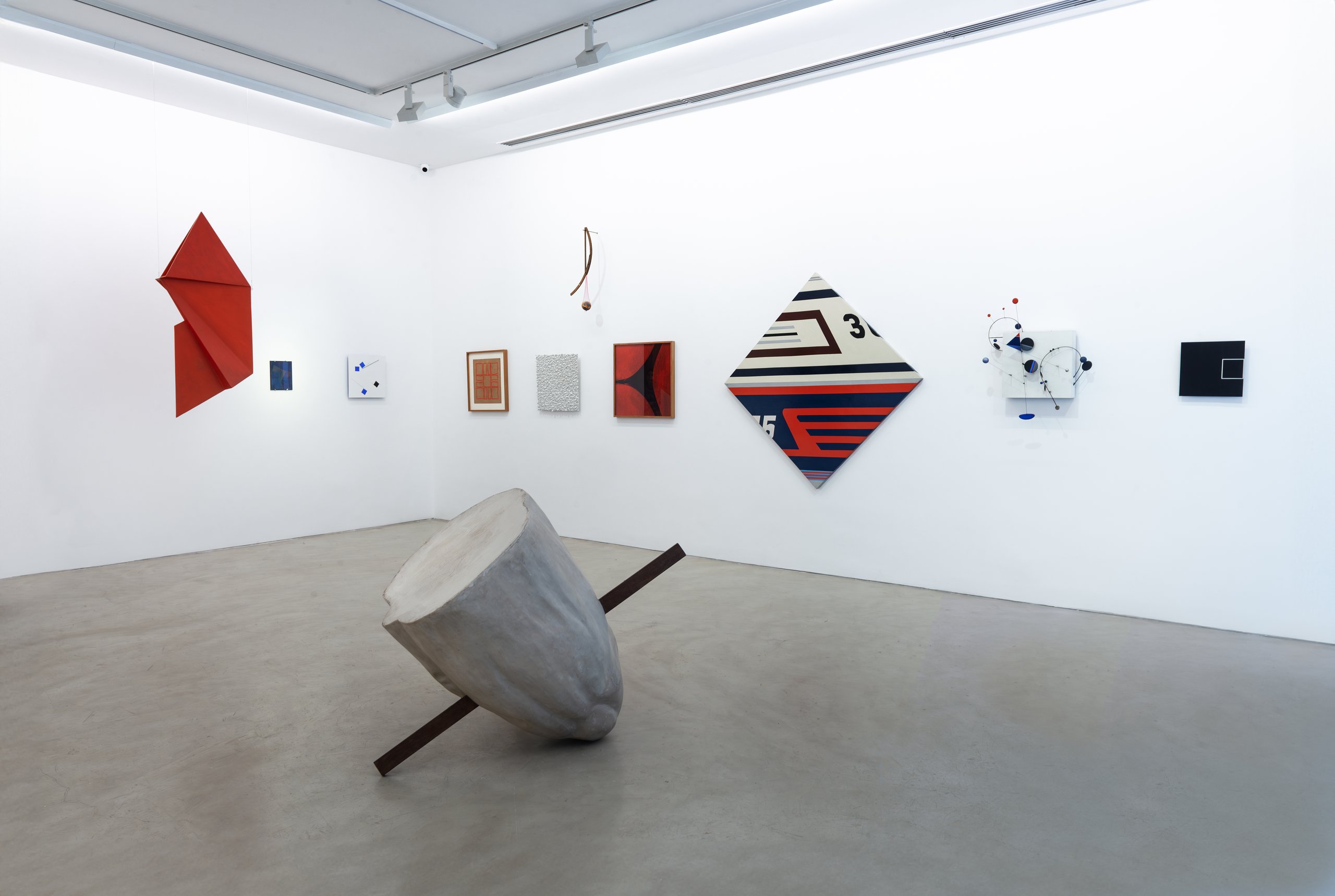


WORKS
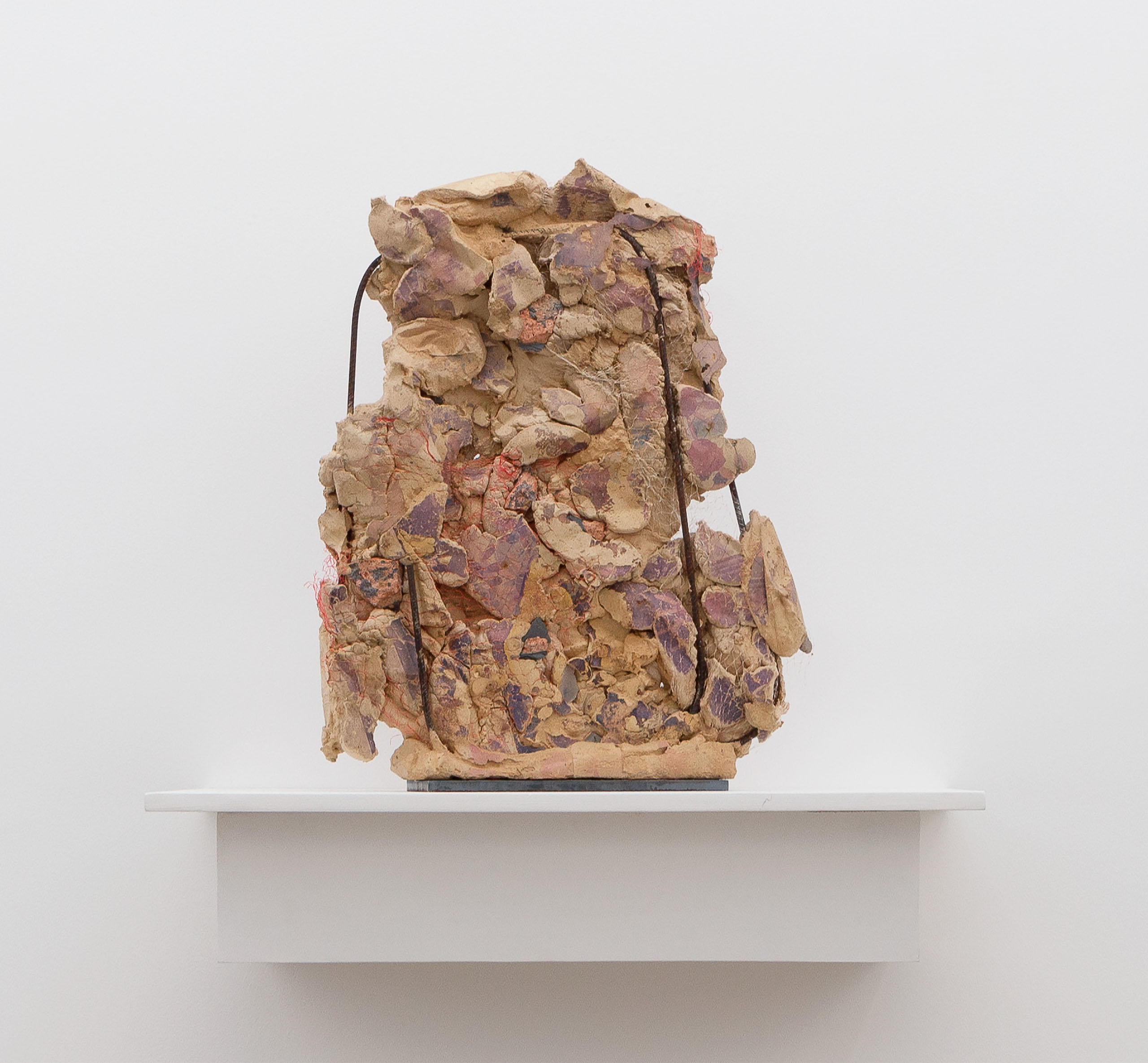
Ana Clara Tito
Untitled, 2023
mortar, chlorite schist, wire, rebar, plastic mesh, photo transfer
21 1/4 x 17 3/8 x 1 5/8 in
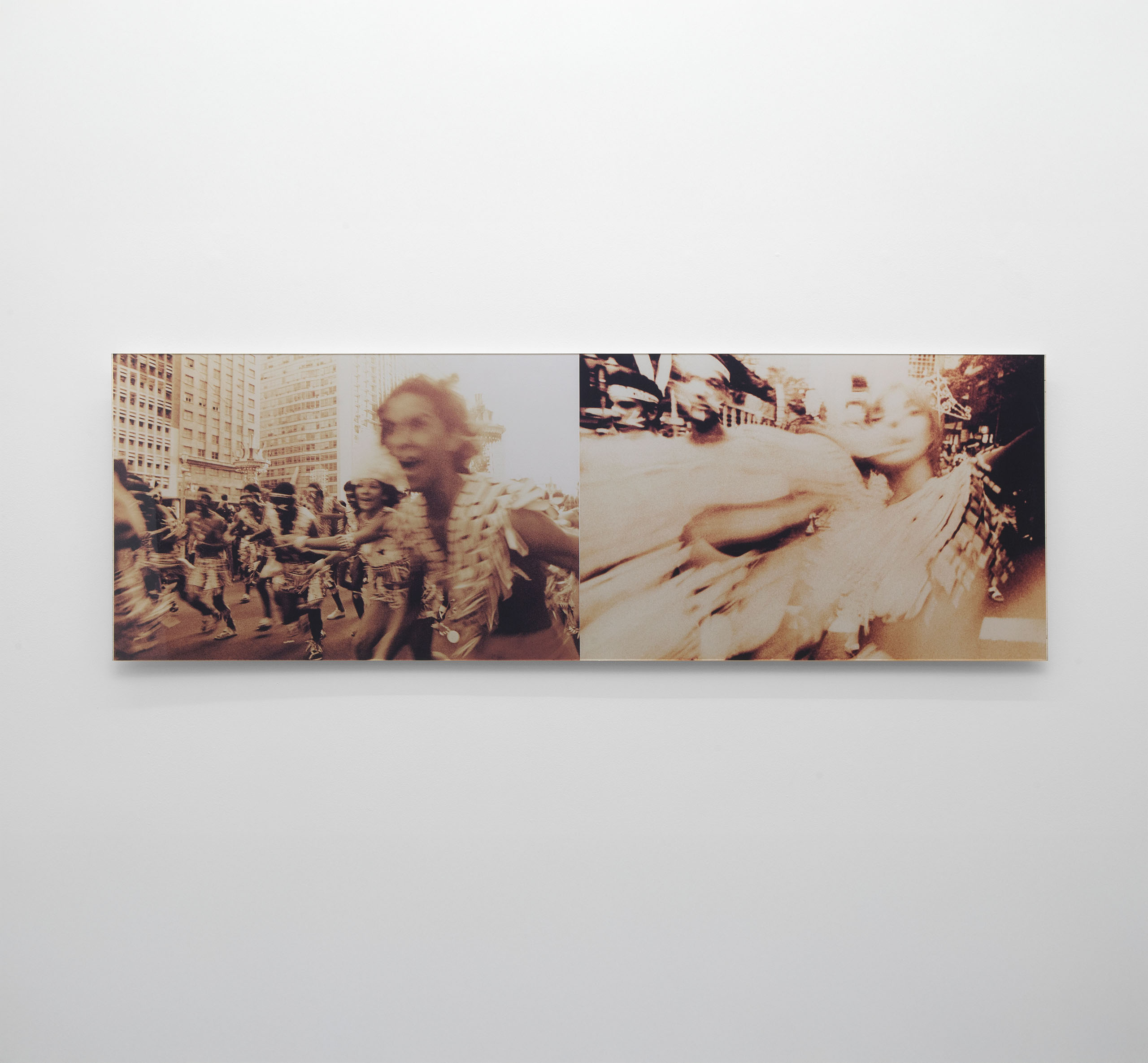
Carlos Vergara
Cacique de Ramos, from the series Carnaval, 1972
print on methacrylate
23 5/8 x 70 7/8 in
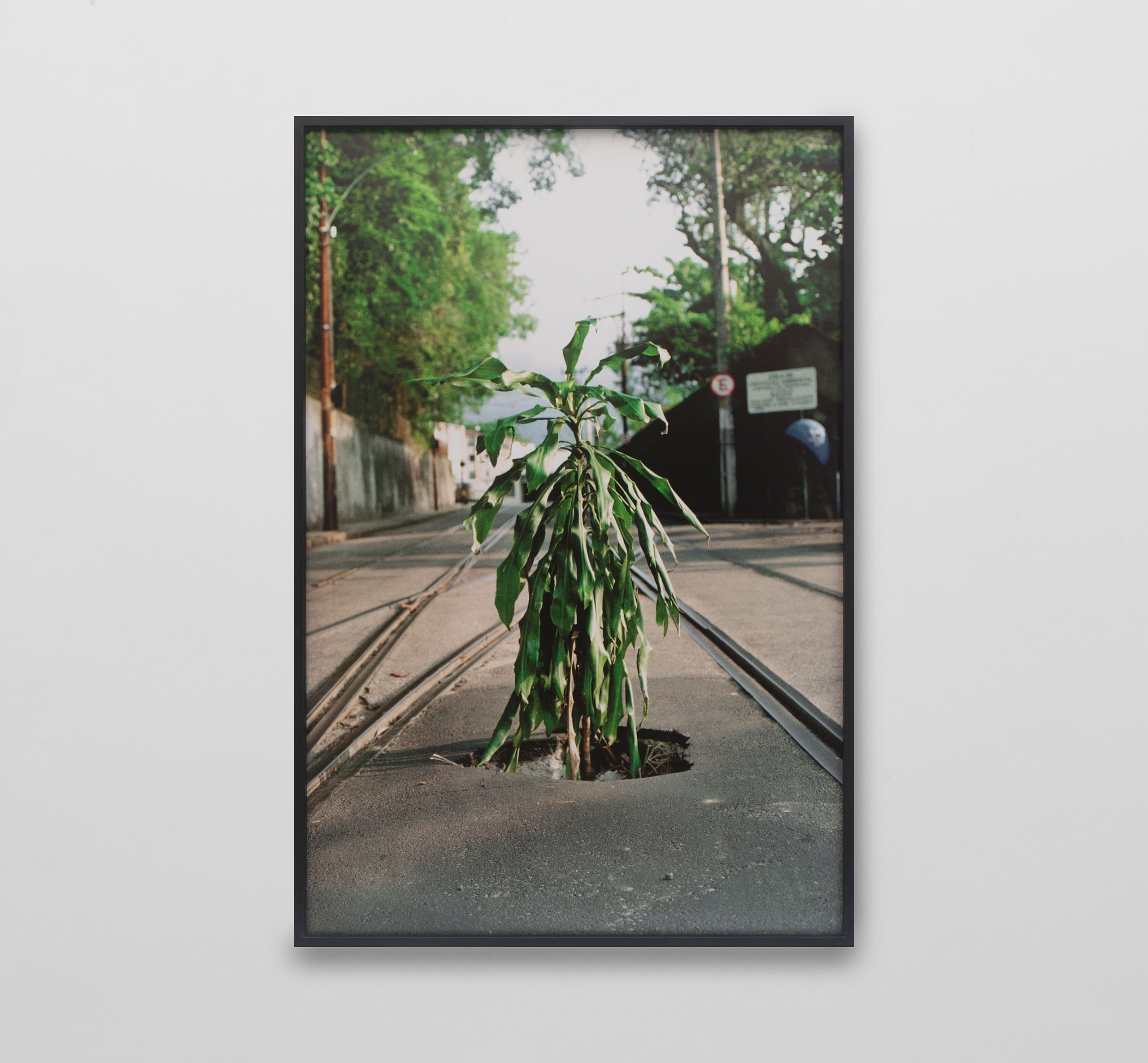
Marcos Chaves
Untitled #02, from the Buracos, 1996/2008
photo
59 x 39 3/8 in
3/3 + 2 A.P.
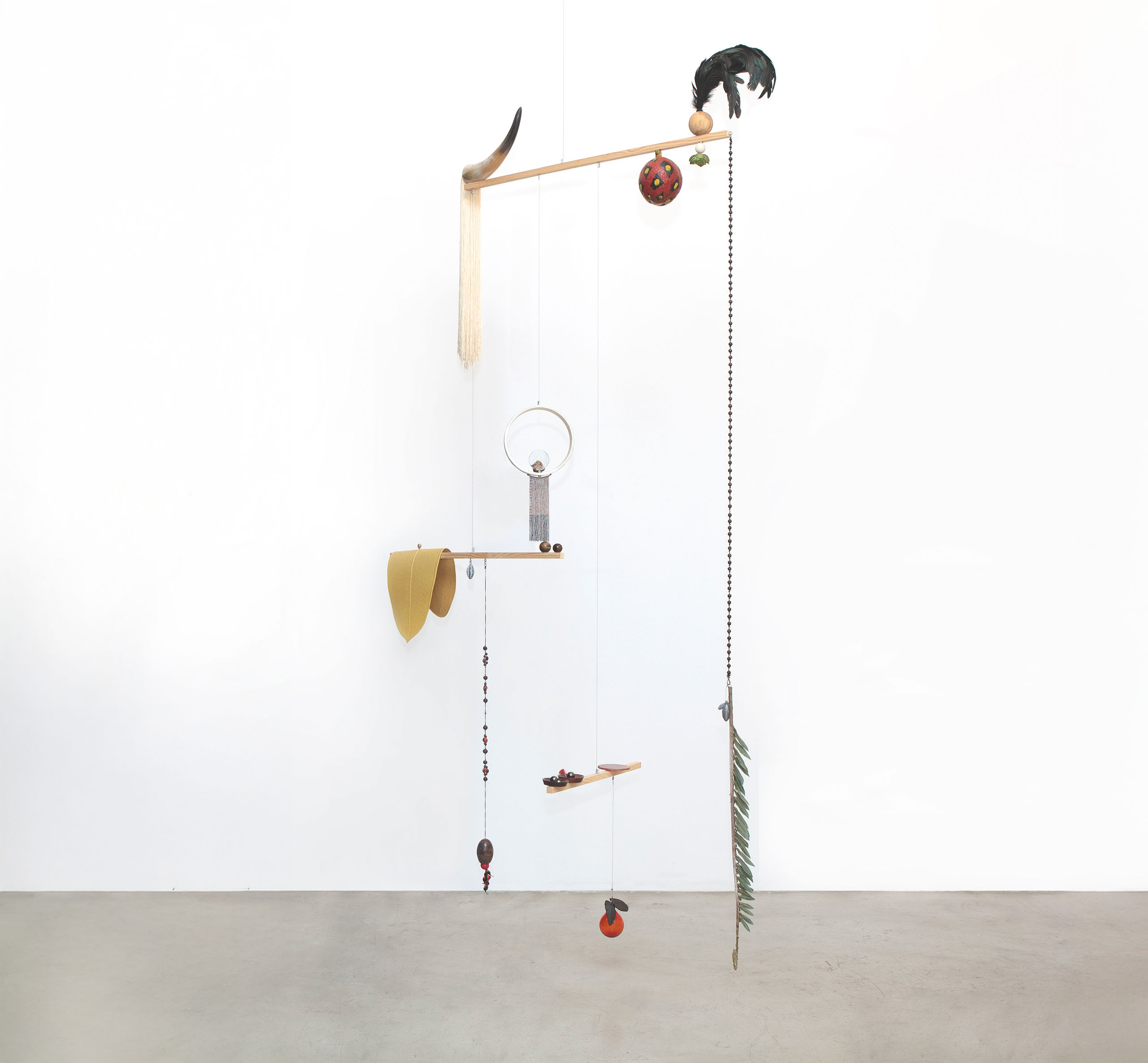
Laércio Redondo
Ney Matogrosso, 2023
mixed media
variable dimensions
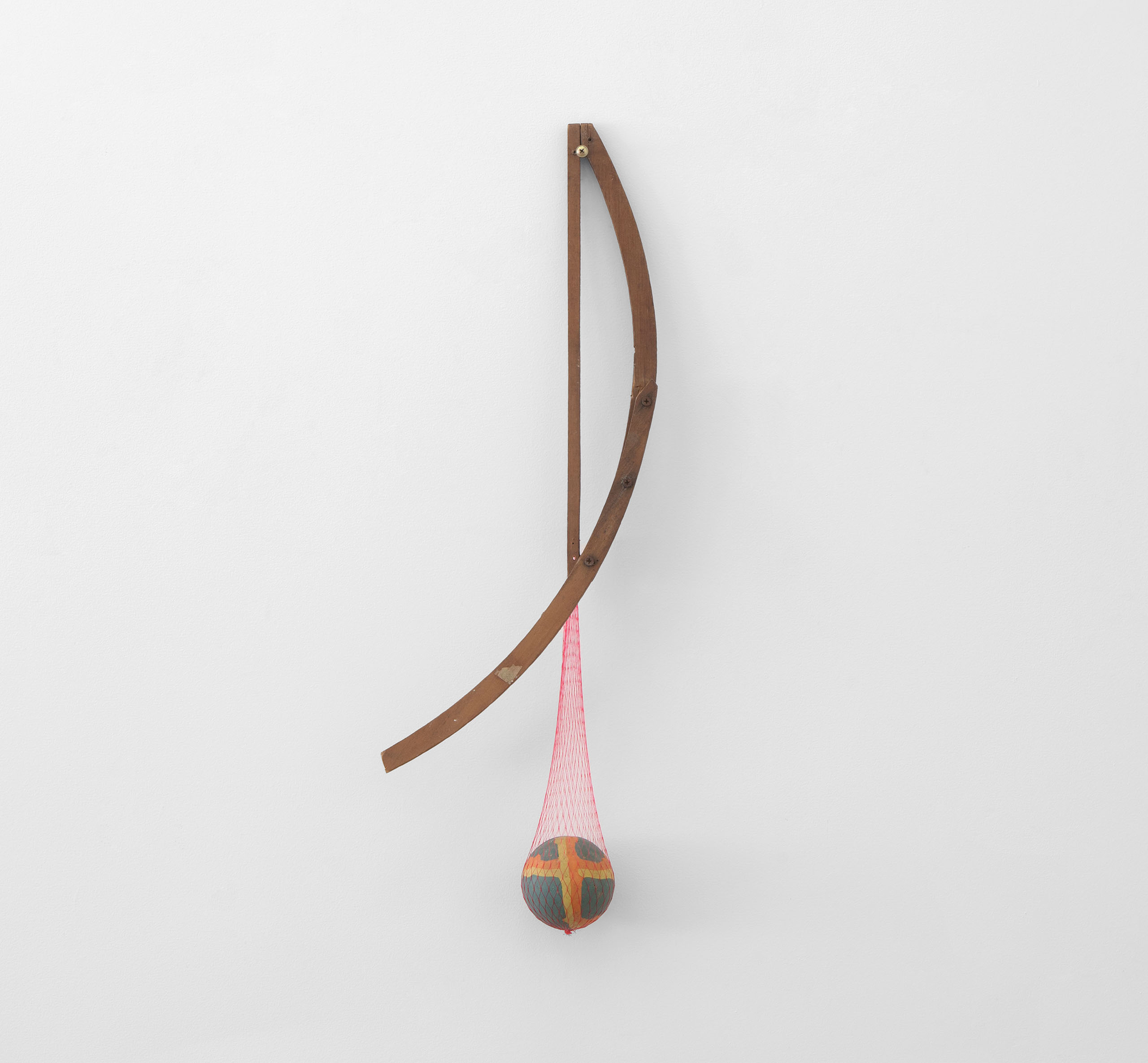
Zé Tepedino
Primeira vez, 2023
wood, nylon and rubber
29 1/8 x 13 x 4 in
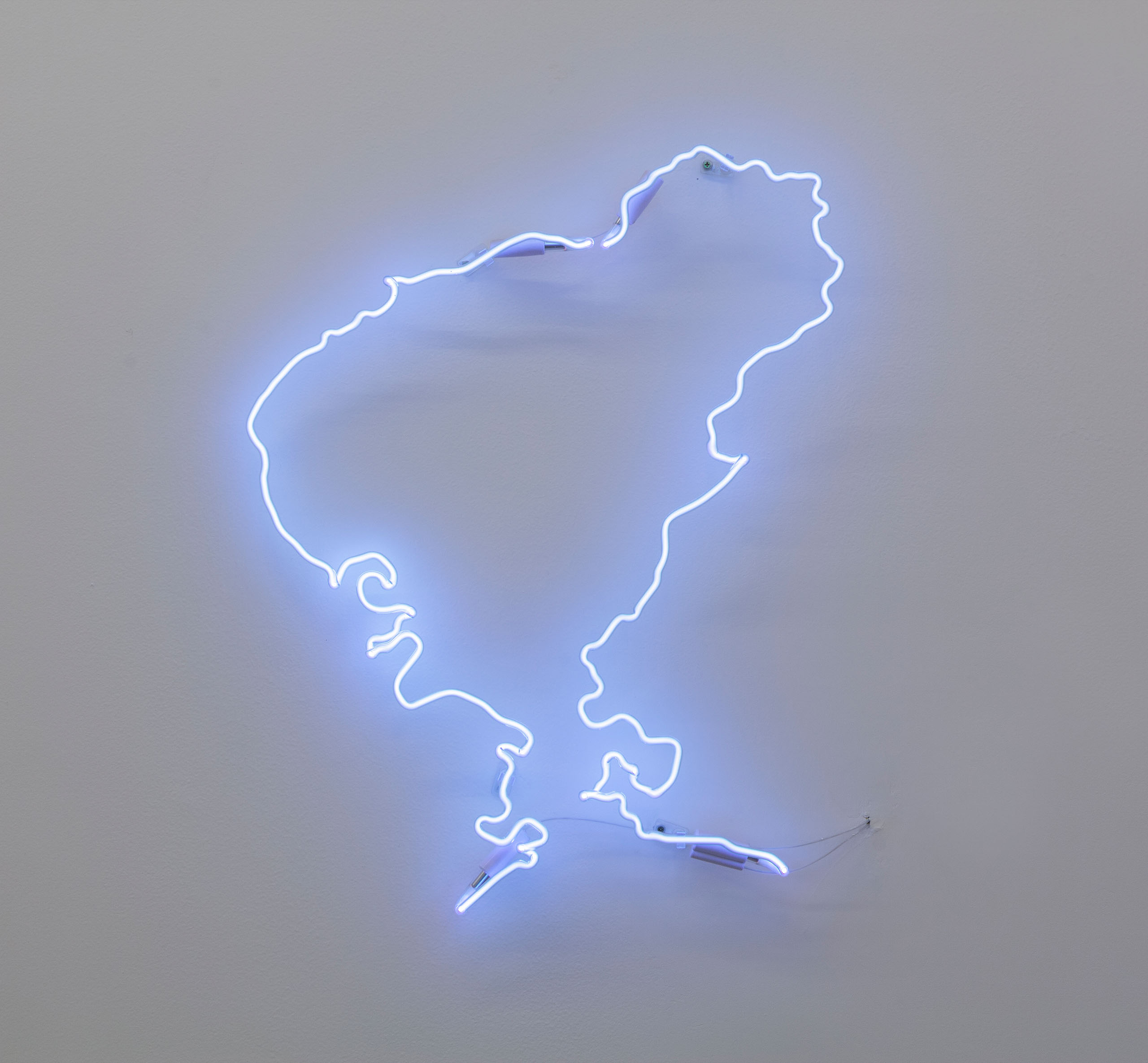
Jonas Arrabal
Untitled, from the series Caligrafia, 2024
neon
27 1/2 x 21 5/8 in
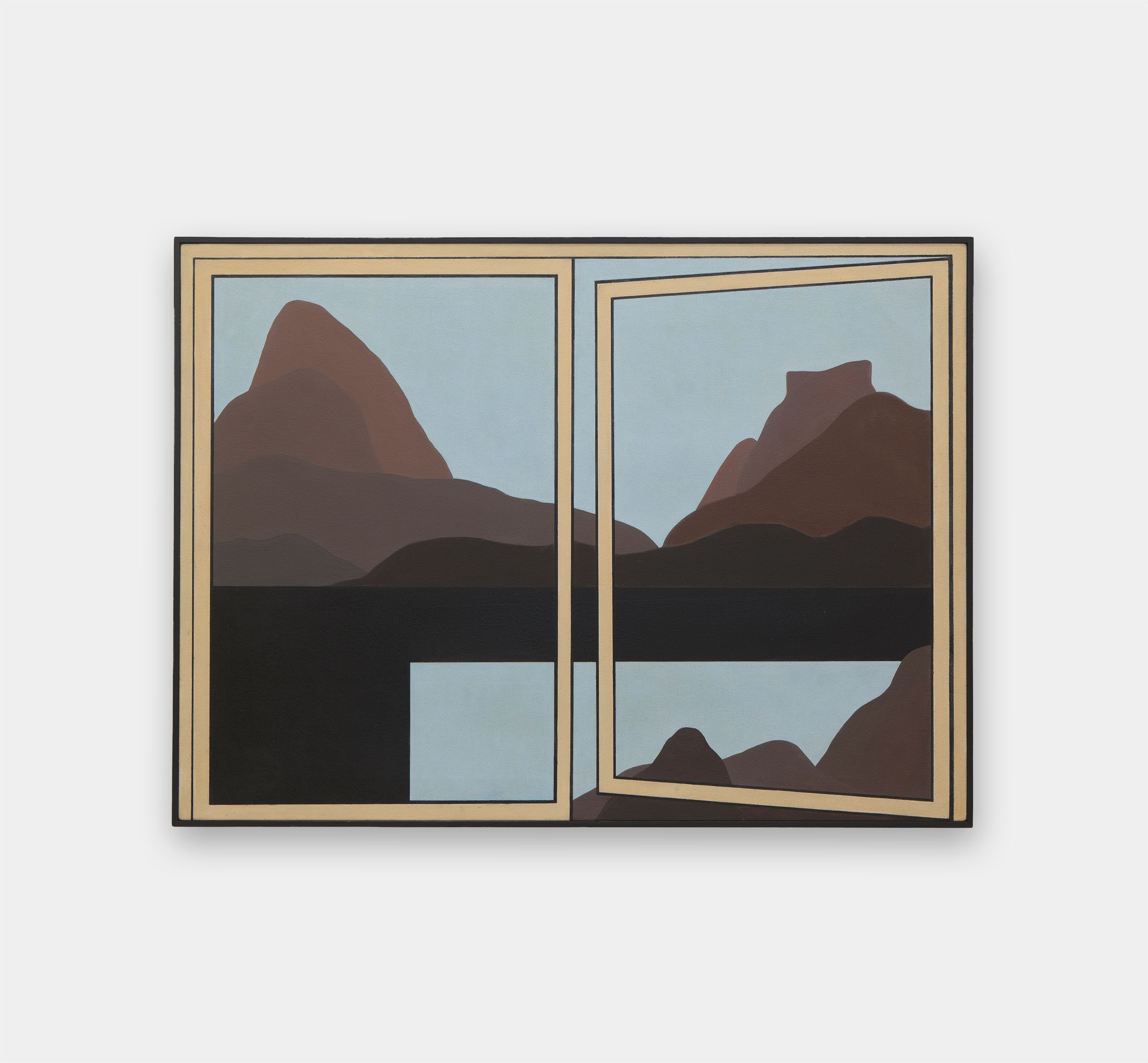
Wanda Pimentel
Montanhas do Rio (Dois Irmãos, Gávea e Pedra Bonita) n°10, 1987
acrylic on canvas
31 1/2 x 43 1/4 in
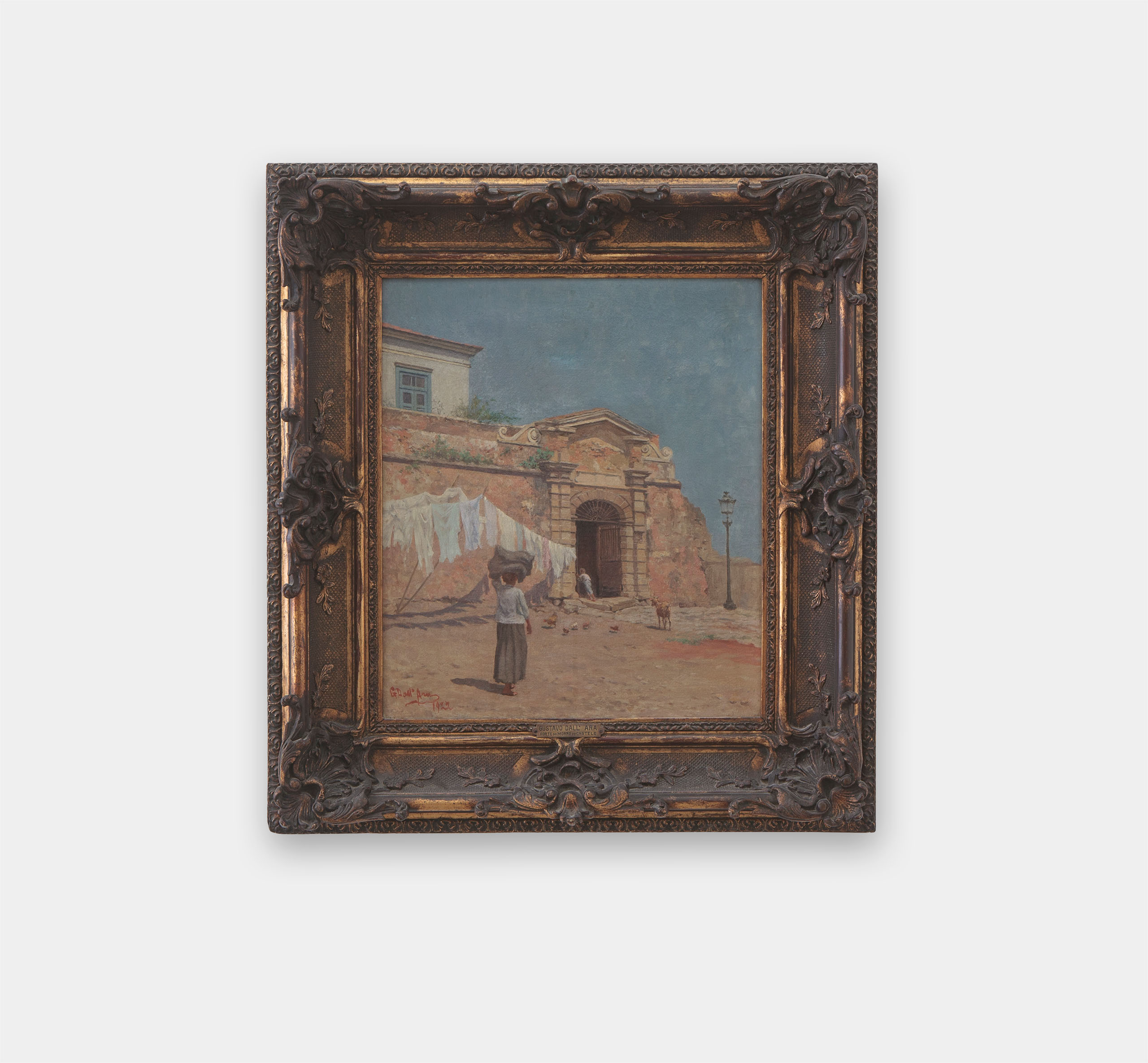
Gustavo Dall’Ara
Fonte do morro do Castelo, 1922
oil on canvas
16 7/8 x 15 3/8 in
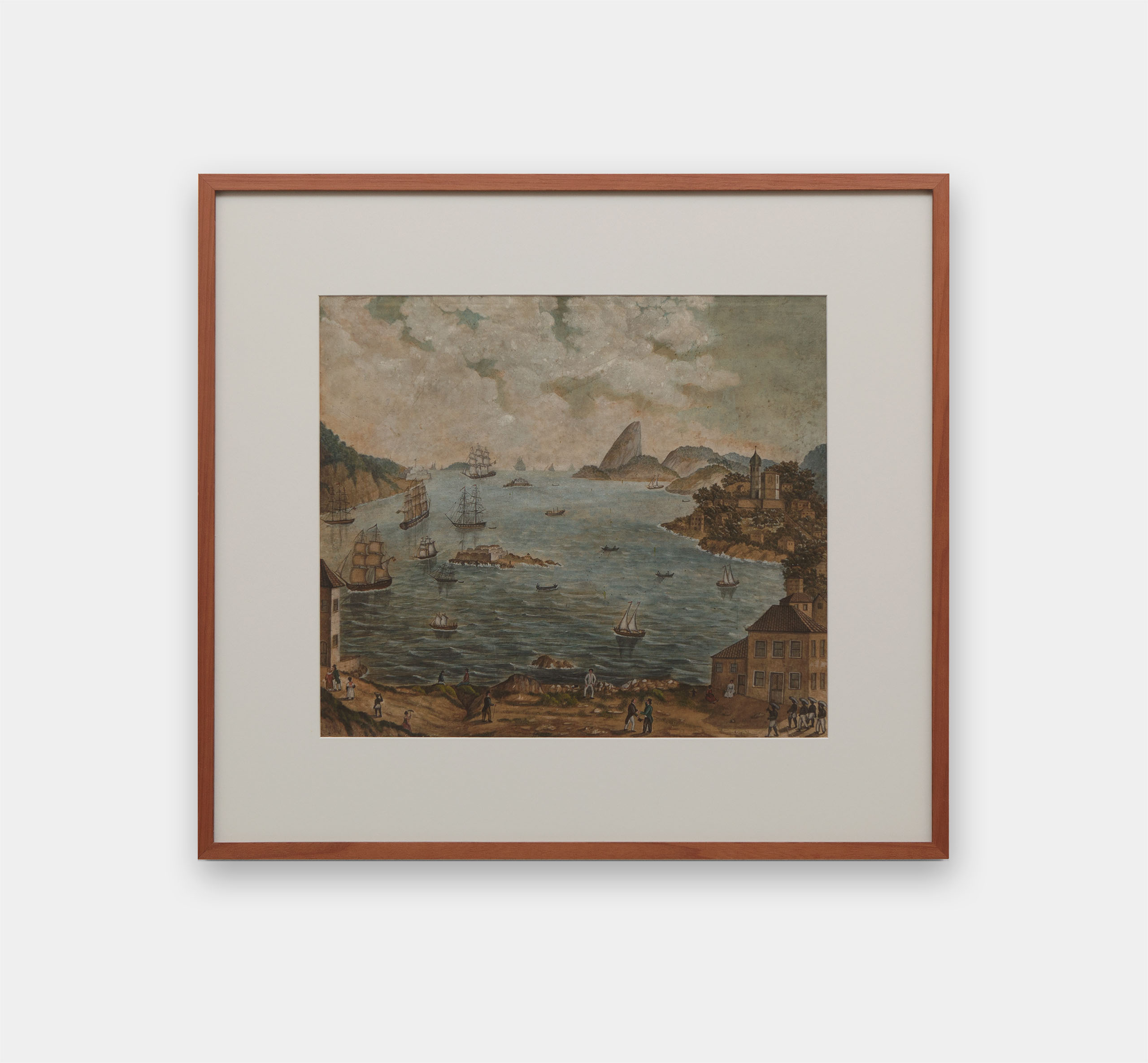
Henry Chamberlain
Vista da Baía do Rio de Janeiro, n.d.
watercolor on paper
17 3/4 x 26 3/4 in
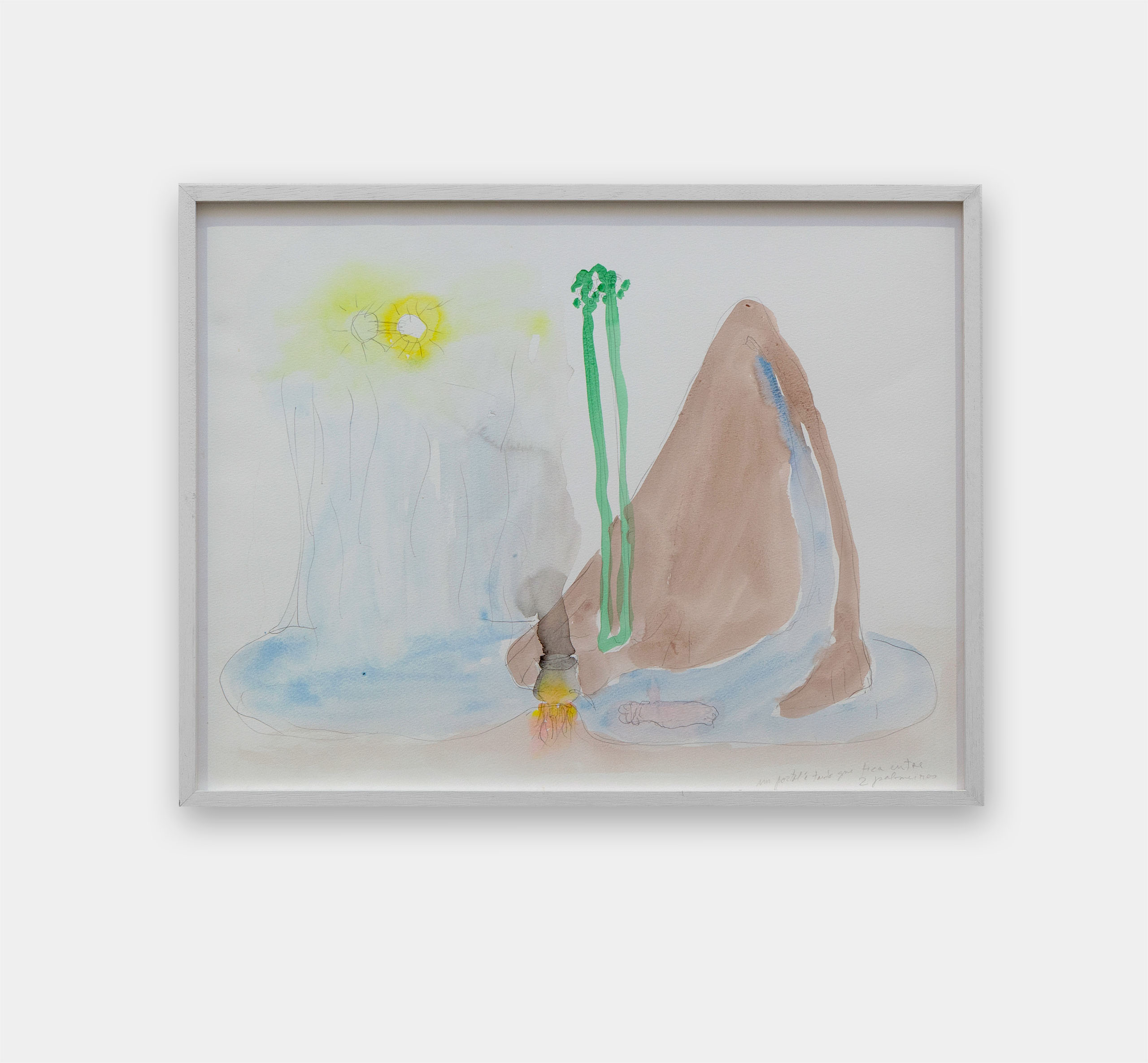
Tunga
Untitled, c. 2010
watercolor and graphite on paper
19 3/4 x 25 5/8 in
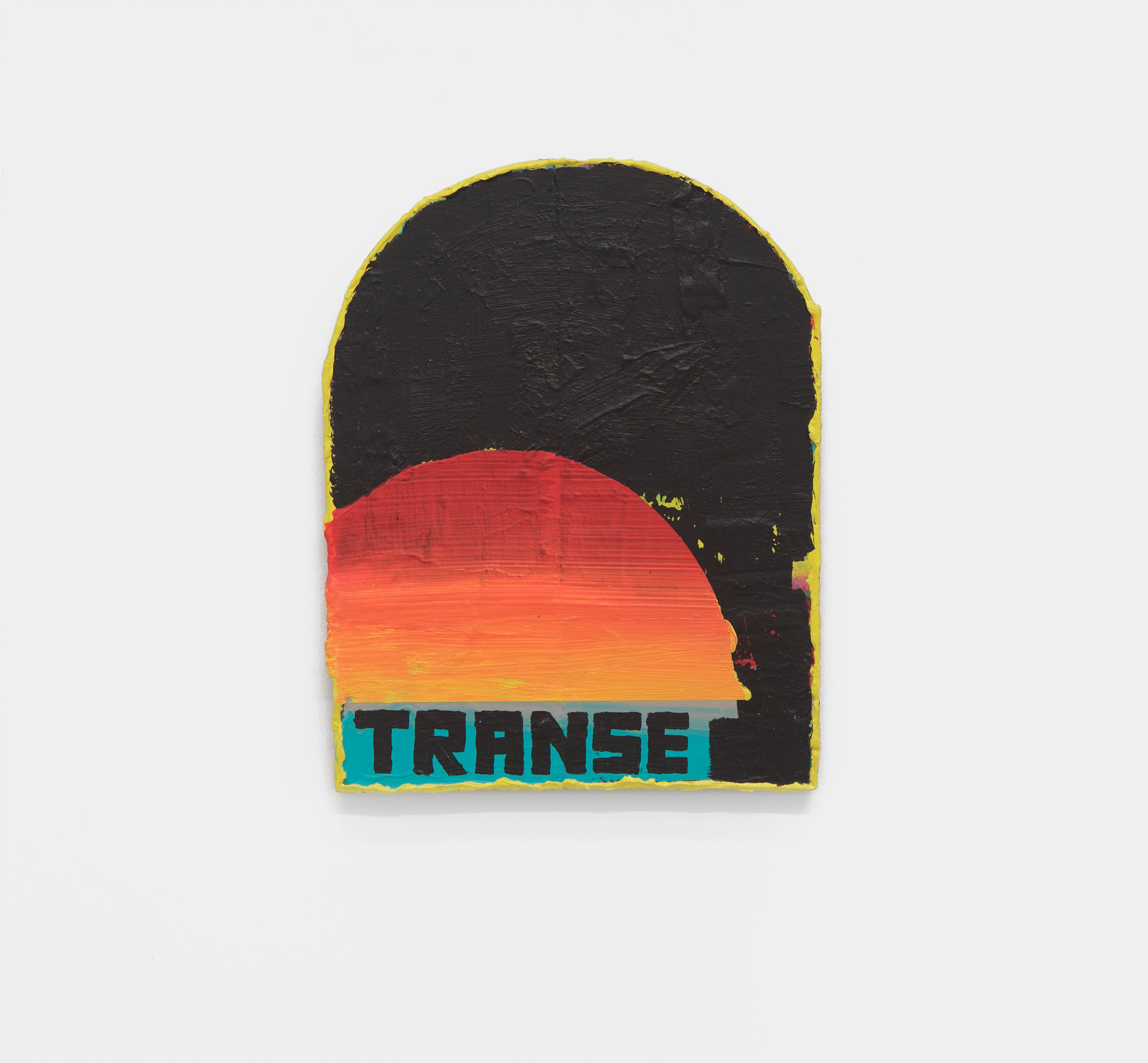
Rafael Alonso
Transe, 2023
acrylic on plywood
15 3/4 x 13 in
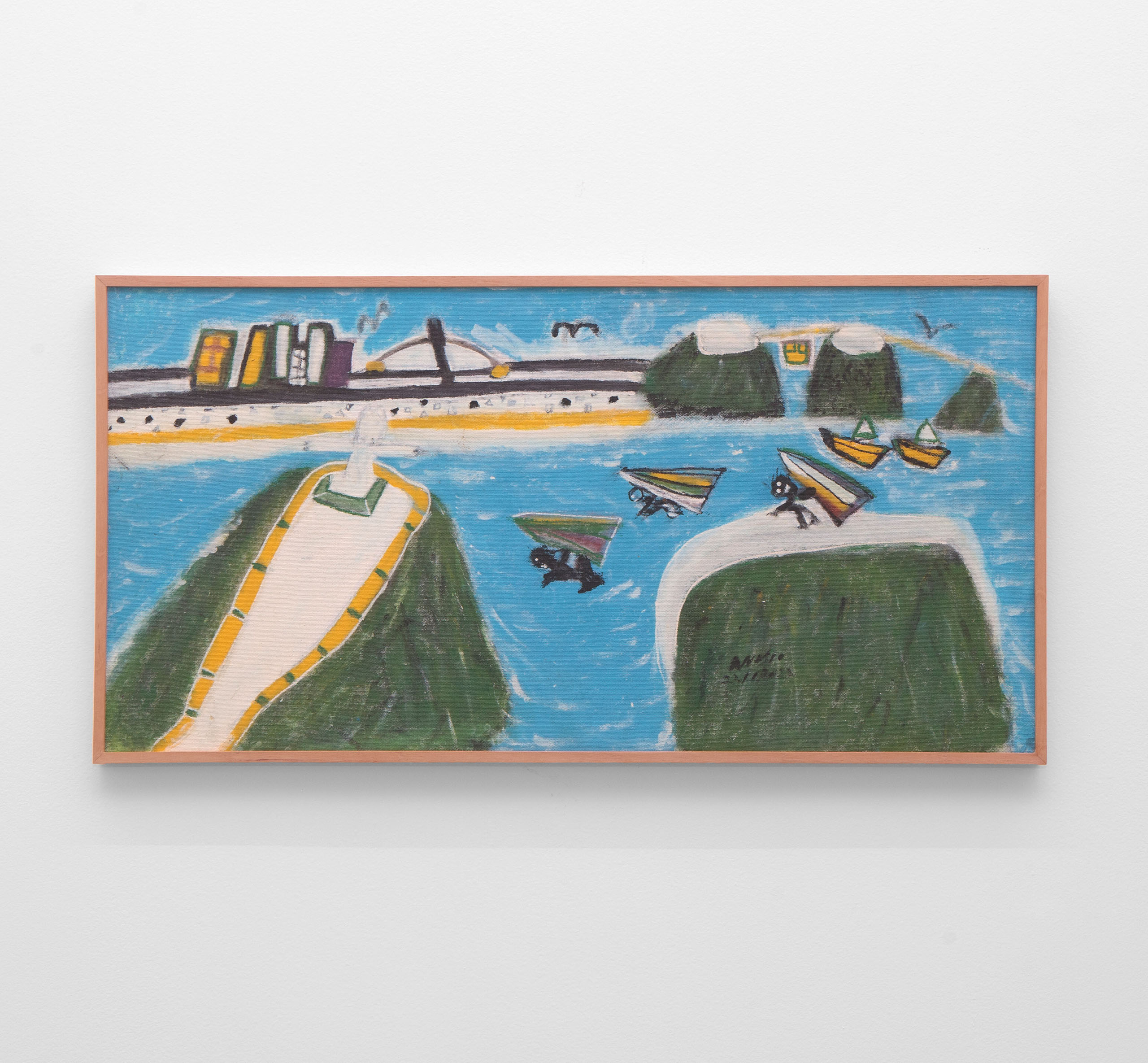
Anísio Couto
Copacabana etc, 2023
oil on canvas
15 x 29 7/8 in
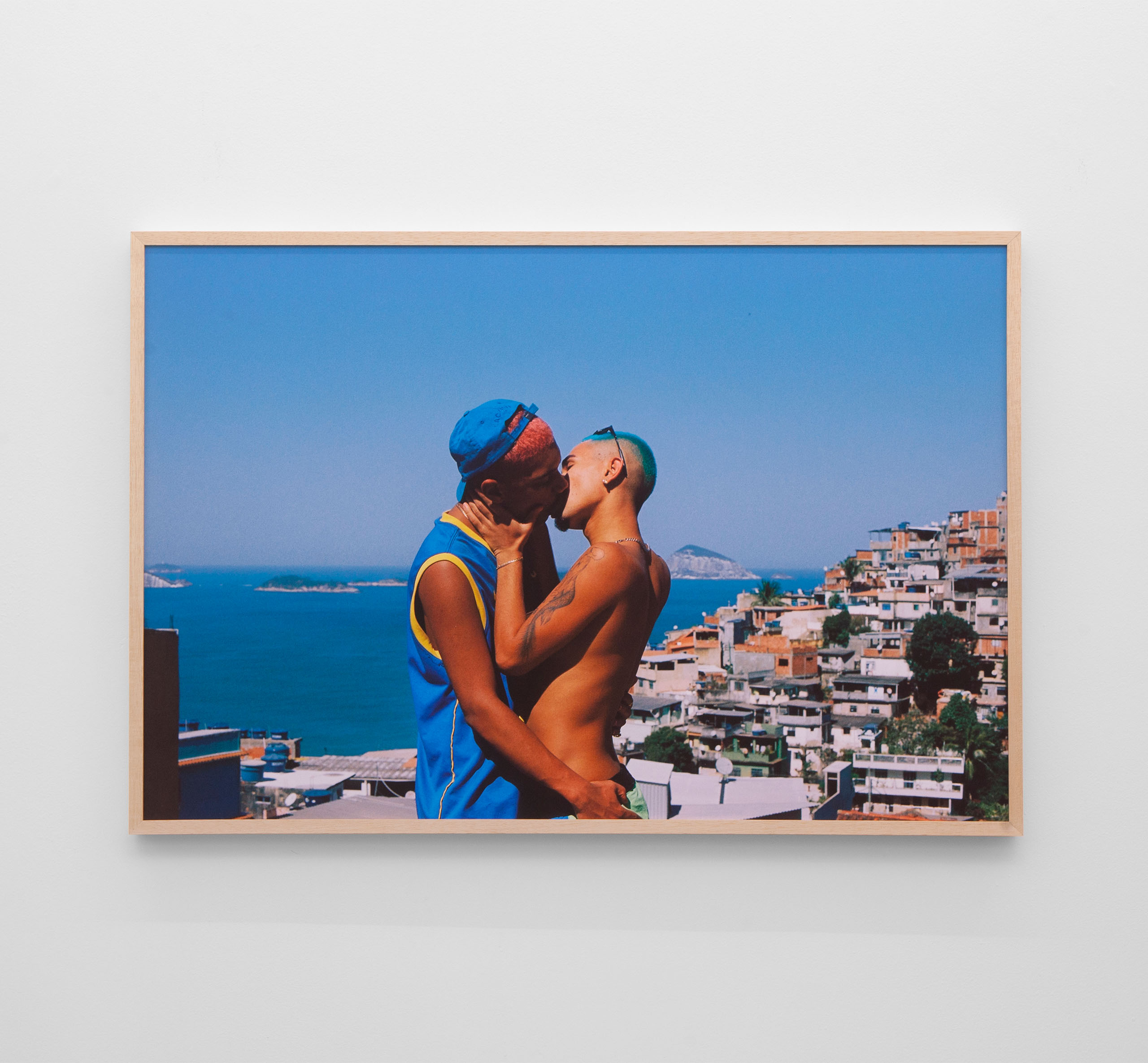
Fernanda Liberti
O beijo, 2021
analog photography
26 3/8 x 39 3/8 in
1/7
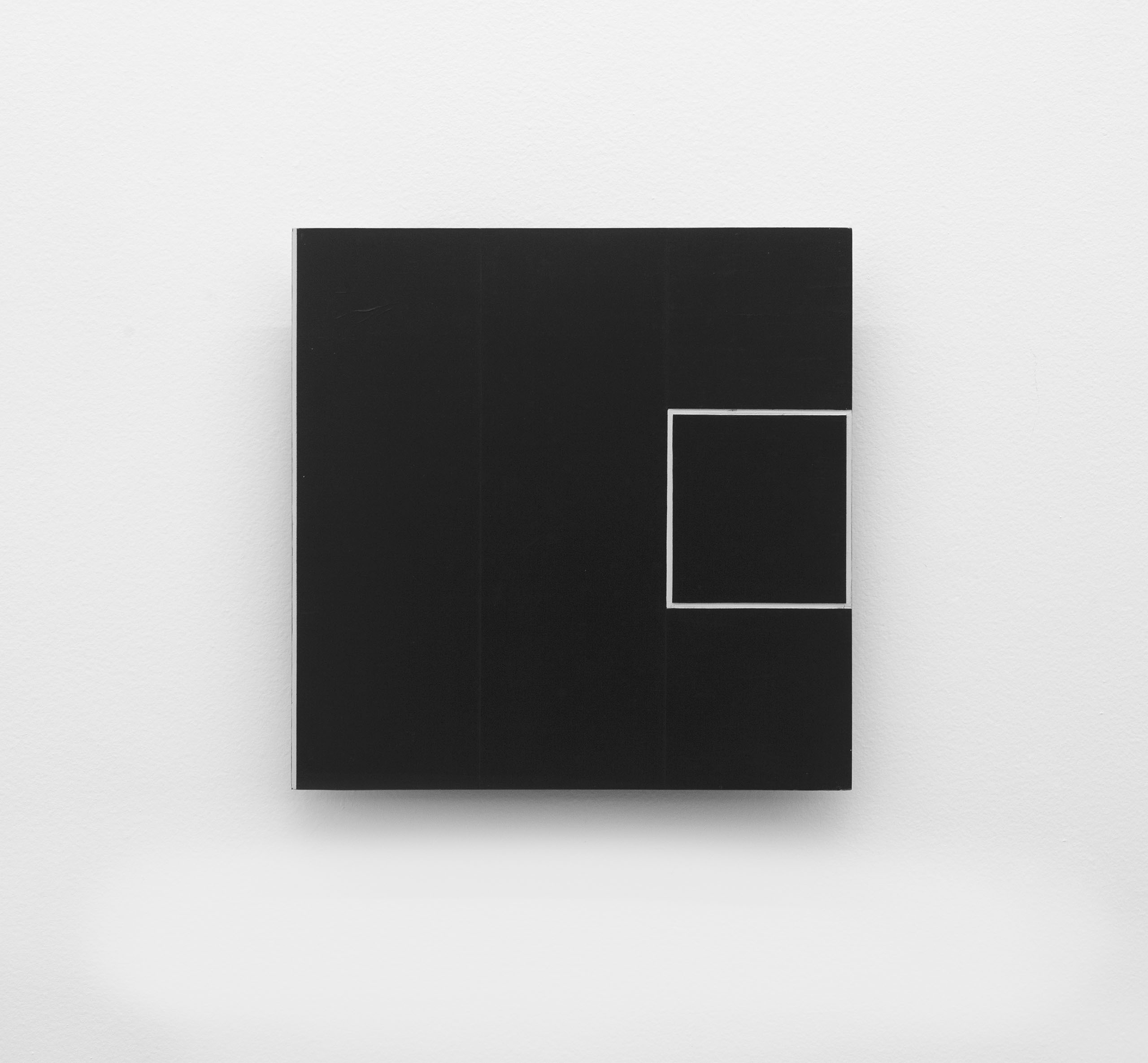
Lygia Clark
Espaço modulado, 1958
automotive paint on wood
11 3/4 x 11 3/4 in
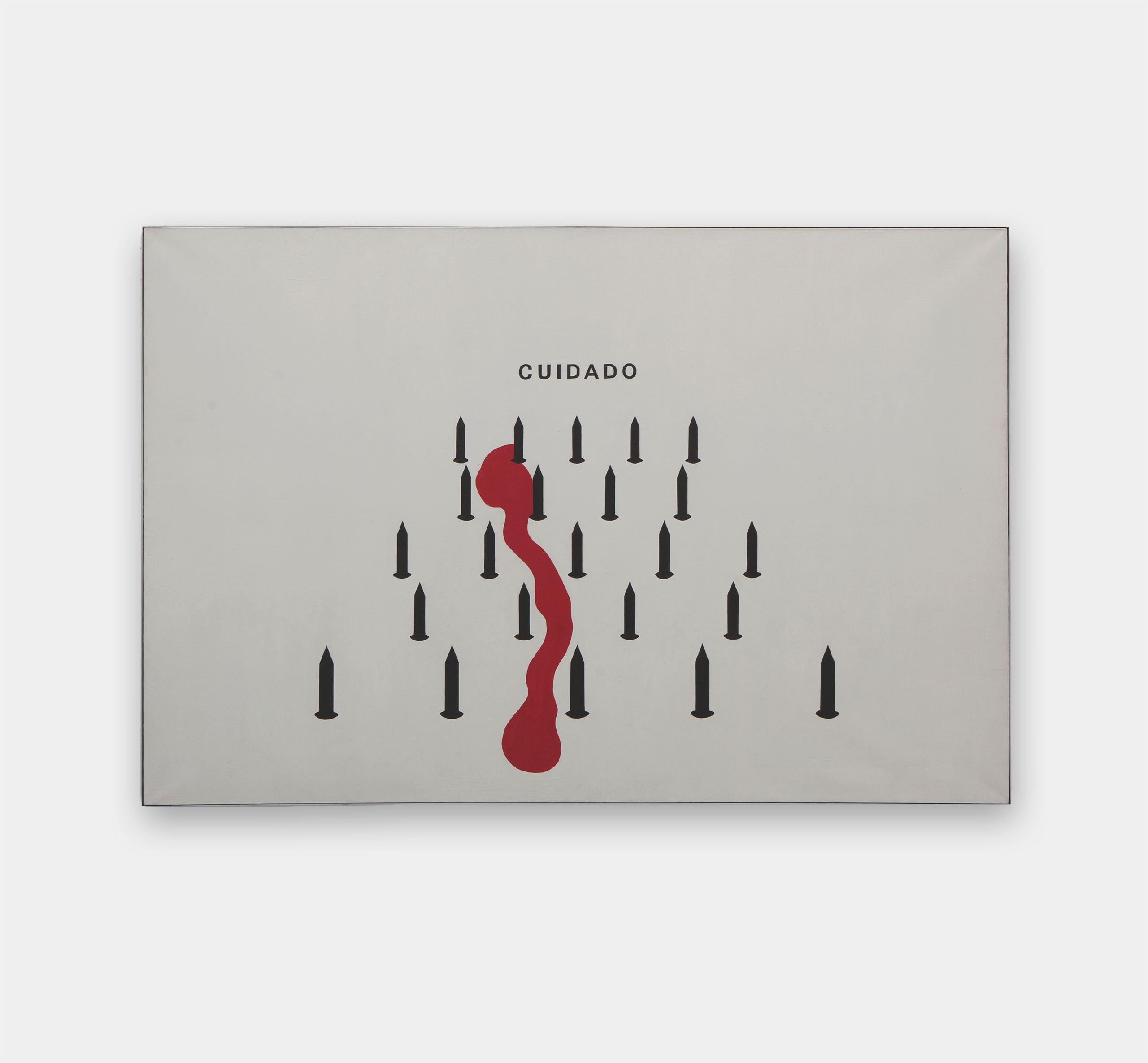
Carlos Zilio
Cuidado, 1973
acrylic on canvas
55 1/8 x 82 5/8 in
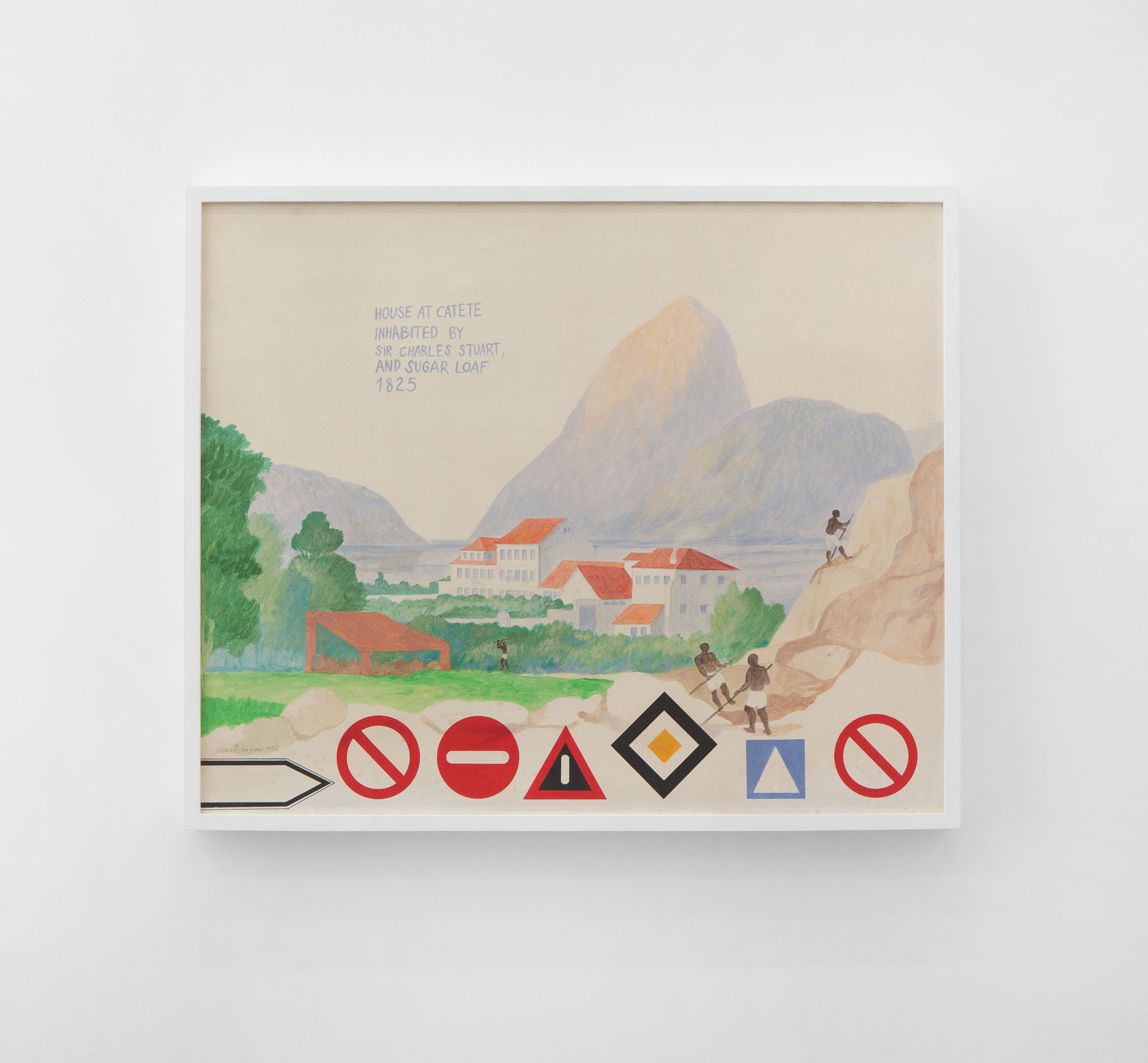
Glauco Rodrigues
Poluição, from the series Guia turístico do Rio, 1972
oil on pressed wood fiberboard
23 5/8 x 28 3/4 in
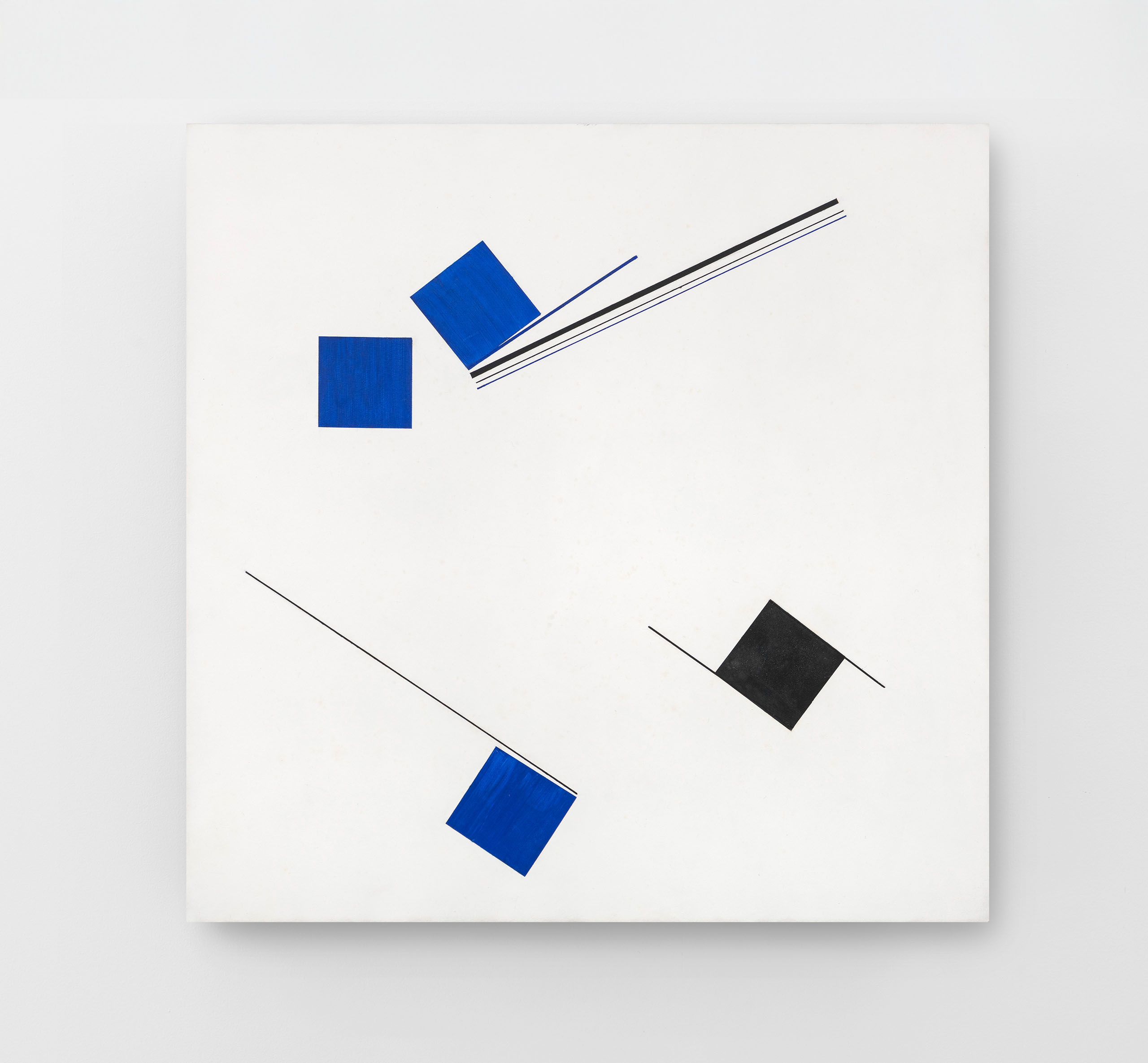
Lygia Pape
Untitled, 1954/1956
automotive paint on wood
15 3/4 x 15 3/4 x 1 1/8 in
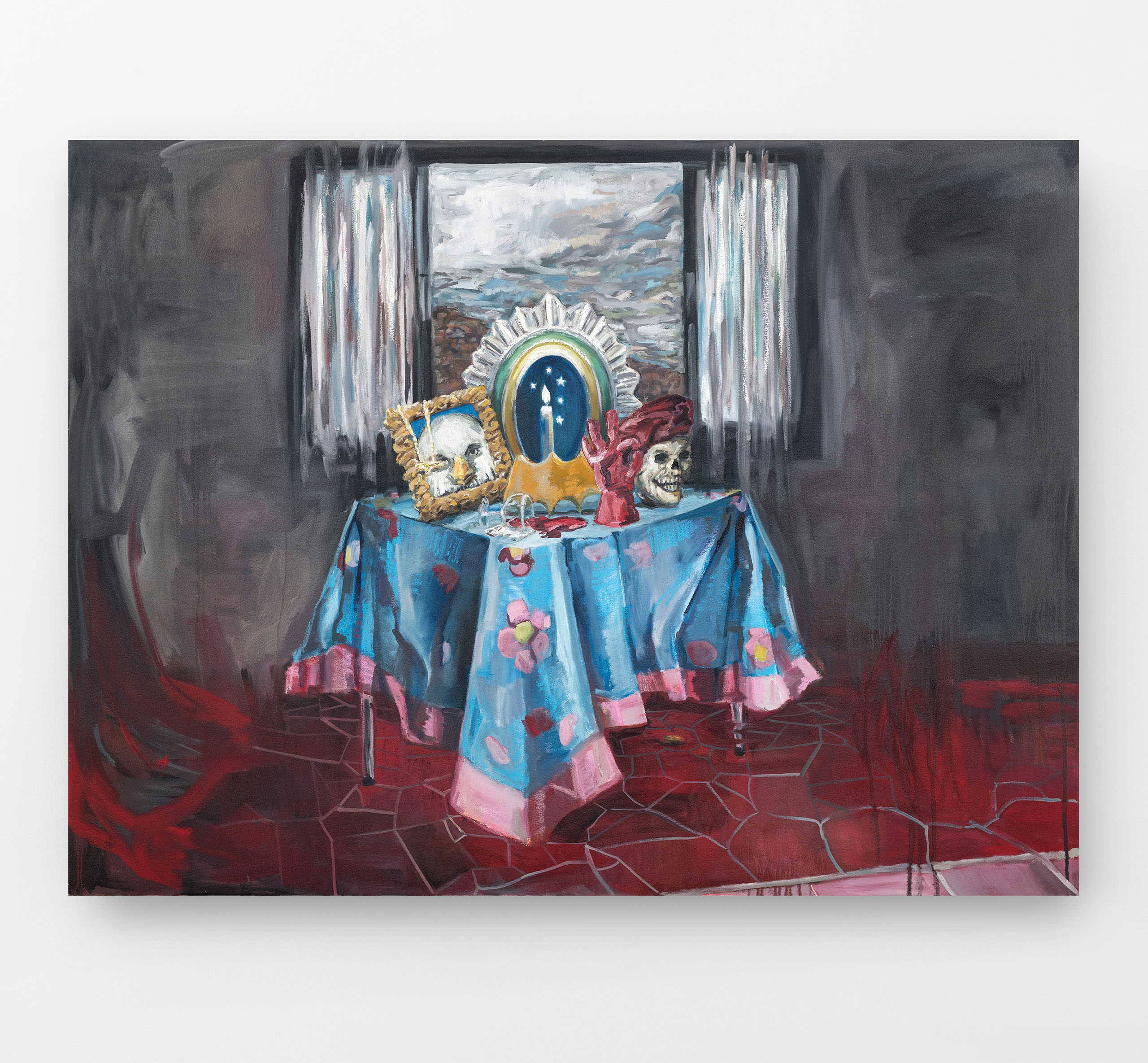
Marcia Falcão
Encontro ecumênico, 2022
oil on canvas
47 1/4 x 63 in
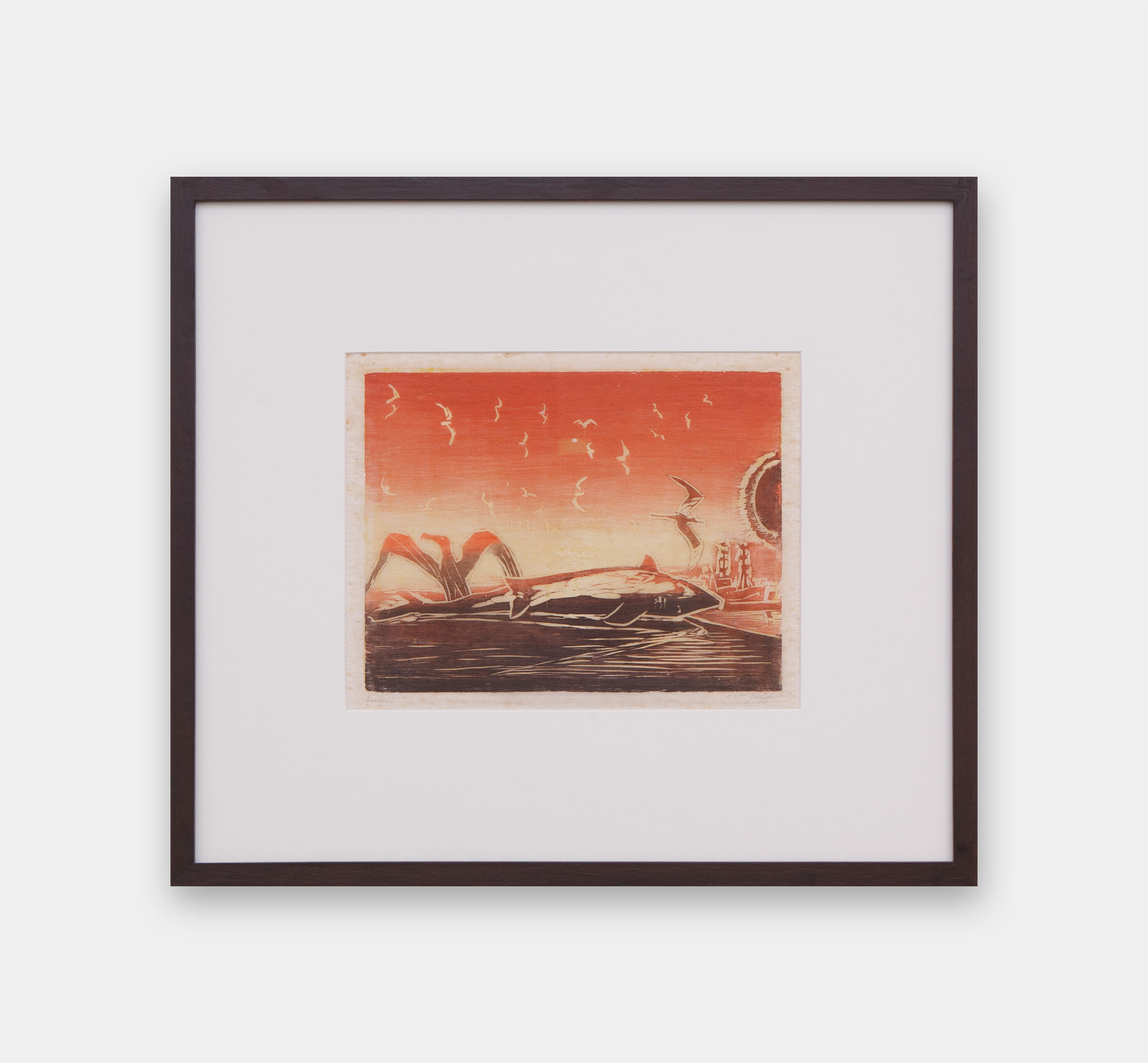
Oswaldo Goeldi
Eclipse, n.d.
woodcut on paper
11 3/8 x 14 1/8 in
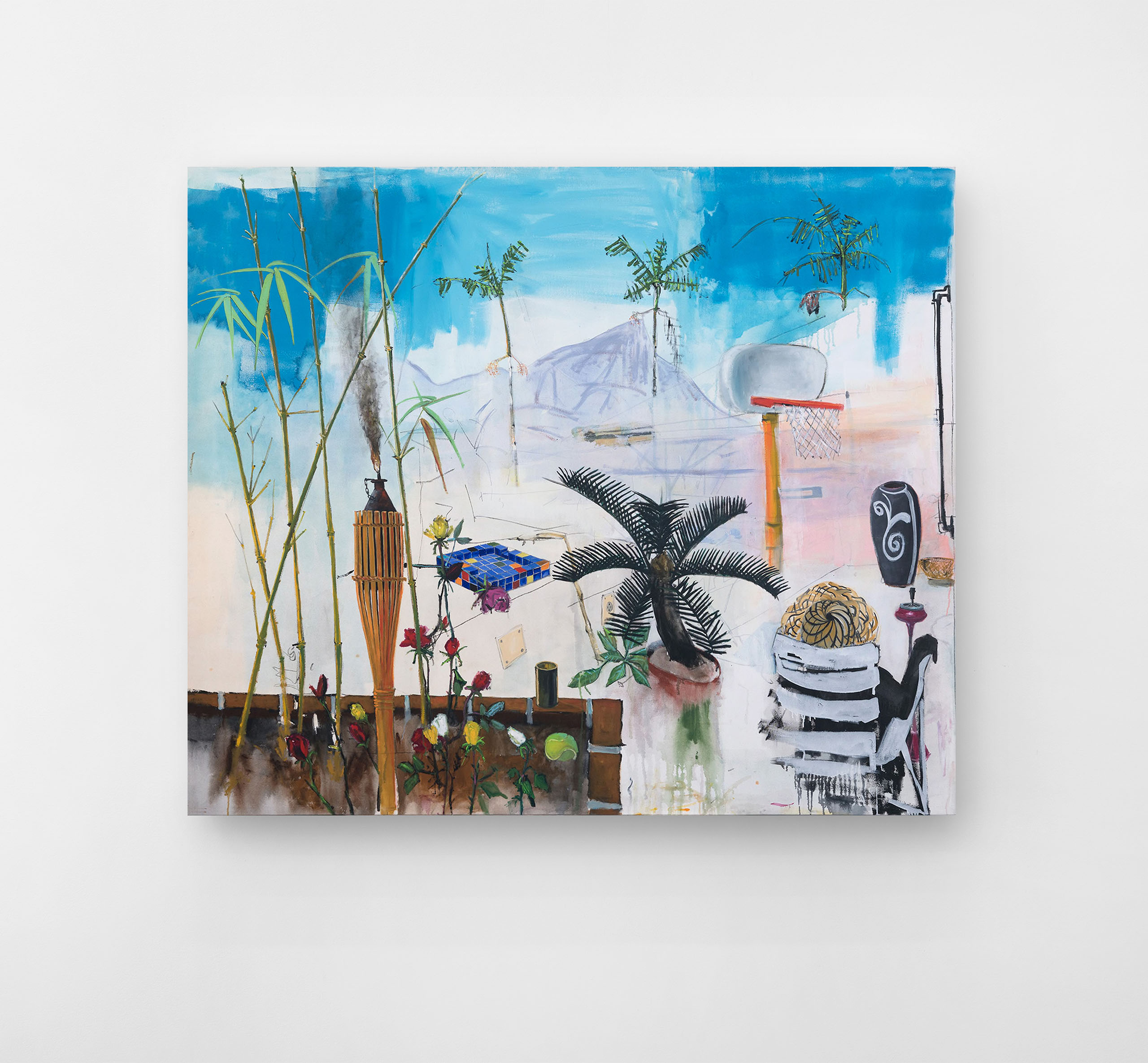
Luiz Zerbini
Chinatown, 1994
oil on canvas
78 3/4 x 93 3/4 in
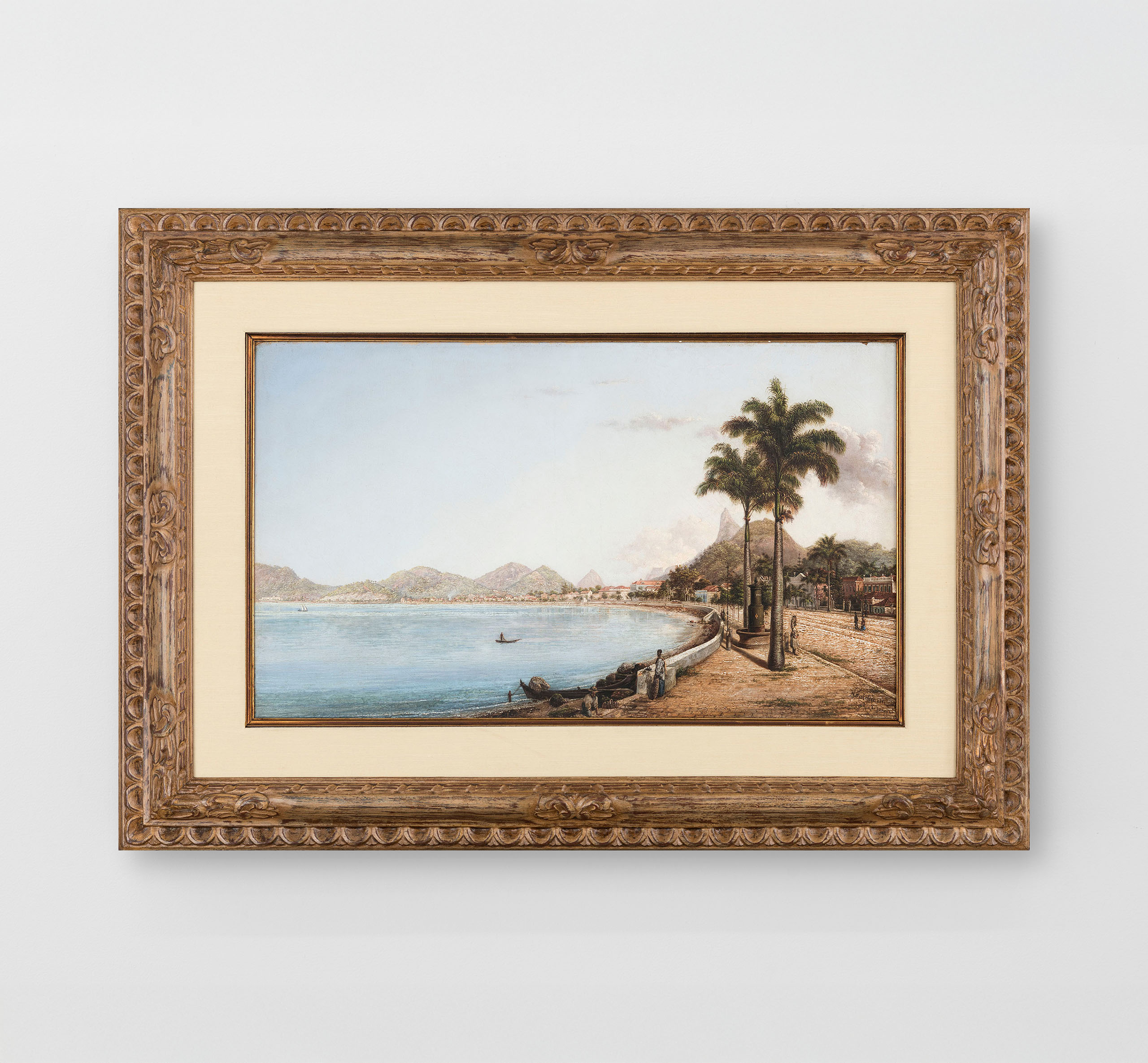
Nicolau Facchinetti
Baía de Botafogo, 1875
oil on pressed wood fiberboard
15 3/4 x 26 3/4 in
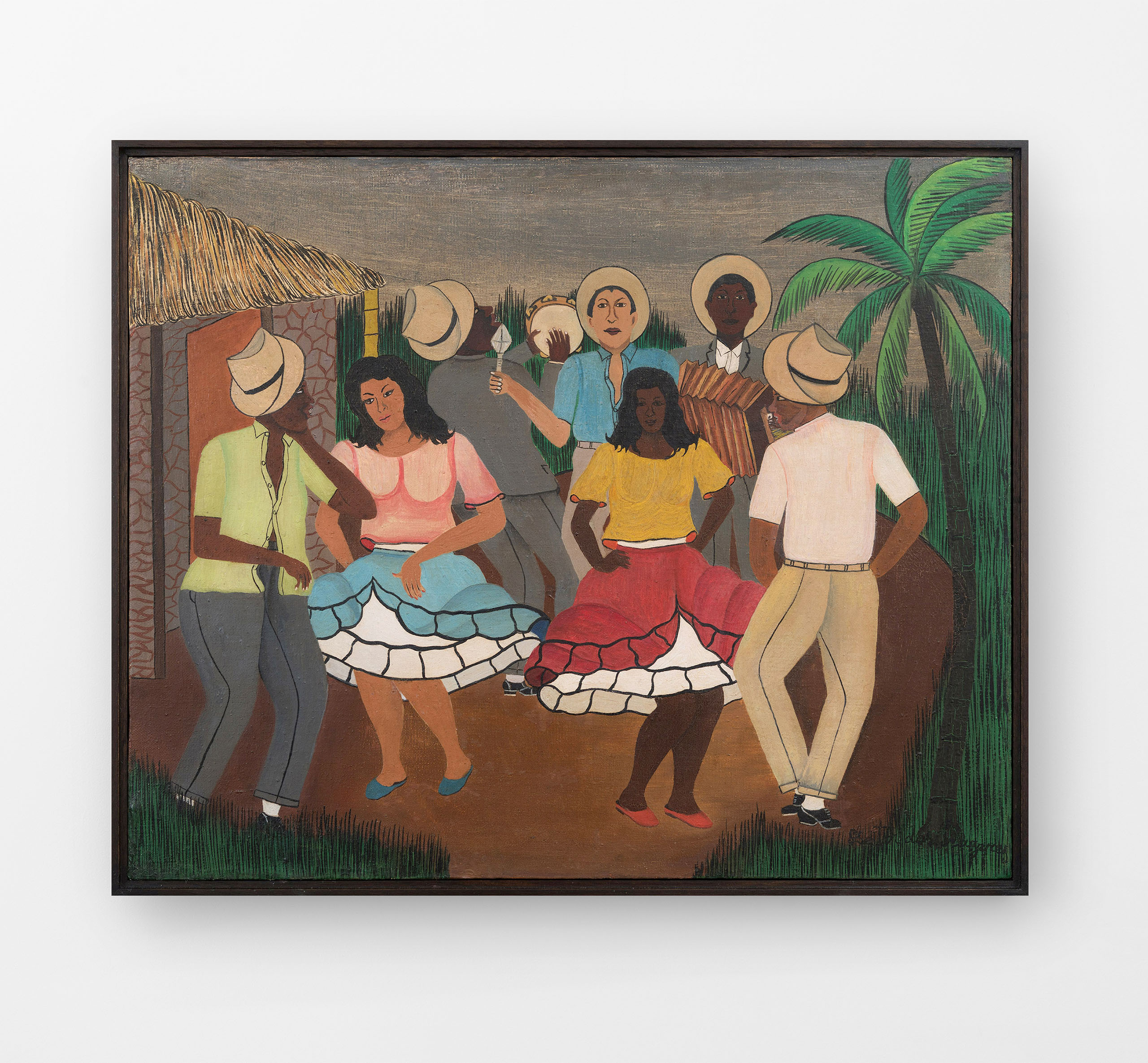
Privado: Heitor dos Prazeres
Untitled, n.d.
oil on canvas
19 3/4 x 24 in
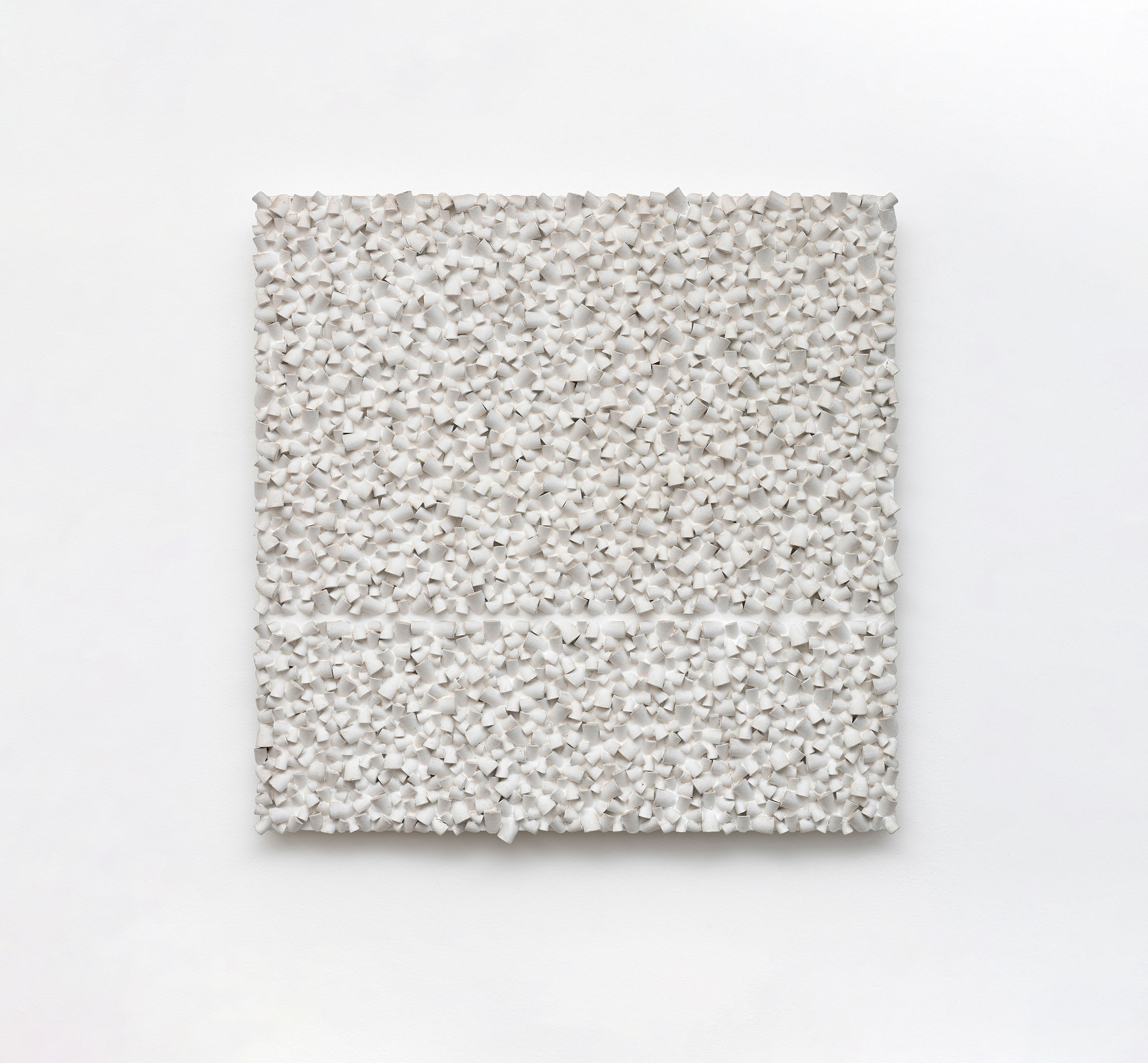
Privado: Sergio Camargo
Untitled, 1970s
polychrome wood
19 3/4 x 19 3/4 x 1 1/8 in]
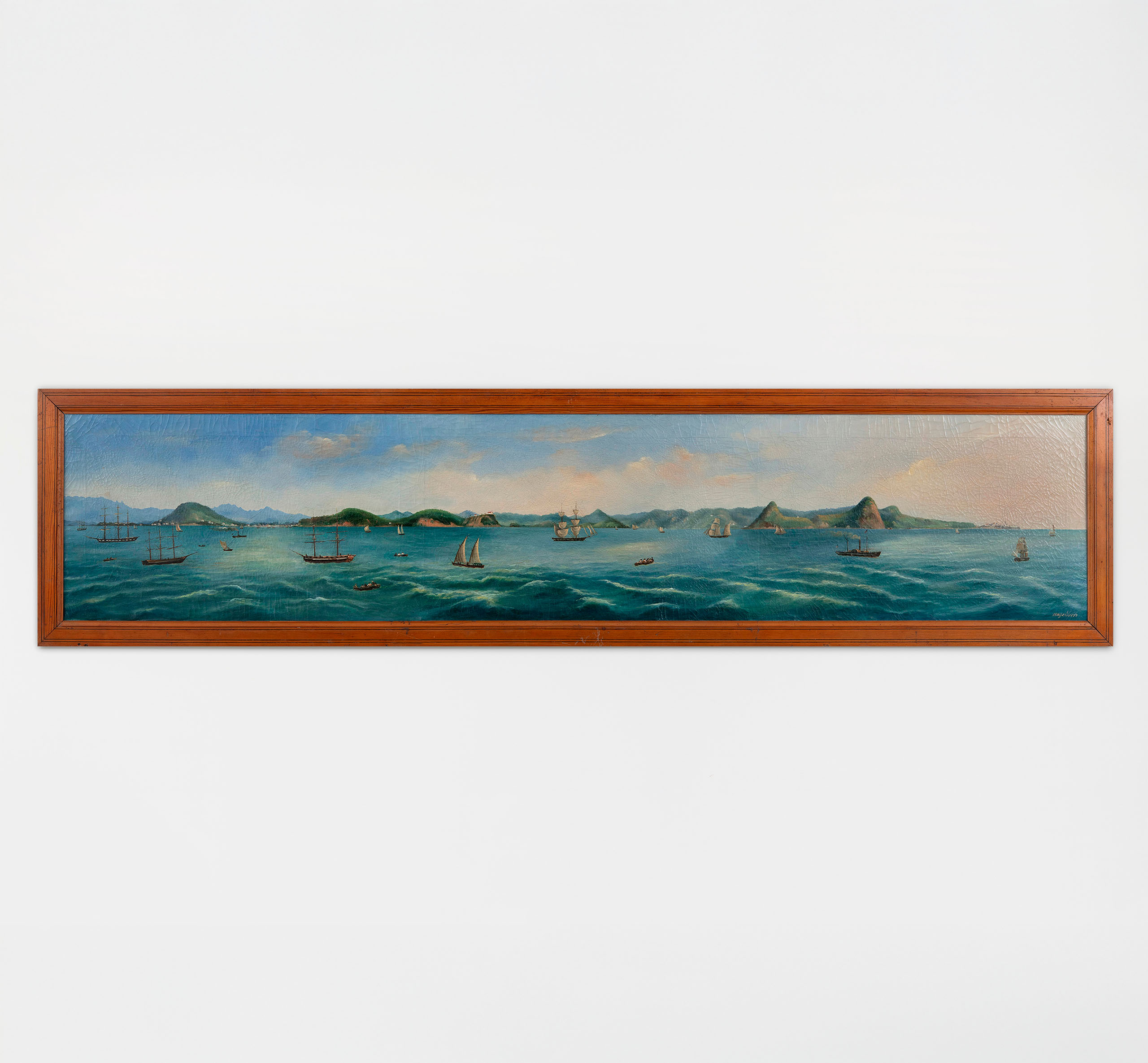
Friedrich Hagedorn
Untitled, n.d.
oil on canvas
16 1/2 x 82 1/4 in
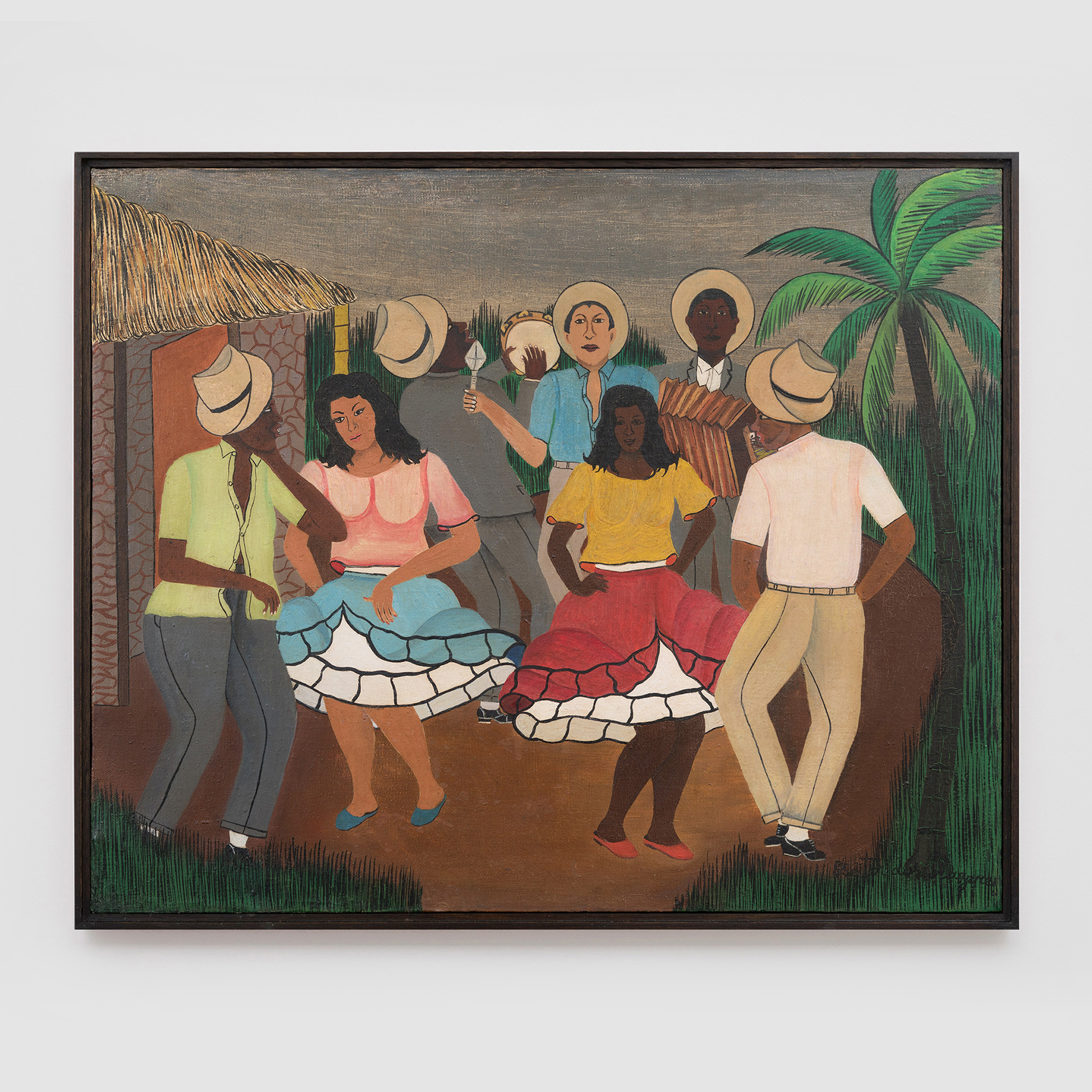
Heitor dos Prazeres
Untitled, n.d.
oil on canvas
19 3/4 x 24 in