Tomie Ohtake
Tomie Ohtake (1913, Kyoto, Japan–2015, São Paulo, Brazil) is one of the leading figures of abstract art in Brazil. Born in Japan in 1913, she arrived in Brazil in 1936 and settled in São Paulo. It was in the 1950s that she began painting, and during that same decade she joined the renowned Seibi Group, composed of artists of Japanese descent. After several years of figurative experimentation, Ohtake turned to abstraction in the late 1950s, a language she would embrace for the rest of her life, until her death in 2015.
During the 1980s, Tomie Ohtake’s production was characterized by the use of an intense and contrasting chromatic palette applied to large geometric forms on square canvases. In this period, the contours of her shapes became more sharply defined, while pronounced curves heightened the sense of movement within the composition. The precise definition of these compositions resulted from a procedure the artist had adopted since the 1970s: cutting pieces of paper with scissors into curved and straight shapes, which then served as guides for her paintings.
Tomie Ohtake participated in several editions of the São Paulo Biennial, as well as international biennials such as the Venice Biennale (1972) and the Havana Biennial (1984 and 1986). Her solo exhibitions were presented at prestigious institutions around the world, including the Hara Museum of Contemporary Art and the Mori Art Museum, both in Tokyo; the Barbican Centre in London; the Bass Museum of Art in Miami; as well as major Brazilian museums, including MASP and MAM Rio. Her work is held in important collections such as those of MASP, MAM São Paulo, MAM Rio, MAC USP, MAC Niterói, and the Pinacoteca de São Paulo, as well as international collections including the Patricia Phelps de Cisneros Collection.
WORKS
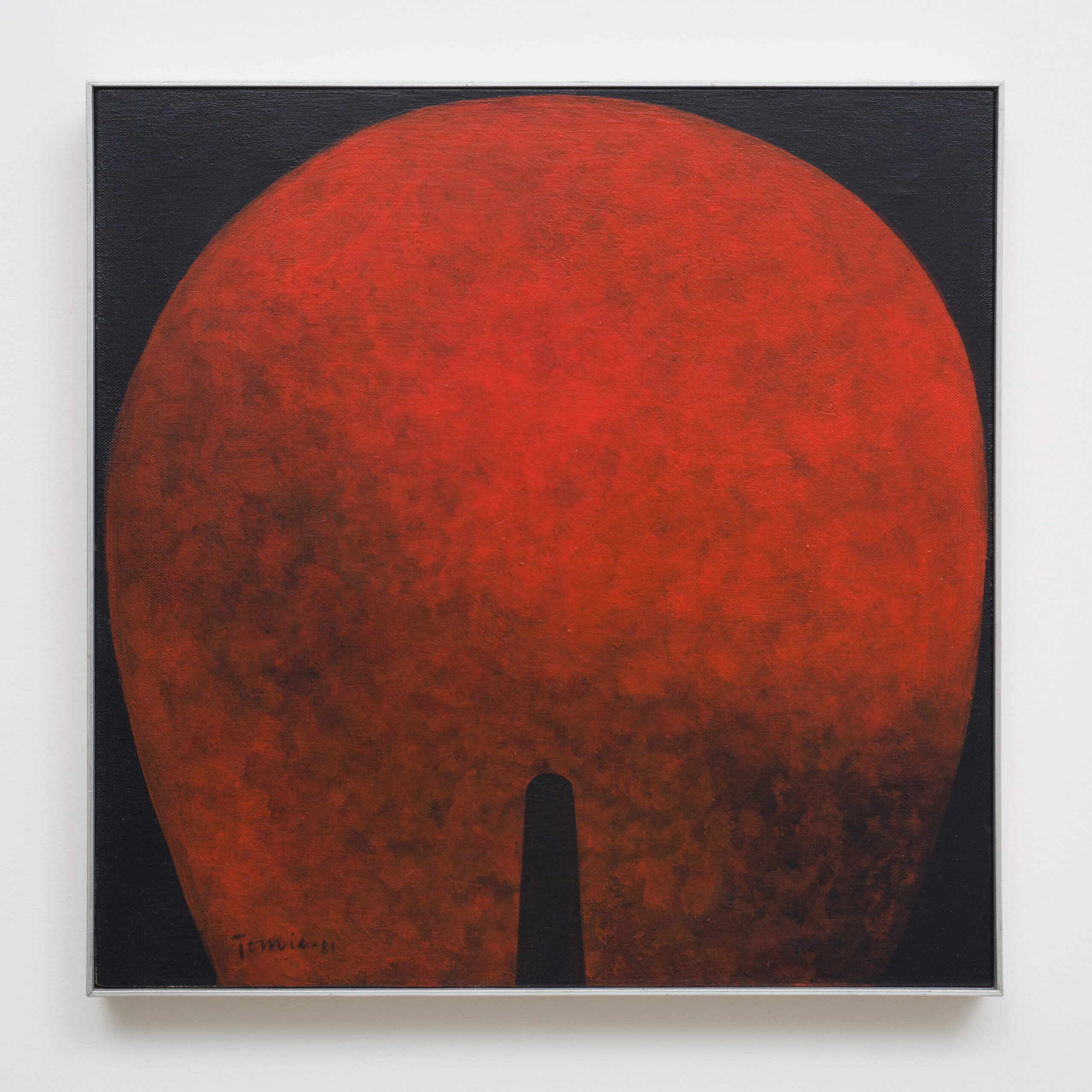
Untitled, 1981
oil on canvas
15 3/4 x 15 3/4 in
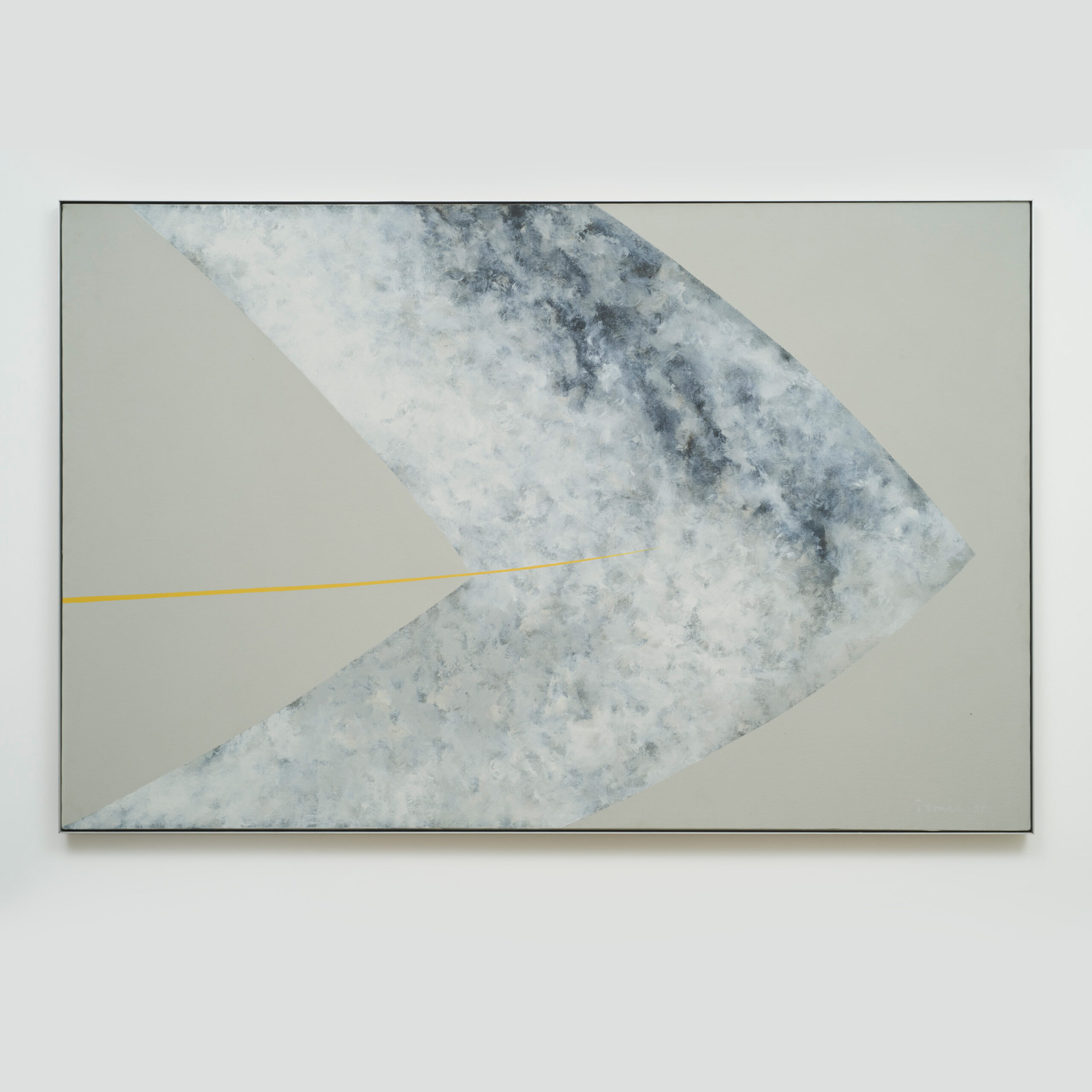
Untitled, 1988
oil on canvas
51 1/8 x 78 3/4 in
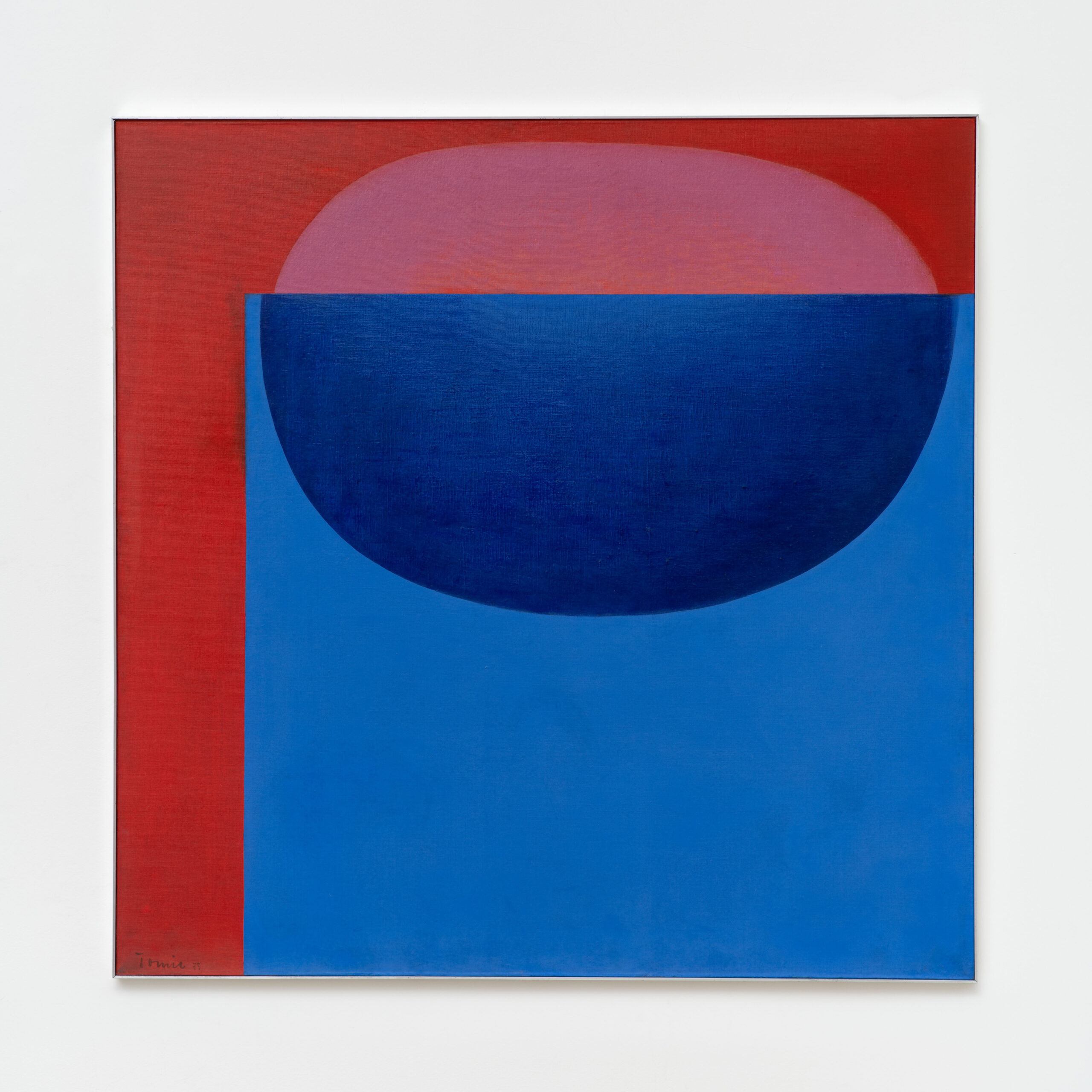
Untitled, 1975
oil on canvas
39 3/8 x 39 3/8 in
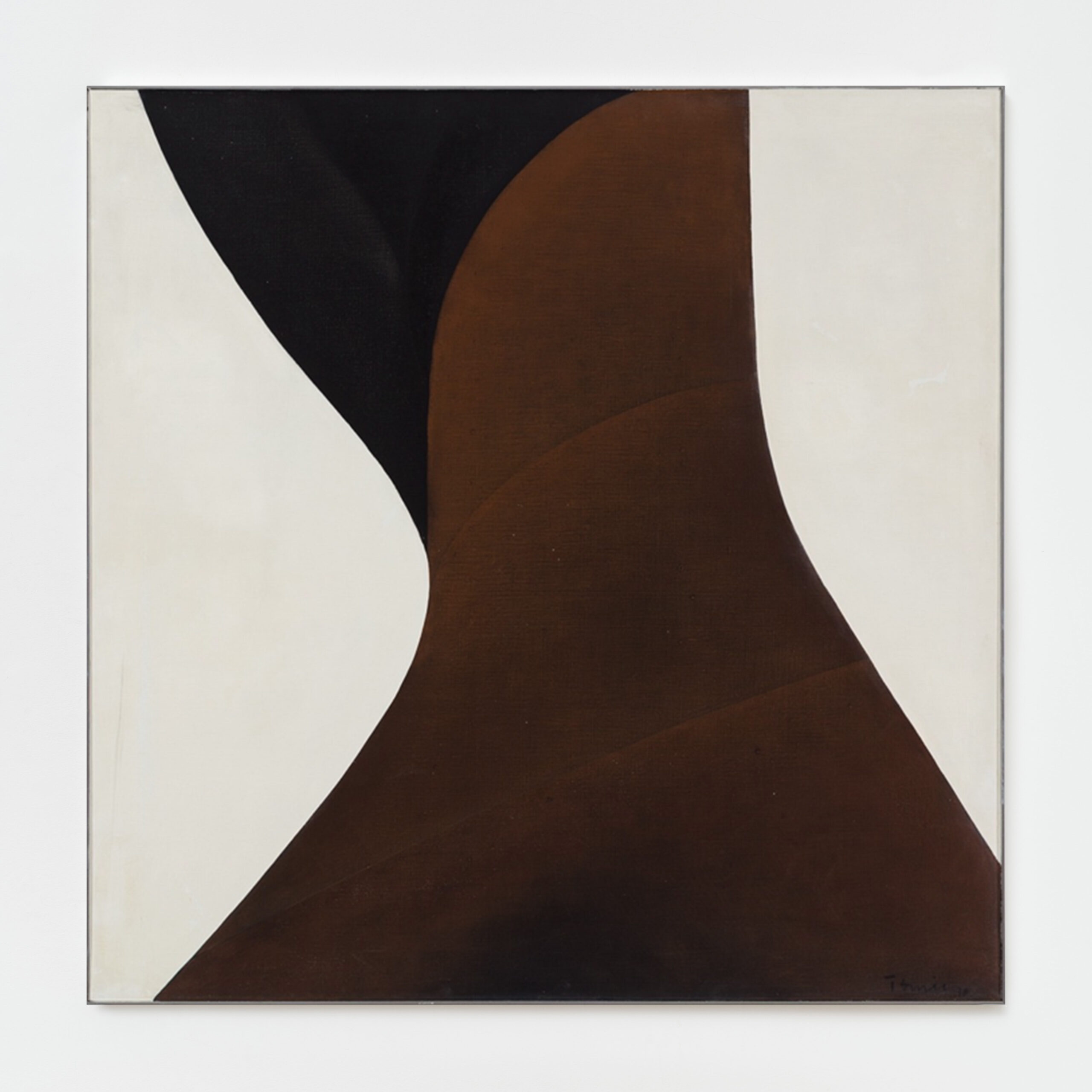
Untitled, 1976
oil on canvas
39 3/8 x 39 3/8 in
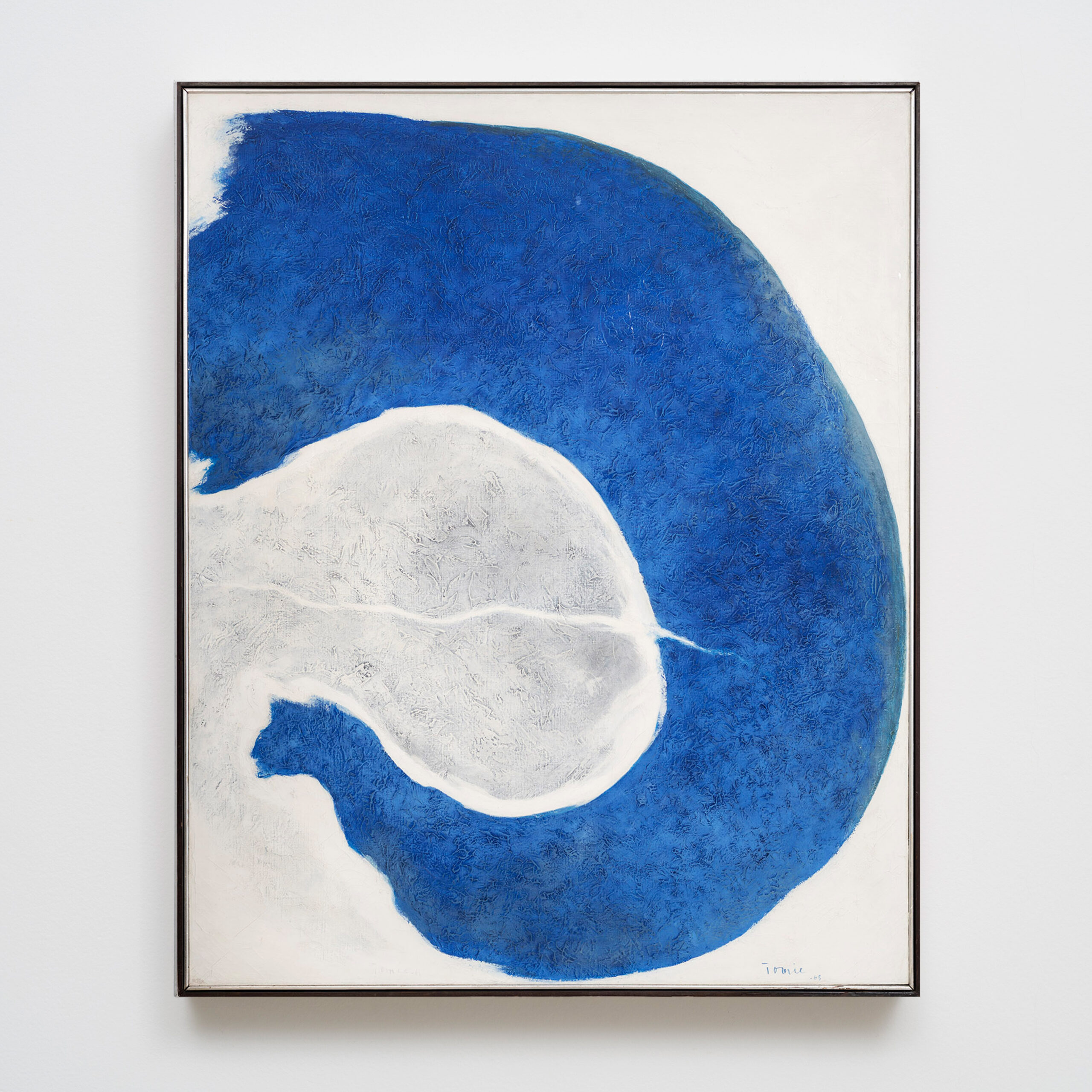
Abstrato, 1968
oil on canvas
135,5 x 109,5 cm
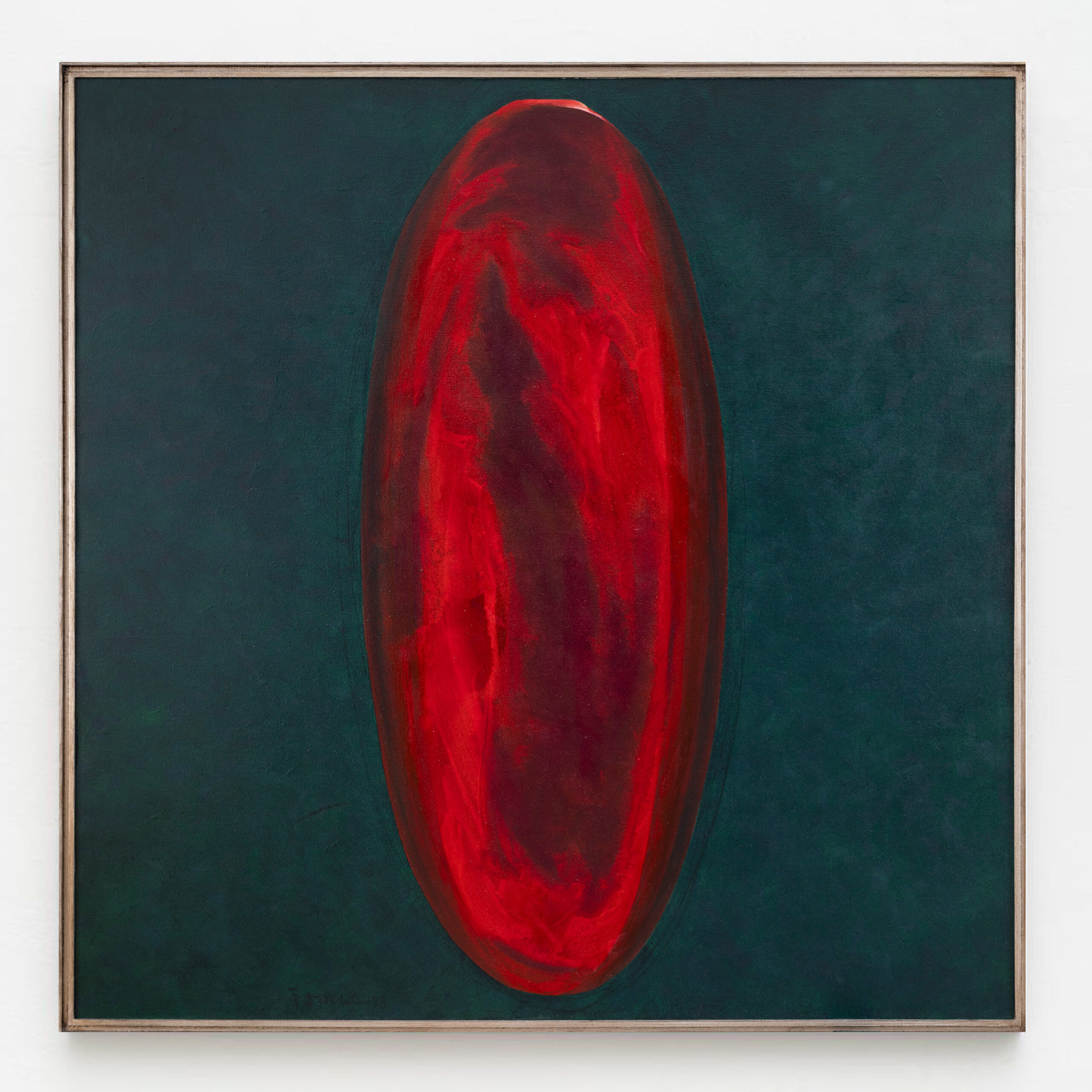
Untitled, 1988
oil on canvas
59 x 59 in
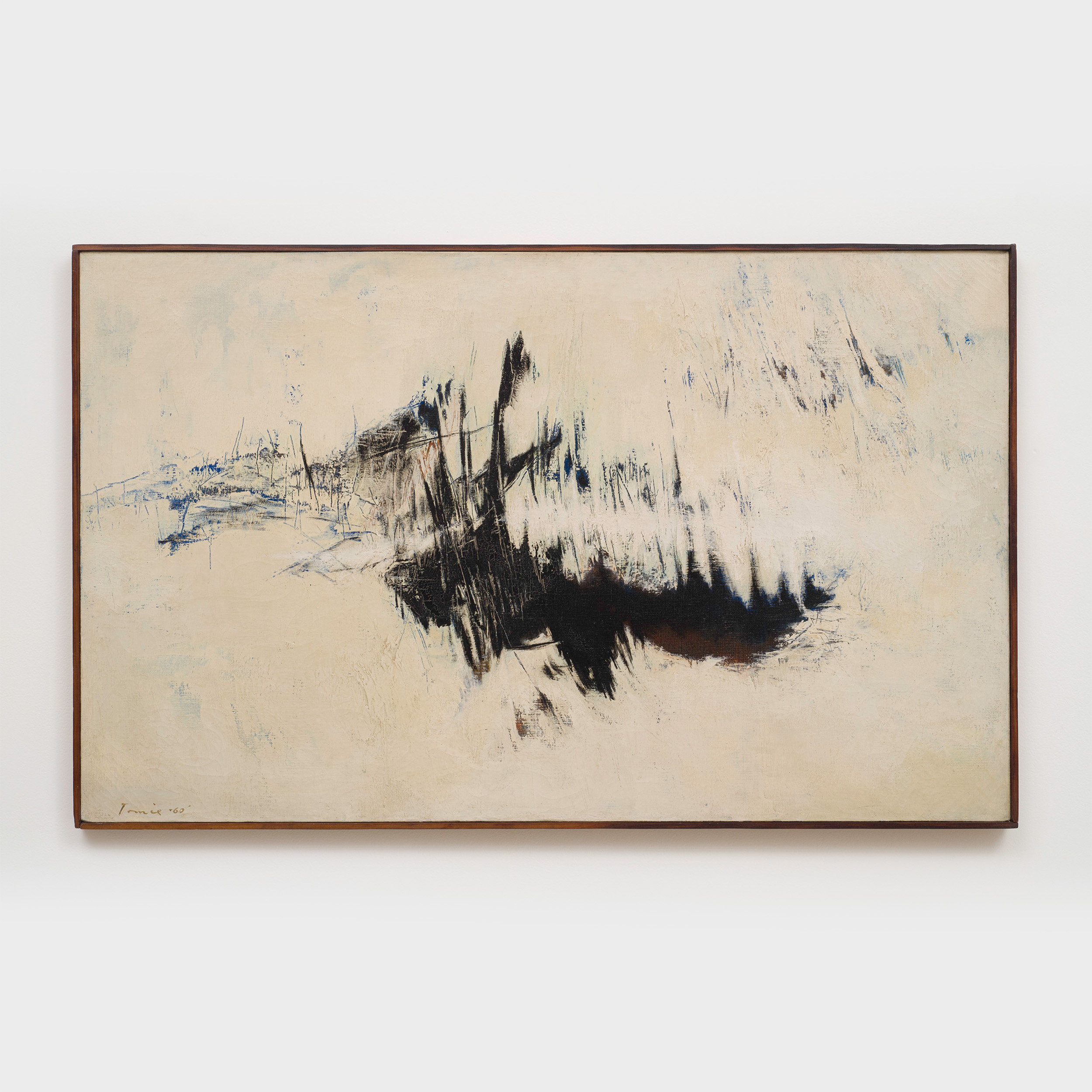
Untitled, 1960
oil on canvas
24 x 39 3/8 in
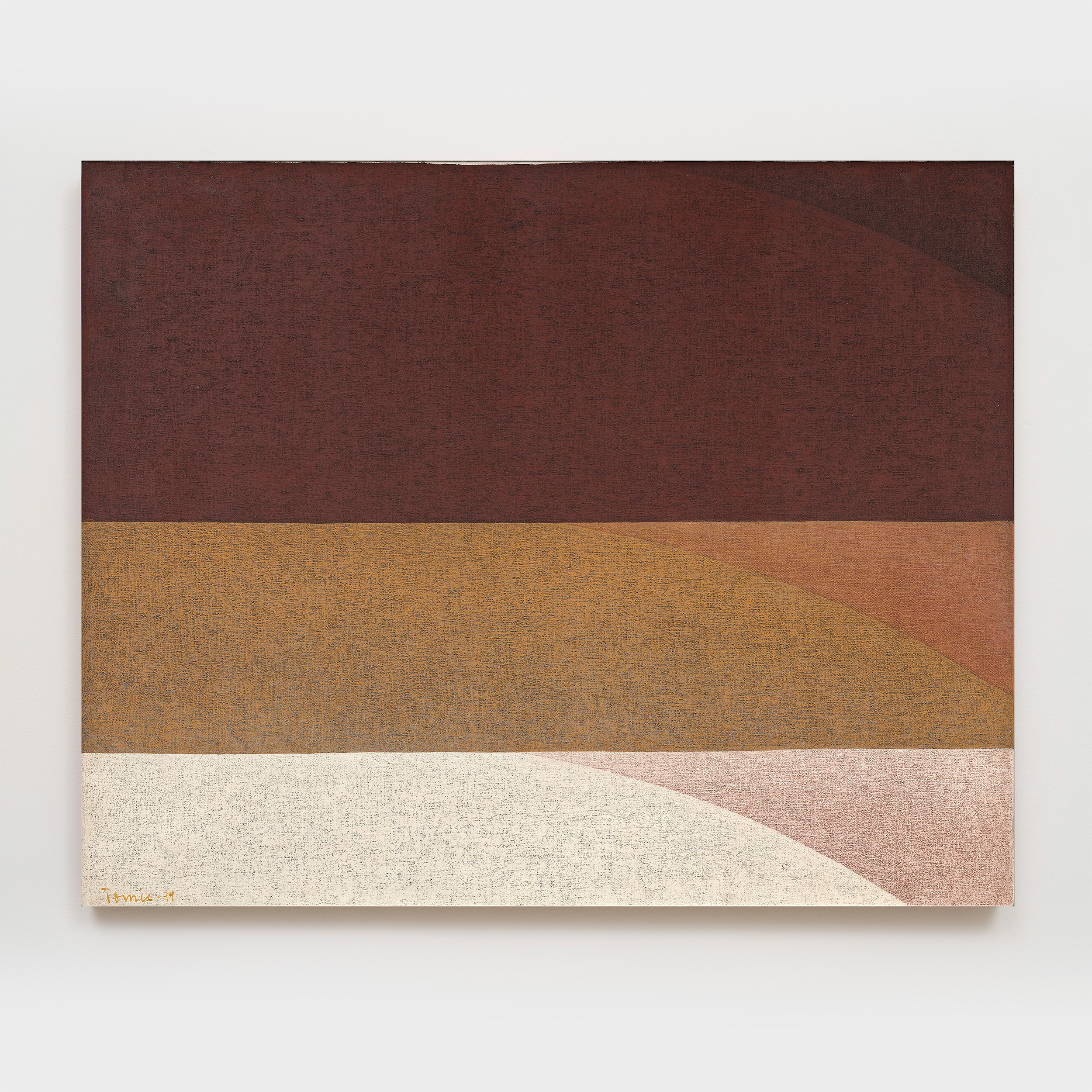
Untitled, 1979
oil on canvas
29 x 36 1/4 in