Tarsila do Amaral
Tarsila do Amaral (1886, São Paulo, Brazil—1973, São Paulo, Brazil) was one of the key pioneers of modern art in Brazil. After studying in Paris, where she came into contact with Cubism, Dadaism, and Futurism, she returned to Brazil and joined the modernist movement, incorporating elements of Brazilian culture into her painting. Her work blends vibrant colors and geometric forms with themes drawn from everyday life and national folklore. In 1928, she painted Abaporu, a seminal work that became a cornerstone of the Anthropophagic Movement. From that point on, her forms grew more organic and her themes more dreamlike, reflecting a deepening interest in Brazil’s popular legends and narratives.
The artist held her first solo exhibition in Rio de Janeiro in 1929, and in 1931, she presented her work in Moscow. In 1950, the São Paulo Museum of Modern Art (MAM-SP) organized her first major retrospective, and the following year, she was awarded at the inaugural São Paulo International Biennial. In 1969, she was featured in the retrospective Tarsila do Amaral: 50 Years of Painting, shown at both MAM Rio and MAM São Paulo. After her death, her work continued to be widely celebrated in national and international exhibitions, such as Tarsila do Amaral: Inventing Modern Art in Brazil at MoMA (2018), Tarsila Popular at MASP (2019), and Tarsila do Amaral: Peindre le Brésil moderne at the Musée du Luxembourg, which later traveled to the Guggenheim Bilbao (2024).
The artist held her first solo exhibition in Rio de Janeiro in 1929, and in 1931, she presented her work in Moscow. In 1950, the São Paulo Museum of Modern Art (MAM-SP) organized her first major retrospective, and the following year, she was awarded at the inaugural São Paulo International Biennial. In 1969, she was featured in the retrospective Tarsila do Amaral: 50 Years of Painting, shown at both MAM Rio and MAM São Paulo. After her death, her work continued to be widely celebrated in national and international exhibitions, such as Tarsila do Amaral: Inventing Modern Art in Brazil at MoMA (2018), Tarsila Popular at MASP (2019), and Tarsila do Amaral: Peindre le Brésil moderne at the Musée du Luxembourg, which later traveled to the Guggenheim Bilbao (2024).
WORKS
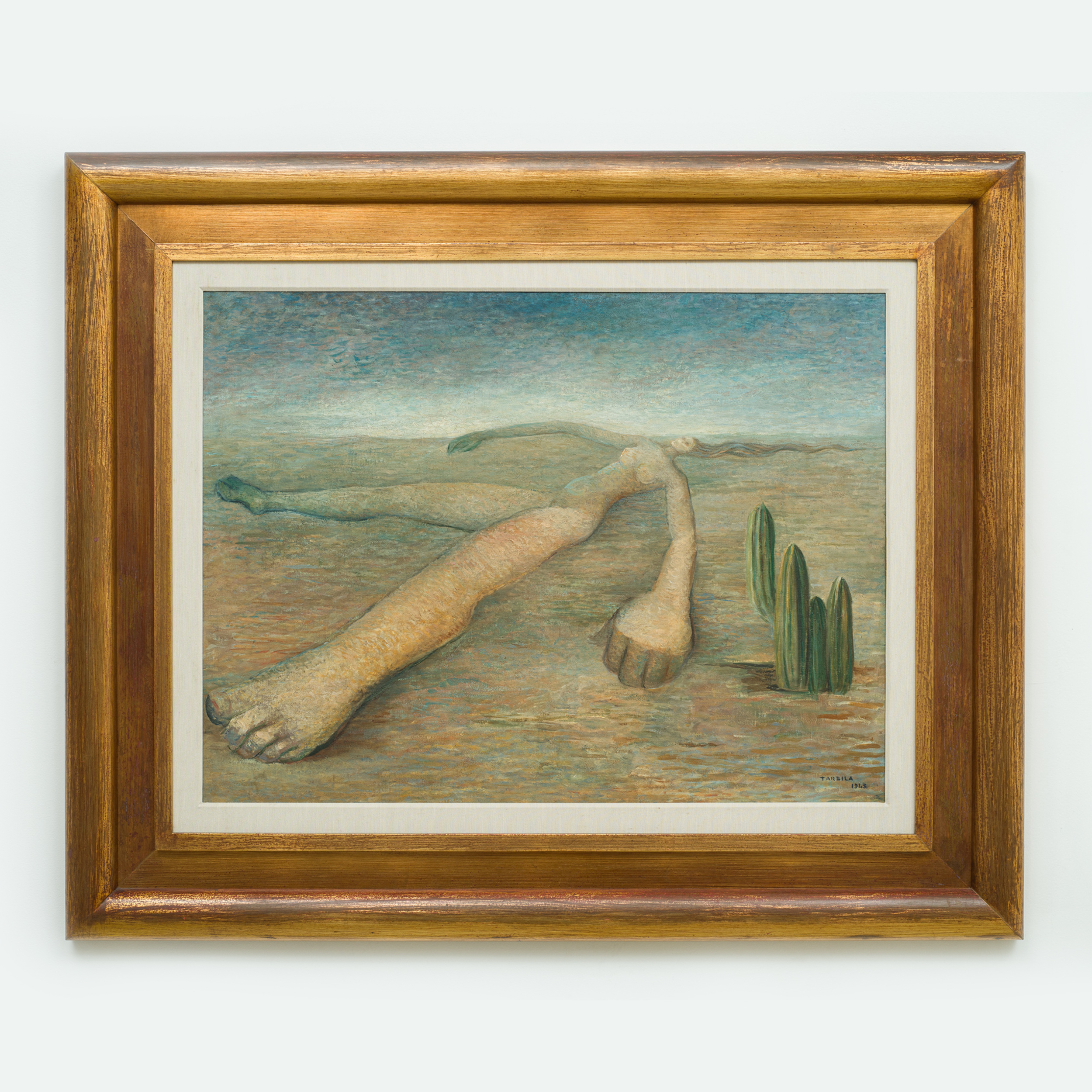
Terra, 1943
oil on canvas
24 x 31 5/8 in
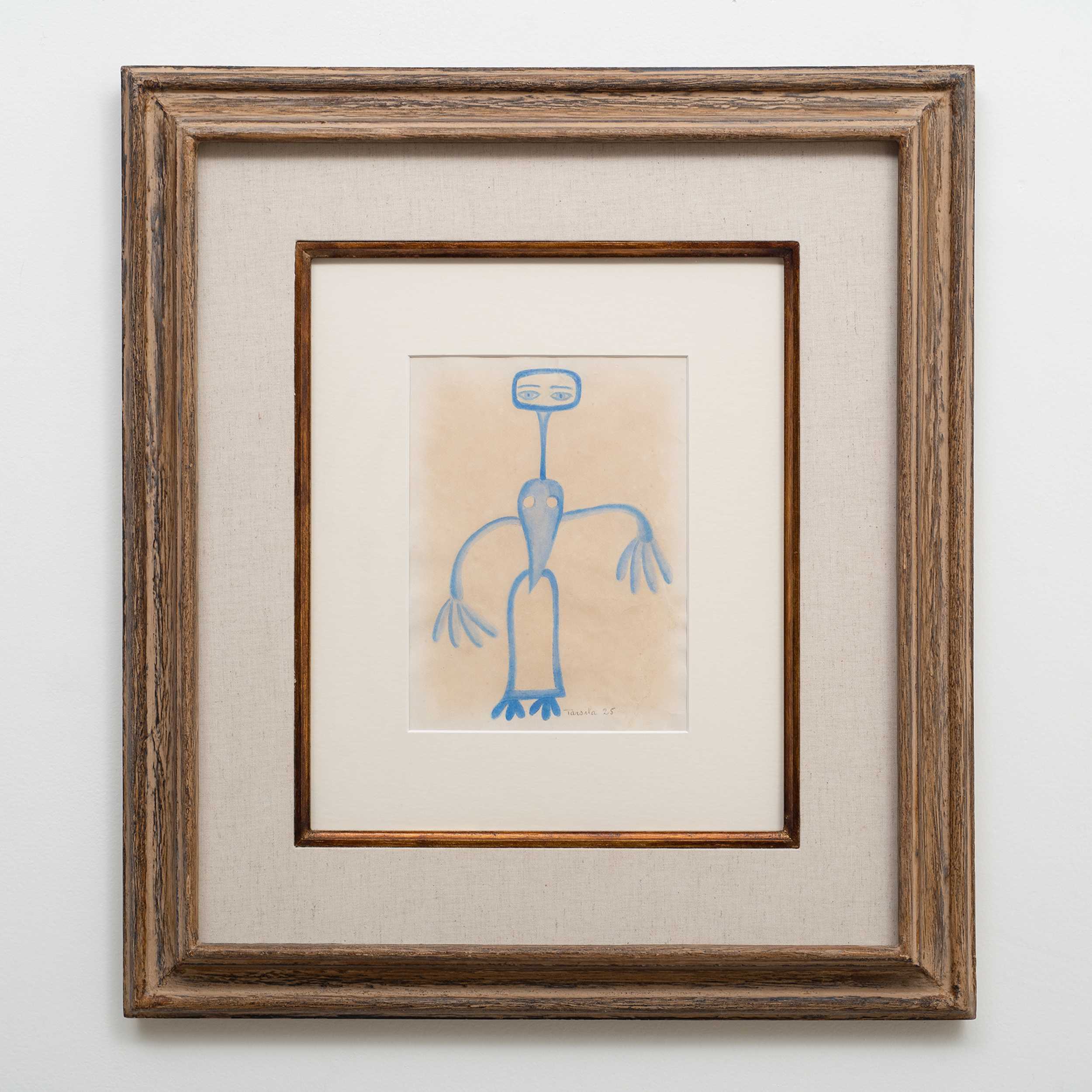
Estudo de mulher azul (Mãe-d’água), from the series Projeto de figurino, 1925
graphite and watercolor on paper
8 5/8 x 6 3/4 in
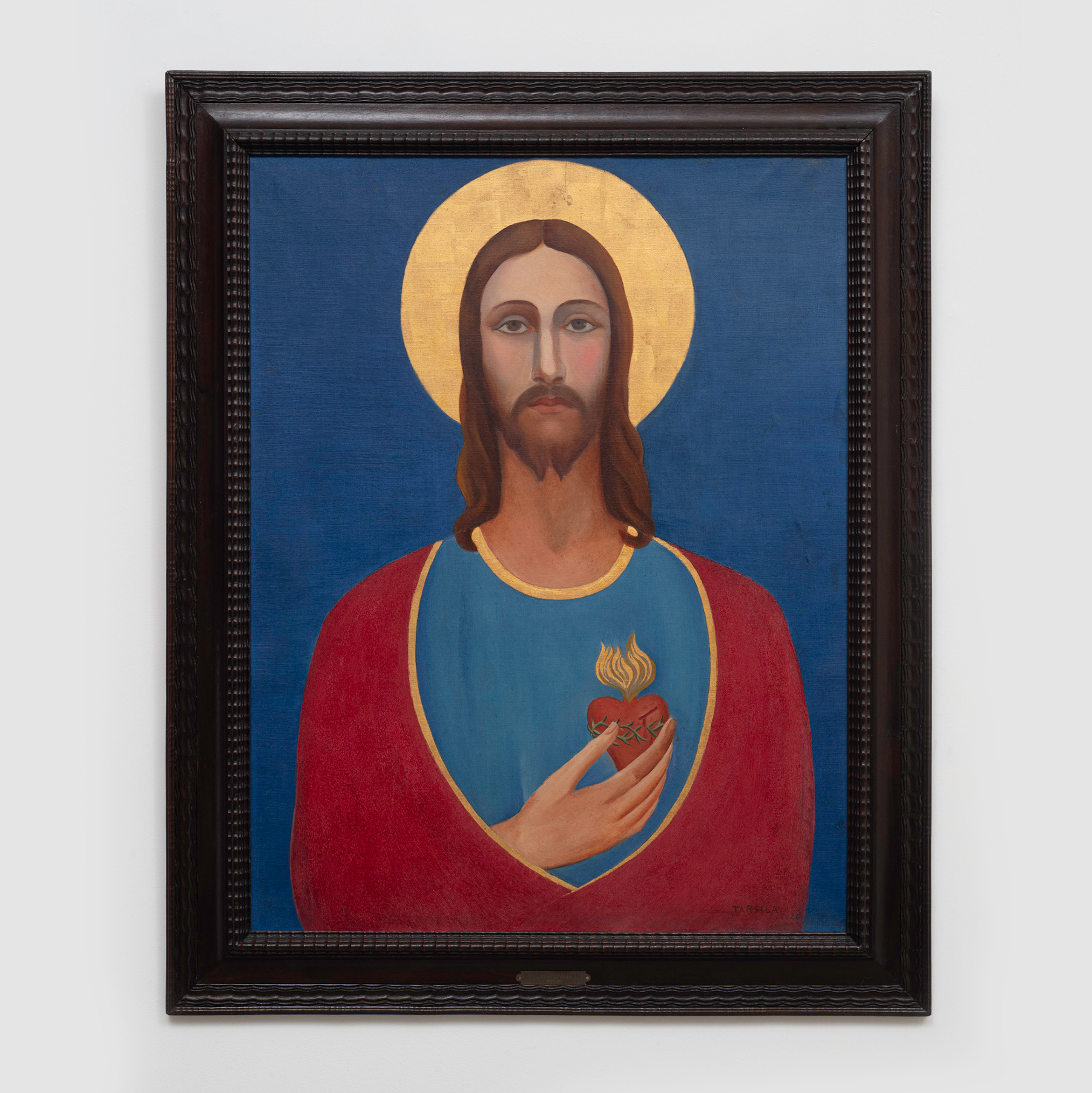
Sagrado coração de Jesus I, 1926
oil on canvas
33 1/2 x 25 5/8 in