Hélio Oiticica
Hélio Oiticica’s body of work is marked by intense experimentation over the course of three decades of artistic production, accompanied by numerous writings and theoretical formulations authored by the artist himself. Oiticica was a member of Grupo Frente and the Neo-Concrete movement, becoming one of the leading figures of this influential artistic movement that emerged in Rio de Janeiro.
One of his main contributions to the history of Brazilian and world art lies in the process of spatializing color: when his painting gradually begins to leap off the canvas and develop in real space, escaping the frame (both physical and metaphorical) and the two-dimensional nature.
His work is also characterized by the incorporation of sensory stimuli beyond the visual, such as touch, inviting the participation of the public, who cease to be mere spectators and become activators and, in some cases, integral parts of the artwork itself. This is particularly evident in Oiticica’s Parangolés, a series of works designed to be worn and activated through dance—more specifically, samba. This development stemmed from a pivotal turning point in the artist’s trajectory, when he began collaborating with the Estação Primeira de Mangueira samba school and engaging closely with its community.
It was at this moment that the critic Mário Pedrosa became one of the first to use the term “postmodern art” to describe Oiticica’s production, whose vocation, in his view, lay in anti-art and in embracing impurity. Writing in 1966, Pedrosa observed: “It was during his initiation into samba that the artist moved from visual experience, in its purity, to an experience of touch, movement, and the sensory enjoyment of materials, in which the entire body—previously confined to the distant aristocracy of vision—enters as the total source of sensoriality.” This shift marked a fundamental transformation in Oiticica’s practice, expanding the role of the viewer from passive observer to active participant.
WORKS
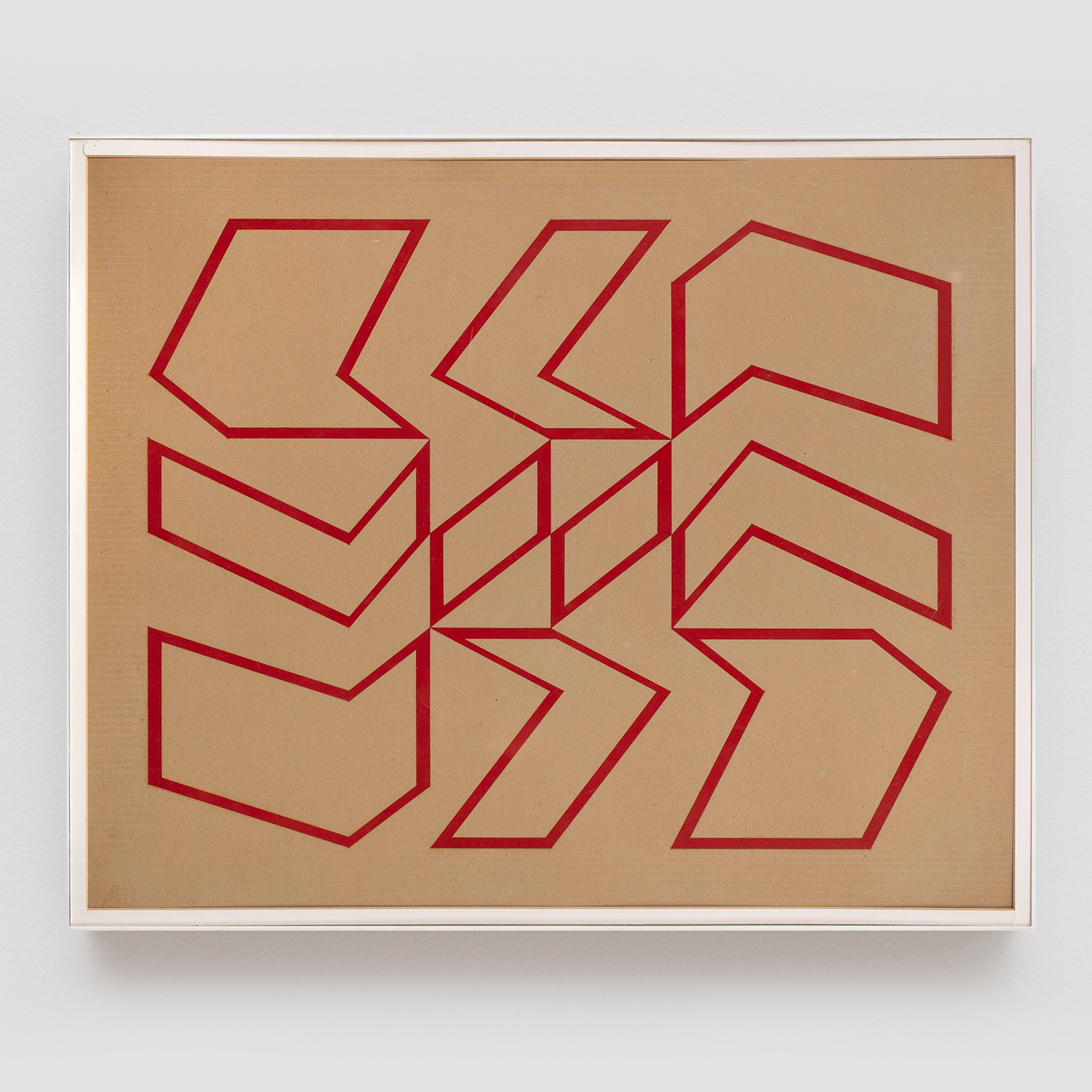
Metaesquema, 1958
gouache on paper
20 1/2 x 25 1/4 in
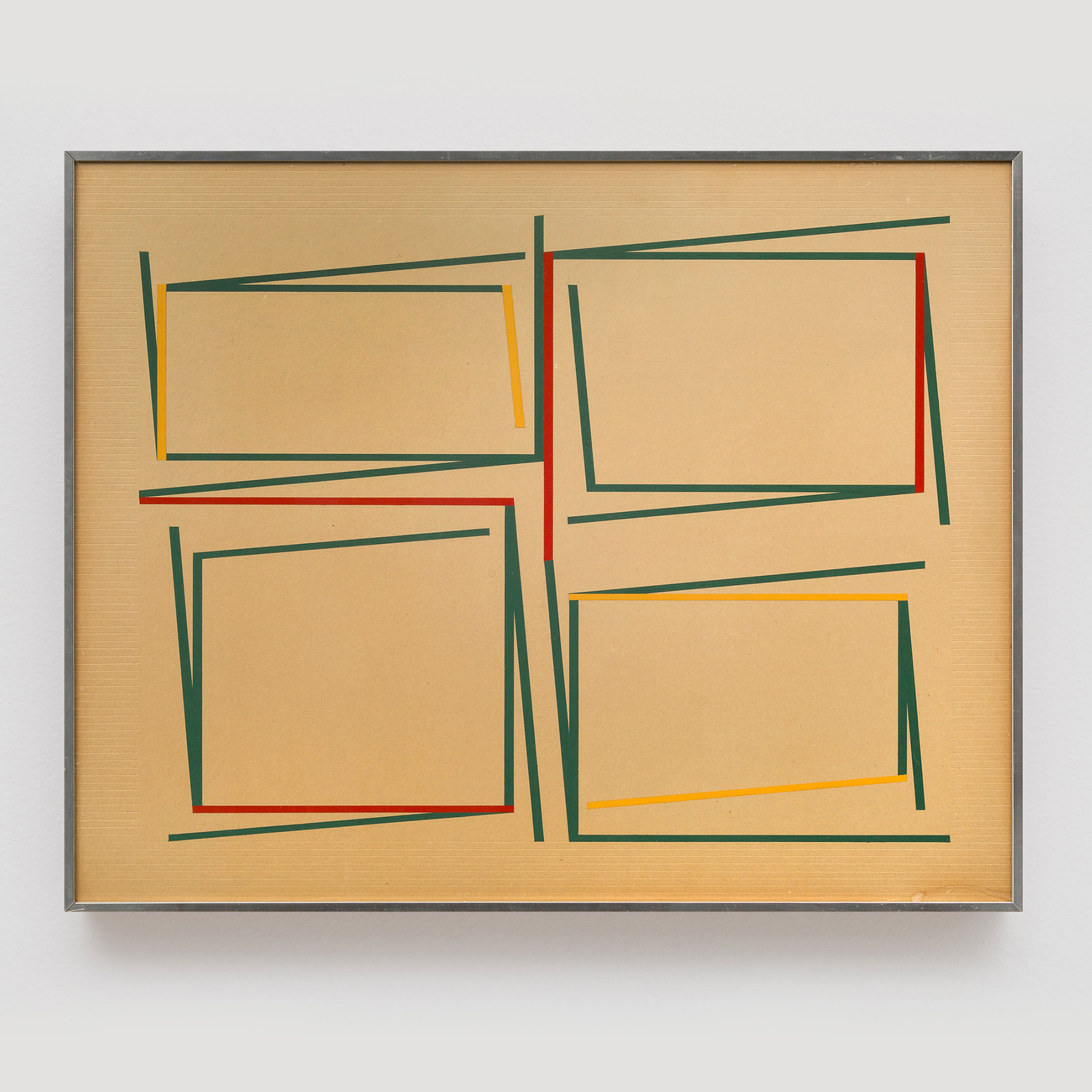
Metaesquema, n.d.
gouache on paper
19 1/4 x 24 3/8 in
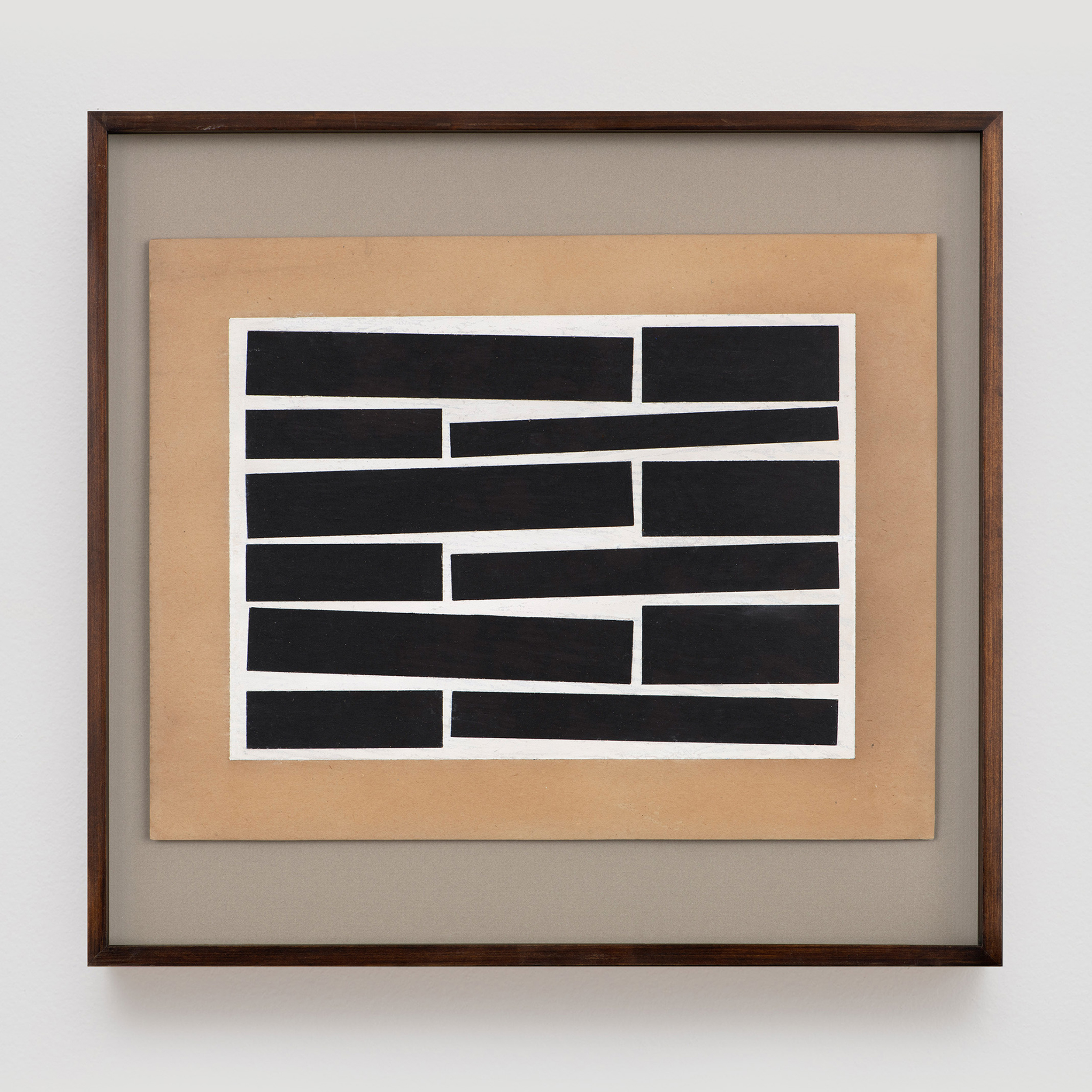
Metaesquema #181, c. 1958
gouache on paper
11 3/8 x 15 in
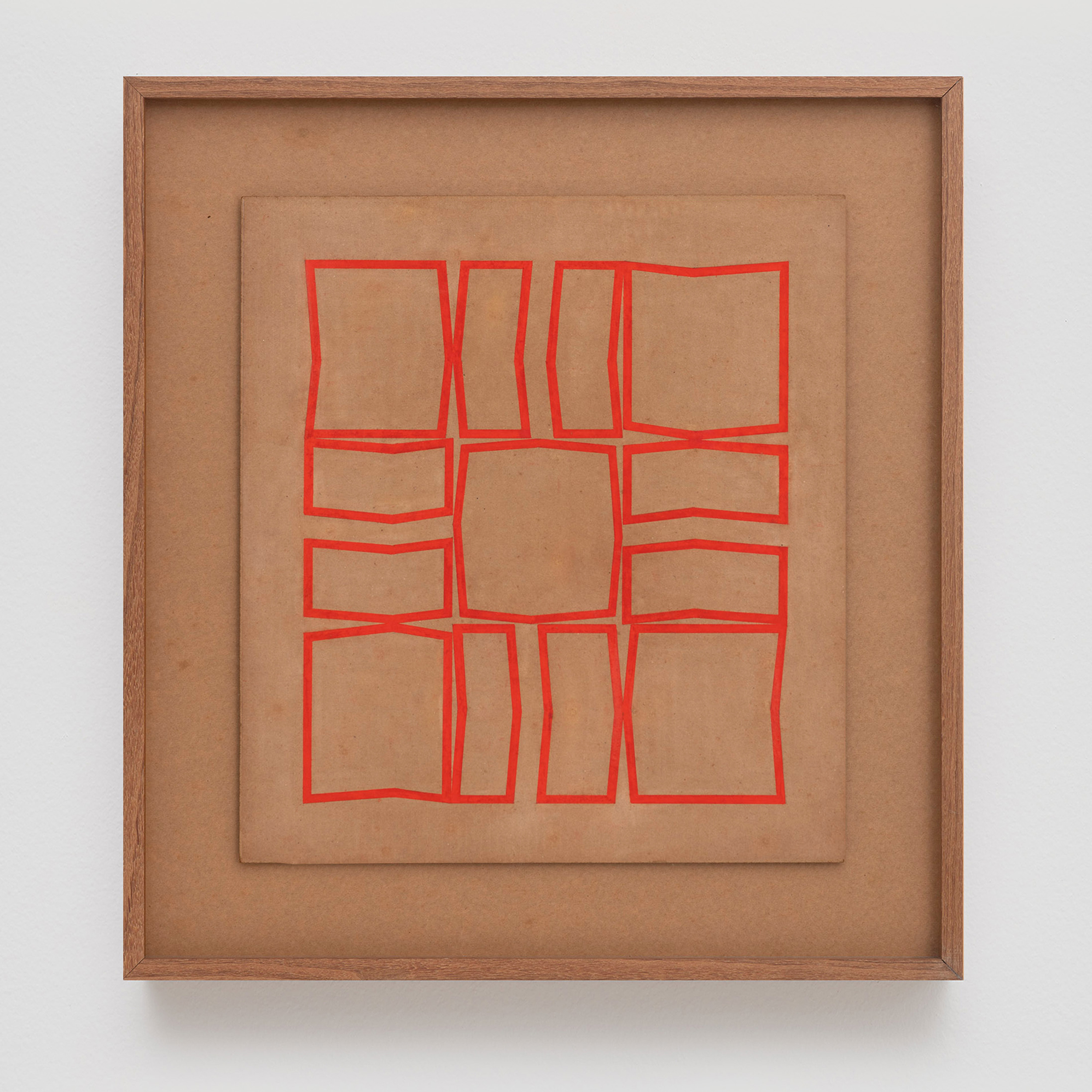
Metaesquema, 1958
gouache on paper
16 7/8 x 15 3/8 in
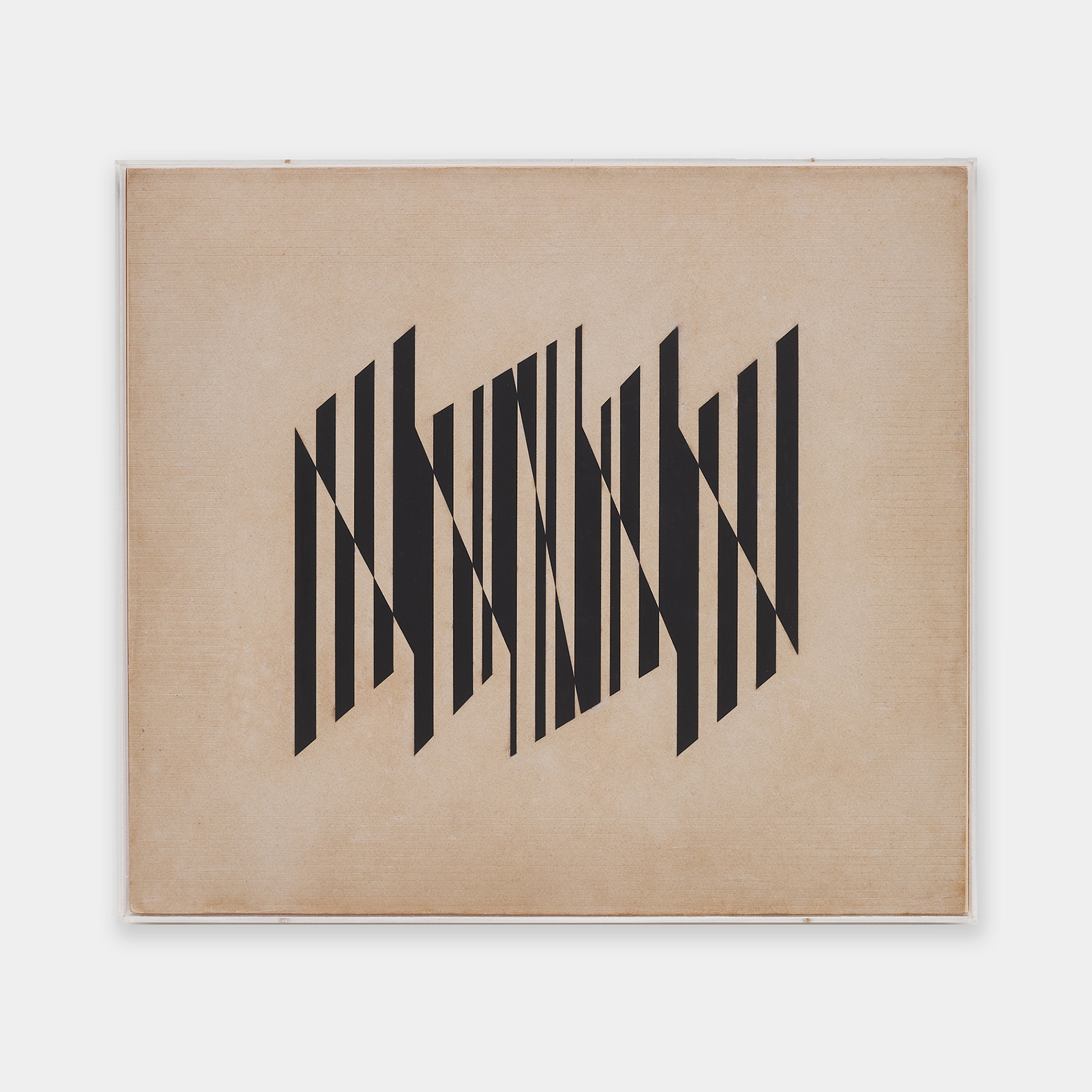
Lá e cá/Metaesquema, 1958
gouache on paper
18 1/8 x 20 1/8 in

Metaesquema, n.d.
gouache on paper
20 1/4 x 24 5/8 in

Relevo espacial A17, 1959/1991
acrylic on wood
29 7/8 x 61 3/8 x 3 1/8 in
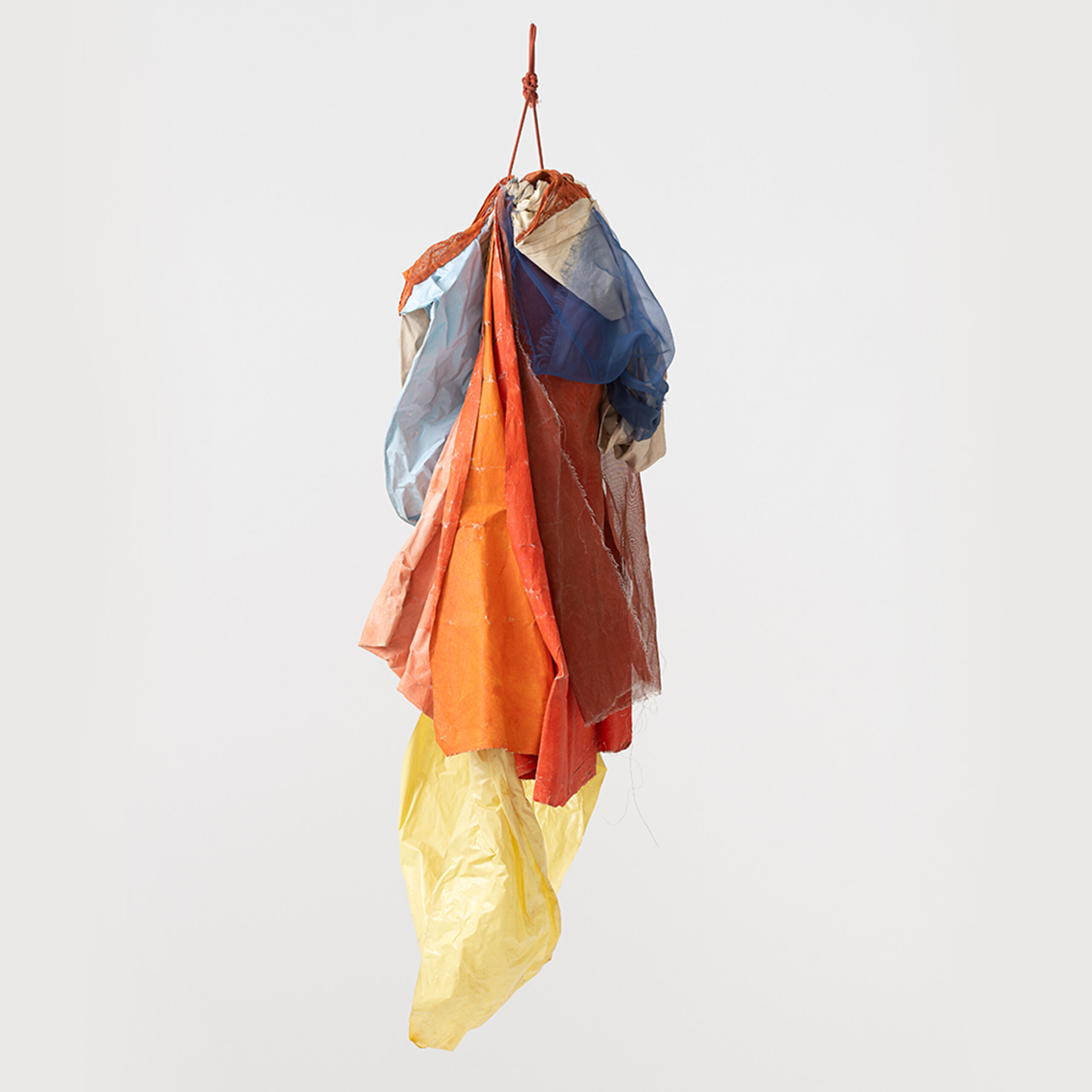
Parangolé P4 Capa 1, 1964/1986
mixed media on fabrics
59 x 24 3/8 x 6 3/4 in

Sem título, 1958
gouache on paper
30 x 33 cm

Relevo espacial, 1959/1960
acrylic on wood
150 x 62 x 15,5 cm