SP—Arte 2026
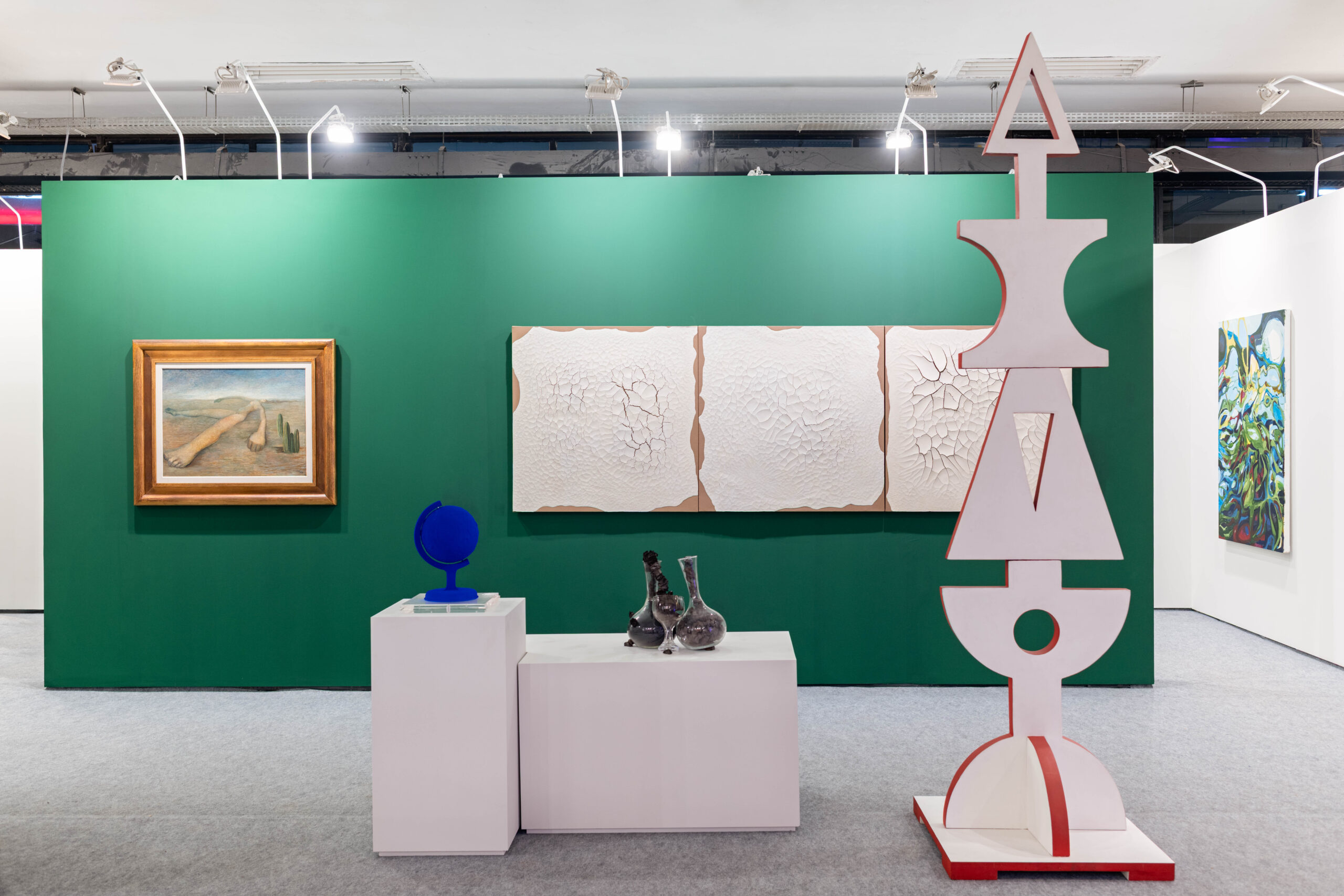
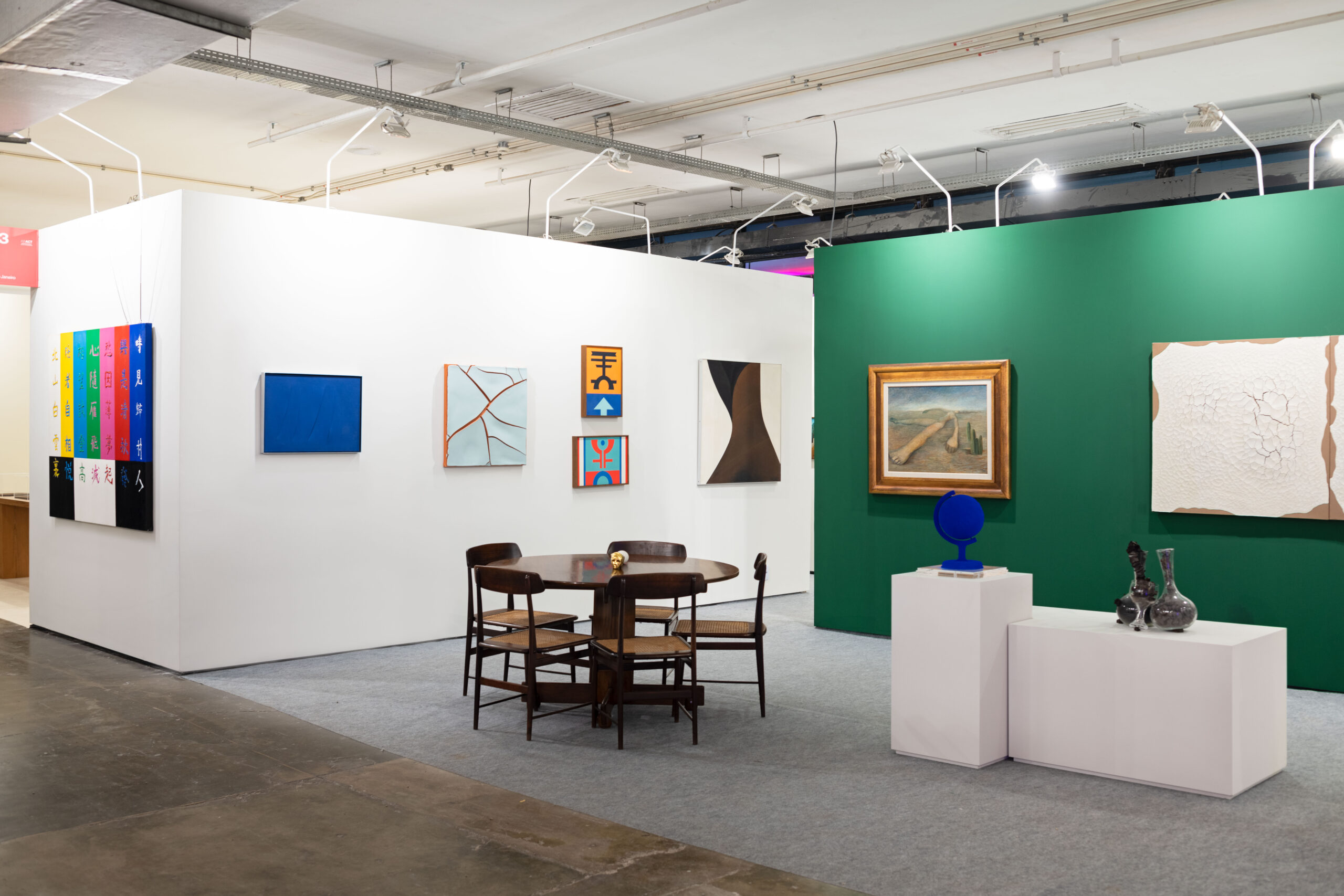
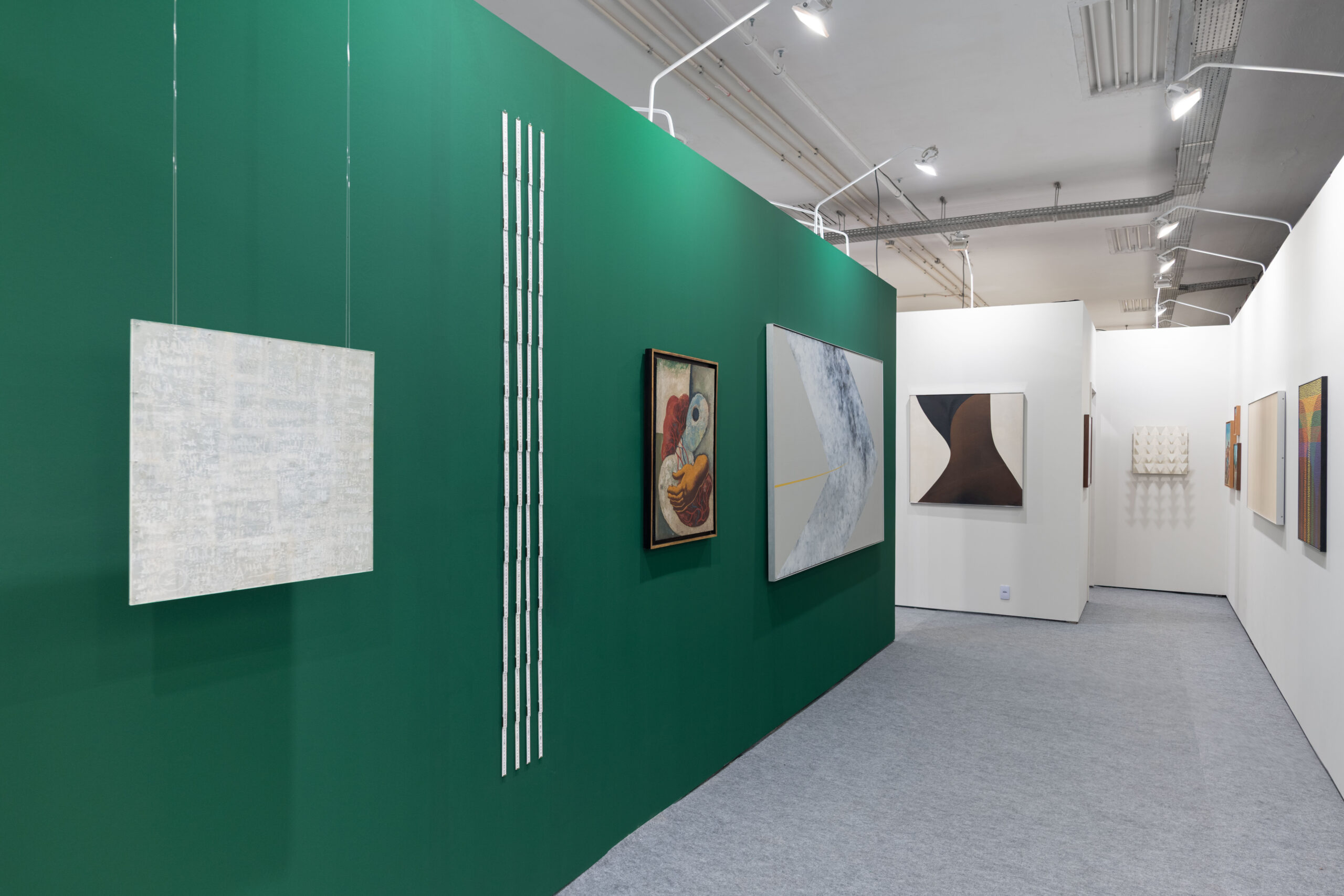
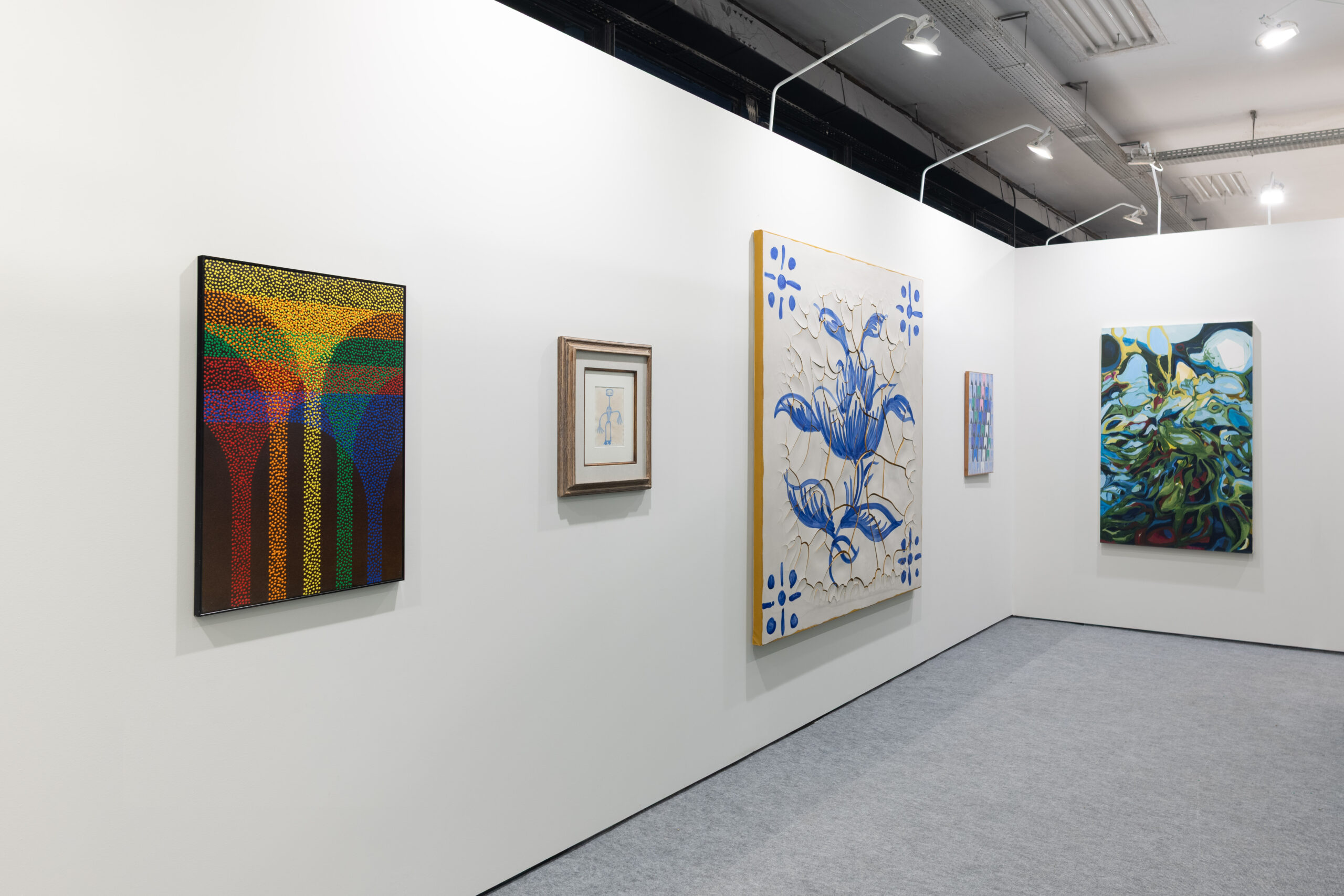
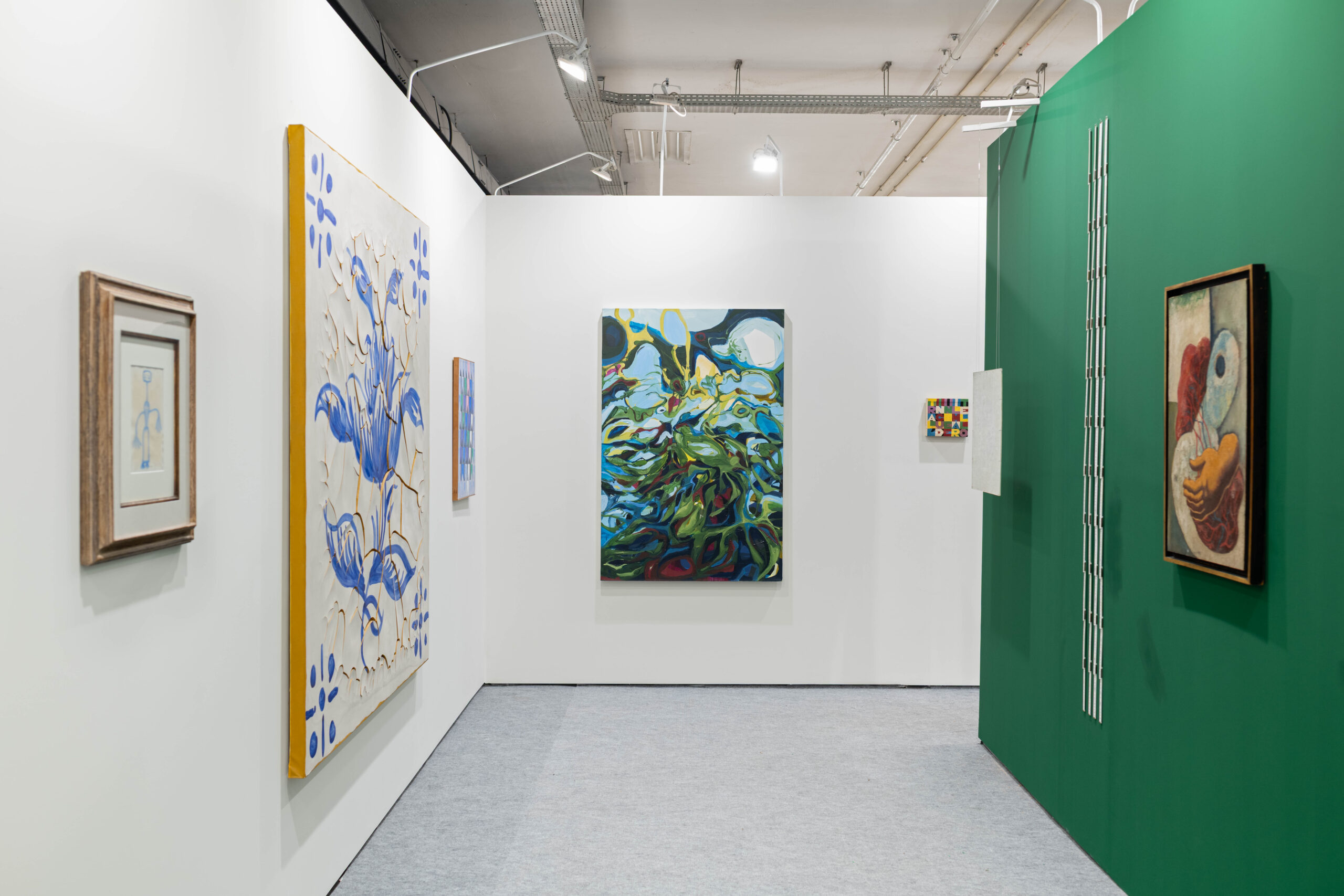
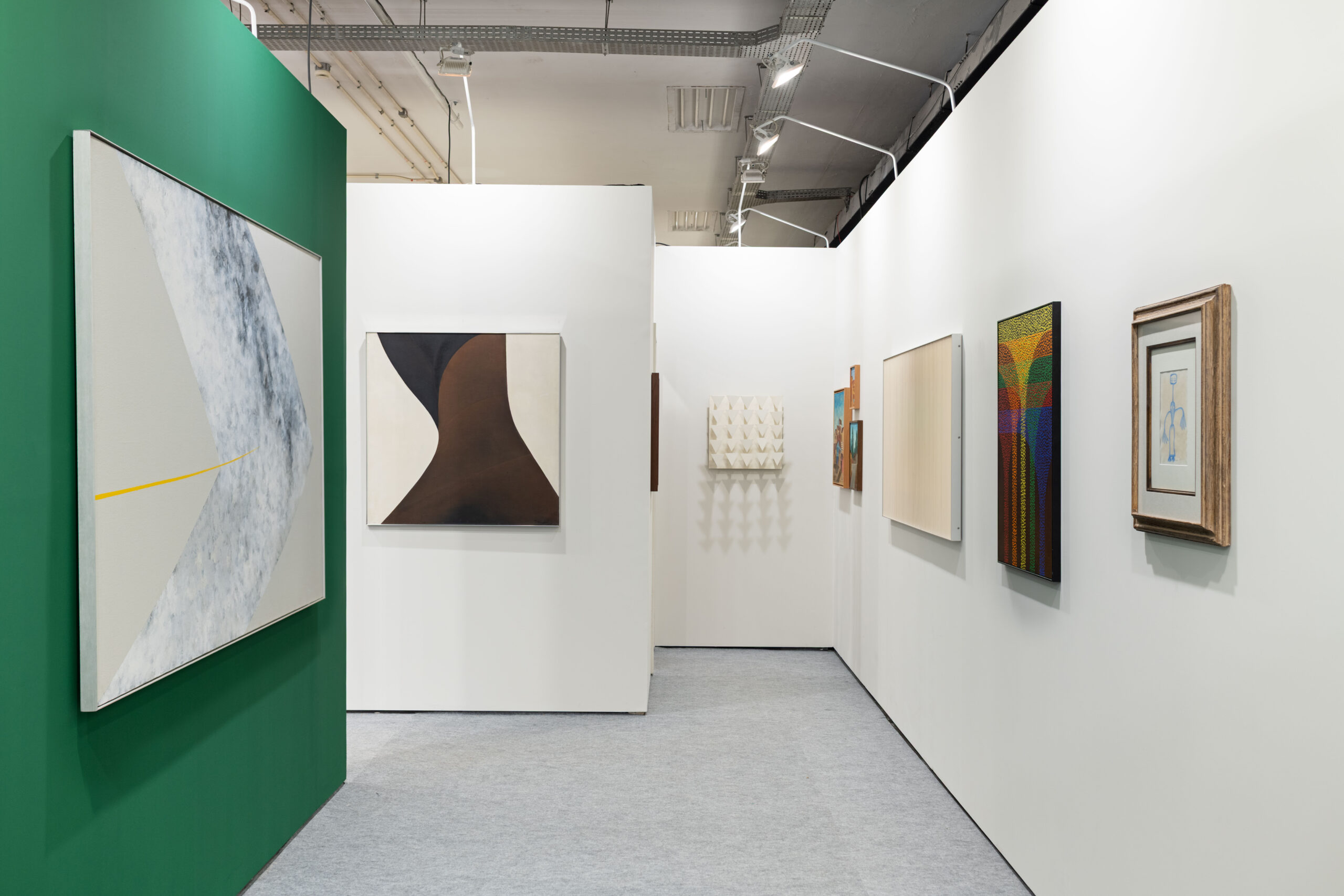
For the 2026 edition of SP–Arte, FLEXA presents a booth that brings together different generations of Brazilian and international artists, placing in dialogue practices that span distinct periods, territories, and artistic languages. Bringing together key figures in the history of art, the selection reaffirms the gallery’s thoughtful program, guided by a plurality of approaches and by the strength of exchanges across historical periods and geographic contexts.
Among the works on view, Terra (1943), by Tarsila do Amaral, stands out as a key work from the 1940s. The painting is composed of delicate brushstrokes that create a dreamlike, metaphysical atmosphere, in which body and landscape share the same pigments, and the mountains merge with the figure’s hair.
The booth also features other major highlights, such as Azul Song (2022), in which Adriana Varejão reconfigures the traditional palette of her Azulejões series by incorporating references to celadon, a type of Chinese ceramic known for its green hue. In Concetto spaziale, Attese (1961), Lucio Fontana establishes the cut as a structuring gesture, opening up the surface of the canvas and challenging the boundaries between painting and object. Nam June Paik explored, in a visionary manner, the potential of technology and mass media, particularly television. In Untitled (1988), the artist returns to painting in order to reflect on the language of television itself, drawing on color bars—one of the medium’s most fundamental visual codes.