Mira Schendel
Within the landscape of transformations that shaped modern art in the mid-twentieth century, Mira Schendel’s work stood out for its original combination of lightness, energy, sensitivity, and strong intellectual rigor. Difficult to align with any single modernist movement, her oeuvre transcends the artistic debates of its time. Schendel worked across painting, sculpture, installation, drawing, printed and handmade books, and was also a poet and graphic artist. The relationship between image and word, the limits of language and perception, and a deep engagement with philosophy—particularly phenomenology—are central themes throughout her career.
Born in Switzerland in 1919, Schendel lived in Italy during the 1930s, where she studied philosophy, theology and art. The need to flee Nazi persecution led Schendel to live in various European cities, and in 1949 she moved to Brazil, settling first in Porto Alegre and later in São Paulo. Her painting practice, which during her stay in Italy consisted of still lifes and oil portraits, gradually changed, leaving behind figurative art. At the same time, she worked with poetry and graphic design, an experience that anticipated the centrality of words and language in many of her works.
In the 1960s, Schendel began creating series named after the working processes she employed, such as the Bordados—made with Ecoline ink on paper—and the Monotipias, drawings produced through a process that allowed for the creation of unique works. On the reverse side of a sheet of Japanese rice paper placed over a glass surface coated with a thin layer of ink, Schendel would draw using various tools, including her own fingernail or another blunt instrument, creating irregular marks. These works are notable for their departure from the technical mastery traditionally associated with drawing and for their disruption of established hierarchies, such as that between figure and ground. The empty space of the paper, for example, increasingly acquires its own autonomy, a characteristic that would become even more pronounced in her later works.
Her material investigations soon expanded into the three-dimensional realm. Japanese rice paper appears in works such as Trenzinho—composed of numerous blank sheets of paper arranged in sequence along a nylon thread—and the celebrated Droguinhas series, in which paper is twisted and braided as though it were string. Schendel also began working with acrylic, a material that allowed her to explore qualities of transparency and lightness. In the Objetos Gráficos series, drawings are suspended between two acrylic plates by nylon threads. Dense graphic marks and the material presence of letters and signs are defining characteristics of this body of work, through which Schendel sought to create a kind of new language capable of articulating that which is incommunicable. The limits of expressivity thus became closely linked to Schendel’s interest in emptiness and silence—themes that run throughout her entire body of work.
Her work was a highlight of several editions of the São Paulo Biennial, and from the 1960s onward she exhibited at prestigious international institutions, including the Signals Gallery (London, 1966), an important site of exchange among Brazilian and international avant-garde artists. In 2013, a major solo exhibition of Schendel’s work was presented at the Tate Modern and subsequently shown at the Pinacoteca de São Paulo in 2014. Her work is held in influential public and private collections worldwide, including the Museo Nacional Centro de Arte Reina Sofía, Madrid; the Museum of Modern Art (MoMA), New York; Tate Modern, London; and the Museum of Fine Arts, Houston. It is also represented in some of Brazil’s most important public collections, including the Pinacoteca de São Paulo, Museu de Arte Moderna de São Paulo (MAM São Paulo), Museu de Arte Contemporânea da Universidade de São Paulo (MAC USP), Itaú Cultural, and the Museu de Arte Contemporânea de Niterói, among others.
WORKS
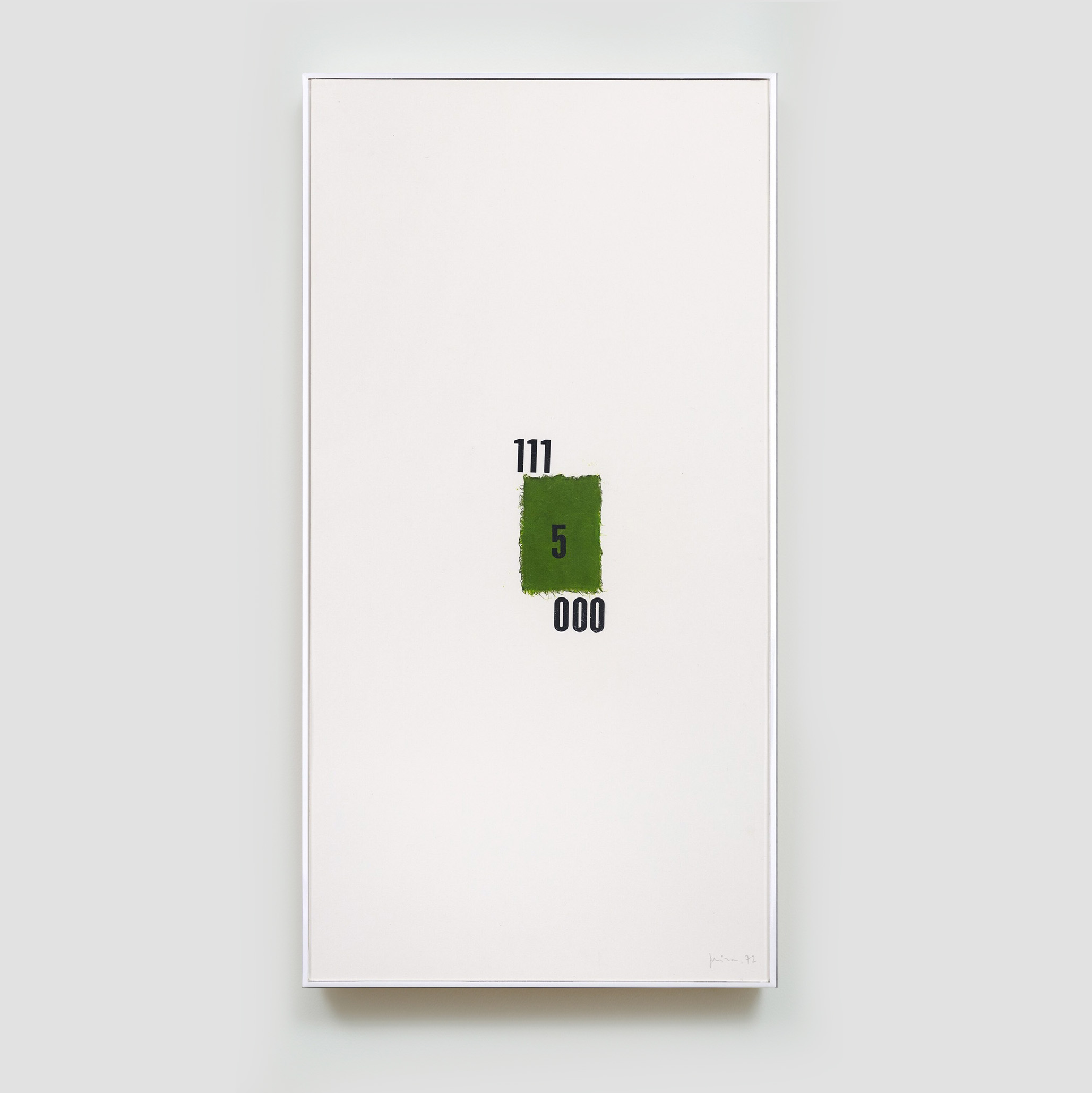
Stub, 1972
letter set and colored handmade paper on paper
19 1/4 x 9 7/8 in
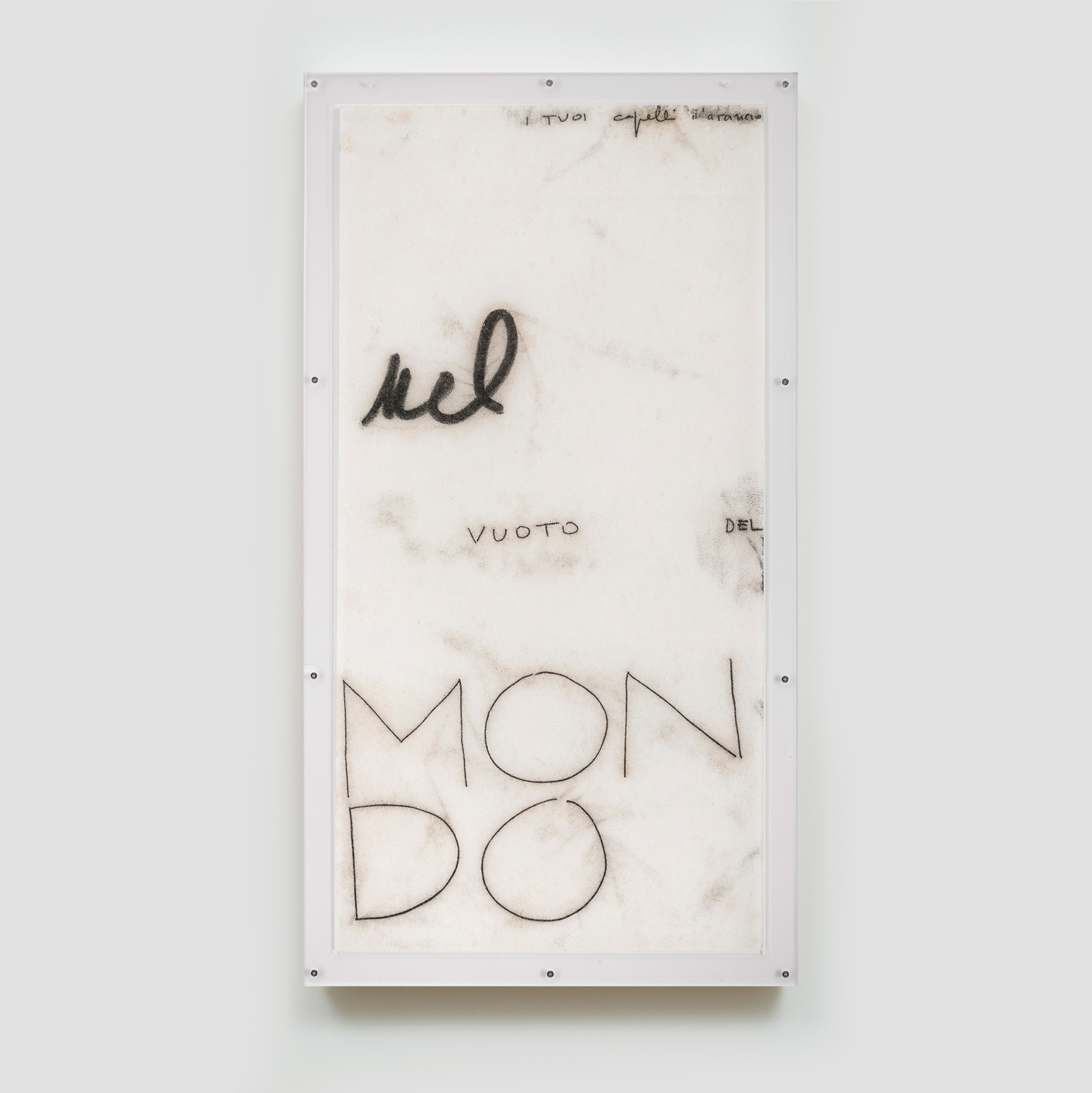
Untitled, c. 1964
monotype on paper
18 7/8 x 10 5/8 in
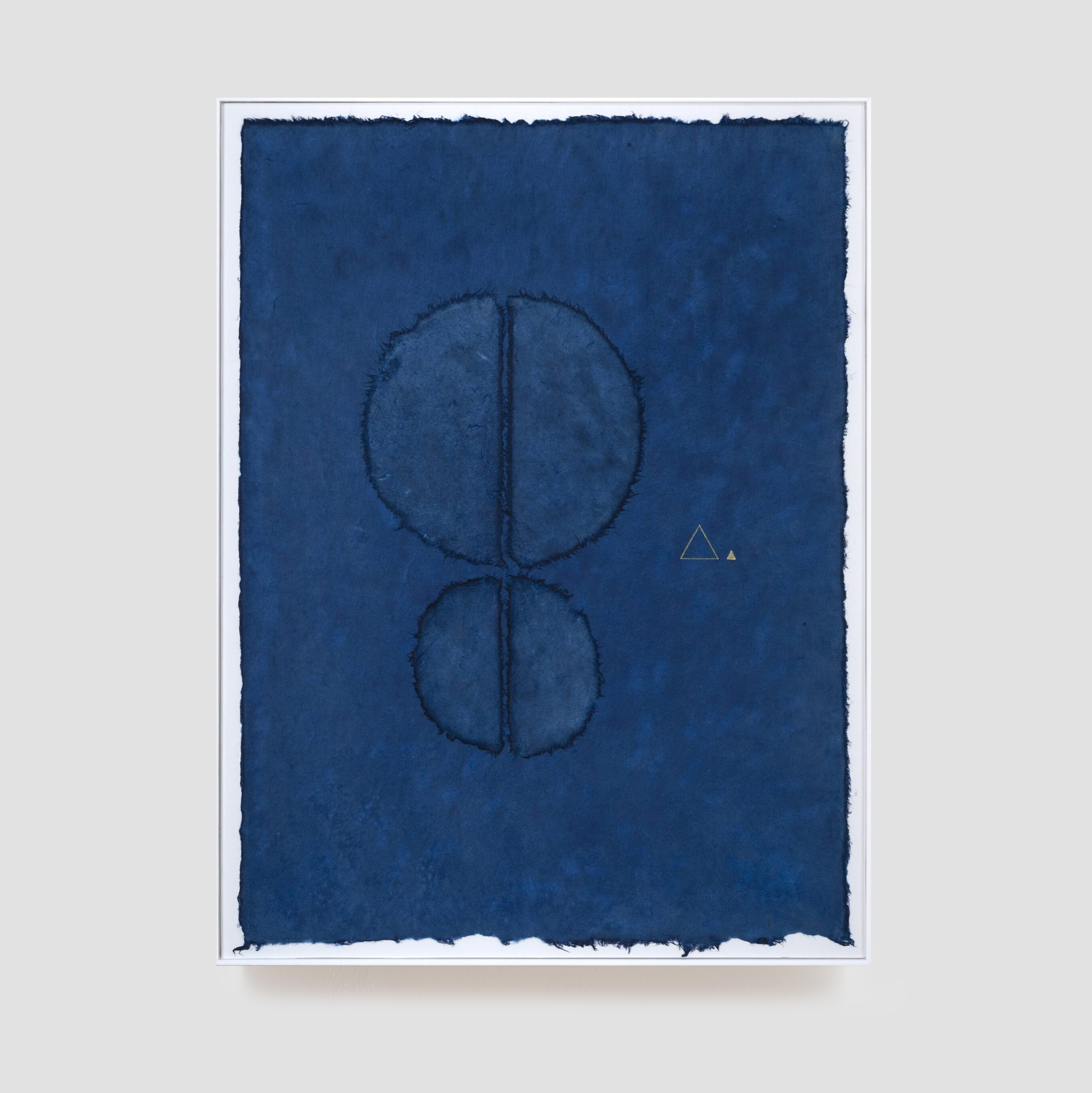
Untitled, n.d.
collage and metallic paint on paper
16 x 11 3/4 in
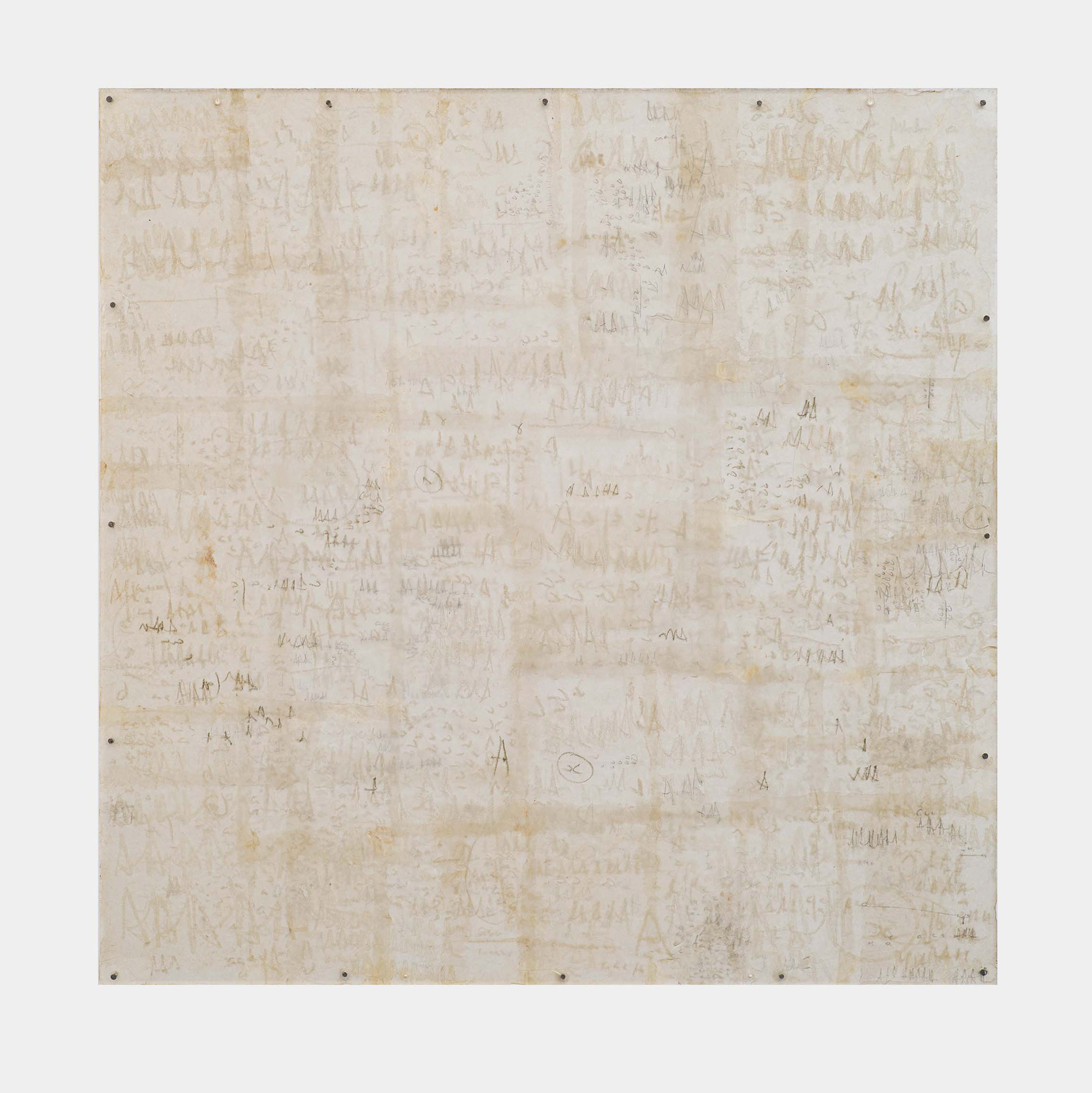
Objeto gráfico, 1967
graphite and watercolor on paper
19 3/4 x 19 3/4 in
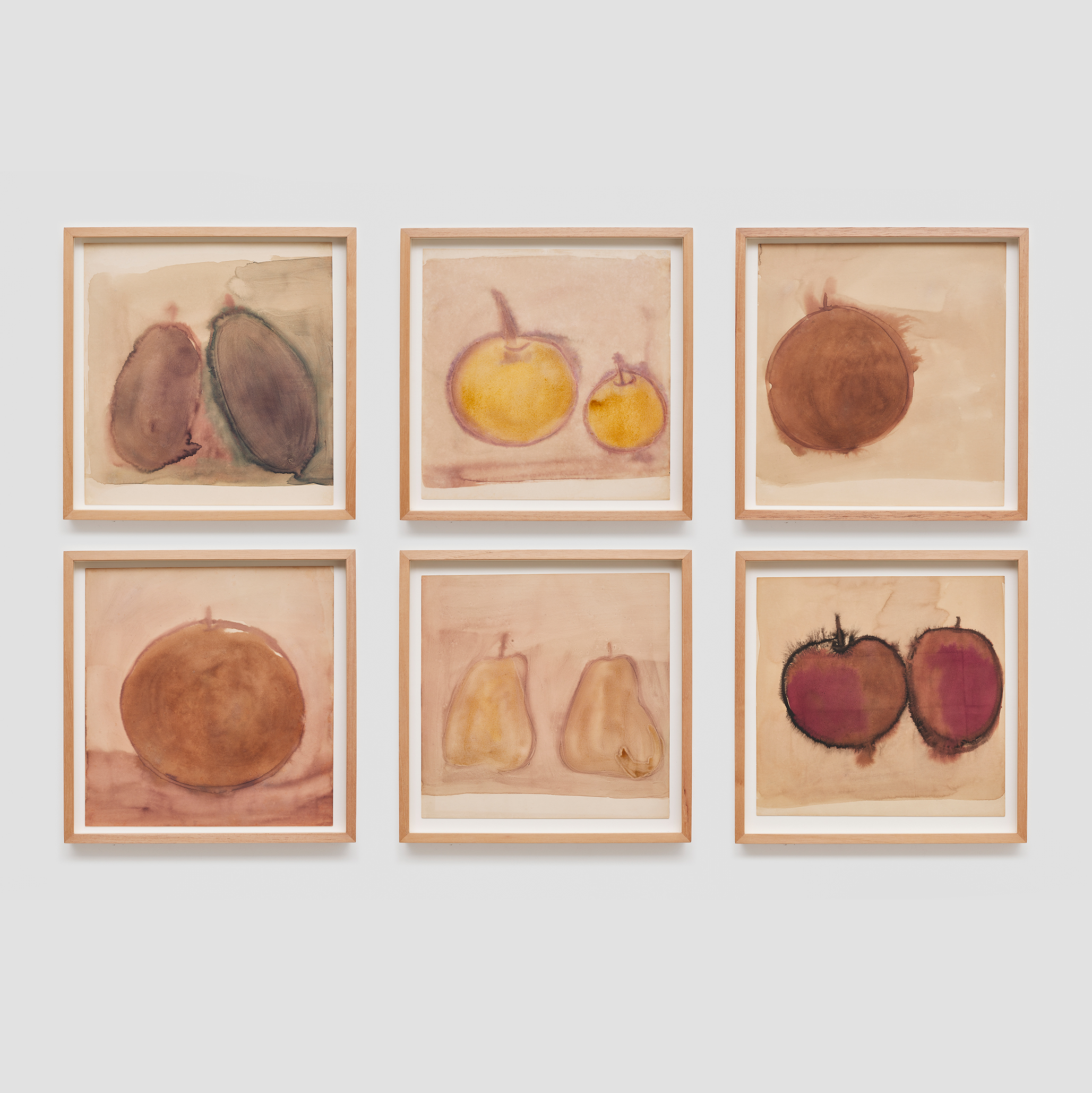
Untitled, 1964
tempera and India ink on paper
approx. 16 7/8 x 12 5/8 in (each)
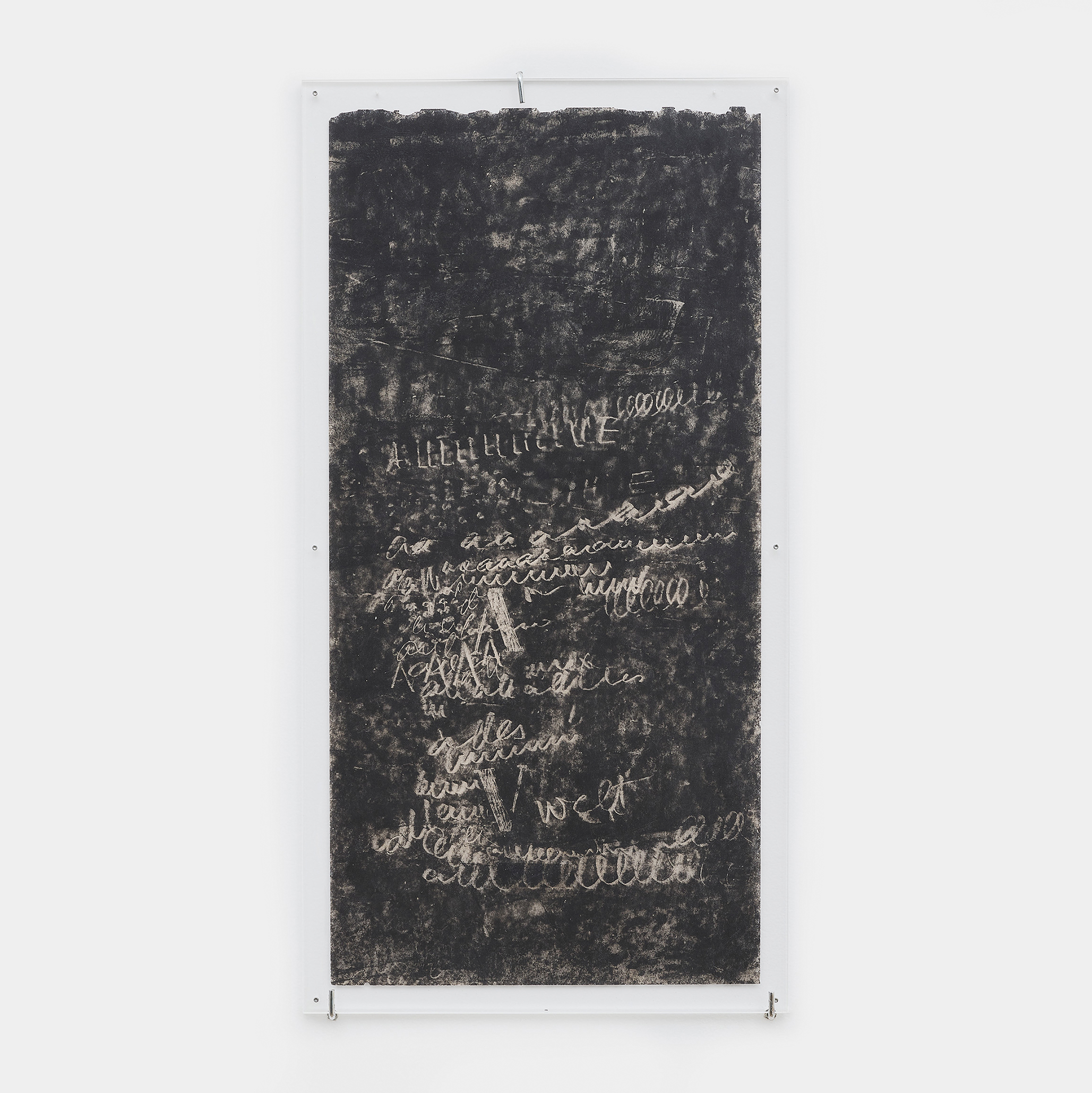
Untitled, from the series Monotipias, 1964-1966
oil on Japanese rice paper
18 1/8 x 9 in

Untitled, 1960’s
plaster and pigment on jute
90 x 90 cm [35 3/8 x 35 3/8 in]
(13819)

Untitled, from the Toquinhos series, 1972
letterset and fabric on paper
49 x 24,8 cm [19 1/4 x 9 3/4 in]
(7635)

Untitled, from the Toquinhos series, 1970’s
acrylic and letterset on acrylic plate
43 x 30 x 4 cm [16 7/8 x 11 3/4 x 1 5/8 in]
(18308)