Lygia Pape
One of the most important artists of modern and contemporary art in Brazil, Lygia Pape created works in various media, including painting, sculpture, printmaking, film, and performance. Pape was known for her use of geometric shapes and vibrant colors, as well as her exploration of the relationships between space, time, and the human body.
Pape joined the Grupo Frente in the early 1950s, alongside artists such as Hélio Oiticica, Lygia Clark, Franz Weissmann, and Ivan Serpa, playing a key role in the development of concretism. Her works from this period stand out for the transgressive way in which the artist approached abstraction and for her questioning of the excessively rationalist tendency of concretism, which focused on industrial materials and techniques. The famous series of prints Tecelares, produced between 1955 and 1959, demonstrates her connection with craftsmanship, which opposed the rigid geometry of the era's concrete art. In these works, the geometric line simultaneously dominates and integrates the lines of the wooden knot. Tecelares, produzida entre 1955 e 1959, demonstra sua aproximação com o artesanato, que se opunha à geometria rígida da arte concretista da época. Nestas obras, a linha geométrica ao mesmo tempo domina e integra as linhas do nó de madeira.
A pioneer in the creation of artist books, Pape developed several series based on the book format, exploring the possibilities of creating narratives that could be physically manipulated or mentally reimagined by the viewers. These works began with her experiments with image and word, later evolving into purely abstract compositions that the artist conceived as fragments of a story. One of these projects, titled Livro do Tempo (Book of Time), consists of 365 objects made from square pieces of wood that Pape cut, reassembled, and painted with bright colors. Livro do Tempo, consiste em 365 objetos feitos de peças quadradas de madeira que Pape cortou, remontou e pintou com cores brilhantes.
From the 1960s onward, Pape deepened her research and experiments on the active role of the public in creating the artwork, also focusing on the sensory aspect of the artistic experience. She left Grupo Frente and joined the Neoconcreto movement. She created several video art projects, collaborated with Cinema Novo, and worked in graphic design, designing visual programming and creating posters for films. The participatory aspect of her production took center stage in works like Divisor (1968), a large fabric piece with openings through which participants placed their heads, forming a large collective body united by the artwork. Divisor (1968), uma enorme peça de tecido com aberturas através das quais os participantes colocavam suas cabeças, formando um grande corpo coletivo unido pela obra.
Her work was a highlight of several editions of the São Paulo Biennial, and from the 1960s onward she exhibited at prestigious international institutions, including the Signals Gallery (London, 1966), an important site of exchange among Brazilian and international avant-garde artists. In 2013, a major solo exhibition of Schendel’s work was presented at the Tate Modern and subsequently shown at the Pinacoteca de São Paulo in 2014. Her work is held in influential public and private collections worldwide, including the Museo Nacional Centro de Arte Reina Sofía, Madrid; the Museum of Modern Art (MoMA), New York; Tate Modern, London; and the Museum of Fine Arts, Houston. It is also represented in some of Brazil’s most important public collections, including the Pinacoteca de São Paulo, Museu de Arte Moderna de São Paulo (MAM São Paulo), Museu de Arte Contemporânea da Universidade de São Paulo (MAC USP), Itaú Cultural, and the Museu de Arte Contemporânea de Niterói, among others.
WORKS
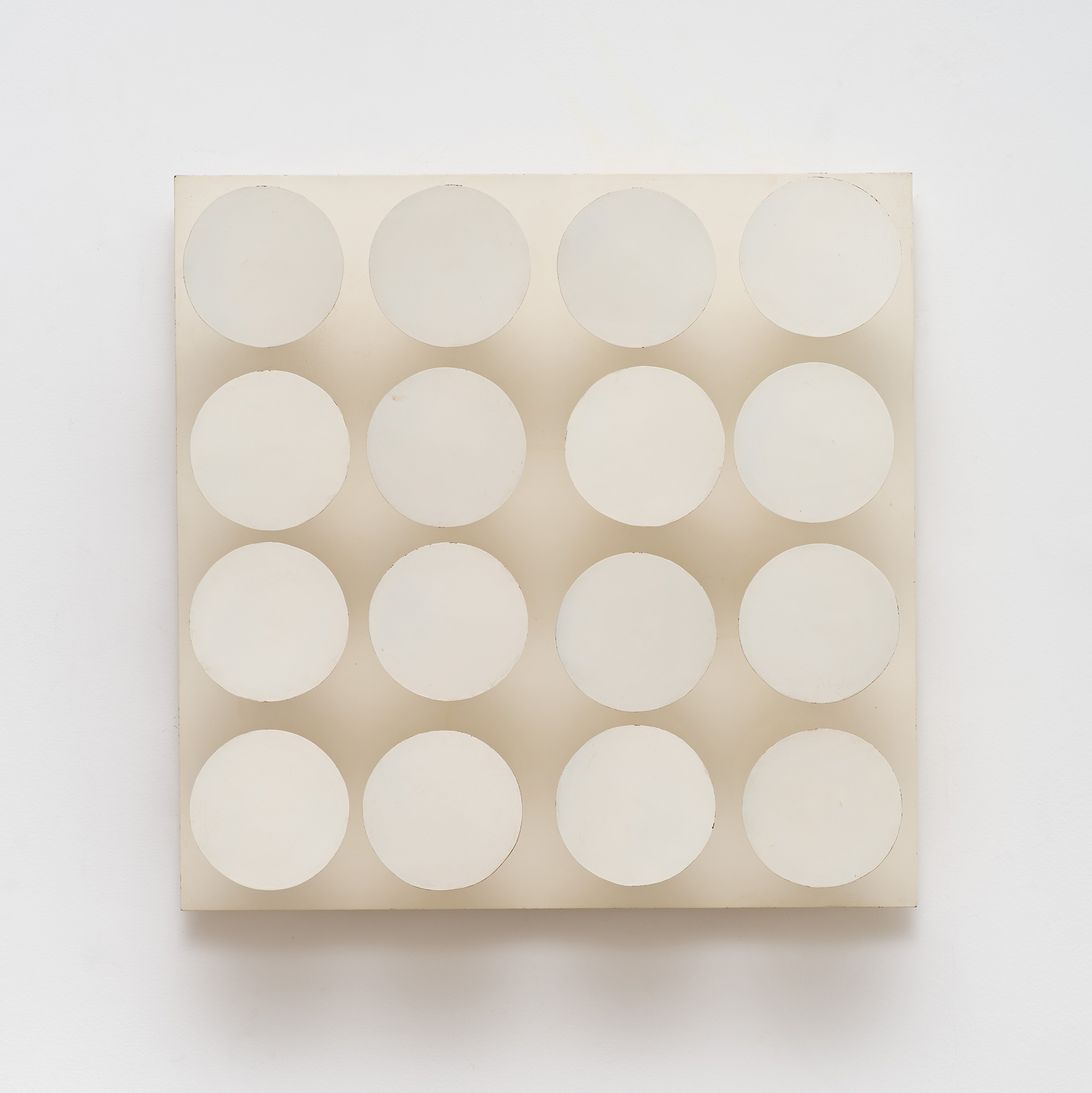
Escultura/Amazonino 5 (branco liso), 1992
iron and automotive paint
19 3/4 x 19 3/4 x 4 3/4 in
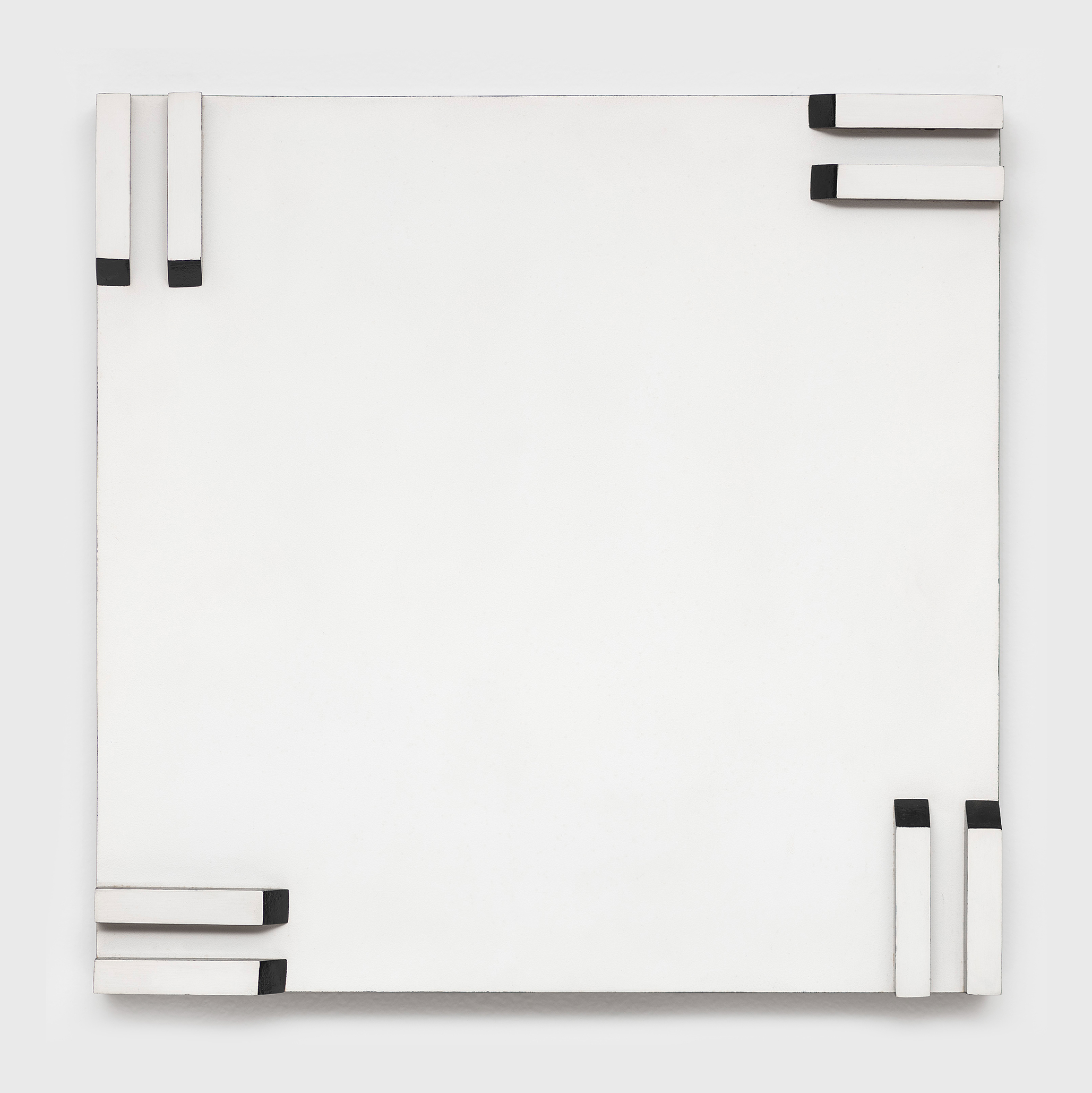
Untitled, from the series Relevos, 1954/1956
tempera on wood
15 3/4 x 15 3/4 x 2 in
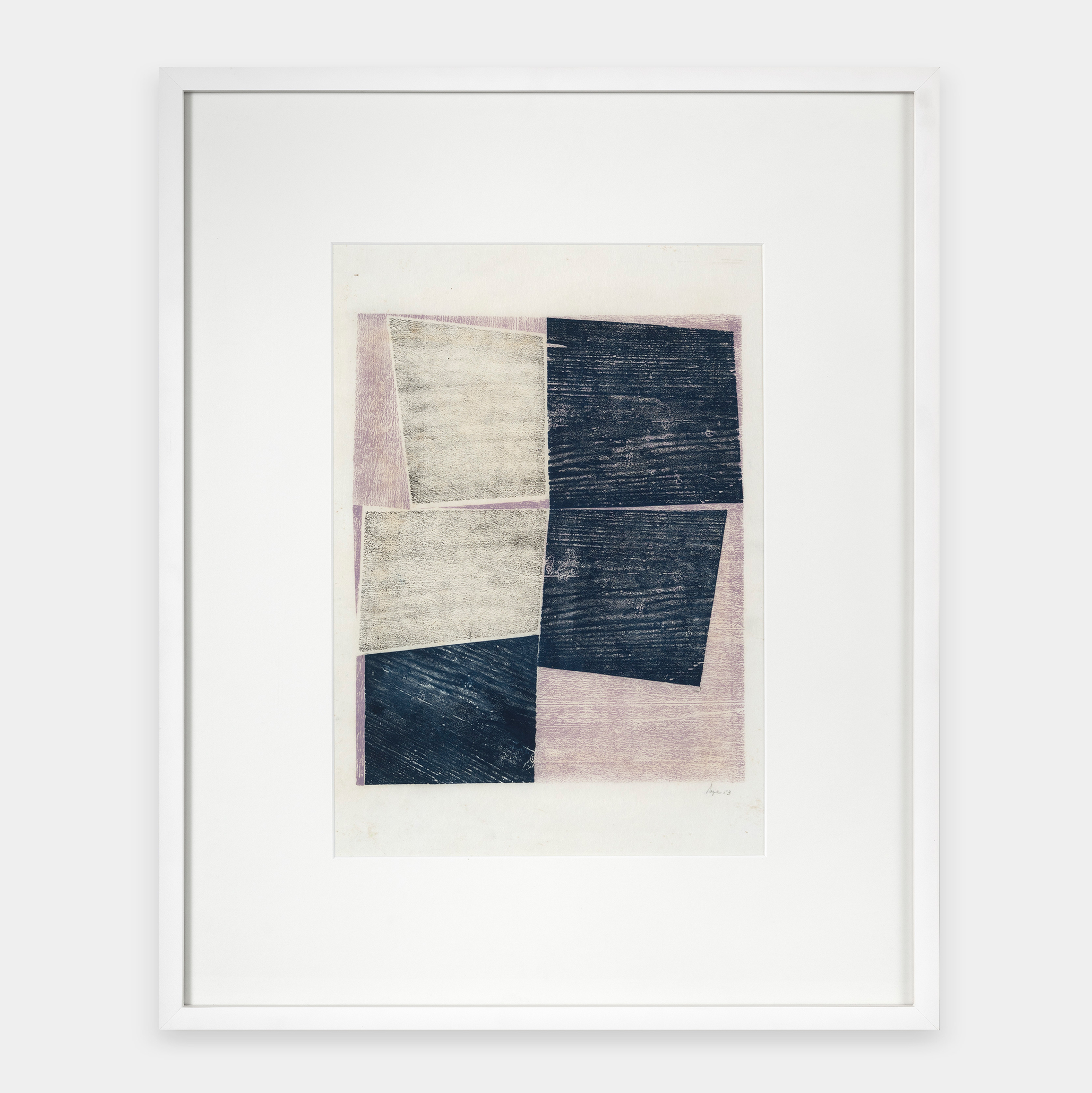
Untitled, from the series Tecelares, 1953
woodcut on Japanese paper
17 3/4 x 11 in
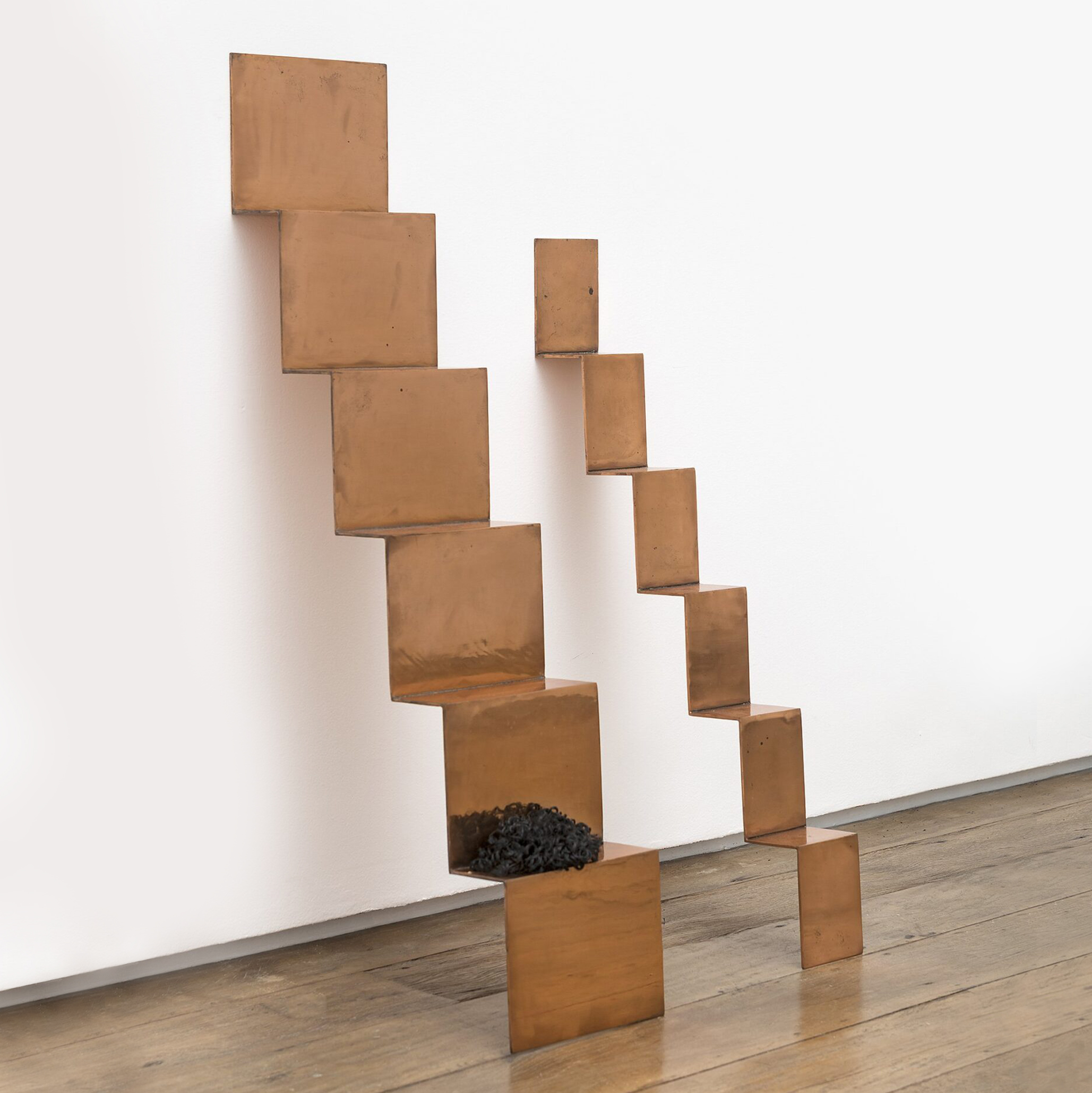
Volantes 3 e 4, 1999
copper plated iron and synthetic hair
46 x 9 7/8 x 19 3/4 in | 36 1/4 x 4 3/8 x 20 1/8 in
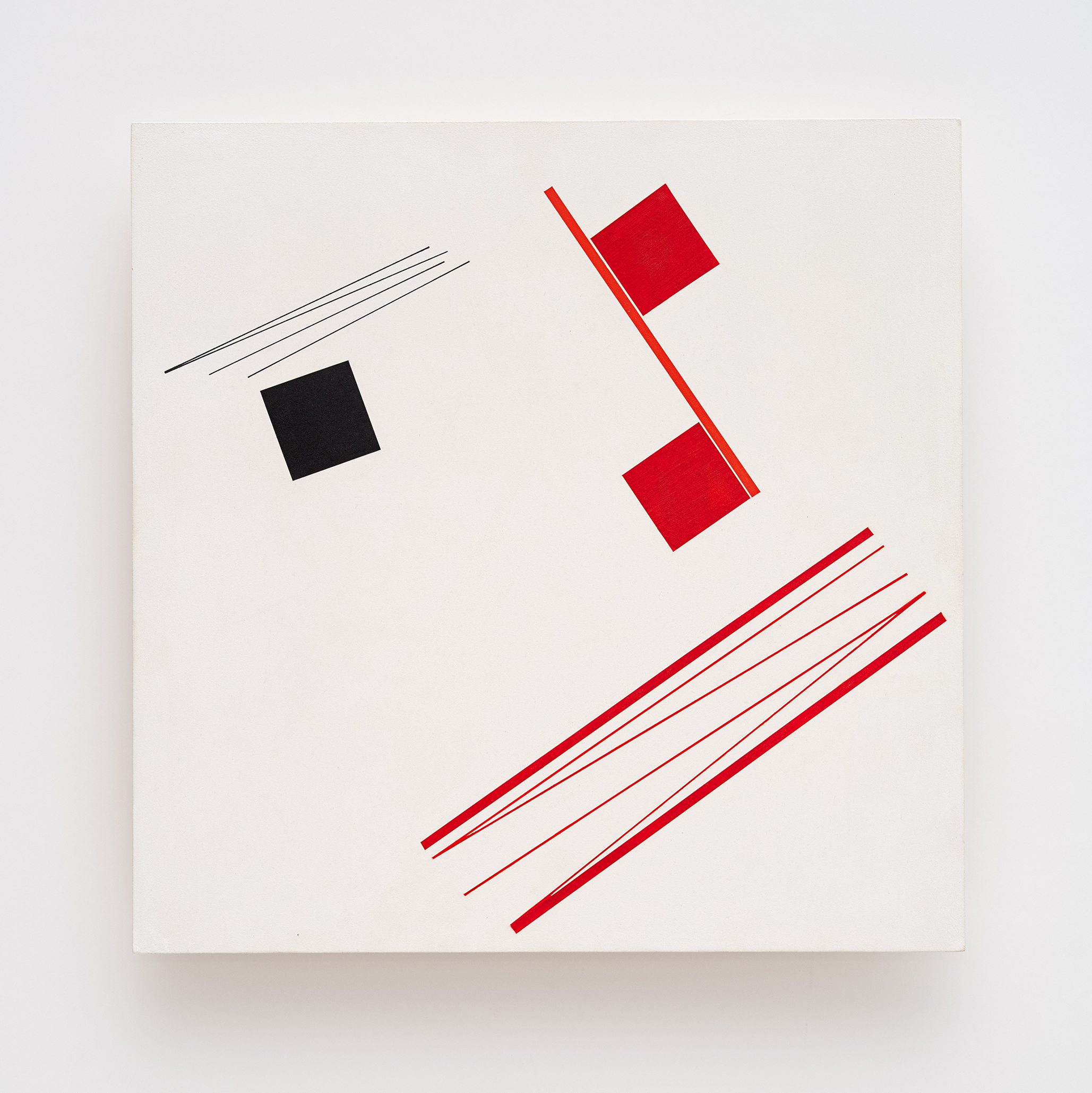
Untitled, 1954/1956
tempera on wood and wood agglomerate
15 3/4 x 15 3/4 x 1 1/8 in
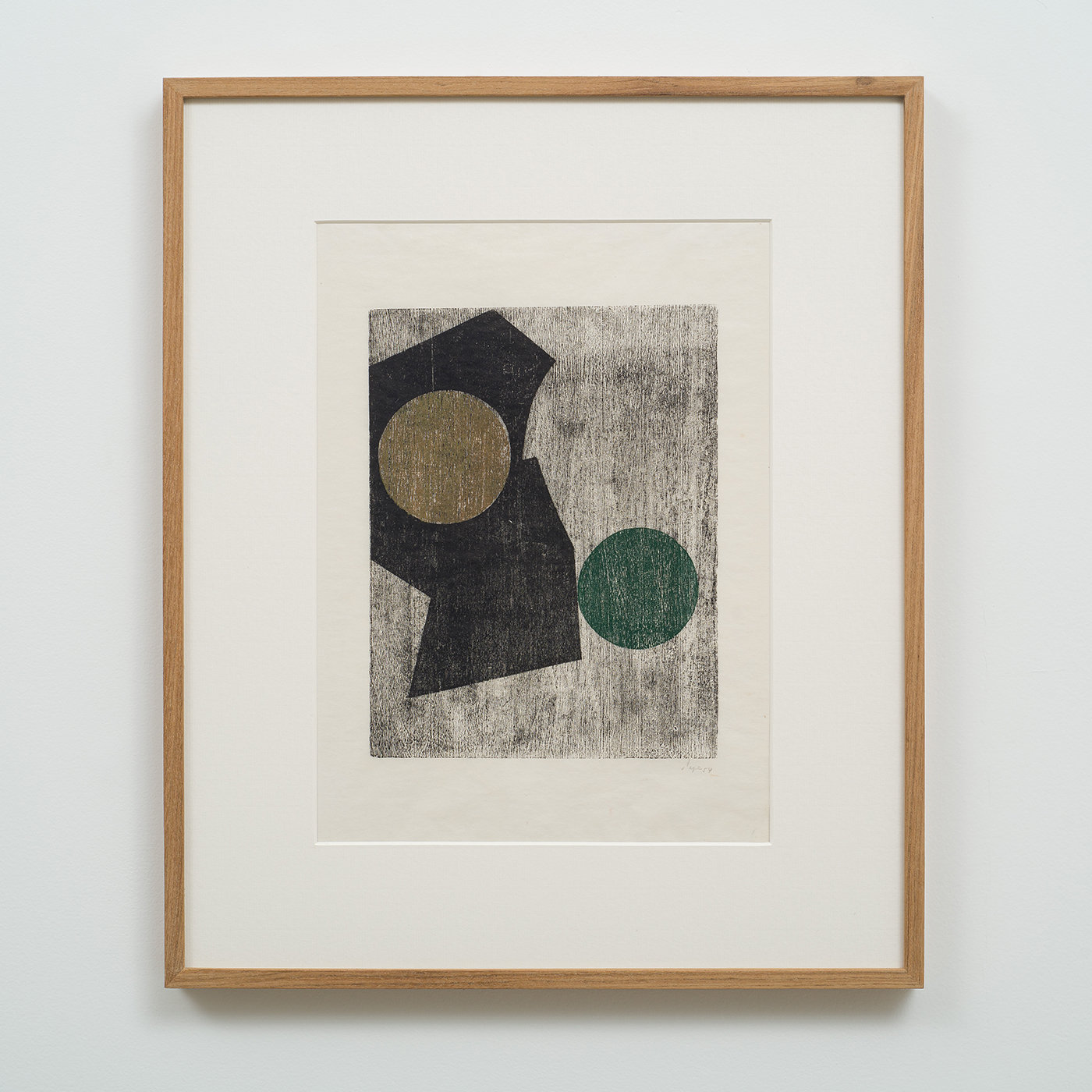
Untitled, from the series Tecelares, 1954
woodcut on Japanese paper
17 1/2 x 12 3/4 in
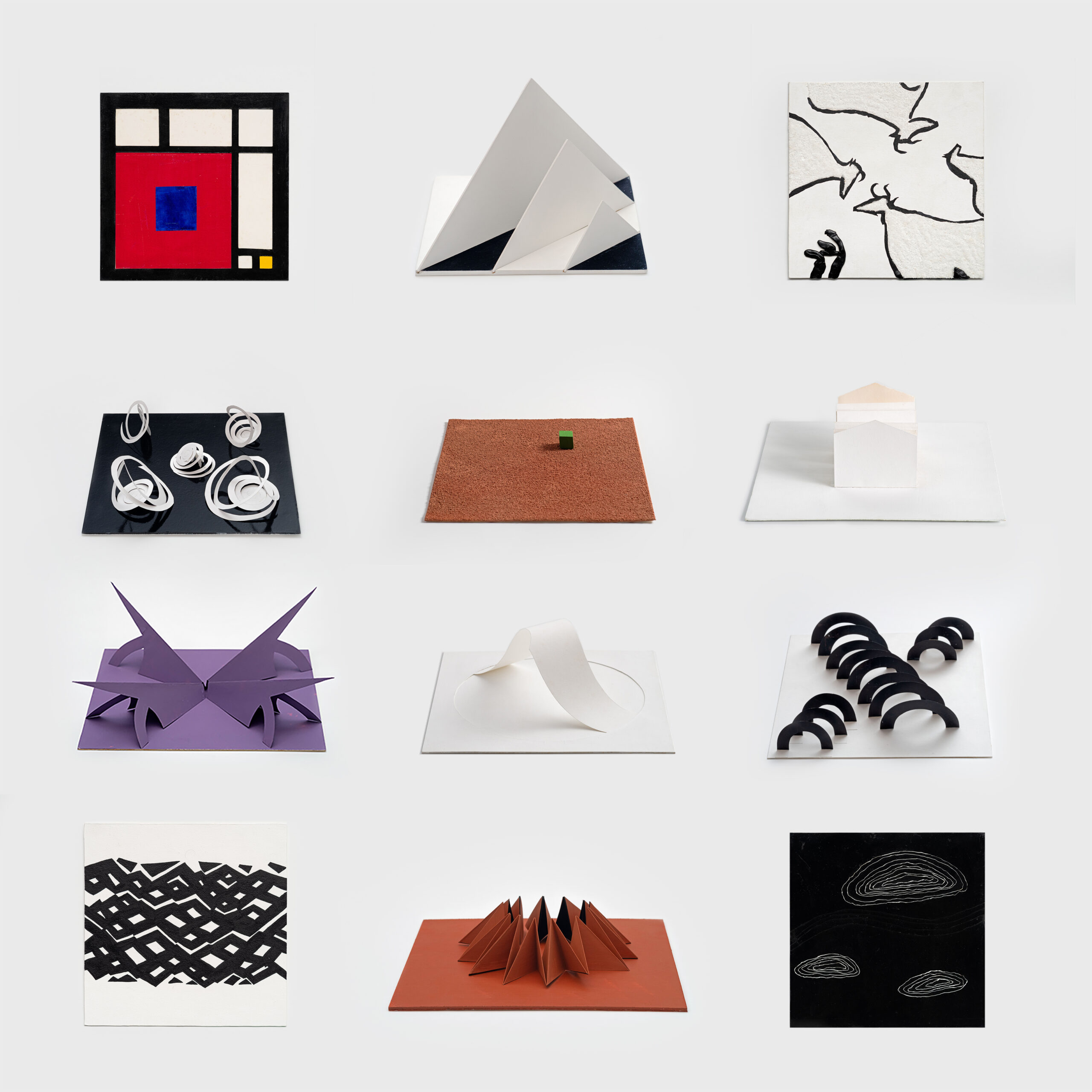
Livro da Arquitetura nº II, 1959/1960
cardboard and various materials
11 3/4 x 11 3/4 x 8 1/4 in (each)
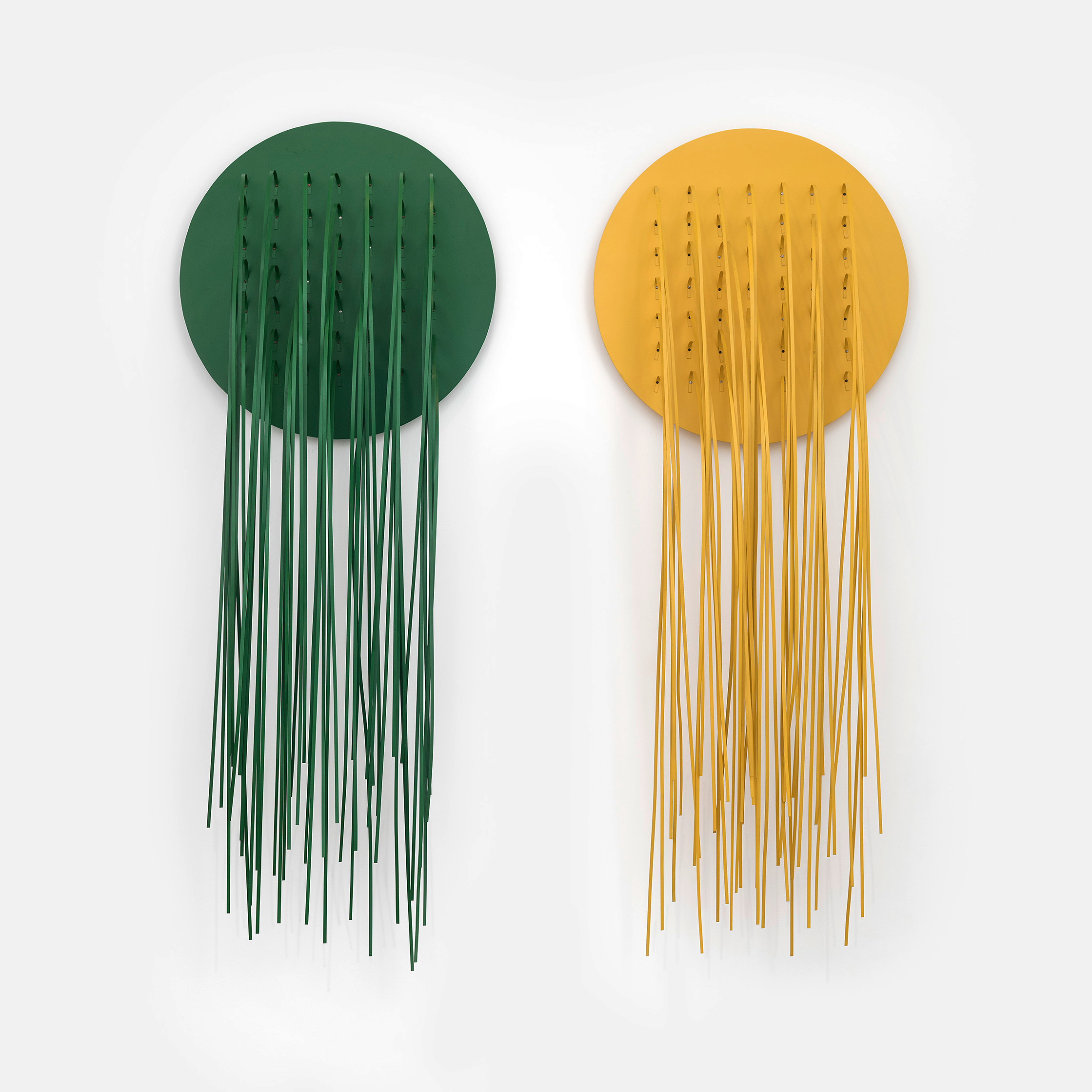
Amazonino, 1992
automotive paint on iron
78 3/4 x Ø 39 3/8 in (each)
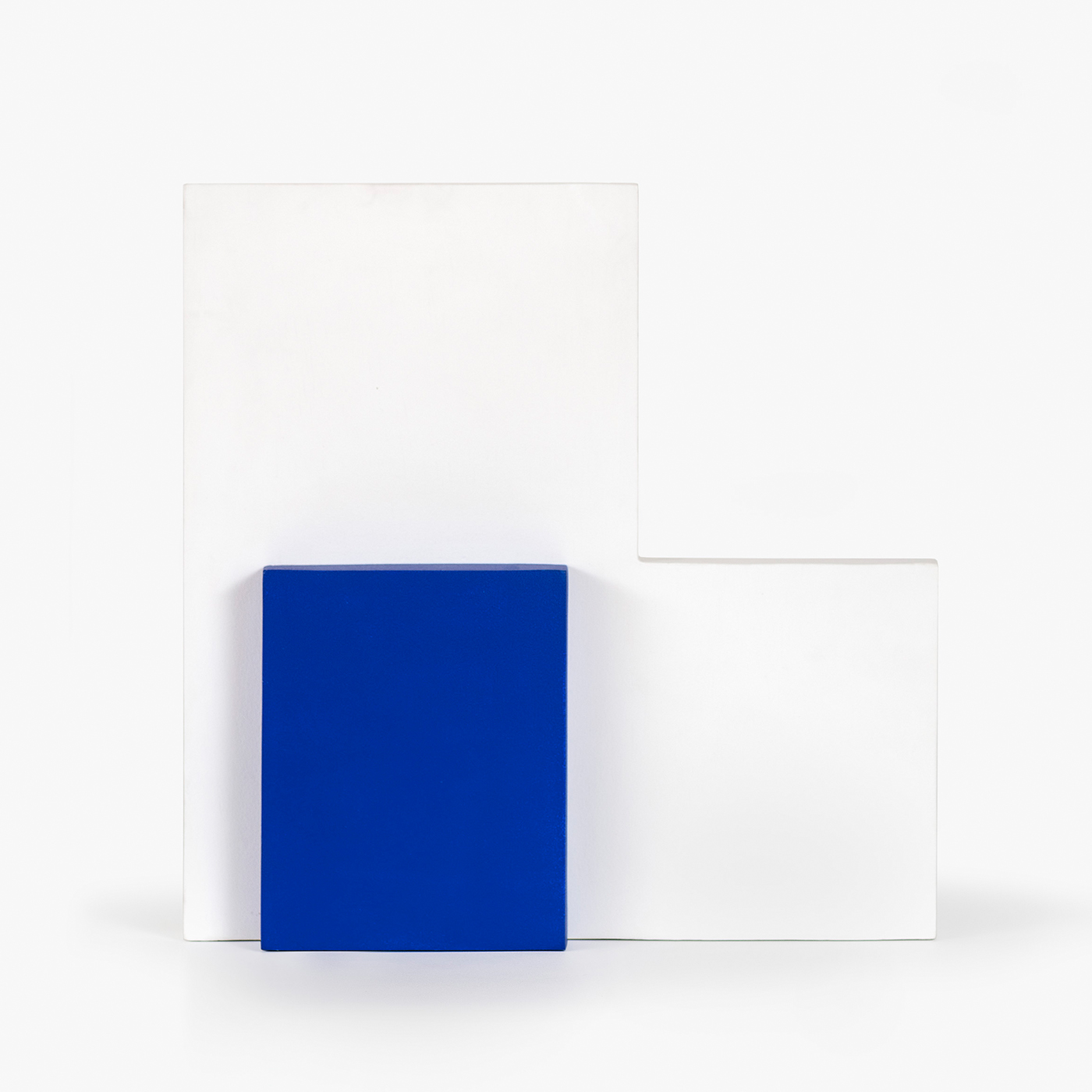
Untitled, from the series Livro do Tempo, 1965
automotive paint and tempera on wood
19 3/4 x 19 3/4 x 4 1/8 in

Untitled, from the Tecelares series, n.d.
woodcut on Japanese paper
30,5 x 22,7 cm [12 x 9 in]
5/20
(0293)

Sting Amazonino, 1990
automotive paint on iron
200 x 100 x 50 cm [78 3/4 x 39 3/8 x 19 3/4 in]
(0371)

Untitled, from the Book of Time series, 1965
automotive paint and tempera on wood
50 x 50 x 8,3 cm [19 3/4 x 19 3/4 x 3 1/4 in]
(0353)