José Leonilson
José Leonilson's work is mainly concentrated in the last ten years of his life, during which he created a substantial and consistent body of work. His creations span across painting, drawing, illustration, embroidery, installation, and sculpture. In an exercise of synthesis, with each new phase, Leonilson deliberately restricted his universe of signs. He developed his own vocabulary, with themes of love and eroticism at its core. Recent readings of his work have highlighted not only its emotional and intimate aspects but also the political dimensions of Leonilson's aesthetic choices.
Born in the state of Ceará and based in São Paulo, José Leonilson is regarded as one of the leading figures of the Generation 80 movement, a group of artists associated with the return to painting and the embrace of an expressive, gestural, and pop-oriented visual language. Marked by vigorous brushwork and intense colors, Leonilson’s early works prompted comparisons with the Italian Transavanguardia. Among his most significant influences were the work of Antonio Dias, the graffiti of Keith Haring, and the watercolors of Paul Klee. His early painterly production, developed between 1983 and 1988, was characterized by a pursuit of the “pleasure of painting,” combined with a freedom of gesture. His preferred support was unstretched canvas, often used in large-scale works.
By the end of the 1980s, Leonilson began to take a different aesthetic path from his earlier work. Notably, his focus on words and body cartography emerged, using a complex universe of references and graphic symbols. Among the systematically created images are the atom, the tower, the heart, the ladder, the open book, the mountain, the volcano, the spiral, and others, overlaid by the artist, such as fire and water, the compass and the clock, the hourglass, and the mathematical symbol for infinity.
Leonilson's mature work reflects on the delicate boundaries between what can be said and what belongs to the realm of the unspeakable, creating a diary that is both personal and open. According to Lisette Lagnado, "Leonilson was driven by the compulsion to record his inner life and dedicate it to the objects of desire."
From 1989 onward, his work took on a more intimate and delicate tone. At this moment, the artist began to employ new techniques, incorporating stitching and embroidery. The personal and autobiographical nature of his work intensified in pieces created after 1991, the year he discovered he was living with the HIV virus. With direct repercussions on his poetic language, the discovery of his illness pushed Leonilson to develop new metaphorical ways of expressing his personal experience. The generally small format of the works from this period accentuates the intimate and simple quality that drives Leonilson's expression.
Leonilson's works are often metonymies of his own body and confront the dangers of exposure to the gaze of others. He also frequently plays with references that confuse the viewer about the factual or fictional nature of his works. According to Adriano Pedrosa, "Each word in Leo's vast and rich lexicon fights fiercely against becoming dictionary-like."
Works by José Leonilson are part of numerous public collections, both in Brazil and abroad, including: Centre Georges Pompidou, Paris; Tate Modern, London; Museu Serralves, Portugal; Museo Nacional de Bellas Artes, Buenos Aires; Museum of Modern Art, MoMA, New York; Städtische Galerie; Museu de Arte Moderna de São Paulo, São Paulo; Instituto Moreira Salles, Rio de Janeiro; Instituto Inhotim, Brumadinho; Museu de Arte Contemporânea da USP, São Paulo; Pinacoteca do Estado de São Paulo, São Paulo; Museu de Arte de Brasília, among others.
WORKS
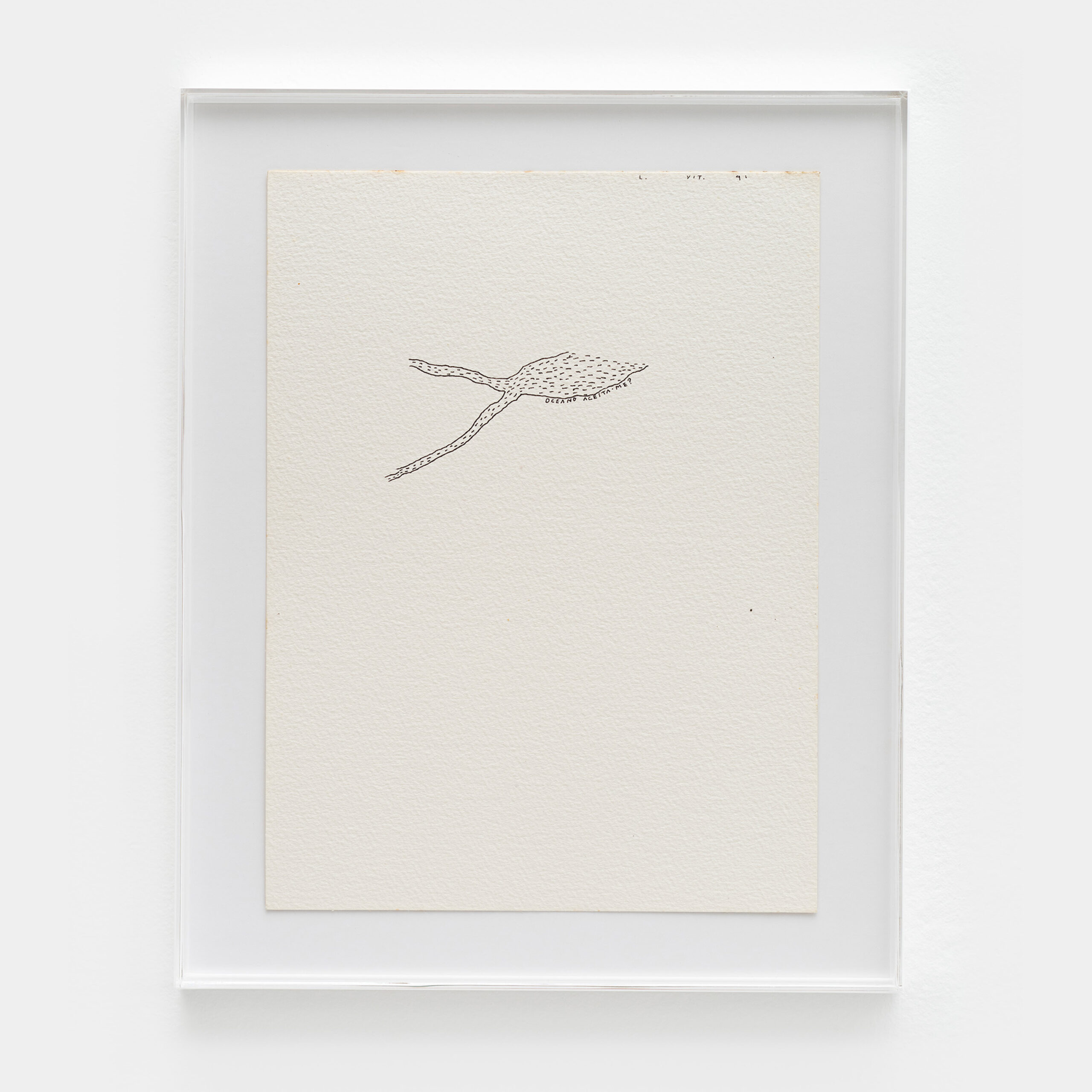
Oceano, aceita-me?, 1991
permanent marker ink on paper
11 3/4 x 9 in
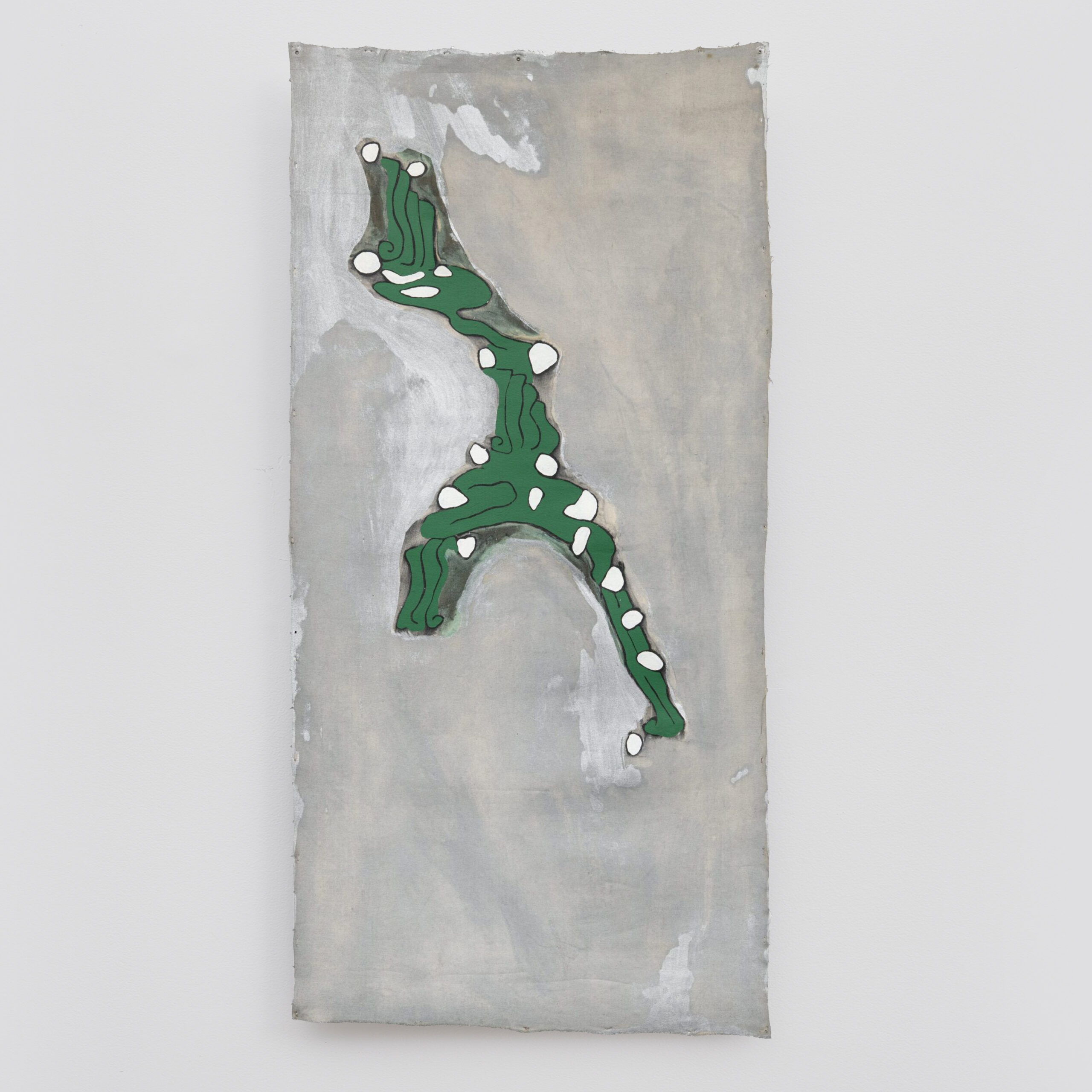
Corredeira verde, 1989
acrylic paint and metallic paint on canvas
74 3/4 x 35 7/8 in
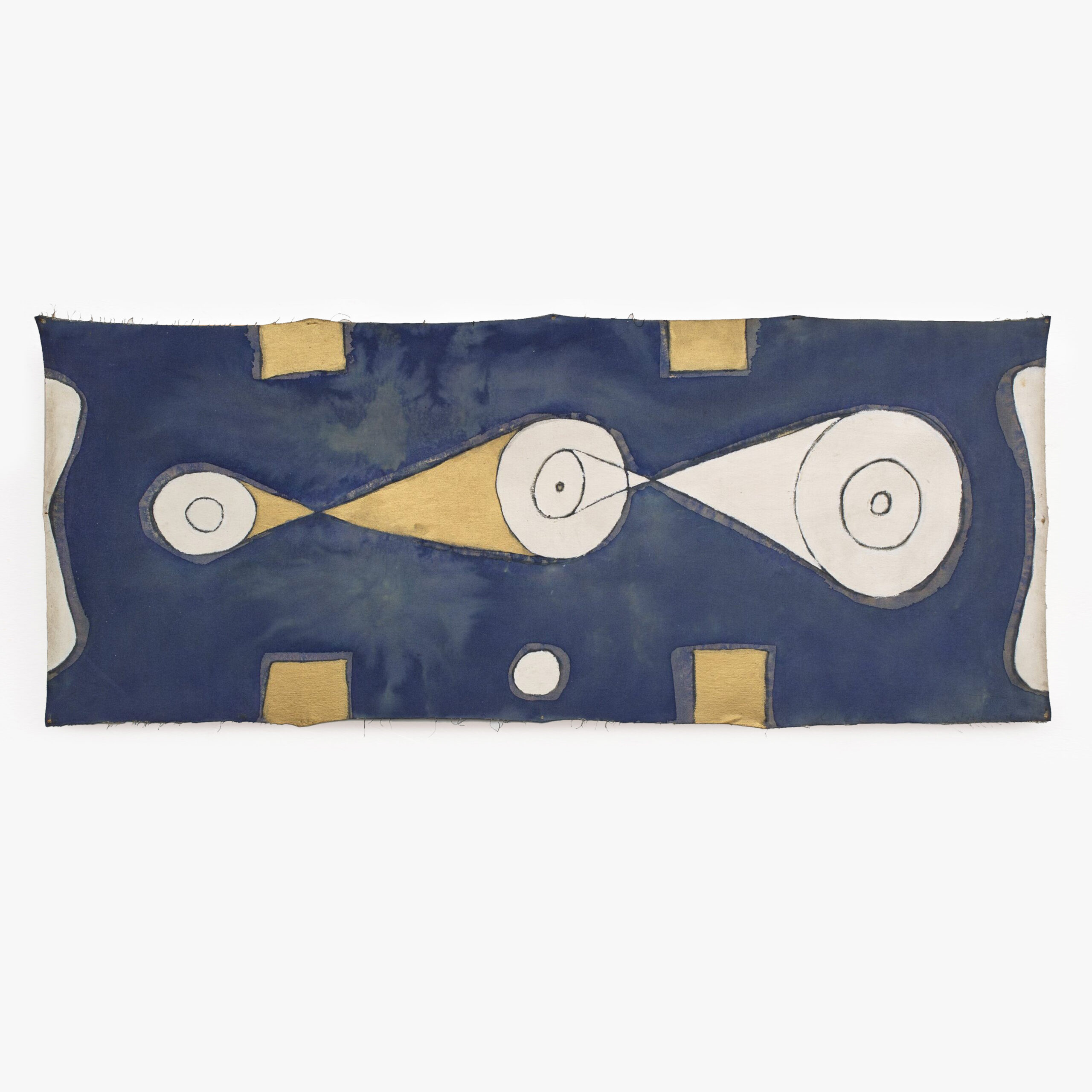
Elegância e continência, 1987
acrylic paint, metallic paint and cutout on canvas
25 5/8 x 61 3/4 in
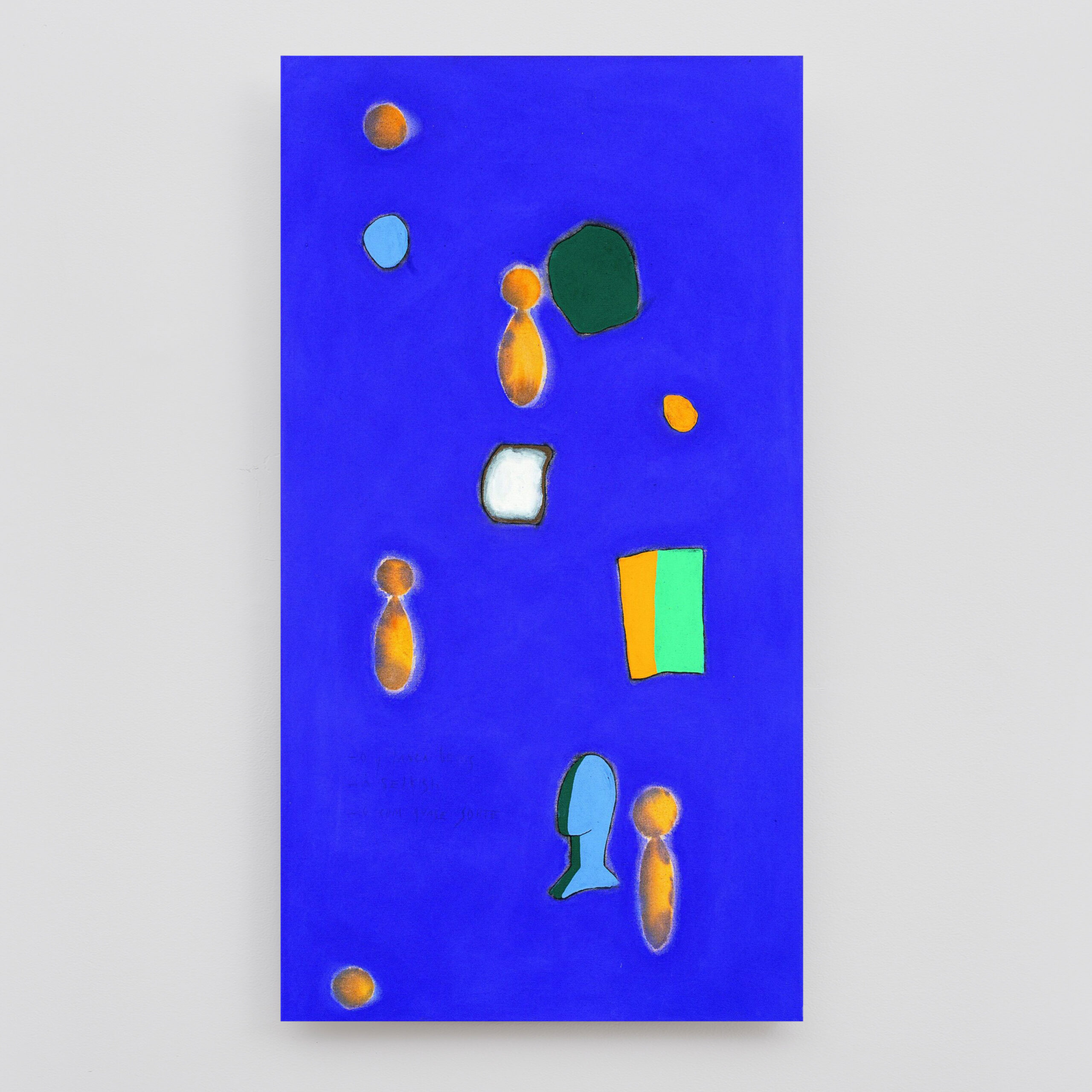
O que lança bens, 1992
acrylic paint and metallic paint on canvas
45 1/4 x 24 3/8 in
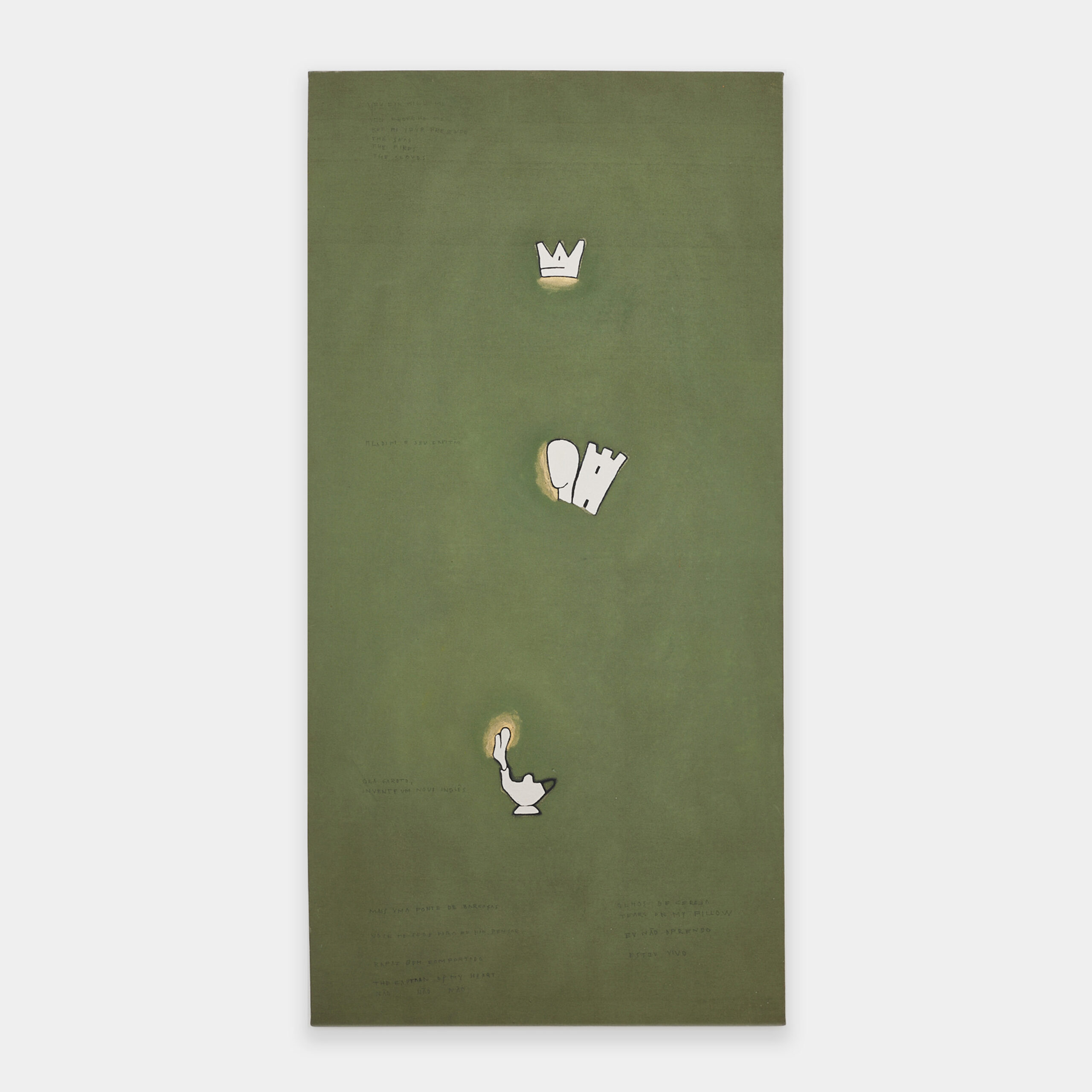
Aladim e seu capitão, anos 1990
acrylic and metallic paint on canvas
59 1/2 x 29 1/2 in