Heitor dos Prazeres
Heitor dos Prazeres’ paintings are centered on the representation of everyday life and the forms of sociability characteristic of the African diaspora in Rio de Janeiro. Their protagonists are residents of the city’s suburbs and favelas, portrayed in moments that transcend the stigmas of poverty and precarity.
The painter, who was also a samba musician and played a key role in the creation of the first samba schools, fostered a dialogue between the visual arts and popular music, celebrating a rhythm that was once persecuted and marginalized, yet endured to become a symbol of Brazilian identity. Through his engagement with modernist principles, Heitor found a way to translate into painting the dynamism, spontaneity, and joy of samba. His activity as a painter coincided with the period of eradication of favelas and tenement housing in central Rio de Janeiro, a process that led to the expansion of the population into the suburbs and neighboring municipalities. His work therefore celebrates the vitality that persists despite adversity, as well as the resilience and transformative power of popular culture.
His first paintings were produced in 1937. In 1951, he was awarded third prize among Brazilian artists at the 1st São Paulo International Biennial for the painting Moenda, which is now part of the collection of the Museum of Contemporary Art of the University of São Paulo (MAC USP). He was given a dedicated room at the 2nd São Paulo International Biennial in 1953 and also participated in the 1961 and 1979 editions. In 1966, he took part in the First World Festival of Black Arts in Dakar, Senegal. He also designed sets and costumes for ballet productions. In 1999, a retrospective exhibition of his work was presented at Espaço BNDES and the National Museum of Fine Arts (MNBA) in celebration of the centenary of his birth. In 2023, a major retrospective of his work was presented at CCBB Rio de Janeiro. Over the course of his artistic career, he held six solo exhibitions and participated in more than thirty group exhibitions.
WORKS
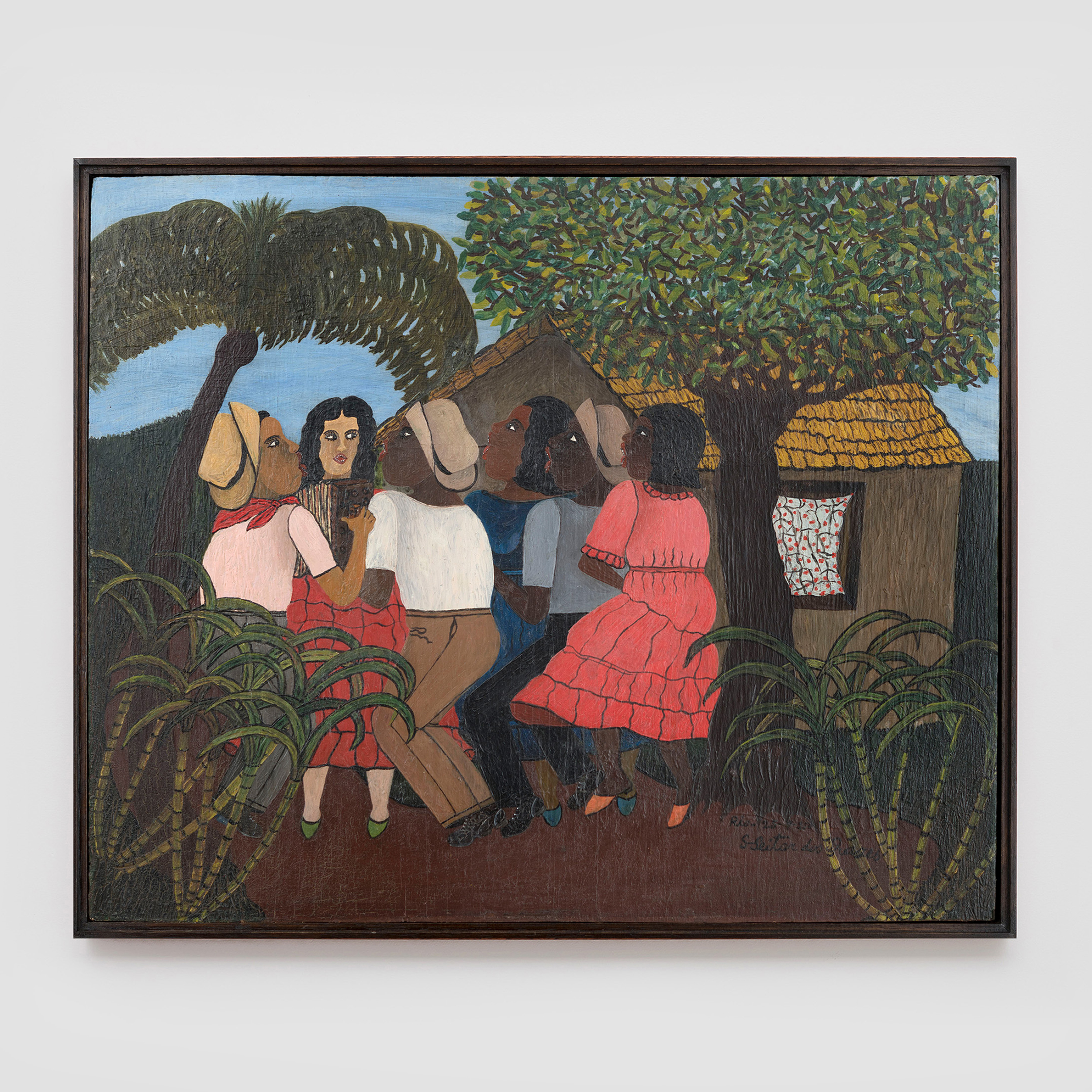
Calango, 1950
oil on pressed wood fiberboard
42 x 50,5 cm
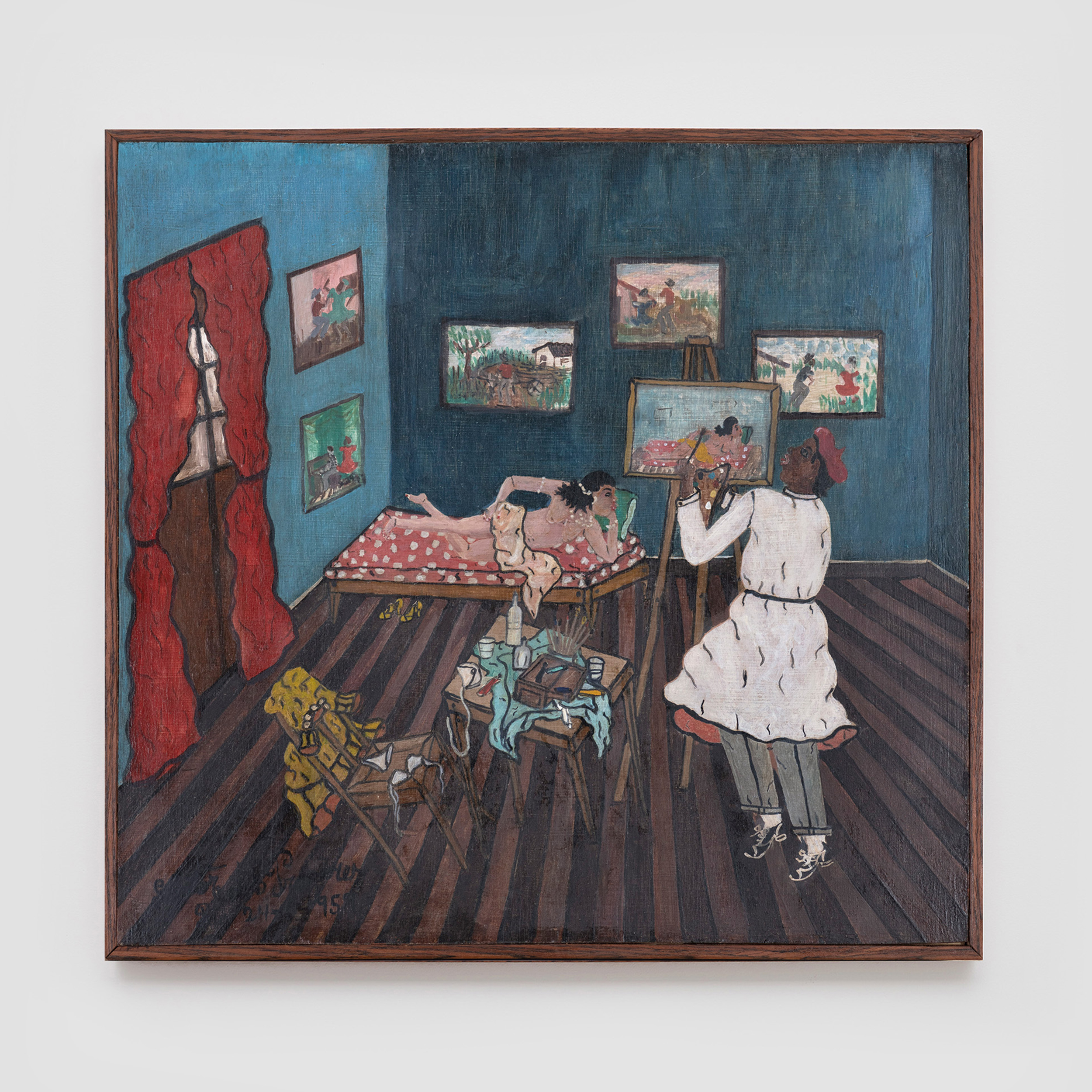
Musa no ateliê, 1959
oil on pressed wood fiberboard
37 x 40 cm
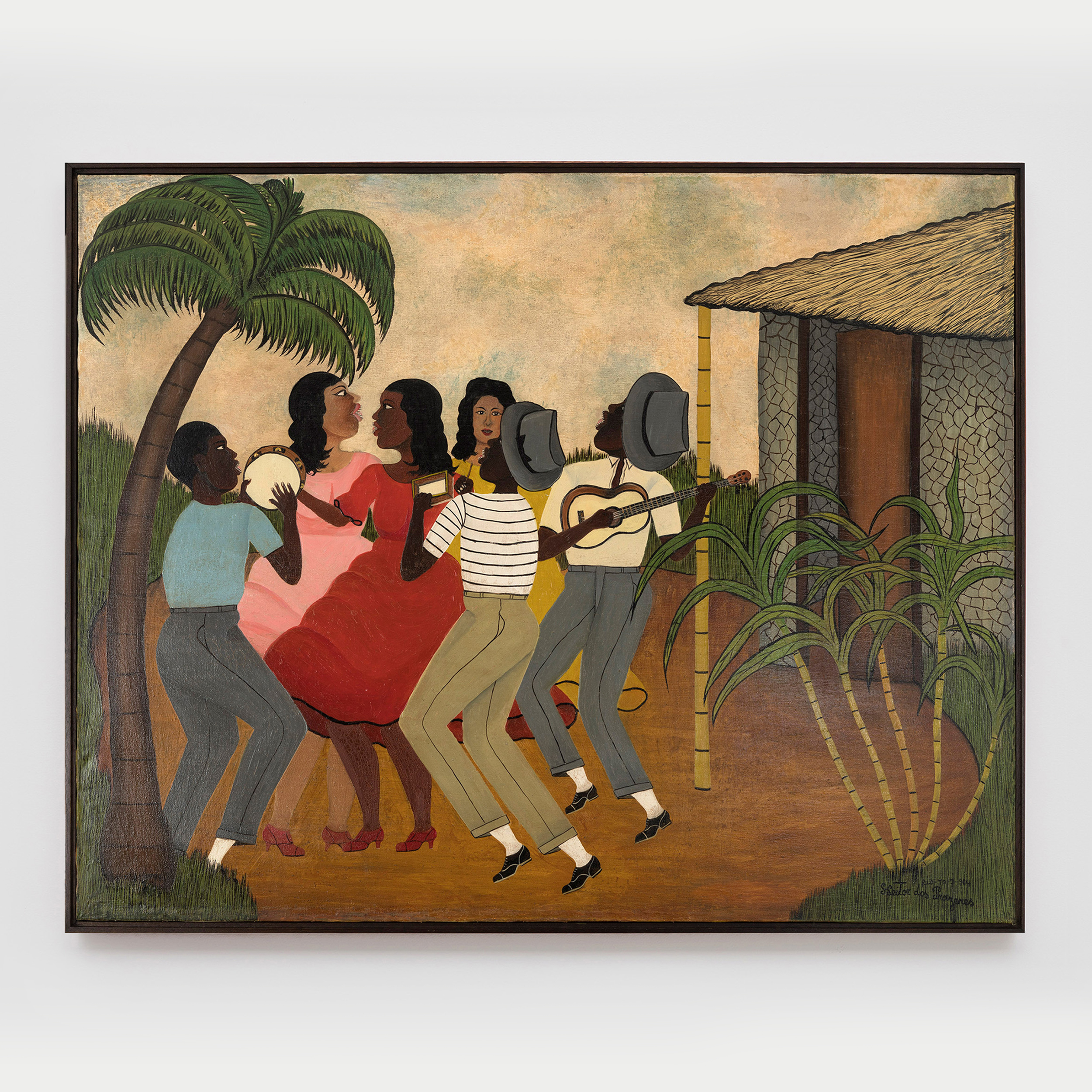
Untitled, 1965
oil on canvas
79,5 x 99,5 cm
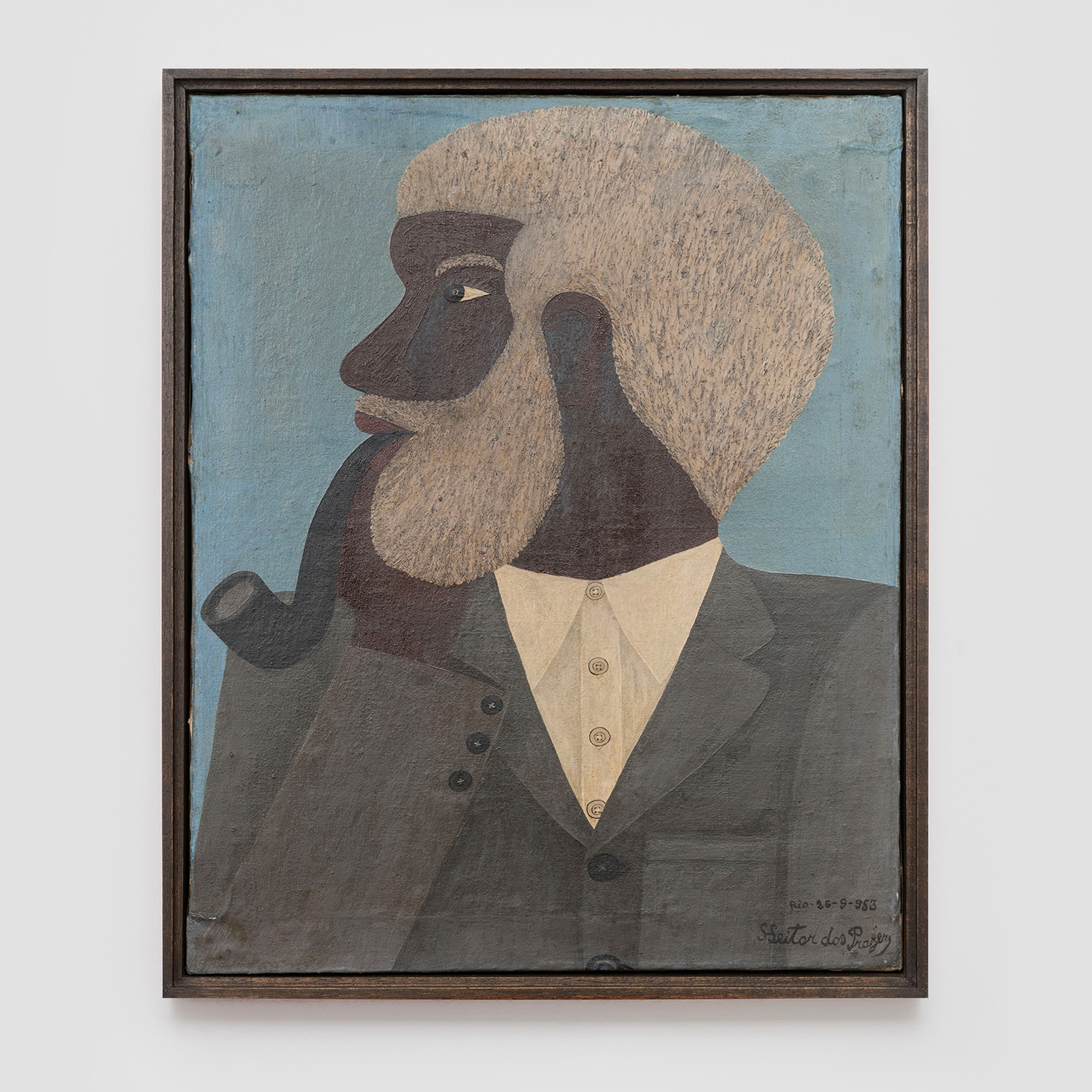
Untitled, 1953
oil on canvas
47,5 x 35 cm
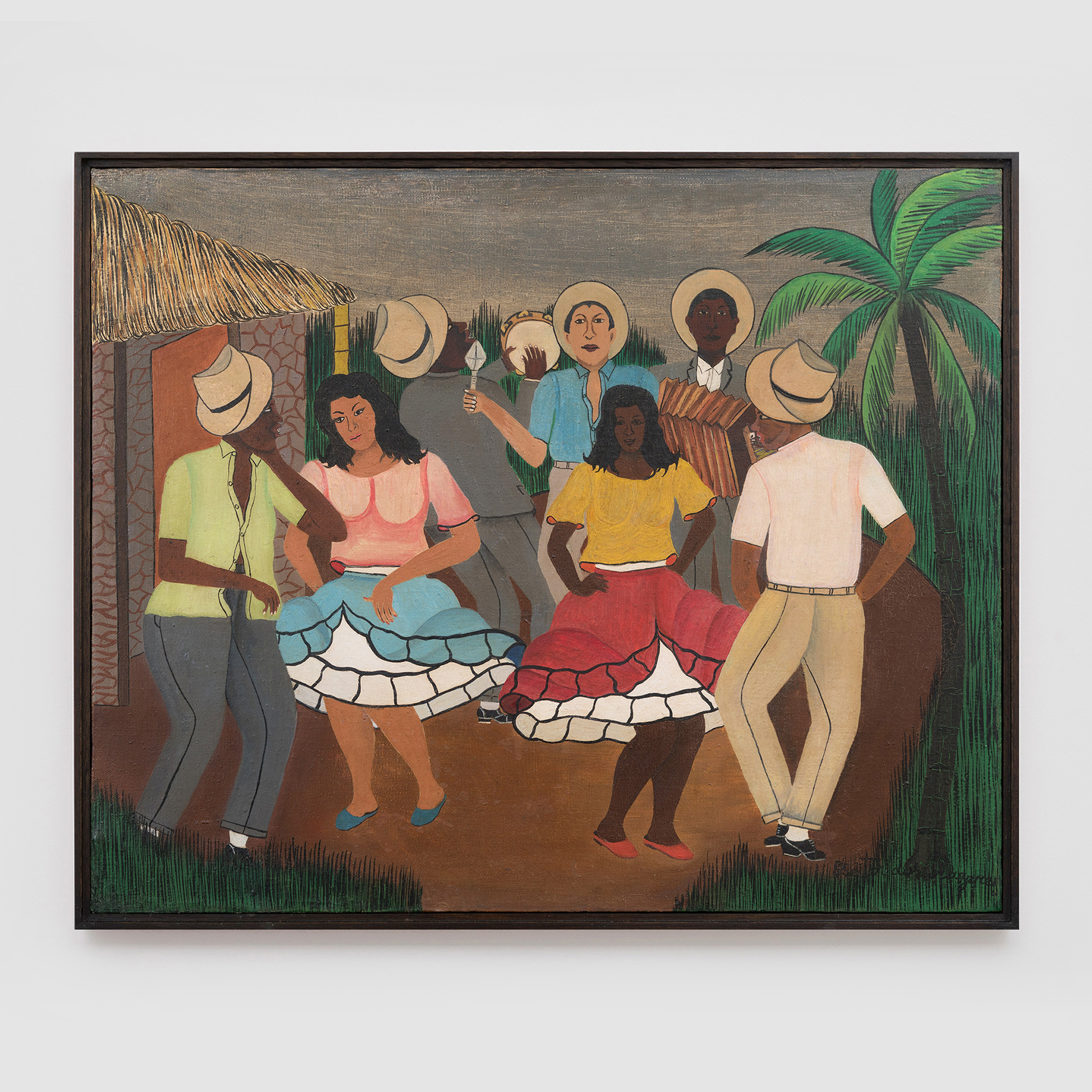
Untitled, n.d.
oil on canvas
19 3/4 x 24 in
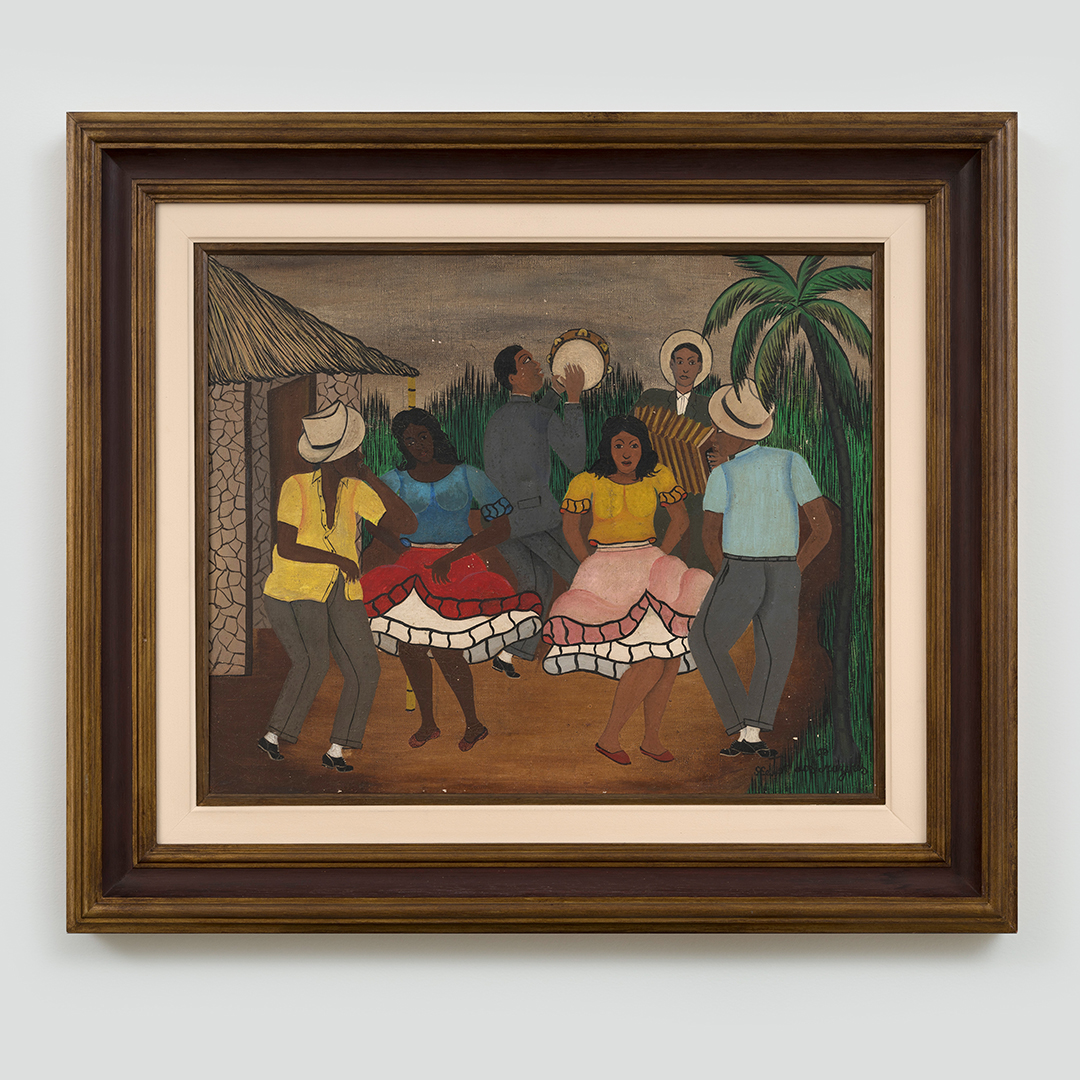
Untitled, n.d.
oil on canvas
19 3/4 x 24 in

Untitled, 1965
oil on canvas
38 x 46 cm