Di Cavalcanti
Praised by Mário de Andrade as “the most faithful painter of Brazilian subjects” and by Mário Pedrosa as “the most Brazilian of artists”, Di Cavalcanti was one of the organizers of the 1922 Week of Modern Art, for which he also designed the poster and catalogue. He was a central figure in Brazilian modernism and one of the leading exponents of its anthropophagic strand.
He engaged with European avant-gardes, with which he had contact in Paris, such as Cubism and Art Deco. Inspired by figures like Pablo Picasso, Henri Matisse, and Fernand Léger, he absorbed their formal aspects and developed a visual repertoire centered on constructing a national imagery, celebrating Brazilian icons like Carnival, samba, everyday life, and the Brazilian people.
After a period of intense activity as an illustrator in the press, focused on the principles of Art Nouveau, the early phase of his work as a painter is marked by the use of sinuous lines. The artist commonly contrasts the volume of figures with the flatness of backgrounds, employing soft chromatics.
Later, the influence of Mexican muralists becomes evident in his work, not only in formal aspects but also in its social substance, alongside surrealist elements that lend a dreamlike quality to his themes connected to Brazilian reality. Thus, opposite pairs coexist in his work, such as the everyday and the fantastic, the real and the daydream.
WORKS
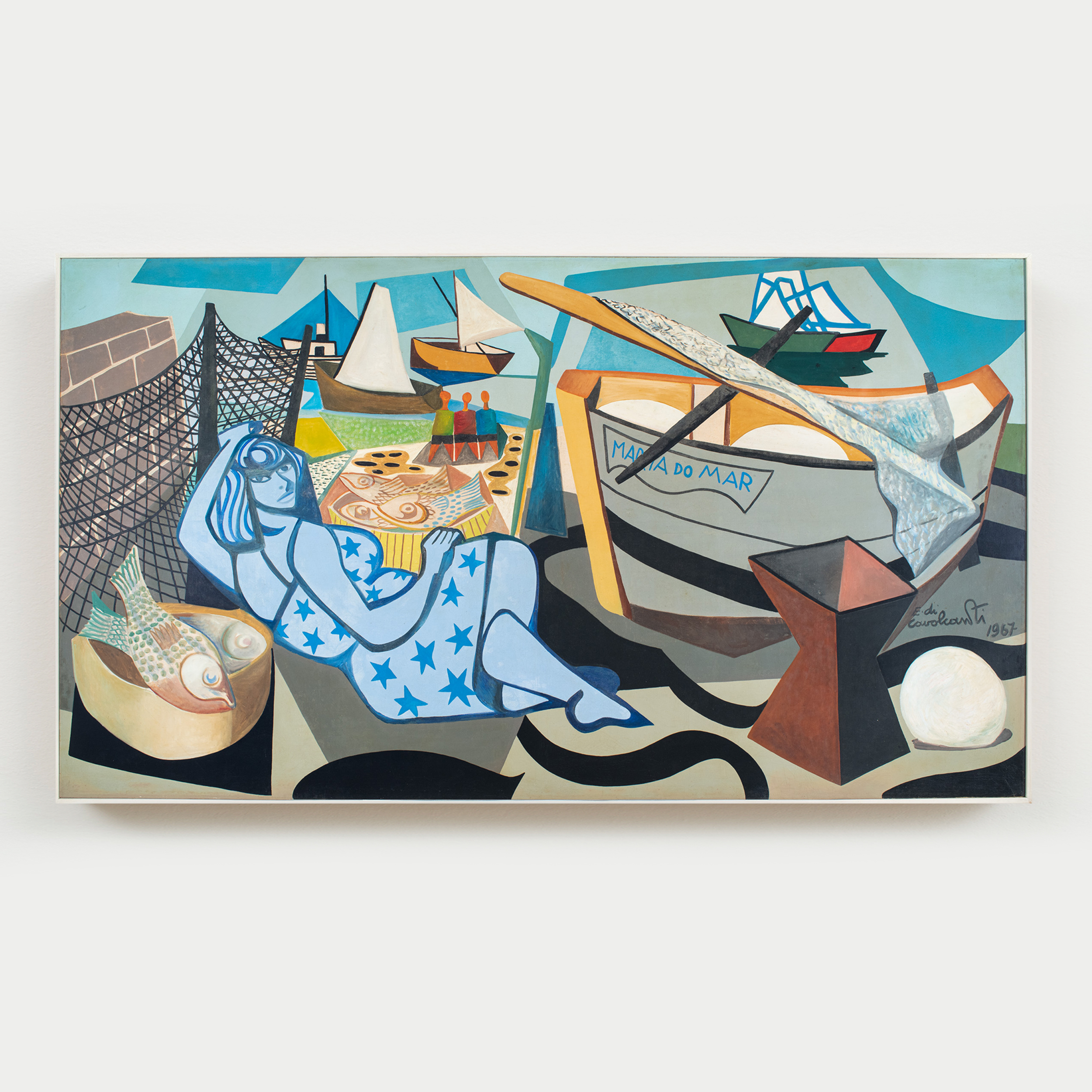
Maria do Mar, 1967
oil on canvas
70 1/8 x 126 3/8 in
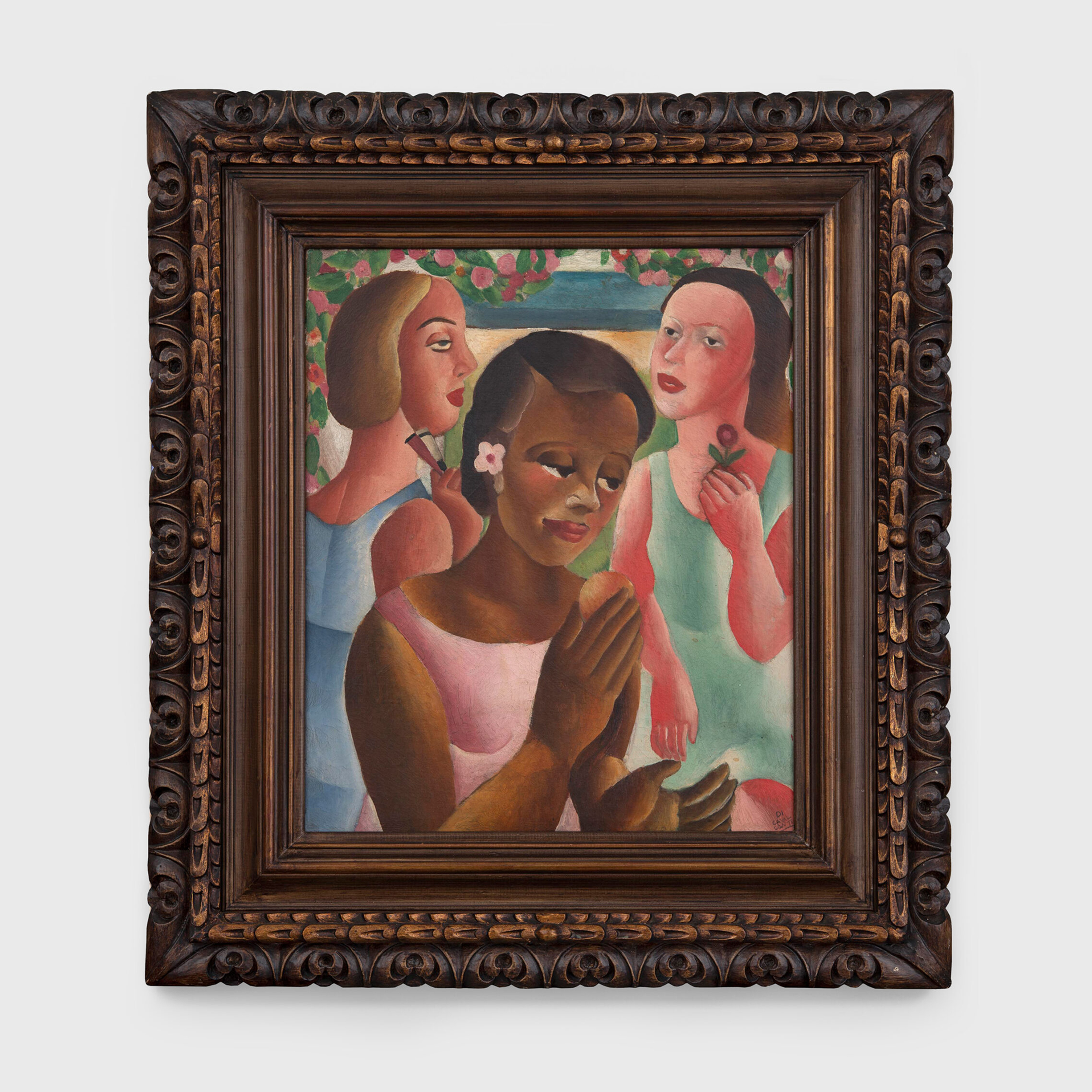
Três Mulatas (Moças do Interior), 1922
oil on canvas
23 5/8 x 19 3/4 in
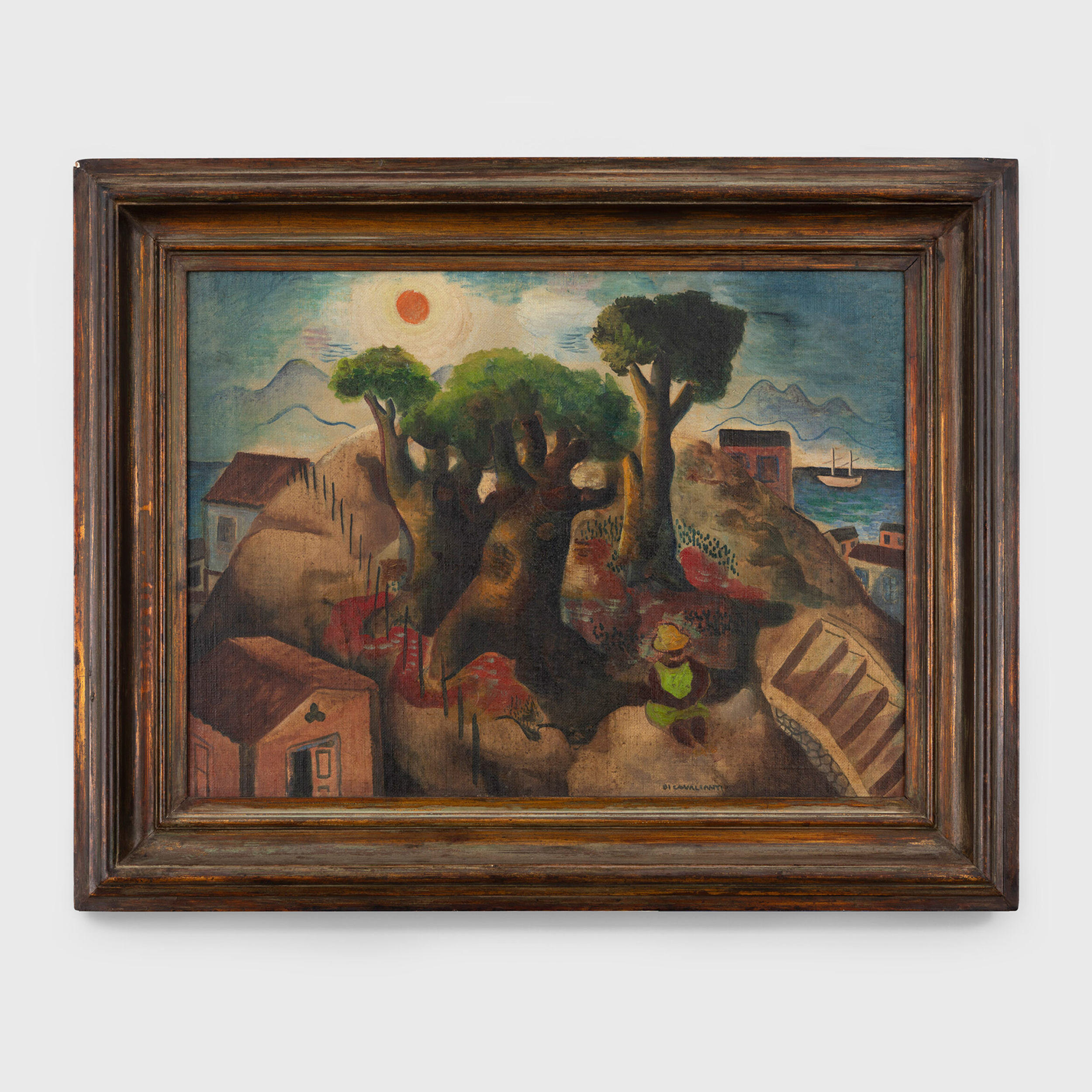
Morro, 1928
oil on canvas
21 1/4 x 28 3/4 in
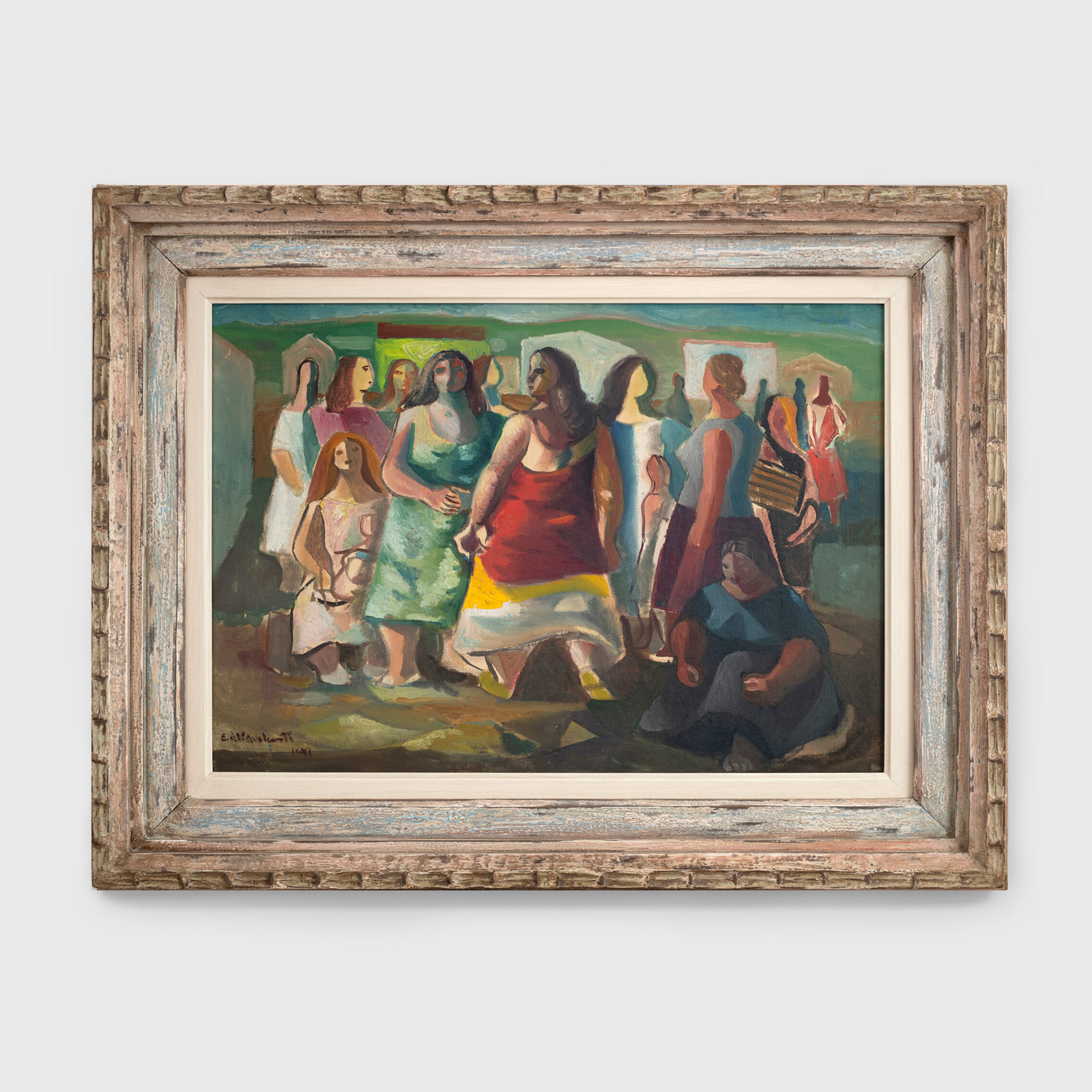
Mulheres protestando, 1941
oil on canvas
18 1/8 x 25 5/8 in
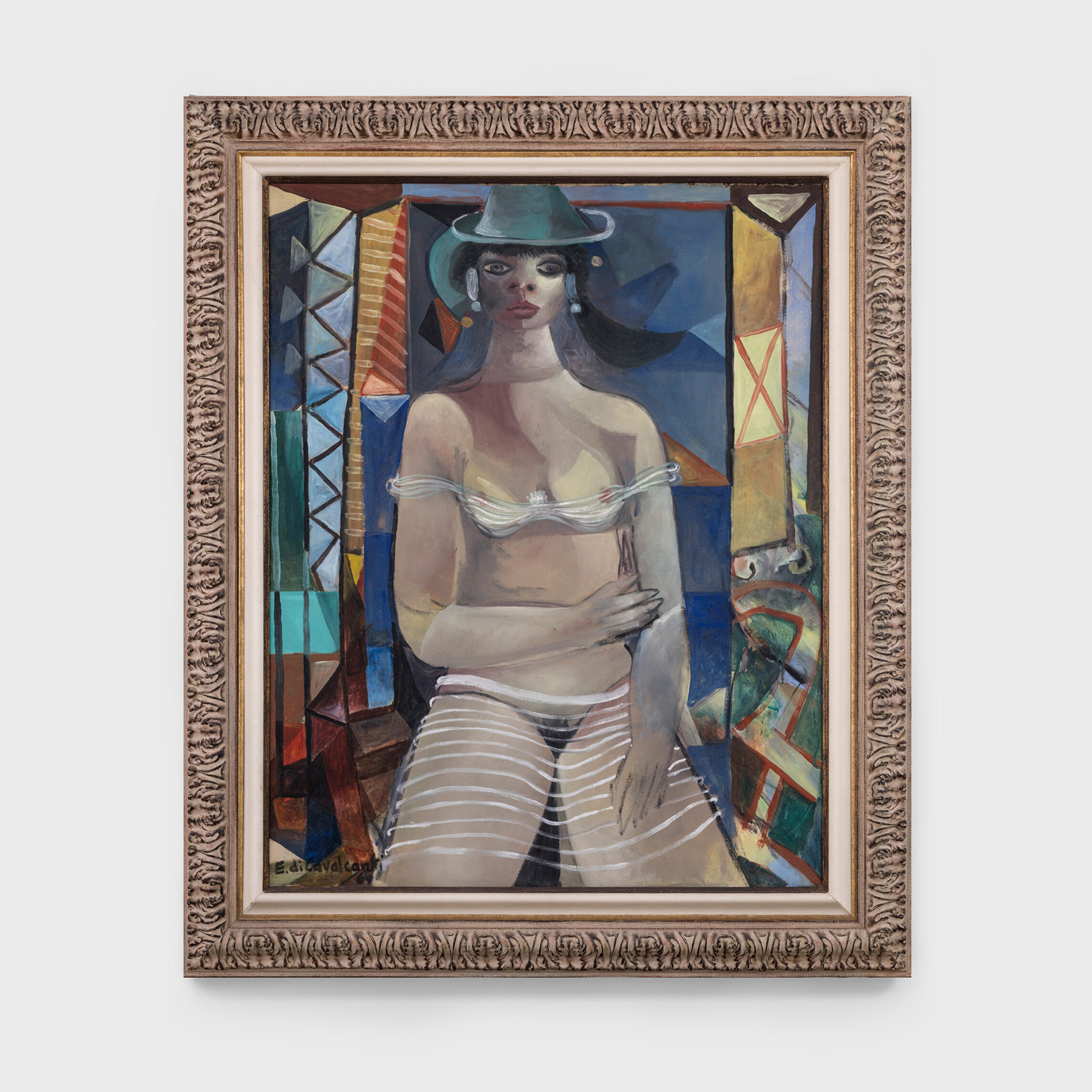
Untitled, 1969
oil on canvas
39 1/8 x 31 7/8 in
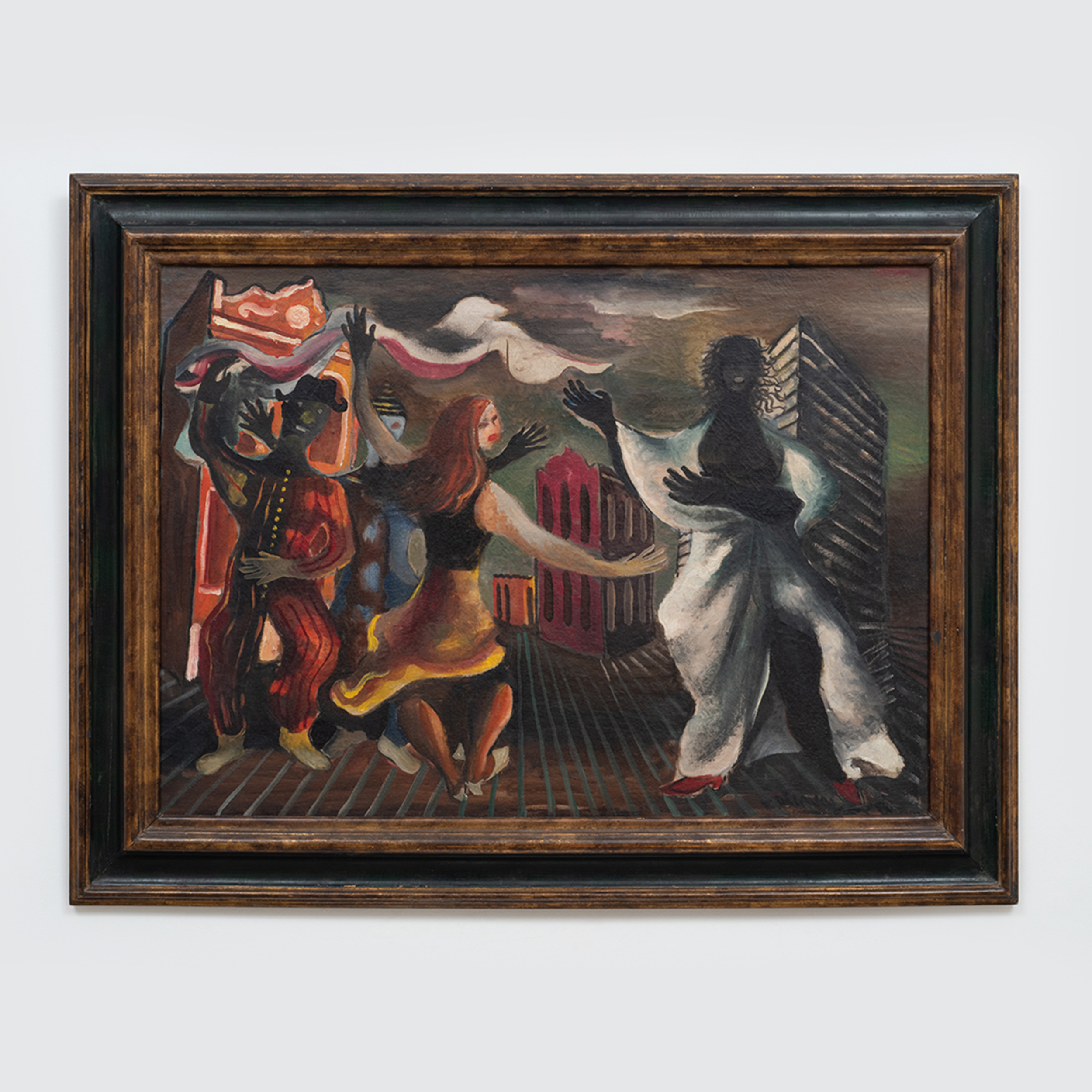
Carnaval, 1940
oil on canvas
23 1/4 x 32 5/8 in
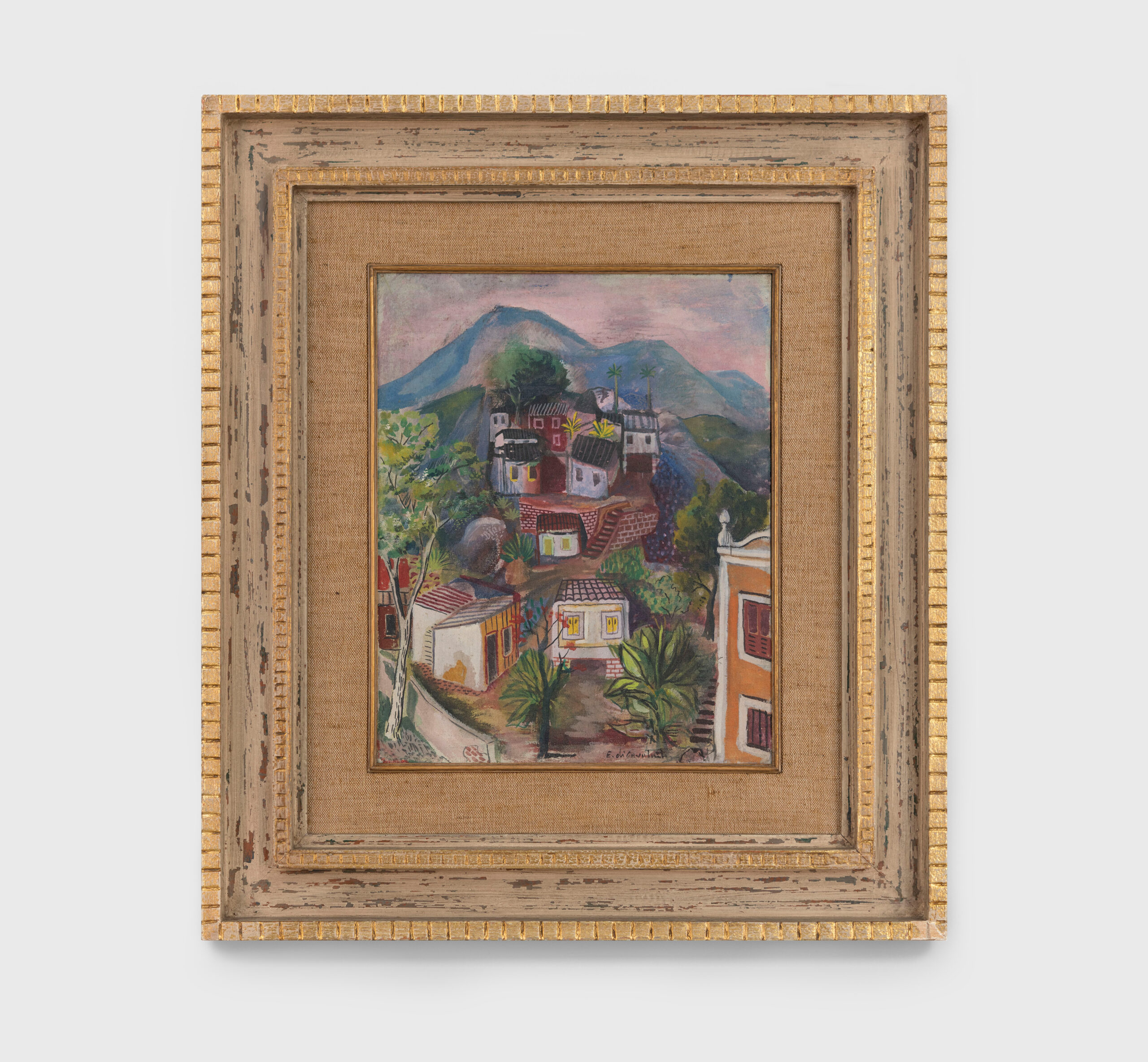
Paisagem de Santa Tereza, déc. 1950
oil on canvas
41 x 33 cm